If you have been researching compact housing, you may have asked, what is a park model home? A park model home is a small, well-equipped dwelling that combines many of the comforts of a traditional house with the flexibility of a recreational vehicle. Although these homes are built on a single chassis, they often serve as vacation homes, seasonal retreats, or downsized residences. Understanding how park model homes are built, where they can be placed, and what regulations apply will help you decide whether this housing option fits your lifestyle.
What Is a Park Model Home?
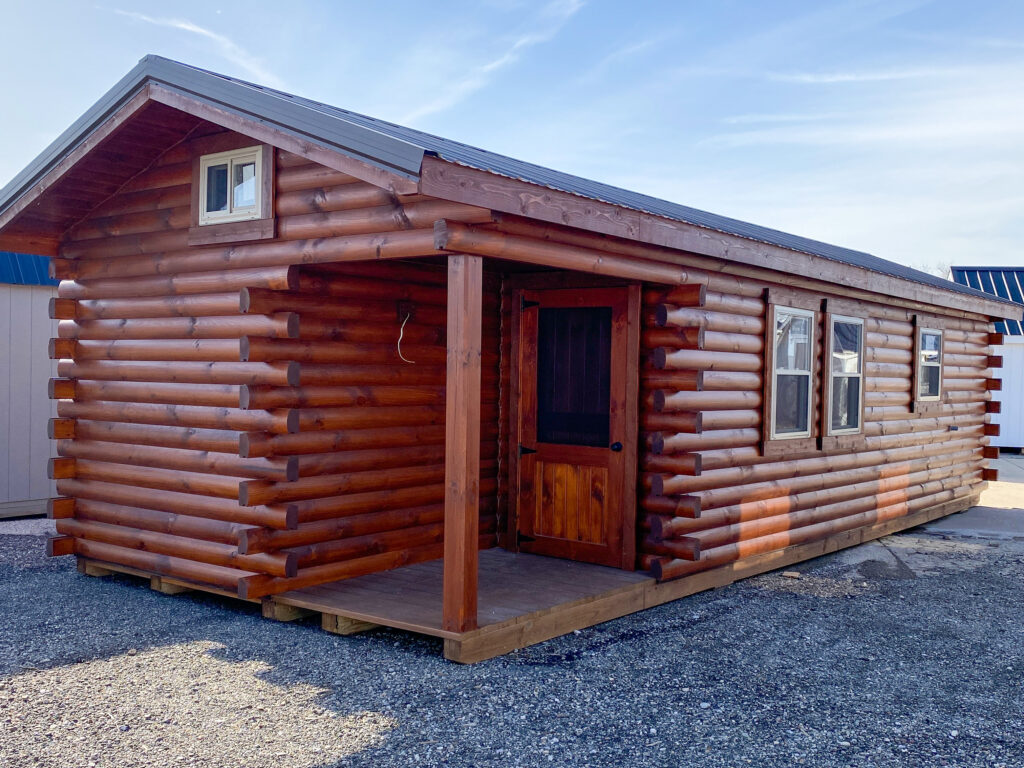
A park model home is a type of recreational vehicle (RV) designed to provide temporary or seasonal accommodation. Unlike traditional RVs, they are built to resemble small houses and are often placed in semi-permanent or permanent locations. They typically measure around 400 square feet, making them larger than the average RV but smaller than a traditional home.
How Park Model Homes Are Built
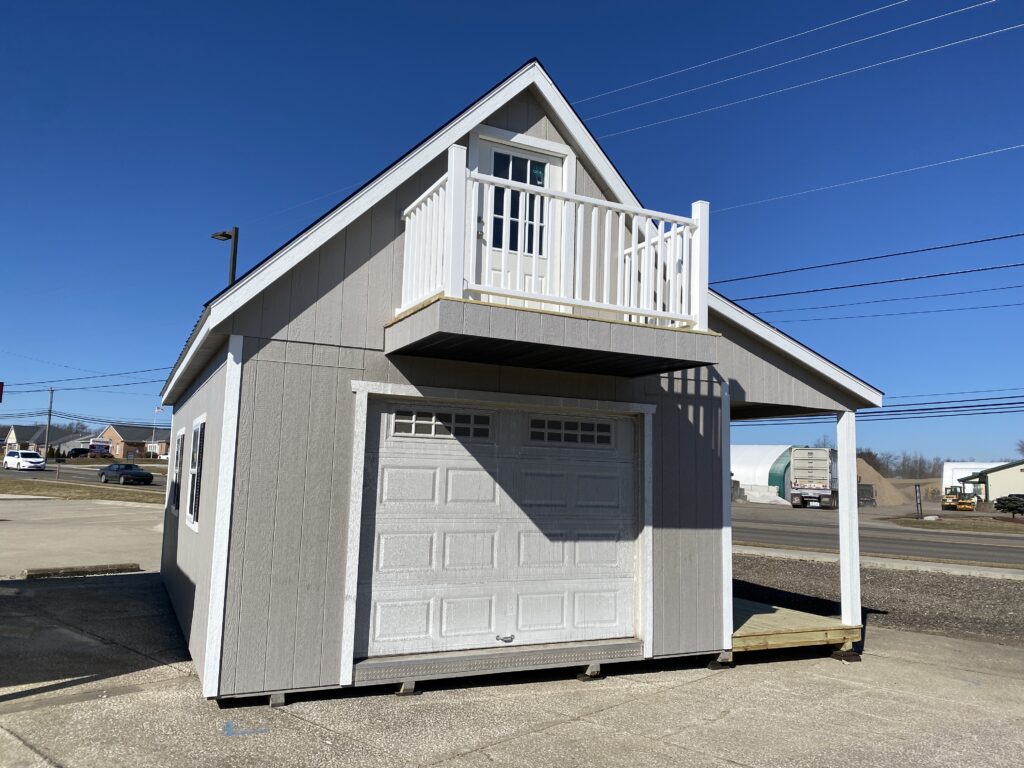
Park model homes are constructed with the same attention to quality and detail as traditional homes, but on a smaller scale. Here’s a closer look at how they are built:
- Foundation and Frame: Park model homes are built on a single chassis mounted on wheels, which makes them technically a type of RV. The frame is sturdy, often made of steel, to provide a solid foundation for the home.
- Materials: The materials used in the construction of them are similar to those used in traditional homes. This includes wood, drywall, insulation, and high-quality roofing materials. This ensures durability and comfort.
- Interior Finishes: Inside, they feature many of the same amenities found in conventional homes. This includes full-sized appliances, quality cabinetry, flooring, and fixtures. The interiors are designed to maximize space and comfort.
- Energy Efficiency: Many park model homes are built with energy efficiency in mind. They are often well-insulated and equipped with energy-efficient windows and appliances, which helps reduce utility costs.
Placement of Park Model Homes
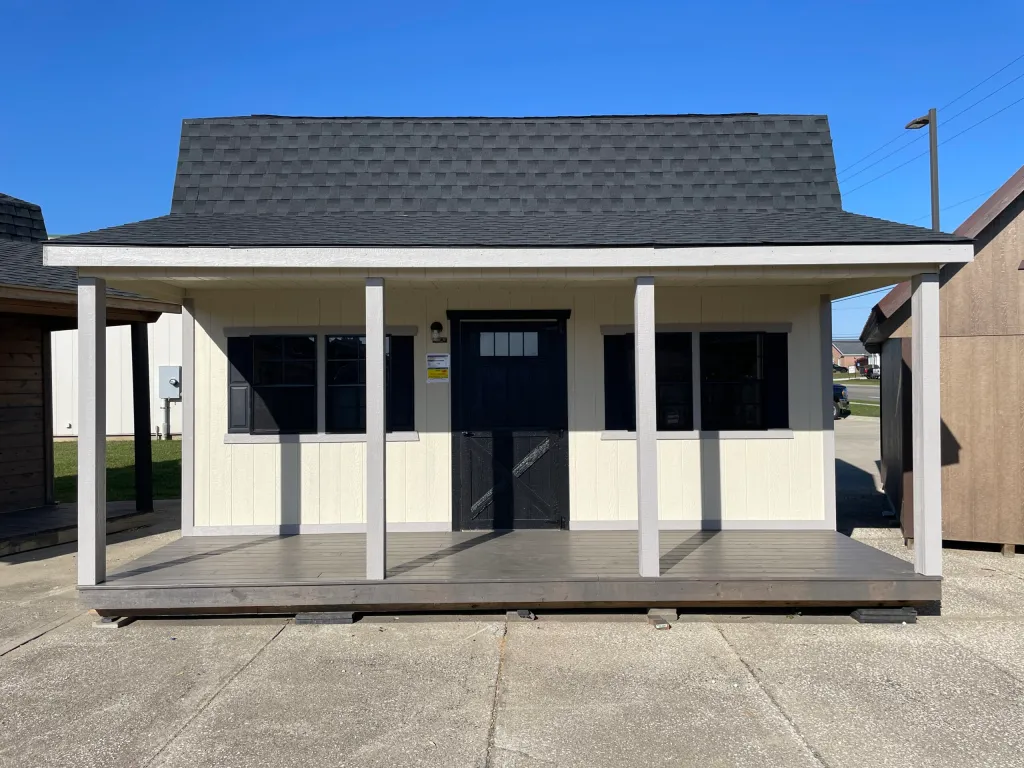
One of the most attractive aspects of park model homes is their flexibility in terms of placement. Here’s where you can typically find them:
- RV Parks and Campgrounds: Many park model homes are placed in RV parks and campgrounds, where they can be used as vacation homes or seasonal residences. These parks often offer amenities such as pools, recreational facilities, and social activities.
- Private Land: If you own a piece of property, you can place a park model home on it, subject to local zoning laws and regulations. This can be a great option for those looking to downsize or live more simply.
- Communities: There are specialized communities designed specifically for park model homes. These communities often provide a sense of community and additional amenities tailored to the needs of park model home residents.
- Resort Areas: Park model homes are also popular in resort areas, where they can serve as vacation rentals or seasonal getaways. They provide a more comfortable and homelike experience compared to traditional hotel stays.
Before purchasing a park model home, check with your local planning department and review guidance from the Recreational Vehicle Industry Association (RVIA) to better understand construction standards and certification requirements.
Affordability of Park Model Homes
One of the biggest draws of park model homes is their affordability. Here’s why they are considered a cost-effective housing option:
- Lower Initial Cost: The cost of purchasing a park model home is significantly lower than buying a traditional home. Prices can vary, but generally, you can expect to pay between $30,000 and $100,000, depending on the size, features, and location.
- Reduced Living Expenses: Living in a park model home often means lower utility bills due to their smaller size and energy-efficient design. Maintenance costs are also typically lower than those associated with a larger home.
- Minimal Property Taxes: Since park model homes are classified as RVs, property taxes are often much lower than those for traditional homes. This can result in significant savings over time.
- Financing Options: There are various financing options available for purchasing them, making them accessible to a wide range of buyers.
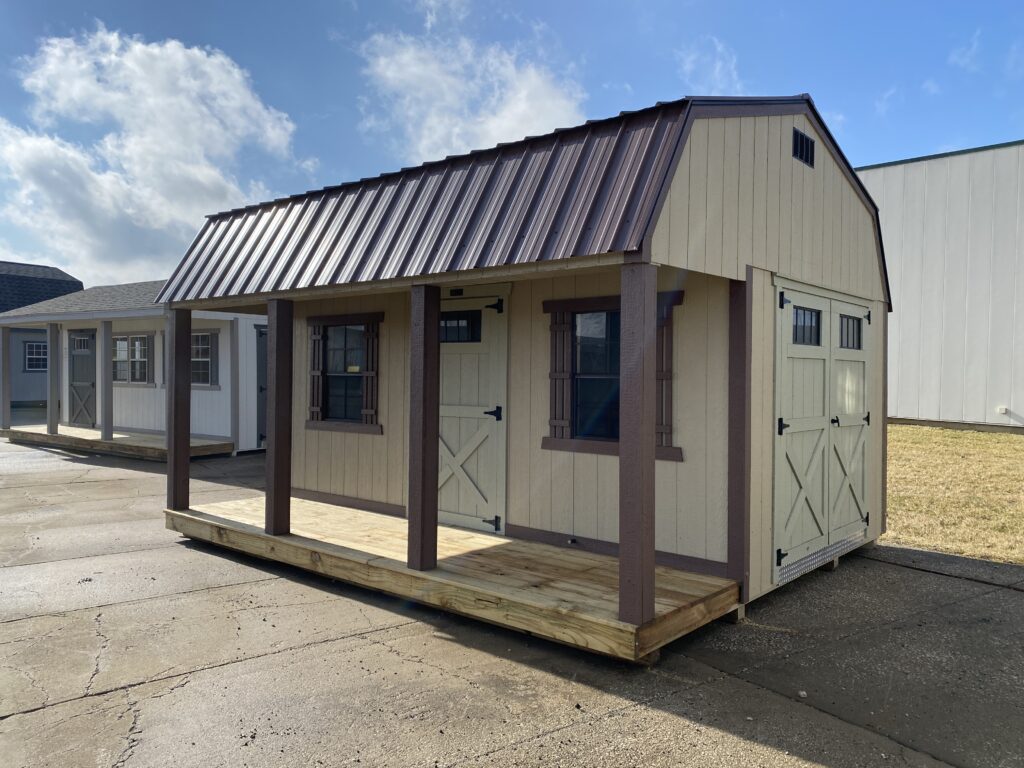
Living in a Park Model Home
Many people wonder if living in a park model home is a viable long-term option. The answer is yes, but it depends on individual preferences and lifestyle needs. Here’s what you need to know:
- Space Considerations: Park model homes are compact, typically offering around 400 square feet of living space. This can be perfect for singles, couples, or retirees looking to downsize. However, it might be a tight fit for larger families.
- Comfort and Amenities: Despite their small size, they are designed to be comfortable and livable. They often include full-sized kitchens, bathrooms, bedrooms, and living areas. Some even feature lofts or additional sleeping areas.
- Community Living: Many people who live in them enjoy the sense of community found in RV parks and specialized communities. This can be a great way to make friends and participate in social activities.
- Mobility: One of the benefits of them is their mobility. While they are not designed for frequent moves, they can be relocated if necessary, providing flexibility for those who might need to move in the future.
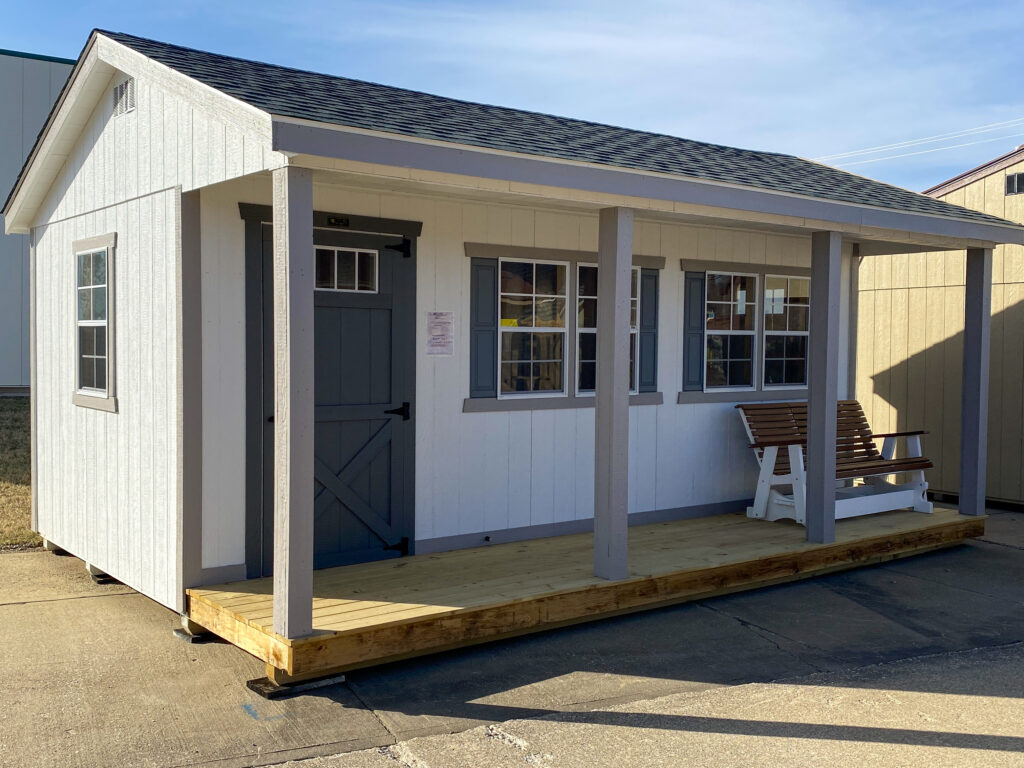
Benefits and Features of Park Model Homes
Park model homes appeal to many buyers because they combine affordability with practical features. Buyers can often customize the layout and finishes to match their preferences while enjoying lower maintenance requirements than a traditional home. Modern models also include energy-efficient materials and appliances that help reduce utility costs. Many owners place their homes in communities that offer recreational amenities, while others enjoy peaceful locations surrounded by nature.
Many buyers also consider custom cabins when searching for a smaller living space. Browse the available designs at Ohio Cabins & Structures to compare options that suit your property and lifestyle.
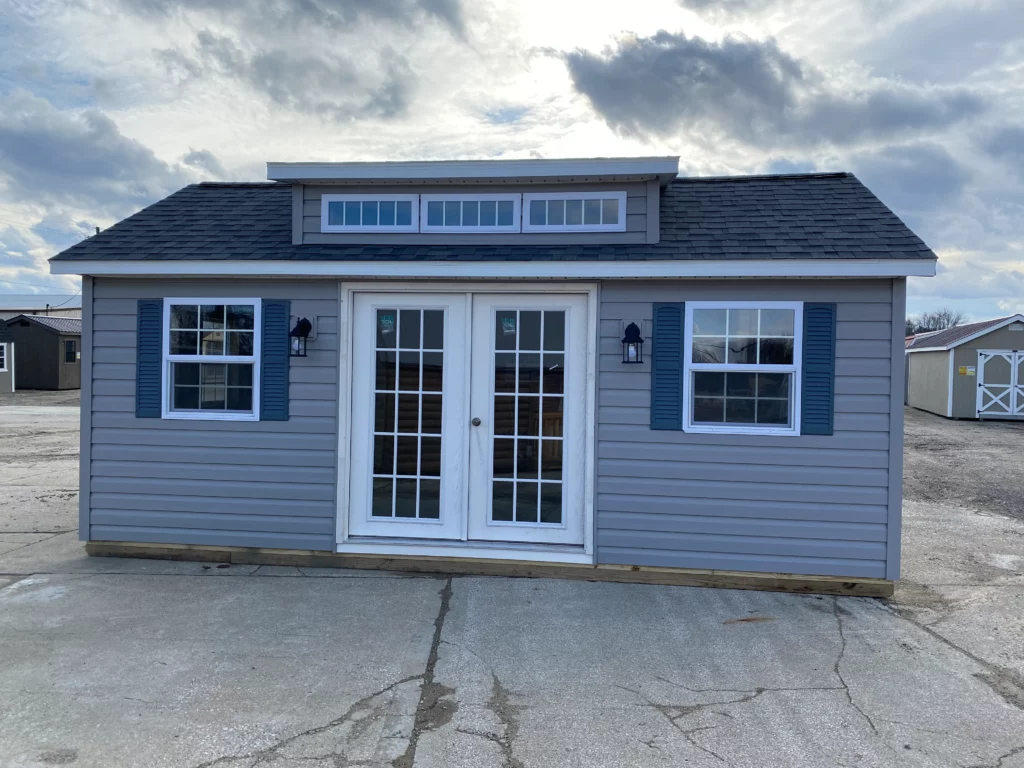
Cons of Park Model Homes
While there are many benefits to park model homes, there are also some potential drawbacks to consider:
- Limited Space: The compact size of park model homes can be a limitation for those who need more space. It might not be suitable for larger families or individuals who require a lot of storage.
- Zoning Regulations: Placement of park model homes can be restricted by local zoning laws and regulations. It’s important to research and ensure that you can legally place a park model home on your desired property.
- Mobility: While they are technically mobile, they are not designed for frequent moves. Relocating a park model home can be costly and logistically challenging.
- Resale Value: The resale value of park model homes can vary, and they may depreciate more quickly than traditional homes. This is something to consider if you plan to sell your home in the future.
- Permanent Residence: In some areas, they are not permitted as permanent residences. It’s important to check local regulations and restrictions before deciding to live in a park model home full-time.
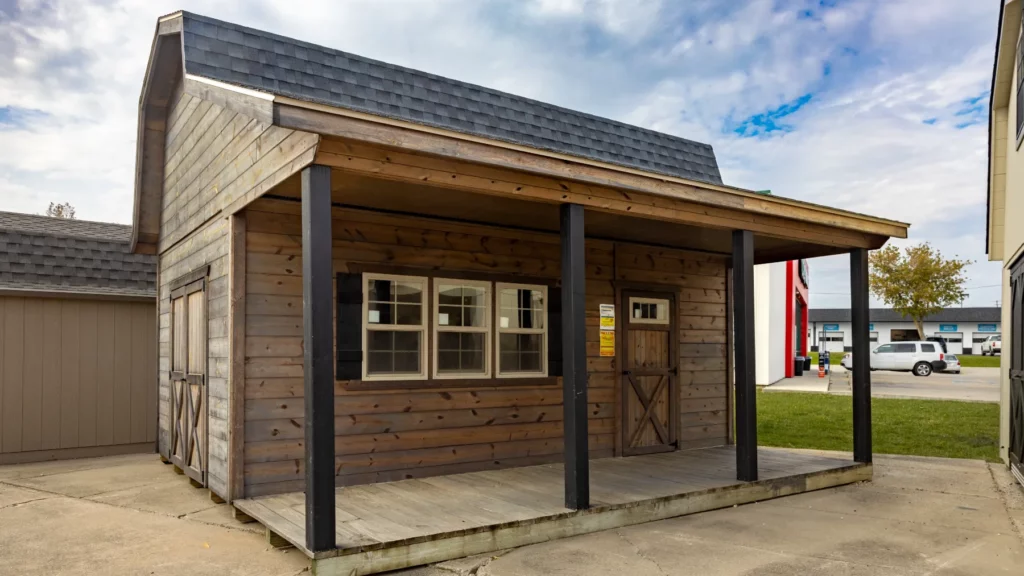
Conclusion
Understanding what a park model home is makes it easier to decide whether this housing option fits your lifestyle. These homes offer an affordable, comfortable, and practical solution for seasonal living, vacation properties, or downsizing. By considering local regulations, placement options, and your long-term goals, you can determine whether a park model home is the right investment. If you are exploring compact living solutions, discover the quality structures available at Ohio Cabins & Structures. To learn more about available models or discuss your project, contact our team today.