Many homeowners ask, can I put a tiny home in my backyard, as they look for more flexible ways to create extra living space. A backyard tiny home can serve as a guest house, home office, rental unit, or private space for family members. However, before moving forward, it is important to understand local zoning laws, building codes, utility requirements, and permit regulations. Learning these requirements early will help you determine whether a backyard tiny home is a practical option for your property.
Understand Local Zoning and Building Requirements
Before purchasing or building a tiny home for your backyard, one of the most critical factors to consider is zoning laws and building codes. These laws vary by state, county, and even city, determining whether you can legally place a tiny home on your property.
1. Zoning Restrictions
Zoning laws dictate how land can be used, and in many areas, they classify tiny homes differently based on whether they are permanent structures or temporary dwellings. Key zoning considerations include:
- Minimum Lot Size Requirements: Some areas require a minimum square footage for residential properties, which may affect whether a tiny home is allowed.
- Primary vs. Accessory Dwelling Units (ADUs): If the tiny home is considered an ADU, it may be permitted as a secondary living space on your property.
- Multi-Family Zoning: Some residential zones allow additional dwellings, while others strictly prohibit more than one residence per lot.
2. Building Codes
Even if your local zoning laws permit tiny homes, the structure must comply with building codes. These codes ensure that a home is safe and meets certain construction, electrical, and plumbing standards. Common regulations include:
- Minimum ceiling height requirements
- Proper electrical and plumbing installations
- Foundation and anchoring specifications
Tiny Homes on Wheels vs. Permanent Structures
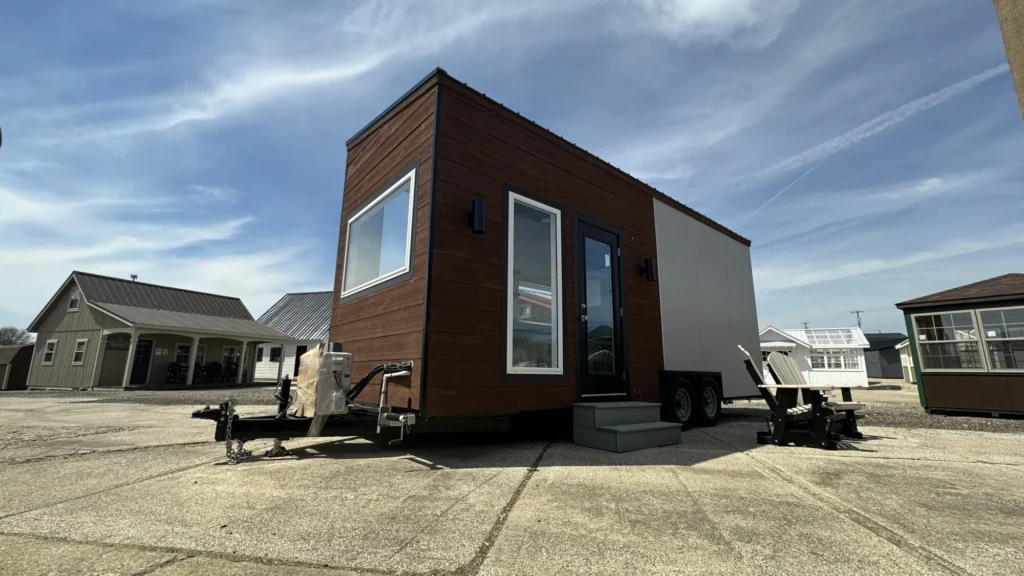
A significant factor in determining whether you can place a tiny home in your backyard is whether it is a tiny home on wheels (THOW) or a permanent structure.
Tiny Homes on Wheels (THOWs)
Tiny homes on wheels are considered mobile structures, similar to RVs, which means they may be subject to different regulations than stationary homes. Many cities allow THOWs only in designated RV parks or mobile home communities, while others permit them as temporary backyard dwellings.
Advantages of THOWs include:
- Mobility, allowing relocation if regulations change
- Easier permitting in areas that restrict permanent tiny homes
- Lower property tax implications since they are classified as personal property rather than real estate
However, some challenges include:
- Limited access to utility connections
- Restrictions on permanent residency in some areas
- Requirements for registering the home as a recreational vehicle
Permanent Tiny Homes
If you plan to build a foundation-based tiny home, you will need to ensure it meets all local building codes and zoning laws. In some cases, a permanent tiny home can qualify as an ADU, allowing it to exist legally as a secondary dwelling on a property with a primary house.
Advantages of a permanent tiny home include:
- Compliance with most residential building codes
- Potential for increased property value
- Ability to connect to municipal water, sewer, and power sources
However, permanent tiny homes also come with challenges such as higher permitting costs and property taxes. If you are exploring different layouts before building, browse our tiny home collection to compare designs that work well as backyard living spaces.
Utility Connections and Infrastructure
Another key factor when considering a tiny home in your backyard is how it will connect to utilities, including water, electricity, and sewage.
1. Water and Plumbing
If your tiny home is on a foundation, it will likely need to connect to the municipal water supply or a private well. Some homeowners opt for rainwater collection systems or composting toilets to reduce dependency on traditional water and sewage connections.
2. Electricity
Powering a tiny home can be done by:
- Tapping into the main home’s electrical supply
- Installing solar panels for off-grid energy
- Using generators or alternative power sources
Local building codes may require that any electrical work be performed by a licensed electrician to ensure safety compliance.
3. Sewage and Waste Management
Permanent tiny homes often require a connection to the city sewer system or a septic tank. THOWs may utilize portable waste systems, composting toilets, or graywater recycling methods. Be sure to check local health department regulations for proper waste disposal.
Benefits of Having a Tiny Home in Your Backyard
For homeowners with sufficient space and legal permission, adding a tiny home to their backyard can offer numerous benefits.
1. Additional Living Space
A backyard tiny home can serve many purposes. Some homeowners use it as a guest house for family and friends, while others create a quiet home office or creative studio. It can also provide comfortable living space for aging parents or adult children, or generate additional income as a rental where local regulations allow.
2. Affordable Housing Solution
Tiny homes are a cost-effective way to create additional living space without the expense of a traditional home extension. This makes them ideal for homeowners who want an affordable housing option for family members or tenants.
3. Increased Property Value
In areas where tiny homes are permitted, adding an ADU can increase a property’s marketability and potential resale value. However, this depends on local demand and zoning regulations.
4. Sustainable Living
Many tiny homes are built with eco-friendly materials and utilize energy-efficient systems, reducing overall carbon footprints. Features like solar power, rainwater collection, and composting toilets contribute to a more sustainable lifestyle. Many homeowners also choose custom cabins for backyard projects. Explore the available options at Ohio Cabins & Structures to find a building that fits your property and long-term plans.
Challenges and Considerations
While the idea of adding a tiny home to a backyard is appealing, there are potential challenges that must be addressed.
1. Permitting and Legal Issues
Navigating local zoning and building regulations can be complex. It is essential to:
- Research local laws before purchasing a tiny home
- Apply for necessary permits to avoid fines or forced removal
- Consult with a contractor or zoning expert for guidance
2. Privacy Concerns
A tiny home in the backyard can impact the privacy of both the main house residents and neighbors. Strategic placement, fencing, and landscaping can help mitigate privacy issues.
3. HOA Restrictions
If you live in a community with a homeowners association (HOA), be sure to check their rules regarding tiny homes. Some HOAs have strict policies against secondary dwellings.
4. Financing Challenges
Financing a tiny home can be more difficult than securing a mortgage for a traditional house. Options include:
- Personal loans
- RV loans for THOWs
- Construction loans for permanent builds
Should You Talk to Your Local Building Department First?
Before purchasing a tiny home, contact your local planning or building department to discuss your project. Officials can explain whether your property allows an accessory dwelling unit, what permits you need, and how utility connections must be installed. They can also identify setback requirements, height limits, and occupancy rules that apply to your neighborhood. Speaking with local officials early helps prevent unexpected delays and gives you a clearer understanding of what is possible on your property.
Conclusion
So, can I put a tiny home in my backyard? In many areas, the answer is yes, but local zoning laws, building codes, utility access, and permit requirements ultimately determine what is allowed. Taking time to understand these regulations before purchasing a tiny home can save time, money, and unnecessary complications. If you are ready to add a backyard tiny home, explore the quality designs available at Ohio Cabins & Structures. To discuss your project or learn more about customization options, contact our team today.