
Most homeowners spend between $6,500 and $11,000 for a new asphalt shingle roof in Ohio, although the final cost can vary significantly based on roof size, material choice, labor rates, and the condition of the existing structure. Because a roof is one of the most important components of any home, understanding these costs helps homeowners budget effectively and avoid unexpected expenses. Whether you’re replacing an aging roof or planning a new construction project, knowing what influences roofing costs can help you make a more informed investment.

Factors That Determine the Cost of a New Roof
The cost of a new roof varies depending on several key factors. One of the most significant variables is the material used. Asphalt shingles are the most affordable and widely used option in the U.S. However, many alternatives offer better durability or aesthetic appeal. Metal roofing is more expensive upfront, but lasts significantly longer. Slate, tile, and cedar shakes are premium options that offer a traditional or luxurious appearance.
Another cost factor is the size and complexity of the roof. Roofs with multiple slopes, dormers, or complex designs require more labor and materials. The steeper the pitch, the more safety equipment and time are needed. Older homes may need structural repairs before a new roof can be installed, especially if water damage or previous poor installation is present.
Labor costs also vary based on location, time of year, and the roofing company’s reputation. In states like Ohio, seasonal weather impacts roofing schedules. Peak demand in late spring and summer can raise prices due to limited contractor availability. Choosing a skilled and reputable contractor helps ensure fair pricing and quality craftsmanship.
Comparing Popular Roofing Materials
Asphalt shingles remain the most common roofing material because they offer a balance of affordability and durability. Metal roofing costs more upfront but can last 40 to 70 years with minimal maintenance. Cedar shakes provide a natural appearance but require regular upkeep. Slate and tile roofs offer exceptional longevity but often require additional structural support due to their weight. Understanding the advantages and disadvantages of each material helps homeowners choose the best option for their budget and long-term goals.

Average Cost Ranges in Ohio
So, how much is a new roof for a typical Ohio home? According to Forbes, the national average for roof replacement is between $5,000 and $12,000. Higher-end materials can push costs beyond that range. In Ohio, most homeowners pay between $6,500 and $11,000 for an average-sized asphalt shingle roof.
For premium options, metal roofing often costs between $10,000 and $20,000, depending on the roof’s size and type. Slate or tile roofs are generally more expensive, ranging from $20,000 to $50,000, mainly due to their weight and the complexity of installation. These estimates vary by roof size, home location, and project complexity. Rural areas may have lower labor costs than cities like Cincinnati or Toledo, though shipping fees may offset savings.
Additional Costs to Consider
Beyond materials and labor, there are several other expenses that can significantly affect the total price of a new roof. For instance, removing the old roofing may cost between $1,000 and $1,500, depending on the number of layers and the type of material being removed. Structural repairs to address issues like rotted wood or sagging rafters can range from $500 to well over $5,000 if the damage is extensive. Additionally, underlayment and flashing, key components that prevent moisture intrusion, can contribute an extra $300 to $800 to the total. Permits and inspections, often required by local regulations, may add another $150 to $500. To avoid surprises, it’s essential to request a comprehensive written estimate from your contractor before the project begins.
Long-Term Savings and Value
While the cost of a new roof feels high, it is a long-term investment. A well-installed, durable roof can raise your home’s resale value, improve energy efficiency, and reduce future repair costs. According to Remodeling Magazine, roof replacements may return 60%–68% of their cost in added home value.
In Ohio’s climate, roofing materials with good insulation and moisture resistance help lower heating and cooling bills. Energy-efficient roofing products, such as those with reflective coatings or made from metal, help maintain indoor temperature levels throughout the year.
How Long Does a New Roof Last?
Roof lifespan varies based on material quality, installation practices, and local weather conditions. Asphalt shingles generally last 20 to 30 years, while metal roofs can exceed 50 years. Slate and tile roofs may last a century or longer when properly maintained. Although premium materials cost more initially, their longer lifespan can reduce replacement costs over the life of the home.
Choosing the Right Roofing Contractor in Ohio
Another factor in how much a new roof costs is the contractor you hire. Working with a reputable and experienced company ensures correct installation. It also ensures compliance with codes and manufacturer warranties. Local knowledge matters in the Midwest, where snow loads, wind resistance, and ventilation standards differ by region.
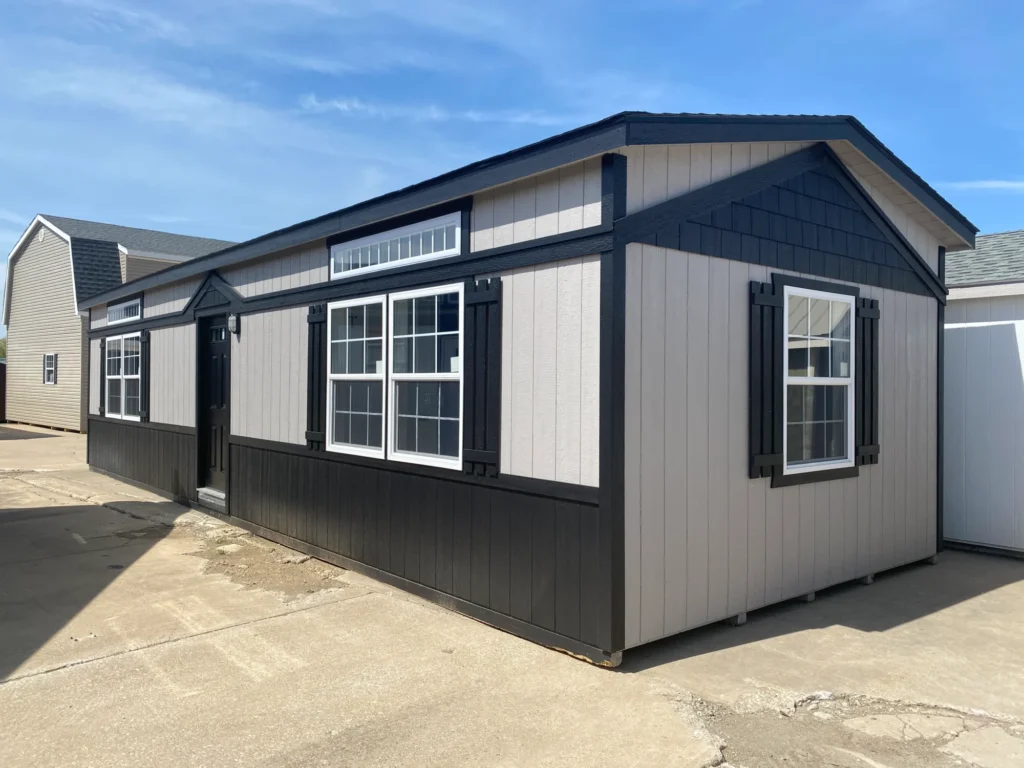
When selecting a roofing company, check online reviews, request references, and verify licensing and insurance. Be cautious of unusually low bids. They often signal poor-quality materials or cut corners. Property owners planning garages, cabins, workshops, or homes should work with builders who understand how roofing systems perform in Ohio’s climate. Ohio Cabin and Structures incorporates durable roofing solutions into many of its custom-built structures, helping customers balance performance, appearance, and long-term value.
Financing and Payment Options
Since roof replacement is a major cost, many Ohio homeowners seek financing options. Roofing companies may offer payment plans. You can also explore loans or home equity lines of credit (HELOCs) through banks or credit unions. Some energy-efficient upgrades may qualify for rebates or tax incentives. Check with your local government or utility provider for details.
Planning is critical. Budgeting for a roof before a failure lets you shop around, compare quotes, and make informed decisions instead of rushing during an emergency.
Conclusion
Understanding how much a new roof costs allows homeowners to budget more effectively and choose materials that fit their needs. While asphalt shingles remain the most affordable option, metal, slate, and other premium materials can provide additional durability and long-term value. Factors such as roof size, labor costs, structural repairs, and energy efficiency upgrades all influence the final price.
Investing in a quality roof protects your home, improves curb appeal, and can increase property value for years to come. Whether you’re replacing an existing roof or planning a new construction project, working with experienced professionals helps ensure the best possible results. For expert construction services and roofing that holds up to Ohio’s climate, Ohio Cabin And Structures offers reliable, high-quality solutions. Visit their website to explore custom-built cabins and complete construction options across the Midwest.