
Most modern homes have wall studs spaced 16 inches on center, but that standard is not universal. Older homes, custom-built structures, and certain framing methods may use different spacing, which can affect everything from hanging shelves to completing major renovations. Understanding how far apart wall studs are helps homeowners locate solid mounting points, plan remodeling projects more accurately, and avoid damaging hidden wiring or plumbing. Whether you’re installing cabinets, mounting a television, or working on a cabin improvement project, knowing how wall framing works provides valuable insight into the structure behind your walls and helps ensure better results from every project.
Standard Stud Spacing in Modern Construction
The most common answer to “how far apart are wall studs?” is 16 inches on center. This measurement means the center of one stud sits 16 inches away from the next. Builders use this spacing throughout the United States, including Ohio, because it balances strength and efficient use of materials.
In modern homes, 16-inch spacing works for both load-bearing and non-load-bearing walls. It supports drywall, insulation, and mounting needs effectively. In some cases, particularly in older homes or interior partitions, studs may be spaced 24 inches apart. This Old House confirms that both measurements are common, but 16 inches provides more strength.
While 16-inch spacing remains the industry standard, builders occasionally use 24-inch spacing to reduce material costs and increase energy efficiency by creating larger insulation cavities. However, wider spacing can reduce wall rigidity and make it harder to mount heavy items securely. Homeowners should always verify stud placement before beginning renovation projects because assumptions about spacing can lead to missed fasteners and damaged drywall.
Factors That Influence Stud Placement
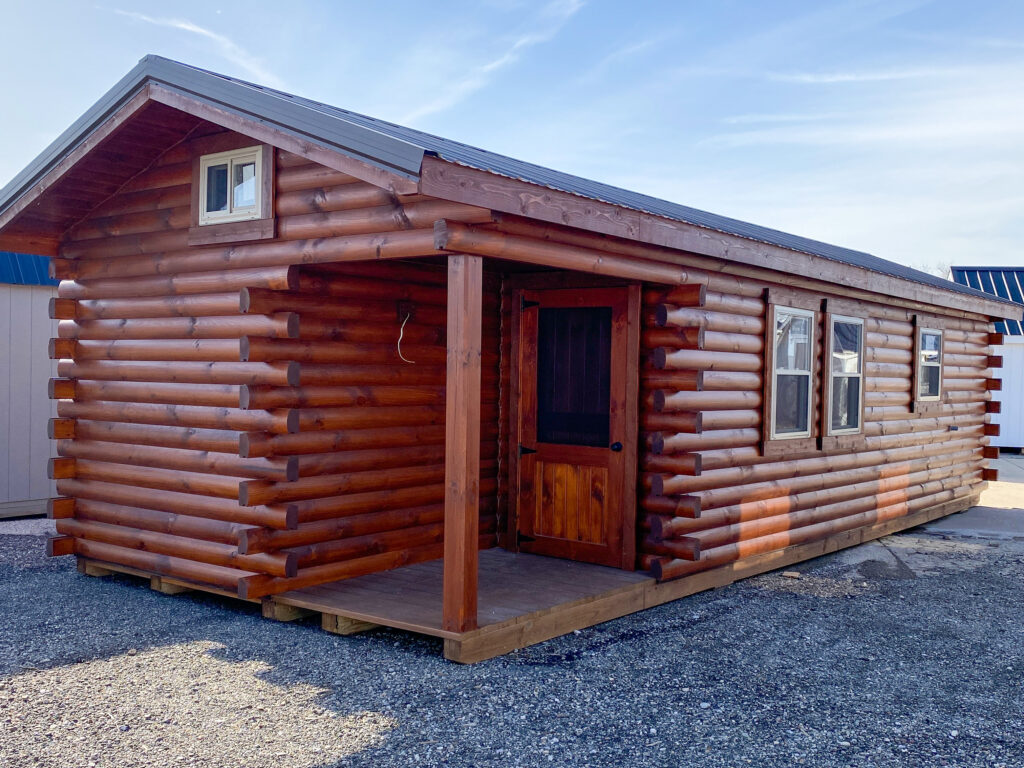
The National Association of Home Builders offers guidance on stud spacing variations in different framing systems. Their overview of standard framing practices can help clarify how and why deviations from 16 inches occur. While 16 inches is the standard, certain factors can change how far apart wall studs are. One factor is the type of construction. In log cabins or timber-frame homes throughout rural Ohio, different framing methods may call for non-standard spacing. These homes use thicker logs and alternative insulation that influence framing design.
Wall purpose also matters. Load-bearing walls need closer stud spacing for strength. In contrast, non-load-bearing walls can sometimes handle wider spacing. Most local codes follow the International Residential Code (IRC), used across Ohio and the Midwest.
How to Locate Wall Studs in Your Home
Knowing how far apart wall studs are won’t help unless you can locate them. Although 16 inches is standard, corners, windows, and doors often alter spacing. A stud finder is your best tool. It detects wall density changes and shows where studs start or center. If you don’t have a stud finder, try measuring from an outlet box. These boxes attach to a stud, so you can use them as a guide. Measure in 16-inch increments from there. You can also tap on the wall and listen for changes in sound, but this method requires practice.
Stud Spacing in Renovations and Older Homes
When asking how far apart wall studs are, consider the home’s age. Homes built before the 1950s, especially in Ohio towns like Marietta or Chagrin Falls, might not follow today’s standards. Studs may be irregularly spaced or use different lumber sizes, complicating renovation work. Before installing anything, cut a small hole to check stud placement. Confirming spacing before beginning work ensures your screws hit solid wood. This reduces the risk of failure and helps avoid electrical or plumbing lines that might be hidden behind the wall.
Older homes often present unexpected challenges because building standards were not always consistent. Renovators frequently encounter irregular stud placement, mixed lumber sizes, and framing repairs completed by previous owners. Taking time to inspect wall construction before beginning a project can prevent costly mistakes and help identify hidden structural issues that may need correction.
Relevance for Hanging Fixtures and Furniture
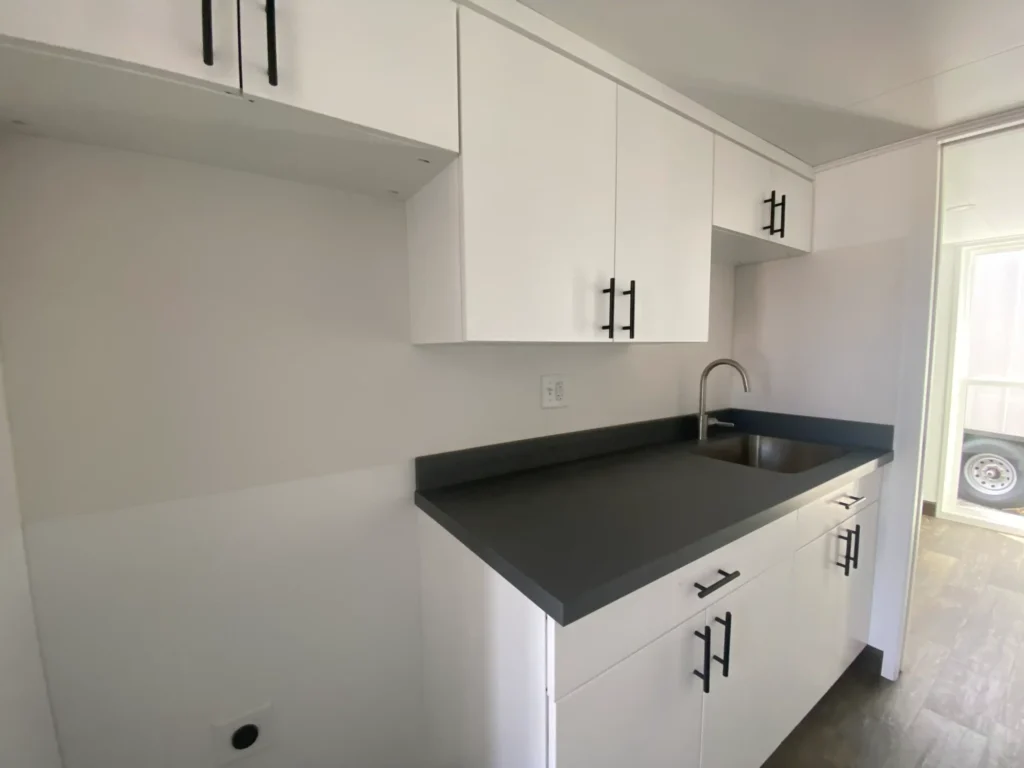
Knowing how far apart wall studs are can help you safely hang cabinets, shelves, or TVs. Fastening heavy items into studs offers more support than drywall anchors. In Northeast Ohio, where humidity affects wall materials, anchoring into studs offers greater long-term stability. Understanding that studs are spaced every 16 inches helps you plan layout. If an item doesn’t span two studs, mount it to a backer board that spans multiple studs. This method gives strong support and keeps your wall design consistent.
Structures such as the 16×24 2 Story Workshop demonstrate how proper framing and stud placement contribute to long-term structural stability. Strong framing allows walls to support shelving, storage systems, and workshop equipment more effectively.
Building Code and Structural Guidelines
Most Ohio homes follow the International Residential Code. This code requires stud spacing at either 16 or 24 inches on center. The choice depends on the wall’s load and height. These standards allow walls to handle structural stress and align with drywall sheet widths. For tall walls or those carrying heavy loads, codes may require extra support like blocking or double studs. To confirm requirements in your area, contact your local department, such as the Ohio Building Code Resources.
Larger structures require even greater attention to framing details. Buildings such as the 24×28 2 Story Big Boy rely on carefully planned wall systems to distribute loads safely throughout the structure. Proper stud spacing helps maintain durability and supports the overall integrity of the building.
Why Stud Spacing Matters For Remodeling Projects
Stud spacing plays a major role in the success of remodeling projects because it affects how new materials, fixtures, and structural changes are supported. Whether you're installing drywall, adding built-in shelving, mounting cabinets, or creating a new wall opening, understanding where studs are located helps ensure the project remains secure and code-compliant. Homeowners who assume stud placement without verifying it often encounter problems such as weak mounting points, damaged drywall, or unnecessary repair costs.
Stud spacing also influences insulation upgrades, electrical work, and plumbing modifications. Contractors rely on predictable framing layouts when running wires, installing outlets, or making changes behind finished walls. In older homes, where stud placement may be irregular, taking time to verify spacing before beginning renovations can prevent delays and unexpected complications. Understanding how far apart wall studs are gives homeowners and contractors a clearer picture of the wall structure, making remodeling projects safer, easier, and more efficient from start to finish.

Conclusion
So, how far apart are wall studs? In most modern homes, wall studs are spaced 16 inches on center, although older houses, custom structures, and certain framing methods may use different spacing. Understanding this standard helps homeowners locate studs more accurately, plan renovations with confidence, and safely install everything from shelving and cabinets to televisions and storage systems.
Whether you’re tackling a DIY project, remodeling an existing room, or evaluating a new building, knowing how wall framing works can save time, prevent mistakes, and improve long-term results. Ohio Cabin and Structures builds cabins, garages, workshops, and other structures with quality craftsmanship and dependable construction practices. To explore durable buildings designed for lasting performance, visit Ohio Cabin and Structures.