Log homes continue to attract buyers who value natural materials, durability, and timeless design, but cost remains one of the first questions people ask. Many buyers research how much are log home kits because kits appear to offer a more predictable and streamlined path to building a log home. While kits can simplify construction, the total cost depends on size, log type, craftsmanship level, and what is included. Understanding real pricing early helps buyers plan budgets realistically and avoid unexpected expenses.
At Ohio Cabin and Structures, we often speak with customers comparing log home kits to other housing options such as cabins, modular homes, and custom builds. Log kits appeal to buyers who want a balance between hands-on involvement and professional manufacturing. Knowing how pricing works allows buyers to choose kits that match both their budget and long-term goals.

What a Log Home Kit Includes
A log home kit typically includes the main structural components needed to assemble the shell of the home. This usually covers pre-cut logs, log walls, floor systems, roof framing, and detailed construction plans. Some kits also include fasteners, insulation materials, and interior framing components. Buyers asking how much are log home kits should understand that kits often do not include foundations, interior finishes, plumbing, electrical systems, or site work, which must be budgeted separately.
Average Cost Range of Log Home Kits
The price of a log home kit varies widely depending on size and material quality. Smaller log cabin kits may start around $50,000, while larger or more detailed kits can exceed $150,000 or more. Square footage plays a major role, as larger homes require more logs and structural components. Buyers researching how much are log home kits should view advertised prices as starting points rather than final totals.
How Log Type Affects Kit Pricing
The type of log used in a kit significantly affects overall cost. Common options include pine, cedar, and spruce, each with different price points and performance characteristics. Cedar often costs more due to its natural resistance to insects and moisture, while pine offers a more affordable option with proper treatment. Log diameter also matters, as thicker logs increase material costs but improve insulation and structural strength.
Handcrafted vs Milled Log Kits
Handcrafted log kits use individually shaped logs that maintain natural contours, creating a rustic appearance. These kits cost more due to skilled labor and longer production times. Milled log kits use machine-shaped logs with uniform dimensions, which reduces cost and speeds up construction. Buyers evaluating how much are log home kits often find milled kits more budget-friendly while still offering strong visual appeal.
Home Size and Floor Plan Complexity
Simple floor plans with fewer corners and rooflines cost less than complex designs with multiple levels or dormers. Larger homes increase log volume, roof materials, and labor requirements. Buyers can control costs by choosing efficient layouts that maximize space without unnecessary complexity. Floor plan decisions strongly influence final pricing.
Log Profile and Construction Style
Different log profiles such as full-round, half-log, or dovetail styles affect pricing and performance. Full-round logs provide a traditional look but require more material, while half-log systems reduce cost by using conventional framing behind the logs. Construction style influences both appearance and budget, making it an important decision for buyers.
Delivery and Transportation Costs
Transportation adds a meaningful amount to kit pricing. Distance from the manufacturer, log size, and delivery access all influence cost. Rural or mountainous sites may require specialized delivery equipment, increasing expenses. Buyers should always factor delivery into total cost estimates rather than focusing only on the kit price.
Labor and Assembly Costs
Labor represents one of the largest additional expenses beyond the kit itself. Some buyers assemble log home kits themselves to save money, but many hire professional builders to ensure proper construction. Labor costs depend on home size, complexity, and regional rates. Handcrafted kits typically require more skilled labor than milled systems, which increases total cost. Buyers researching how much are log home kits should understand that professional assembly can add tens of thousands of dollars to the final price but often improves build quality and long-term performance.
Foundation and Site Preparation Expenses
Every log home kit requires a solid foundation, which adds significant cost beyond the kit price. Foundations may include concrete slabs, crawl spaces, or full basements depending on design and terrain. Site preparation also includes clearing land, grading, excavation, and drainage planning. Soil conditions and access affect pricing, especially in rural or wooded areas. Buyers often underestimate site preparation costs, yet these expenses are essential for structural stability and longevity.
Roofing, Windows, and Exterior Finishes
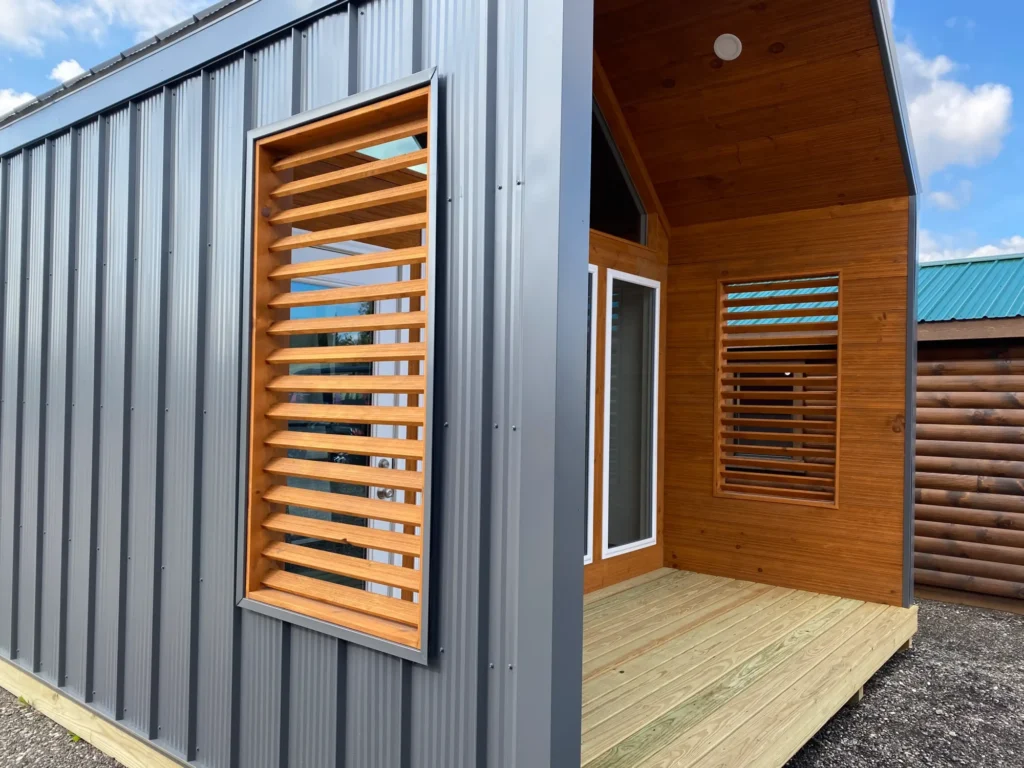
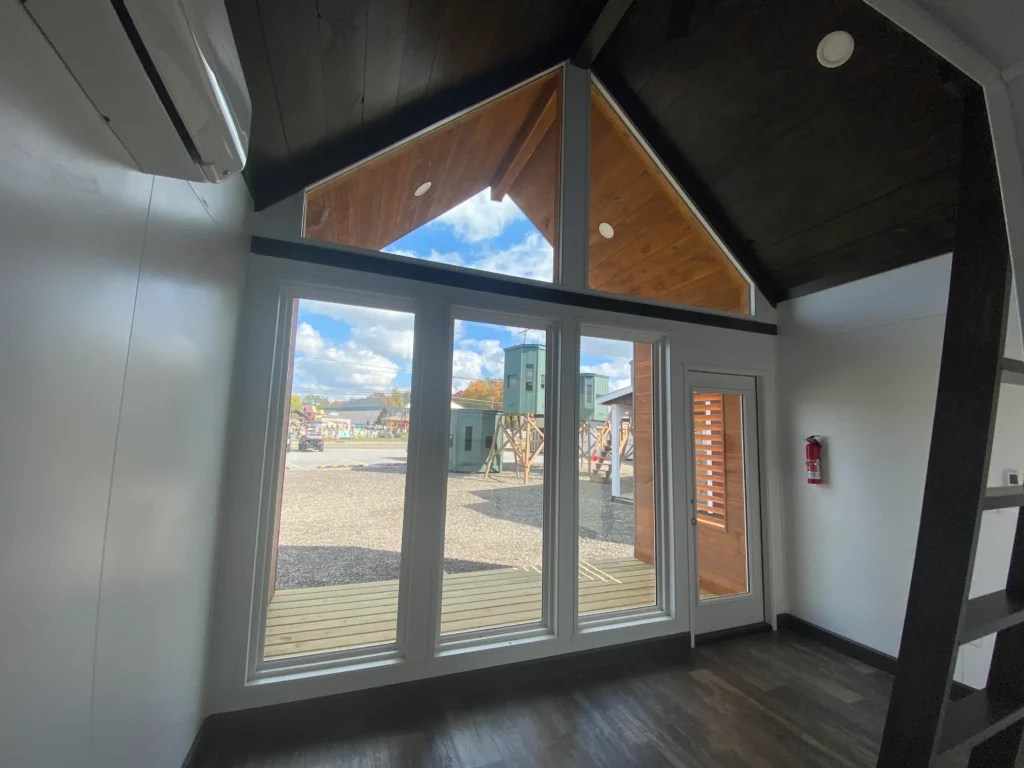
Most log home kits include roof framing but not finished roofing materials, windows, or exterior doors. Roofing costs vary based on material choice, slope, and square footage. Windows and doors designed for log homes often cost more due to size and energy performance requirements. Exterior finishes such as sealants and stains protect logs from moisture and sunlight, adding both upfront and ongoing costs that buyers must include in their budgets.
Interior Build-Out and Utilities
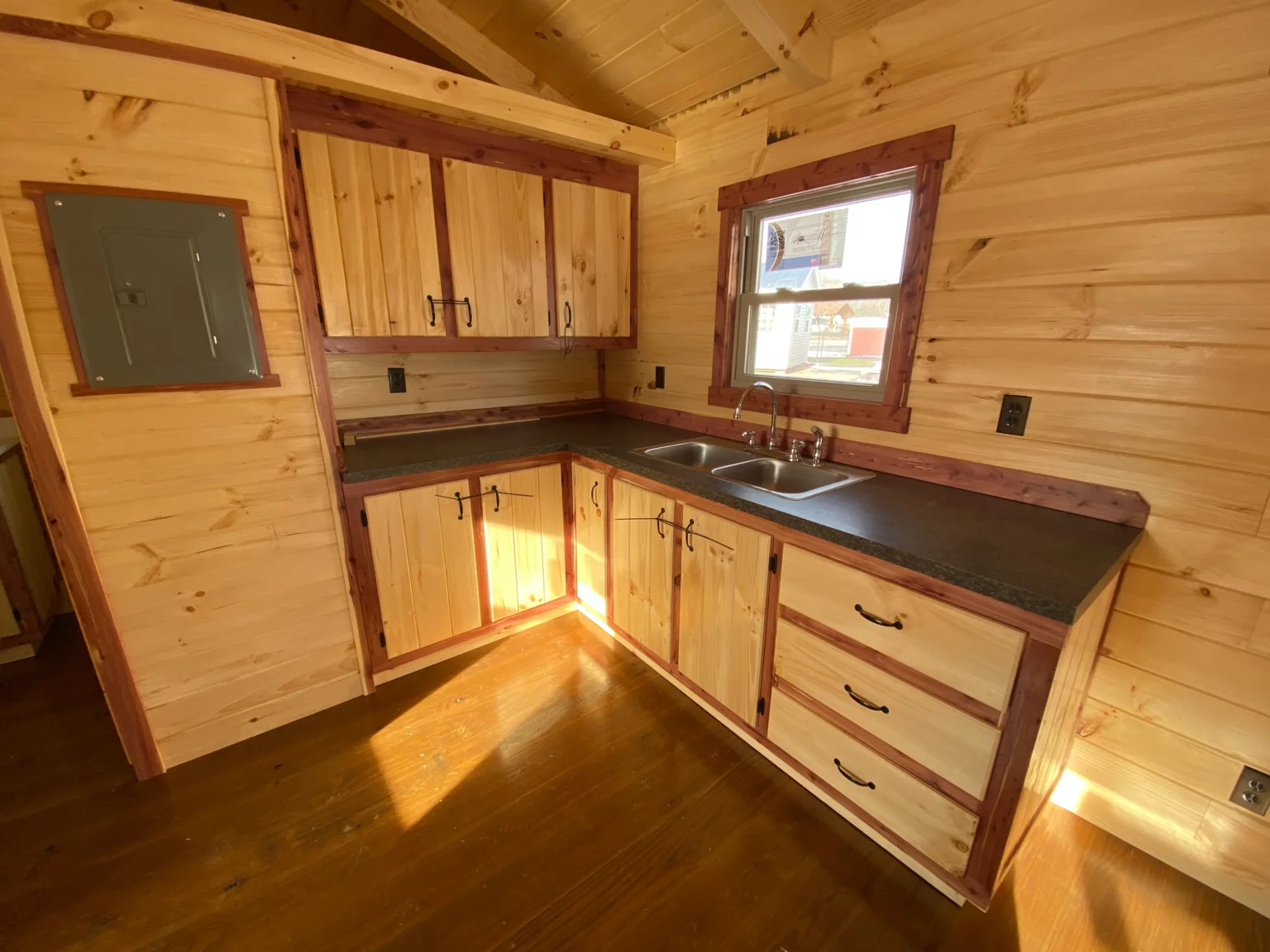
Interior work represents a major portion of total project cost. Plumbing, electrical systems, HVAC, insulation, drywall, flooring, cabinetry, and fixtures all fall outside most kits. Log homes often require specialized electrical and plumbing routing due to wall construction. Buyers calculating how much are log home kits should include interior build-out costs early, as these expenses frequently exceed the cost of the kit itself.
Permits, Inspections, and Local Fees
Permits and inspections ensure the home meets local building codes and zoning requirements. Fees vary by location and may include building permits, septic approvals, well permits, and occupancy inspections. Some areas require additional engineering reviews for log structures. Failing to account for these costs can delay construction and increase expenses unexpectedly.
Maintenance and Long-Term Ownership Costs
Log homes require ongoing maintenance to protect the wood from moisture, insects, and UV exposure. Regular staining, sealing, and inspections help preserve structural integrity and appearance. While maintenance adds long-term cost, it also extends the life of the home significantly. Buyers should factor these recurring expenses into their overall ownership budget.
Energy Performance and Insulation Value
Log homes rely on both insulation and thermal mass for energy efficiency. Thick logs store heat and release it slowly, which can stabilize indoor temperatures when paired with proper sealing. Understanding thermal mass performance helps buyers evaluate long-term energy costs and comfort levels in log construction.
Comparing Log Home Kits to Other Housing Options
Log home kits differ from cabins, modular homes, and traditional builds in both cost structure and construction approach. Kits offer predictable material pricing but require coordination of labor, site work, and finishing. Buyers exploring different styles can review available options through Ohio Cabin and Structures cabins to better understand how log kits compare in price and complexity.
Who Log Home Kits Make Sense For
Log home kits work well for buyers who want control over design while benefiting from pre-cut materials and detailed plans. They appeal to landowners, rural builders, and those seeking a hands-on role in construction. Understanding how much are log home kits helps buyers decide whether this approach aligns with budget, timeline, and skill level.
Final Thoughts on How Much Are Log Home Kits
Determining how much are log home kits requires looking beyond the kit price to include labor, site work, interior finishes, and long-term maintenance. When buyers evaluate the full cost picture, log home kits can offer lasting beauty and durability. If you want guidance comparing log kits or planning a log home project, you can reach out through the Ohio Cabin and Structures contact page for expert support tailored to your goals.