
A hunting blind is a structure designed to conceal hunters from wildlife while providing a safe and controlled environment for observation and shooting. Many people search for what is a hunting blind because it plays a critical role in modern hunting by reducing visible movement, limiting scent exposure, and protecting hunters from weather conditions. Unlike natural cover such as trees or brush, a blind creates a defined space that allows hunters to remain still and focused for extended periods. When used correctly, a hunting blind increases patience, comfort, and overall success in the field.
Landowners who invest in outdoor structures often approach hunting blinds with the same mindset used for cabins or utility buildings. At Ohio Cabin and Structures, long-term durability and thoughtful design matter, and those same principles help hunters understand what is a hunting blind beyond a simple shelter. A well-designed blind becomes a dependable part of the hunting property rather than a temporary solution.

What Is a Hunting Blind Used For
The primary purpose of a hunting blind is to hide the hunter’s presence while maintaining a clear view of the surrounding area. When learning what is a hunting blind, it helps to understand that animals notice movement far more easily than shapes. A blind blocks sudden motion, reduces noise, and helps control scent dispersion. This allows hunters to remain in position longer without alerting game. Blinds also create safer shooting environments by establishing predictable shooting angles and stable footing.
How Hunting Blinds Improve Concealment
Concealment stands at the core of what is a hunting blind and why it works so effectively. The structure hides human outlines, masks small movements, and blends into the environment when properly designed. Natural camouflage materials, earth-toned finishes, and strategic placement reduce visual contrast. By limiting exposure, the blind helps animals behave naturally instead of reacting to perceived threats.
Types of Hunting Blinds
Hunting blinds come in several forms, each suited to different terrain and hunting styles. Ground blinds sit at ground level and rely on surrounding vegetation for concealment. Elevated blinds raise the hunter above ground, improving visibility and scent control in open areas. Portable blinds offer flexibility, while permanent blinds provide durability and comfort. Understanding what is a hunting blind includes knowing which type fits specific land conditions and hunting goals.

Ground Blinds Explained
Ground blinds rest directly on the surface and work well in wooded areas, brush lines, or uneven terrain. They offer easy access and lower construction requirements while still providing effective concealment. Ground blinds rely heavily on camouflage and placement to remain unnoticed. Hunters who prefer minimal elevation often choose ground blinds for their simplicity and adaptability.
Elevated Hunting Blinds Explained
Elevated blinds position hunters above ground level, which improves sightlines and helps manage scent travel. These blinds work well near food plots, fields, or open terrain. Elevation also creates clearer shooting angles and reduces interference from vegetation. When people ask what is a hunting blind, elevated blinds often represent the classic image of a permanent, enclosed structure designed for long-term use.
Portable vs Permanent Hunting Blinds
Portable blinds offer flexibility and convenience for hunters who move locations frequently or hunt different properties. Permanent blinds require more planning and construction but provide better comfort, durability, and reliability. Permanent blinds often include solid framing, weather protection, and noise reduction features. Choosing between these options depends on how often the blind will be used and how long it needs to last.

Materials Commonly Used in Hunting Blinds
Materials play a major role in defining what is a hunting blind and how it performs. Common materials include treated lumber, plywood, fabric panels, and metal roofing. Durable materials resist weather damage and reduce maintenance. Many builders apply construction principles similar to permanent structures, including framing methods described in how modular homes are built, where strength and efficiency guide design decisions.
Comfort and Weather Protection
Comfort often determines how long a hunter can remain in position. Hunting blinds protect against wind, rain, snow, and extreme temperatures. Enclosed blinds reduce fatigue and distraction, allowing hunters to focus on observation rather than discomfort. Understanding what is a hunting blind includes recognizing its role in extending hunt duration without sacrificing alertness.
How Hunting Blinds Improve Safety
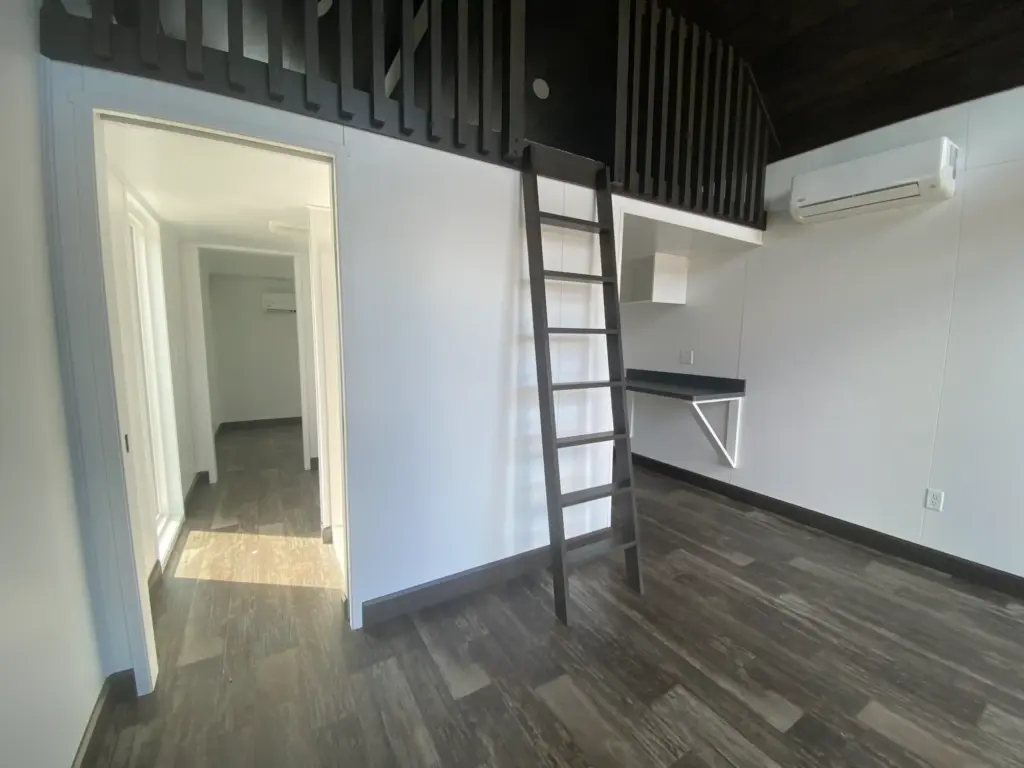
Safety represents a major reason hunters use blinds, especially when hunting with firearms or from elevated positions. A hunting blind creates a controlled shooting environment by defining clear shooting lanes and limiting unsafe angles. Stable flooring and seated shooting positions reduce the risk of slips or rushed movements. When people ask what is a hunting blind, they often overlook the safety benefits, yet these structures help prevent accidents by encouraging deliberate, well-supported shots and consistent body positioning.
Why Placement Matters for Effectiveness
Placement determines whether a hunting blind enhances success or becomes an unused structure. Hunters must consider animal travel patterns, feeding behavior, wind direction, and sun position when deciding where to place a blind. Poor placement can expose movement, carry scent toward game, or limit visibility. Understanding what is a hunting blind includes recognizing that even a well-built blind fails if placed without careful observation of the surrounding environment.
The Role of Scent Control in Hunting Blinds
Scent control plays a major role in how hunting blinds function. Enclosed blinds help contain human scent and slow its spread, especially when paired with proper ventilation. Elevated blinds further reduce scent detection by lifting odor above common travel paths. Hunters who understand what is a hunting blind recognize that scent management works alongside concealment to keep animals calm and unaware of human presence.
Hunting Blinds and Long-Term Land Use
On managed hunting land, blinds become part of a long-term strategy rather than temporary tools. Permanent blinds allow consistent observation of animal behavior and improve property management decisions. Landowners often align blind placement with food plots, trails, and seasonal movement. This long-term perspective reflects a deeper understanding of what is a hunting blind and how it supports sustainable hunting practices.
Legal and Ethical Considerations
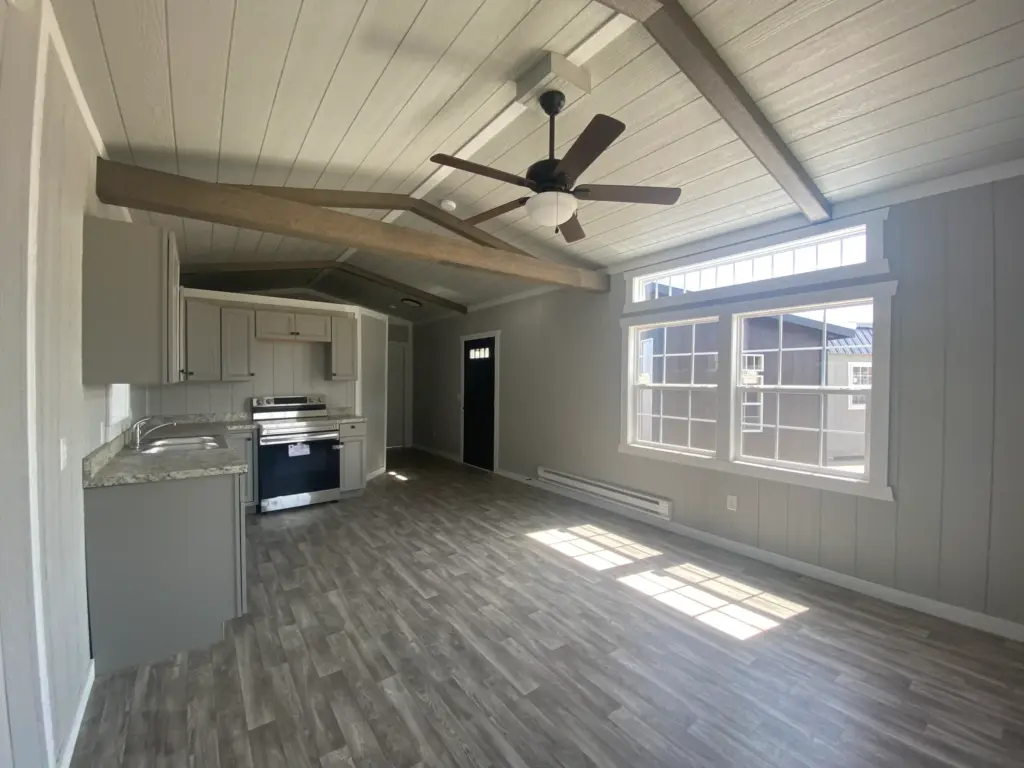
Local laws and hunting regulations may affect blind construction and placement, especially on public land. Some regions restrict permanent structures or require permits. Ethical hunting practices also encourage fair chase and responsible use of blinds. Hunters should verify regulations before building and ensure blind use aligns with legal and ethical standards, which remains an important part of understanding what is a hunting blind in practice.
Common Misunderstandings About Hunting Blinds
Many people assume hunting blinds guarantee success, but blinds only improve conditions rather than replace skill and patience. A blind does not compensate for poor placement or lack of awareness. Understanding what is a hunting blind means viewing it as a tool that supports good hunting decisions rather than a shortcut. Hunters who rely solely on the structure without adapting to conditions often see limited results.
Why Hunters Continue to Use Blinds
Hunters continue using blinds because they improve comfort, consistency, and control in unpredictable outdoor environments. Blinds reduce fatigue, protect from weather, and allow longer observation periods. These advantages explain why interest in what is a hunting blind continues to grow among new and experienced hunters alike. Blinds support patience, which often proves critical during successful hunts.
Modern Insights on Hunting Blind Design
Modern hunting blind design reflects lessons learned through decades of field experience. Durable materials, quiet interiors, and realistic camouflage now define effective blinds. Guidance shared by experienced outdoor professionals at Outdoor Life reinforces the importance of realism, placement, and practicality rather than overcomplicated designs.
Final Thoughts on What Is a Hunting Blind
Understanding what is a hunting blind means recognizing its role as a concealment tool, safety feature, and comfort solution all in one. A well-placed and properly designed blind supports ethical hunting, improves success rates, and enhances the overall experience. Hunters who approach blinds as long-term structures gain reliability across seasons. If you want guidance on durable outdoor structures designed for long-term use, you can reach out through the Ohio Cabin and Structures contact page to explore solutions built with real-world conditions in mind.