
Building a hunting blind gives hunters a controlled and concealed space that improves patience, comfort, and overall success in the field. Many hunters search for how to build a hunting blind because a properly constructed blind reduces visible movement, blocks wind, limits scent travel, and allows longer sits without alerting game. A thoughtfully built blind also protects hunters from harsh weather, keeps equipment dry, and creates a safer shooting environment. When hunters treat a blind as a long-term structure instead of a temporary shelter, they gain reliability season after season and avoid rebuilding every year.
Landowners who invest time into outdoor structures often rely on the same planning principles used in permanent buildings. At Ohio Cabin and Structures, durability, placement, and long-term use matter in every project, and those same principles apply directly to how to build a hunting blind that performs well in real hunting conditions. Strong materials, thoughtful layout, and proper placement all determine whether a blind becomes an asset or a frustration over time.

Understanding the Purpose of a Hunting Blind
The true purpose of a hunting blind goes far beyond simple concealment. A blind controls movement, visibility, sound, and exposure while allowing hunters to observe wildlife calmly and safely. Anyone learning how to build a hunting blind should understand that the structure creates consistency rather than just cover. Defined shooting windows, stable seating, and predictable sightlines reduce sudden movement that spooks game. A well-designed blind also improves safety by establishing clear shooting directions and minimizing awkward body positioning during critical moments.
Choosing the Best Location for a Blind
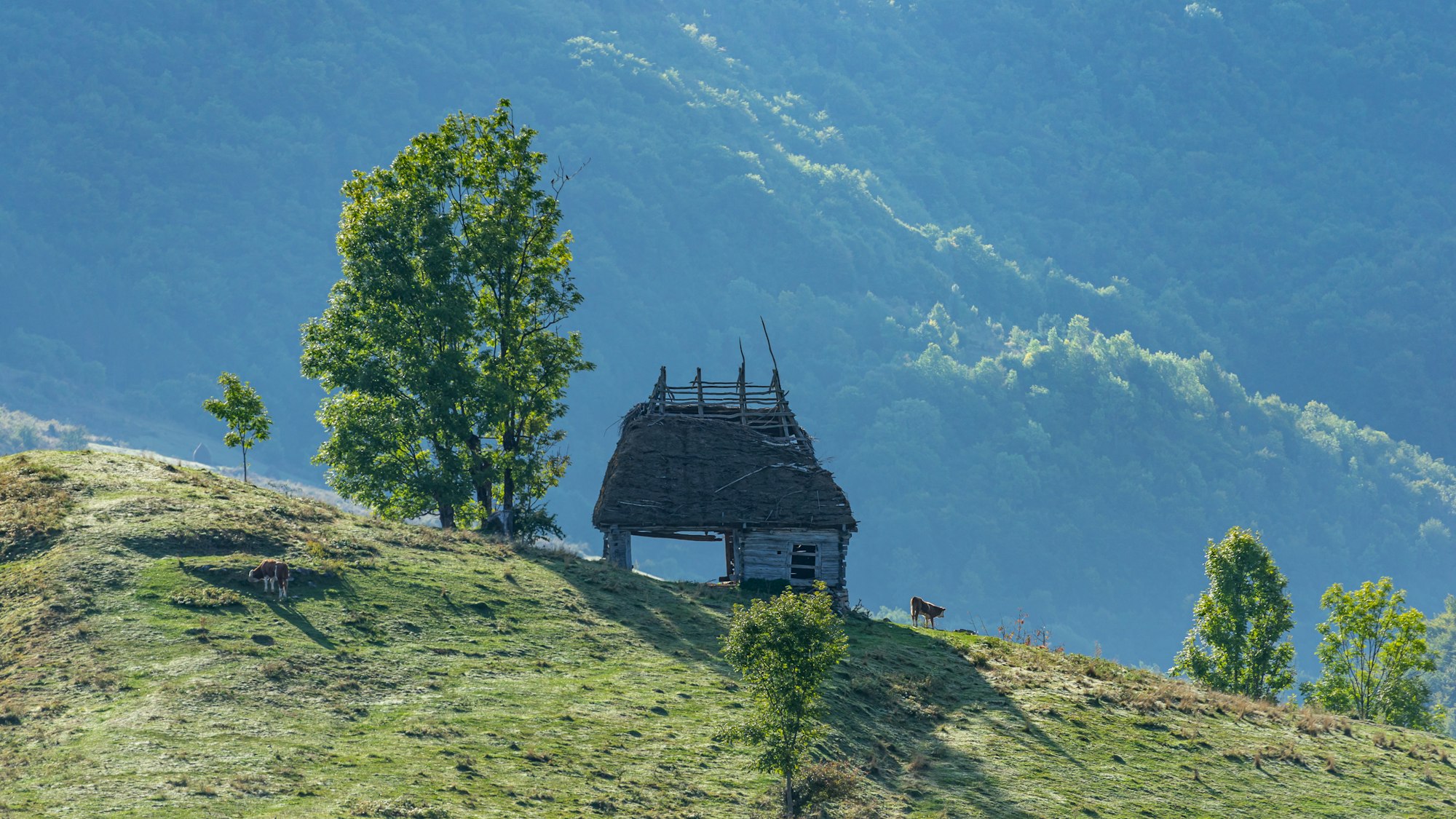
Location determines whether a hunting blind succeeds regardless of how well it is built. When planning how to build a hunting blind, hunters must study animal travel routes, feeding patterns, and natural terrain features. Wind direction plays a major role, as poor placement can carry human scent directly toward game. Sun position also matters because glare inside the blind or backlighting can expose movement. Natural cover such as tree lines, brush edges, or elevation changes helps the blind blend into the environment rather than standing out.
Deciding Between Ground and Elevated Blinds
Choosing between a ground blind and an elevated blind affects visibility, scent control, safety, and construction complexity. Ground blinds work well in wooded or uneven terrain where elevation provides little advantage and concealment comes naturally. Elevated blinds improve sightlines and help control scent in open fields or food plots. Hunters researching how to build a hunting blind should consider terrain, target species, and shooting angles before deciding. Elevation increases effectiveness in many situations, but it also requires stronger framing and added safety planning.
Planning Size, Layout, and Interior Space
Proper size and layout planning prevents discomfort and unnecessary movement inside the blind. A blind that feels cramped forces hunters to shift positions, while an oversized blind becomes harder to conceal and more expensive to build. When learning how to build a hunting blind, interior layout should allow seated shooting positions, quiet movement, and safe weapon handling. Space for gear storage keeps the floor clear and reduces noise. Window placement should align with expected shooting angles before construction begins to avoid costly changes later.
Selecting Materials for Strength and Longevity
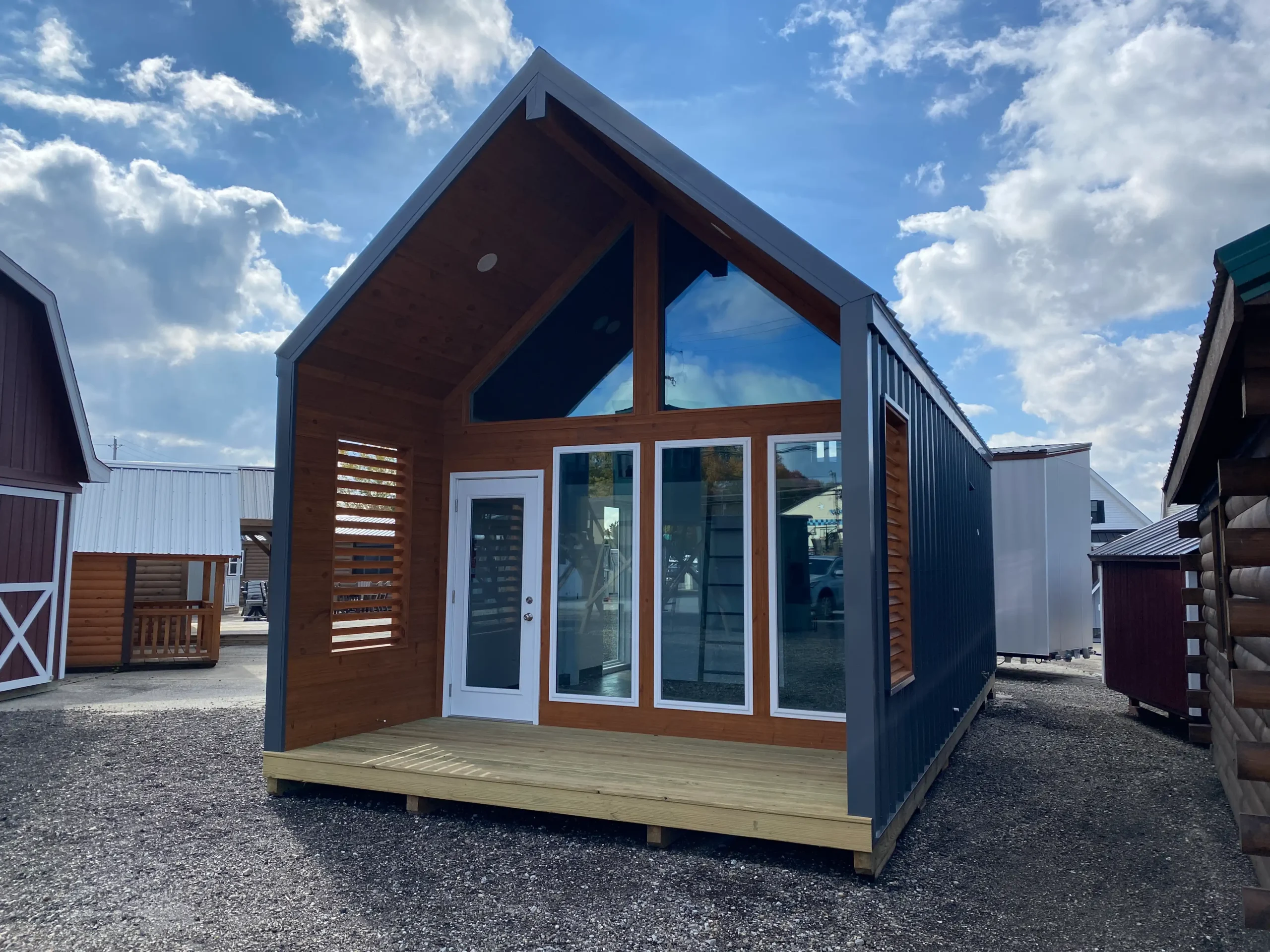
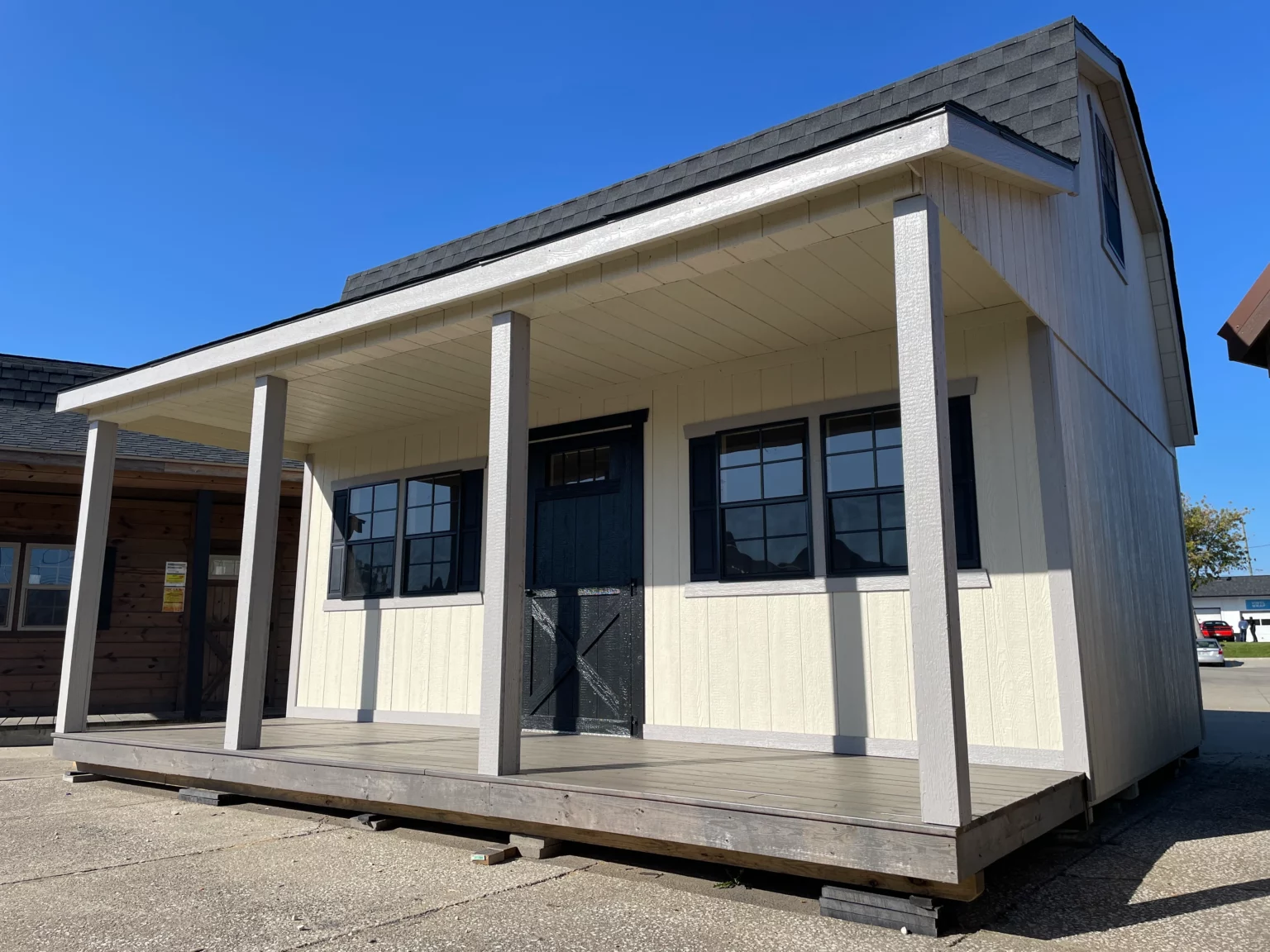
Material selection directly affects how long a hunting blind lasts and how quietly it performs in the field. Treated lumber resists rot and insect damage, while exterior-grade plywood holds up better against moisture and temperature changes. Roofing materials should shed water efficiently and withstand wind and snow loads. Interior surfaces benefit from softer materials that reduce noise from movement. Builders who want long-term durability often follow framing principles used in permanent structures, many of which are explained in how modular homes are built.
Building a Stable Foundation and Frame
A stable foundation supports the entire structure and prevents shifting, tilting, or long-term failure. Ground blinds require leveled soil or compacted gravel to prevent settling, while elevated blinds need posts set deep and secured properly. The frame must support wall weight, roof load, and movement without creaking or flexing. Hunters learning how to build a hunting blind often underestimate the importance of square framing and tight joints, which directly affect safety, noise control, and longevity.
Designing Walls, Windows, and Roofs
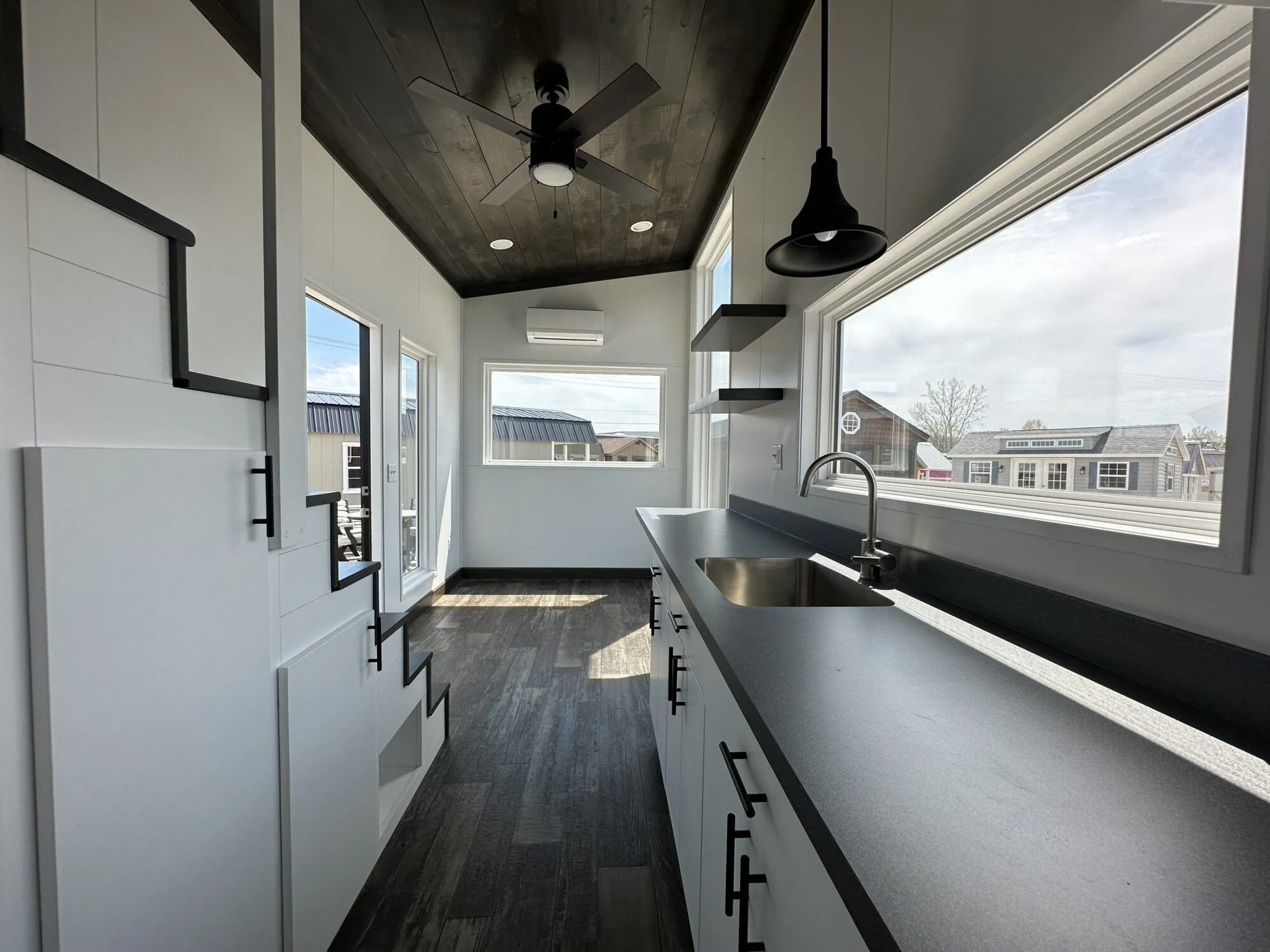
Walls, windows, and the roof determine how functional and comfortable a hunting blind feels during long sits. Walls should block unnecessary movement while still allowing enough interior light to avoid feeling enclosed. Window openings need careful planning so hunters can shoot comfortably from a seated position without excessive movement. Adjustable window covers provide flexibility for different weapon types and changing conditions. Roof design matters just as much, since a proper slope prevents water pooling and interior leaks. Hunters learning how to build a hunting blind should test sightlines before final installation to ensure smooth, quiet shooting opportunities.
Camouflage, Insulation, and Noise Control
Camouflage helps the blind blend into its surroundings by matching natural colors, textures, and shapes found nearby. Flat, earth-toned finishes reduce glare and prevent reflections that catch an animal’s attention. Insulation improves comfort in colder conditions and plays a major role in noise control by absorbing sound from movement. Quiet interiors allow hunters to reposition slowly without alerting game. Practical advice on concealment and blind effectiveness follows the same principles often shared by experienced hunters at Outdoor Life, where field-tested techniques emphasize realism and durability.
Ventilation and Interior Comfort
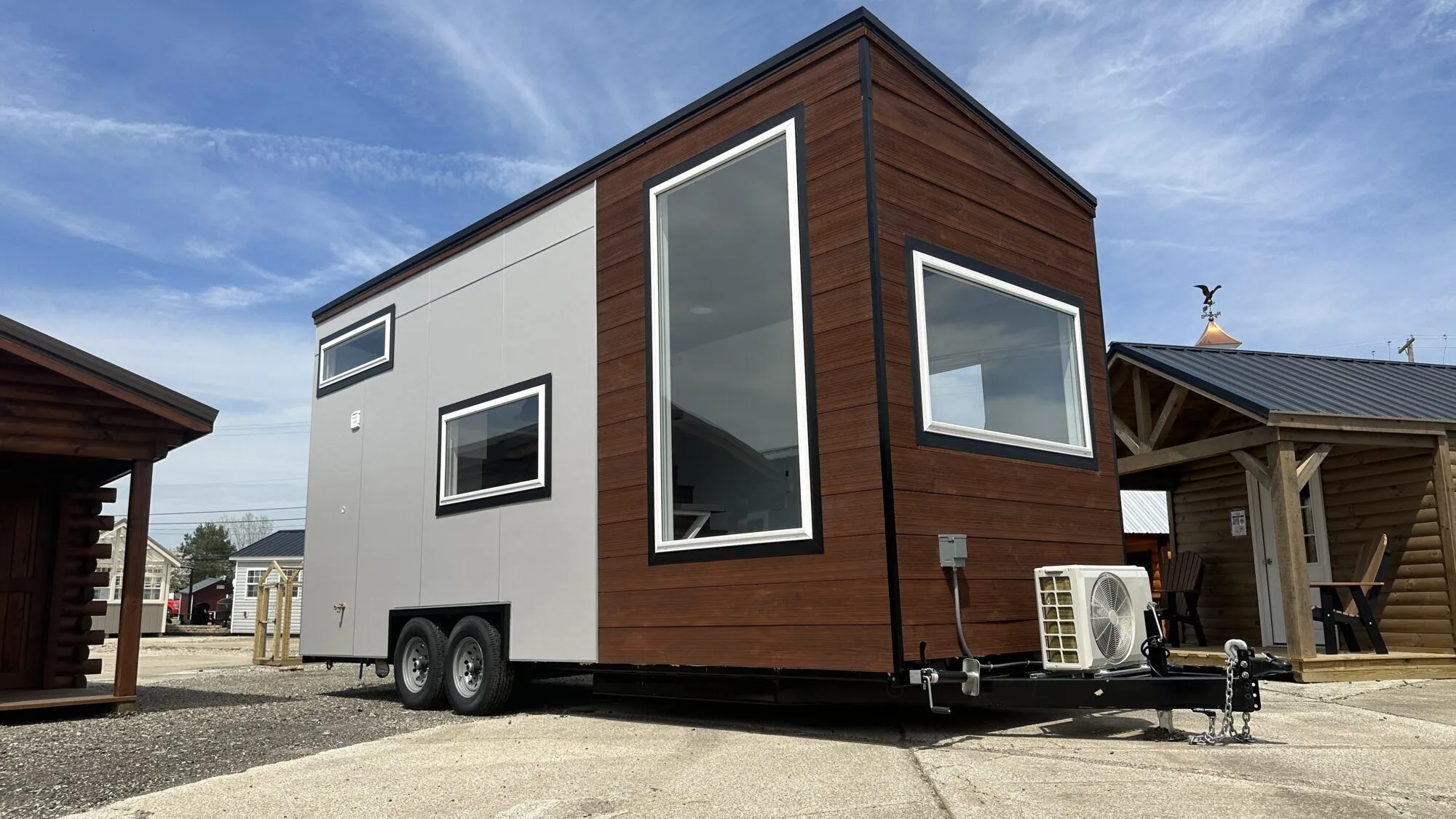
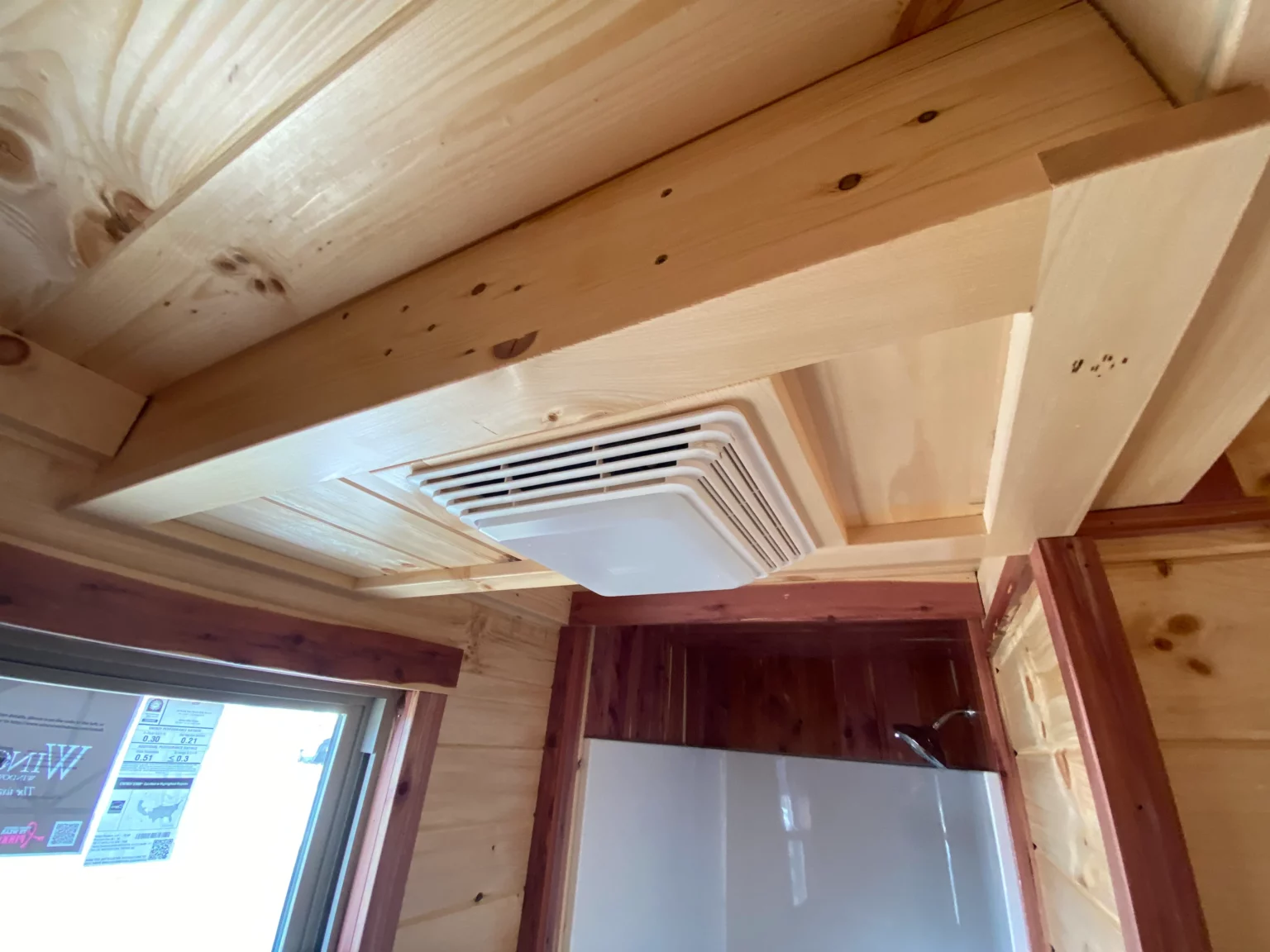
Ventilation keeps air fresh inside the blind and helps manage scent buildup during extended hunts. Small vents near the roofline allow air circulation without increasing visibility. Proper airflow also reduces condensation that can lead to damp interiors and discomfort. Interior comfort improves focus and patience, especially during cold or wet weather. When hunters focus on how to build a hunting blind that balances warmth and ventilation, they create a space that supports longer and more productive hunts.
Safety Considerations for Elevated Blinds
Safety becomes especially important when building elevated hunting blinds. Secure ladders, stable platforms, and solid railings reduce the risk of falls. Weight limits must account for hunters, gear, and seasonal snow loads. Hunters should always test stability before use and avoid shortcuts during construction. Learning how to build a hunting blind responsibly means prioritizing safety at every stage rather than addressing problems after an accident occurs.
Seasonal Maintenance and Longevity
Regular maintenance extends the life of a hunting blind and keeps it safe for repeated use. Hunters should inspect fasteners, flooring, and roofing before each season to catch issues early. Addressing small repairs prevents larger structural problems later. Weather exposure affects even well-built blinds over time, so resealing wood and checking for rot improves durability. A blind built with maintenance in mind performs better year after year.
Legal and Land Use Considerations
Local regulations may affect where and how hunting blinds can be built. Some areas restrict permanent structures or require permits, especially on public land. Hunters should confirm rules before construction to avoid fines or forced removal. Understanding legal requirements is part of learning how to build a hunting blind that remains usable long term without unexpected complications.
Why Long-Term Planning Matters
Hunters who approach blind construction with long-term planning create better results than those who rush temporary builds. Durable materials, thoughtful placement, and proper construction techniques reduce the need for frequent repairs or rebuilds. Long-term planning also improves comfort and consistency across hunting seasons. When hunters focus on how to build a hunting blind that lasts, they gain reliability and confidence in the field.
Final Thoughts on How to Build a Hunting Blind
Learning how to build a hunting blind properly improves concealment, comfort, and safety while increasing hunting success. A well-planned blind supports longer sits, quieter movement, and better shooting opportunities across changing conditions. Hunters who treat the blind as a permanent outdoor structure benefit from durability and performance year after year. If you want guidance on building outdoor structures designed for long-term use, you can reach out through the Ohio Cabin and Structures contact page to explore durable building solutions grounded in real-world experience.