
Storage units provide a practical option when homes, businesses, or properties run out of space. People often rent storage units during moves, renovations, downsizing, or seasonal changes when belongings need a temporary place. Before committing to a rental, it helps to understand how much storage units cost and which factors affect pricing over time, especially when storage needs last longer than expected.
At Ohio Cabin and Structures, many customers compare the ongoing cost of storage units with building permanent storage on their own land. Understanding storage pricing makes it easier to decide whether renting space or investing in a long-term structure offers better value and convenience.
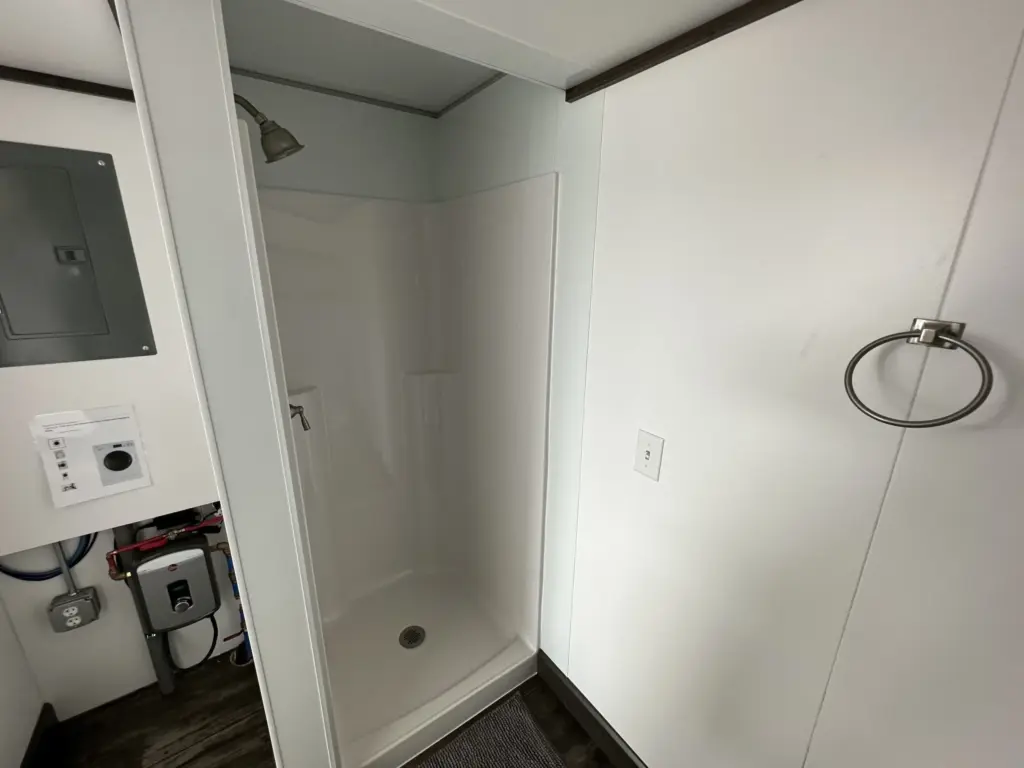
Average Cost of Storage Units
The average storage unit in the United States costs between $60 and $180 per month depending on size, location, and features. Smaller units usually fall at the lower end of this range, while larger units and climate-controlled spaces increase monthly costs. Regional demand and facility availability also influence pricing, which means rates can vary widely even within the same state.
Storage Unit Sizes and Pricing
Storage unit prices increase as size increases. A 5×5 unit, which works well for boxes or small furniture, often costs between $40 and $70 per month. A 5×10 unit can range from $60 to $100 and typically holds the contents of a small bedroom. Larger units such as 10×10 or 10×20 spaces may cost $90 to $300 or more depending on location and amenities.
Indoor vs Outdoor Storage Units
Indoor storage units usually cost more because they sit inside larger buildings and provide better protection from temperature changes and weather exposure. These units suit items like furniture, electronics, and documents that benefit from stable conditions. Outdoor drive-up units cost less and allow vehicles to park directly at the door, making them easier to load and unload for tools, equipment, and boxed goods.
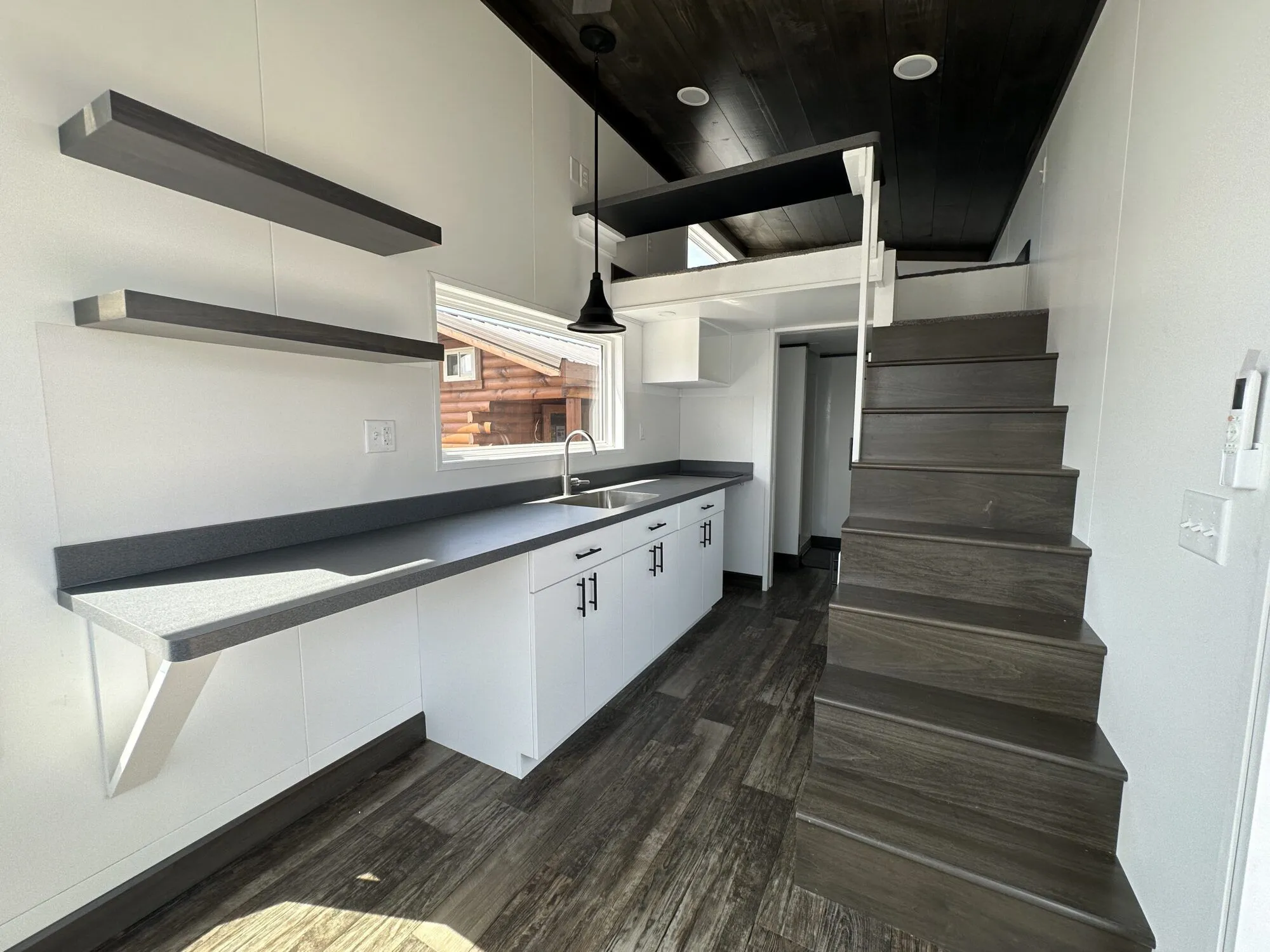
Climate-Controlled Storage Costs
Climate-controlled storage units maintain steady temperature and humidity levels throughout the year, which helps protect items from moisture damage, warping, and mold. Because of these added protections, climate-controlled units typically cost 20 to 50 percent more than standard storage. Many renters choose this option when storing sensitive or high-value items for extended periods.
Location and Seasonal Demand
Storage unit pricing depends heavily on location and seasonal demand. Facilities near cities, highways, or residential developments often charge higher rates due to limited space and strong demand. Prices also rise during peak moving seasons in spring and summer, while fall and winter often bring lower rates and better availability.
Short-Term vs Long-Term Storage Costs
Short-term storage usually costs more per month because facilities prioritize flexibility and availability. Many renters begin with short-term plans but extend their rental longer than expected. Over time, these monthly payments add up, making long-term storage significantly more expensive than it first appears.
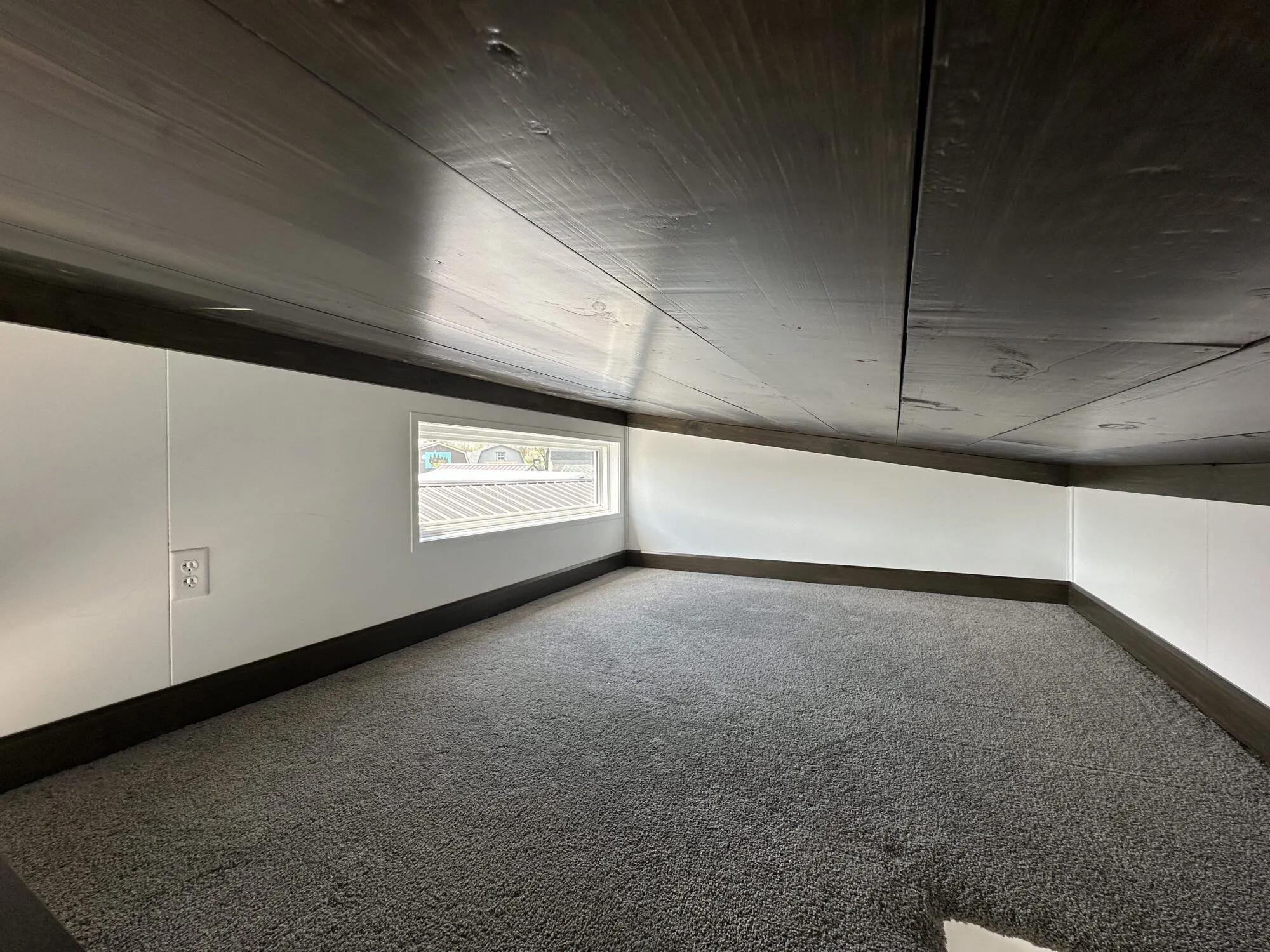
Additional Fees and Insurance Costs
Beyond the monthly rental rate, storage facilities often charge additional fees such as administrative costs, lock purchases, and insurance requirements. Insurance typically costs between $10 and $30 per month depending on coverage limits. Over time, these extra charges increase the total cost of storage more than many renters anticipate.
Comparing Storage Units to Permanent Storage
Renting a storage unit may seem affordable at first, but long-term costs add up quickly. A unit costing $150 per month totals $1,800 per year and $9,000 over five years with no lasting asset. Many homeowners compare this expense to building permanent storage such as sheds or cabins, especially when storage needs remain consistent year after year.
On-Property Storage Alternatives
Permanent storage structures provide long-term value, immediate access, and full control over stored items. Tiny homes and accessory buildings often include built-in storage that removes the need for off-site rentals altogether. You can explore property-based storage solutions at Ohio Cabin and Structures tiny homes, which offer flexible designs that support both living and storage needs.
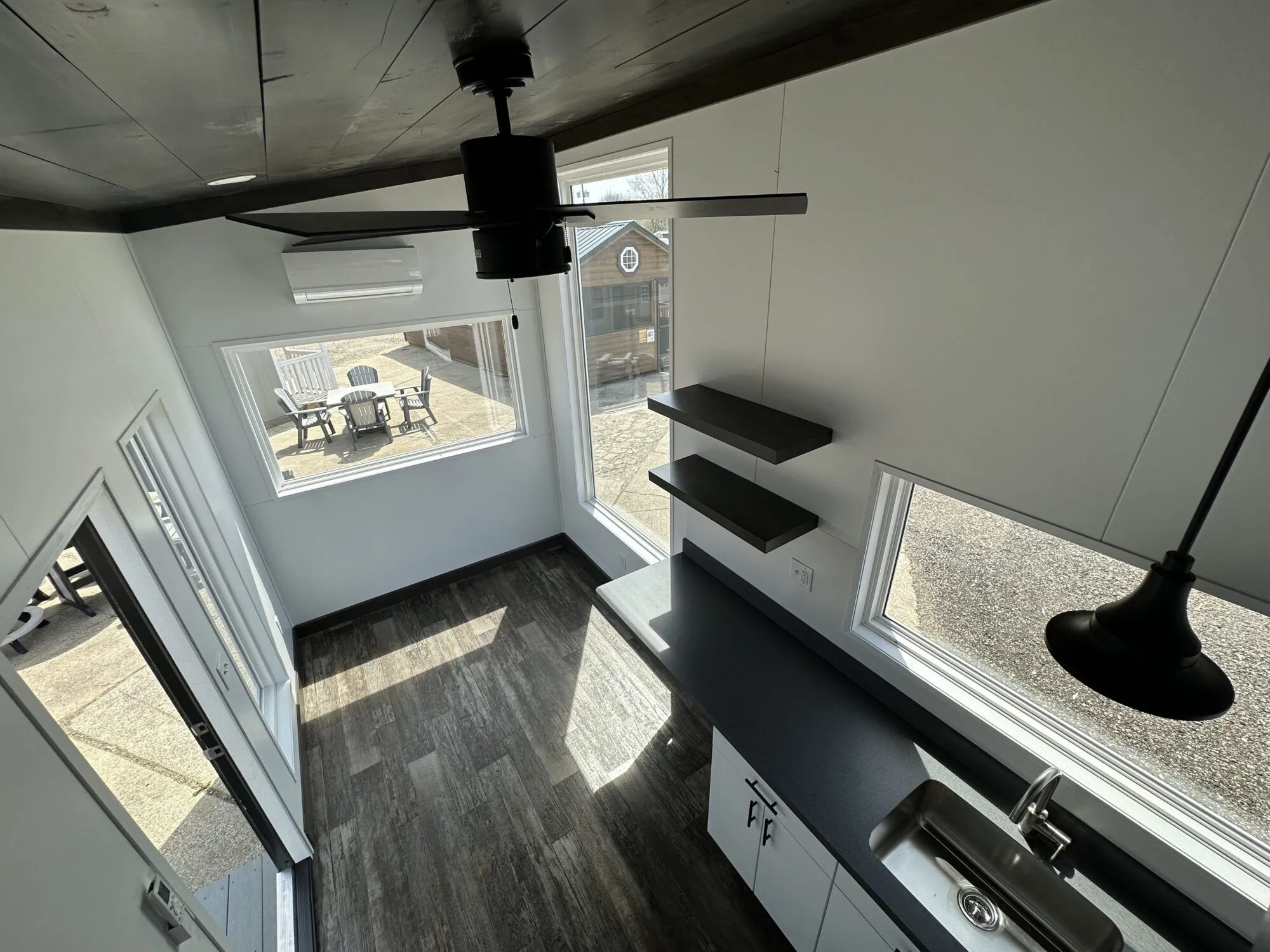
Business and Vehicle Storage Costs
Businesses often use storage units for inventory, tools, and equipment, which increases monthly expenses due to larger space requirements. Commercial units frequently cost between $200 and $500 per month. Vehicle storage for cars, boats, or recreational vehicles also costs more, especially when enclosed units provide weather protection.
When Permanent Storage Makes Sense
When storage needs extend beyond a year, permanent solutions often cost less over time and offer better usability. Building a shed or cabin removes ongoing rental fees while improving organization and access to stored items. As demand for rented storage continues to rise across the self storage industry, long-term rental costs often increase, which makes ownership a more practical option for many property owners.
Getting Professional Guidance
Deciding between renting storage and building permanent space depends on budget, available land, and future plans. Professional guidance helps evaluate these factors and avoid unnecessary expenses.
You can contact Ohio Cabin and Structures to explore durable storage-friendly structures designed for long-term use and flexibility.
Final Thoughts
Storage unit costs vary based on size, location, features, and rental length. While storage units serve short-term needs well, long-term use often becomes expensive. Permanent storage solutions provide lasting value, easier access, and greater control for homeowners and businesses who need reliable space year after year.