Modern factory-built housing has evolved significantly over the past several decades, leading many buyers to ask how long do manufactured homes last when compared to traditional site-built houses. Today’s designs benefit from improved materials, tighter construction standards, and controlled building environments that support long-term durability. When properly installed and maintained, these homes can provide comfortable, reliable housing for many decades. Understanding lifespan helps buyers feel confident about ownership and long-term value.
At Ohio Cabin and Structures, we work with customers who want housing solutions that balance affordability, efficiency, and longevity. Factory-built options appeal to buyers who value predictable construction quality and modern layouts. Knowing what influences durability allows owners to protect their investment and enjoy dependable performance over time.
How Modern Factory-Built Homes Are Constructed
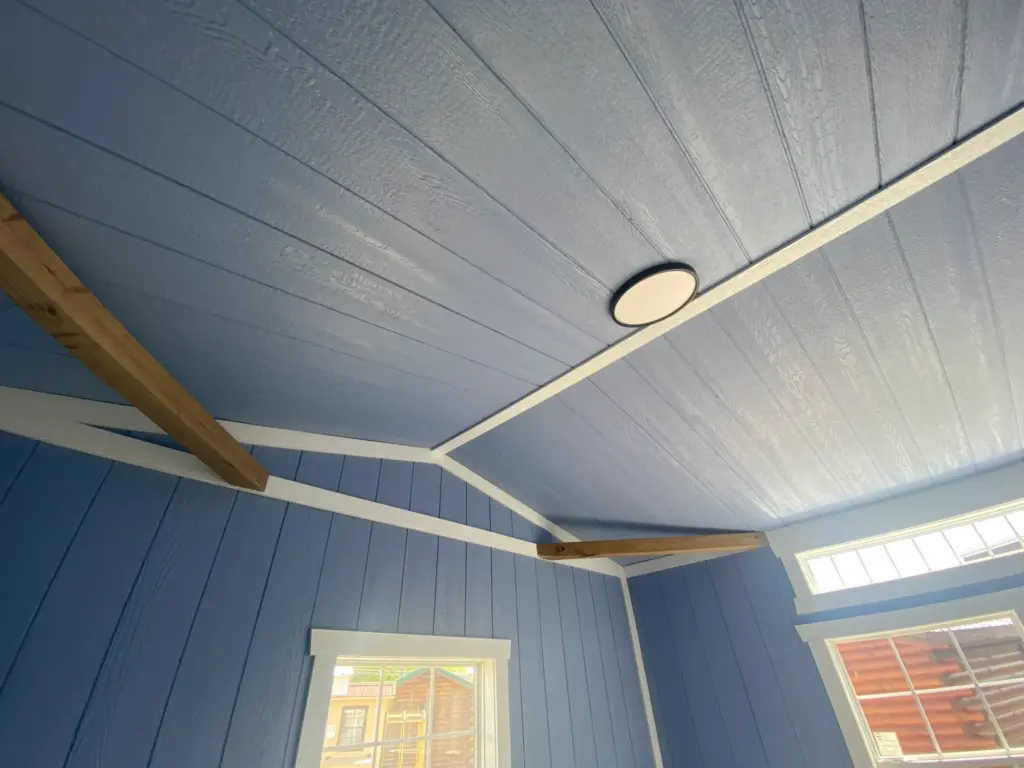
Today’s factory-built housing is produced in controlled indoor environments, which allows for consistent assembly and precise installation of materials. Unlike outdoor construction, this process avoids weather-related delays and moisture exposure during the build phase. Precision tools, standardized methods, and quality checks reduce defects that shorten lifespan. These advantages directly influence how long do manufactured homes last by ensuring components are installed correctly from the beginning.
Federal Construction Standards and Quality Control
Homes built under federal HUD standards must meet requirements for structural integrity, fire safety, energy efficiency, and durability. These regulations apply nationwide and create a reliable baseline for performance. Compliance ensures walls, floors, roofing, and systems meet minimum strength and safety benchmarks. Strong standards contribute to long service life when homes receive proper installation and care.
The Importance of Installation and Foundations
Installation quality plays a critical role in determining long-term performance. Homes placed on permanent foundations typically experience greater stability and protection from moisture-related issues. Proper site preparation, anchoring, and leveling prevent shifting and structural stress over time. Professional installation ensures the structure performs as designed and supports extended usability.
Materials Used in Today’s Housing Systems
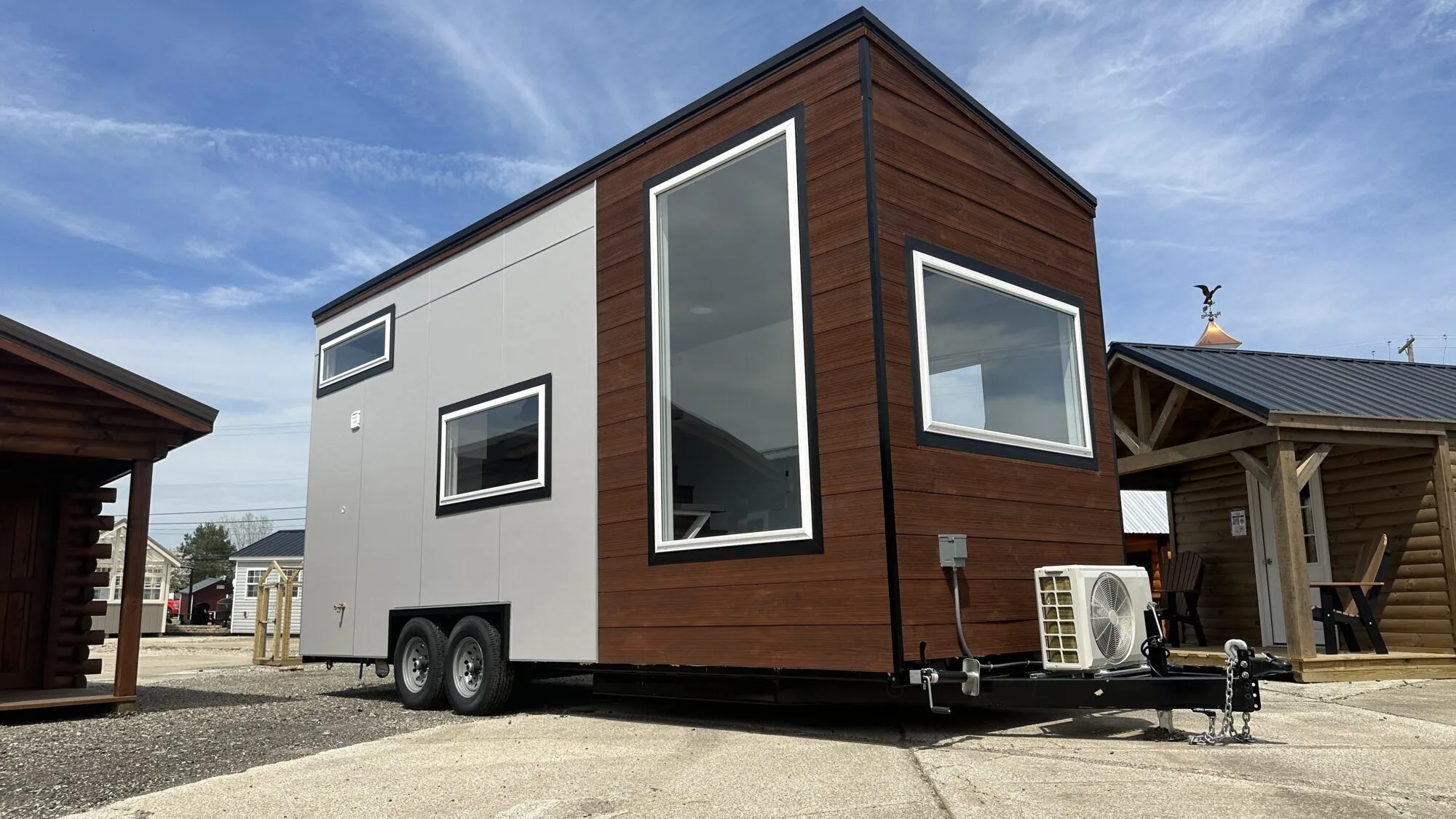
Modern construction materials have improved durability and efficiency across factory-built housing. Engineered lumber resists warping, upgraded siding systems protect against weather exposure, and improved roofing materials offer longer service life. Energy-efficient windows and insulation help regulate interior conditions, reducing stress on structural components. These material improvements support longevity and comfort.
Roof Design and Weather Protection
Roof systems play a major role in protecting the structure below. Many current designs feature pitched roofs with durable shingles or metal options that shed water efficiently. Proper drainage reduces moisture intrusion and prevents long-term damage. With routine inspections and maintenance, roofing systems can protect the home for many years.
Climate Considerations and Environmental Exposure
Climate affects all housing types, including factory-built residences. Homes located in areas with extreme heat, cold, or humidity benefit from climate-specific design choices. Proper ventilation, insulation, and exterior finishes help manage environmental stress. Owners who adapt maintenance practices to local conditions often extend the usable life of their homes significantly.
Routine Maintenance and Preventive Care
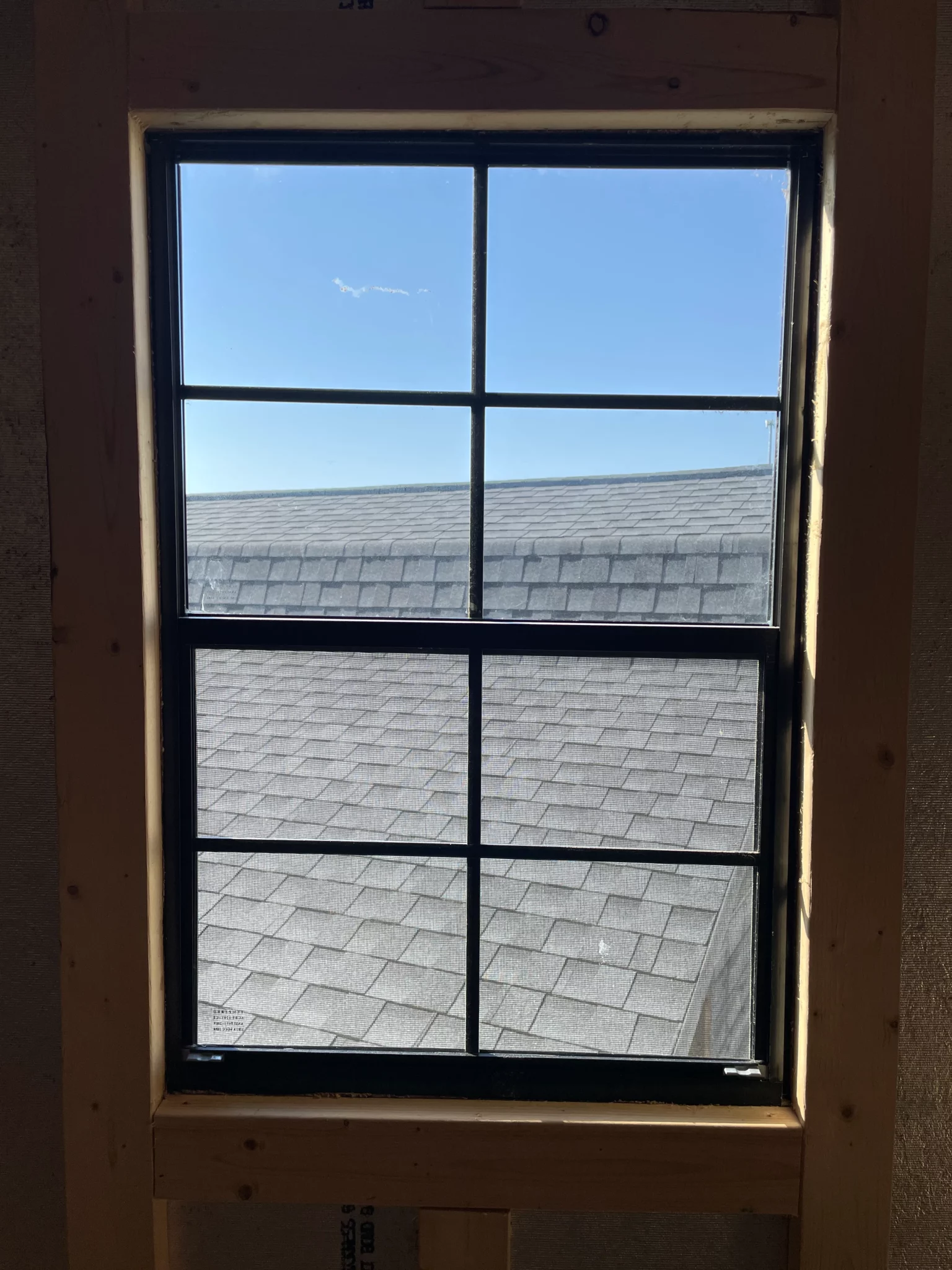
Regular maintenance strongly influences how long do manufactured homes last in real-world conditions. Roof inspections, exterior sealing, HVAC servicing, and moisture management prevent small issues from becoming major repairs. Interior care such as plumbing checks and flooring maintenance also contributes to durability. Consistent upkeep allows these homes to perform reliably for decades.
Interior Systems and Long-Term Reliability
Plumbing, electrical, and mechanical systems installed in modern factory-built housing meet current safety and performance standards. Proper installation and routine servicing help these systems operate efficiently over time. Reliable systems reduce the likelihood of leaks, electrical issues, and premature wear. Interior reliability supports overall longevity and homeowner satisfaction.
Advancements Compared to Older Housing Models
Homes built today differ substantially from older models produced decades ago. Improvements in materials, fastening systems, insulation, and safety features have transformed durability expectations. These advancements explain why modern factory-built housing often lasts much longer than outdated perceptions suggest. Buyers benefit from decades of industry progress.
Resale Value and Long-Term Performance
Longevity contributes directly to resale value and buyer confidence. Well-maintained homes installed on permanent foundations tend to retain value better than neglected properties. As awareness of construction quality improves, market acceptance continues to grow. Long service life enhances both usability and appeal.
Why Construction Methods Matter
Consistent construction methods improve reliability across factory-built housing. Controlled environments allow builders to follow precise processes that reduce variability. These methods support predictable performance over time. Buyers interested in construction quality often explore how factory processes compare with site-built methods, similar to the principles outlined in how modular homes are built.
Planning for Long-Term Ownership
Owners who plan for long-term use make choices that protect durability. Selecting quality materials, ensuring professional installation, and committing to routine maintenance all support extended performance. Thoughtful planning allows owners to enjoy dependable housing with predictable upkeep costs.
Final Thoughts on How Long Do Manufactured Homes Last
The answer to how long do manufactured homes last is encouraging for today’s buyers. With proper installation, regular maintenance, and modern construction standards, these homes can last for many decades. Advances in materials and building practices have reshaped durability expectations. If you want guidance on choosing or caring for a home designed for long-term value, you can reach out through the Ohio Cabin and Structures contact page for expert support.