
What garage door opener is best is a question homeowners often ask when an old system fails or when planning a new installation. A garage door opener affects daily convenience, home security, and noise levels inside the house. Because the garage door may open and close several times each day, the opener must handle repeated use without struggle. Many buyers focus on price first, yet performance, durability, and safety matter more over time. A poor choice can lead to loud operation, unreliable lifting, or frequent repairs. The right opener should match the weight of the door, the layout of the garage, and how the space connects to the home. Understanding these factors helps homeowners avoid frustration and choose an opener that delivers smooth, consistent performance. Reliable guidance from trusted property experts like Ohio Cabins and Structures shows how choosing the right systems improves long term comfort and usability across any structure.
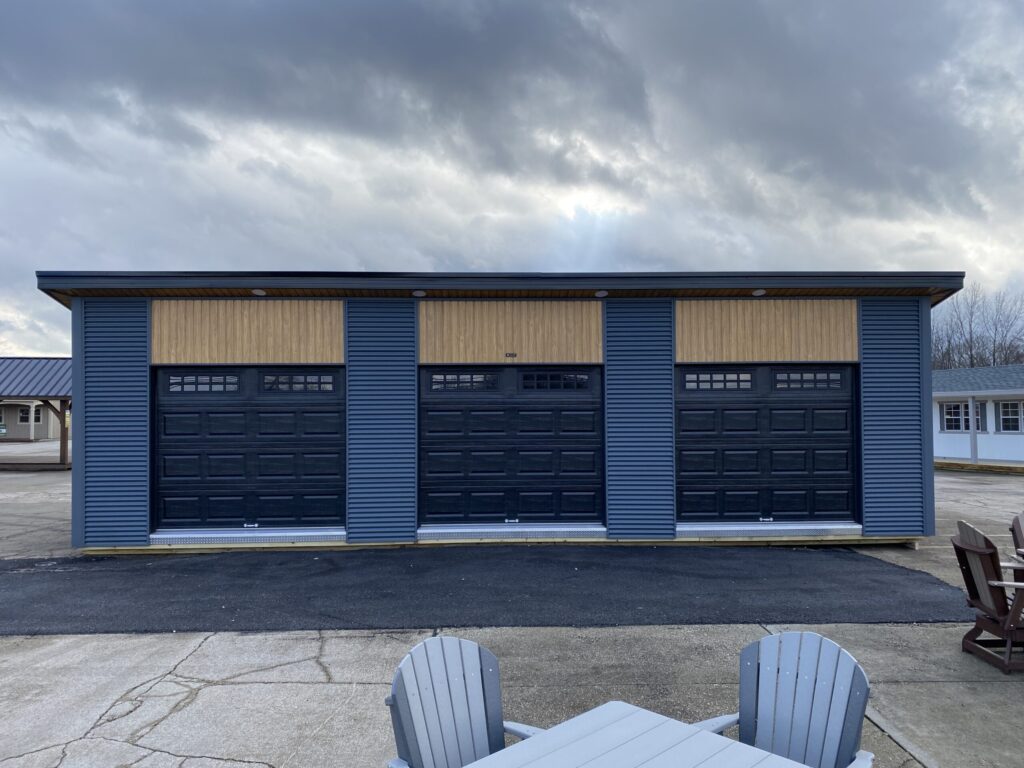
Why the Right Garage Door Opener Matters
A garage door opener does far more than lift a door. It controls how smoothly the door moves, how much noise it produces, and how safe the system remains for people and property. A weak or poorly matched opener places stress on tracks, rollers, and springs. That stress increases wear and shortens system life. Noise also becomes a major issue in homes with attached garages, where vibration travels through framing into living areas. Safety matters just as much. Modern openers include sensors and auto reverse features that protect children, pets, and vehicles. Choosing the right opener reduces daily friction and lowers long term maintenance costs. It also improves home security since the garage often serves as a primary entry point. Homeowners who select the correct opener enjoy quieter operation, fewer breakdowns, and better peace of mind.
What Garage Door Opener Is Best for Most Homes
For most homes, the best garage door opener balances lifting power, quiet operation, and dependable safety features. Standard residential doors made of steel or aluminum usually perform well with a mid range motor. Heavier insulated or wood doors require more power to avoid strain. Homes with attached garages benefit most from quieter systems, while detached garages allow more flexibility. Usage frequency also matters. A household that uses the garage as the main entrance places greater demand on the opener. The best choice supports smooth starts and stops, reliable lifting, and steady performance over time. Many homeowners find that belt drive openers offer the best mix of quiet operation and durability.
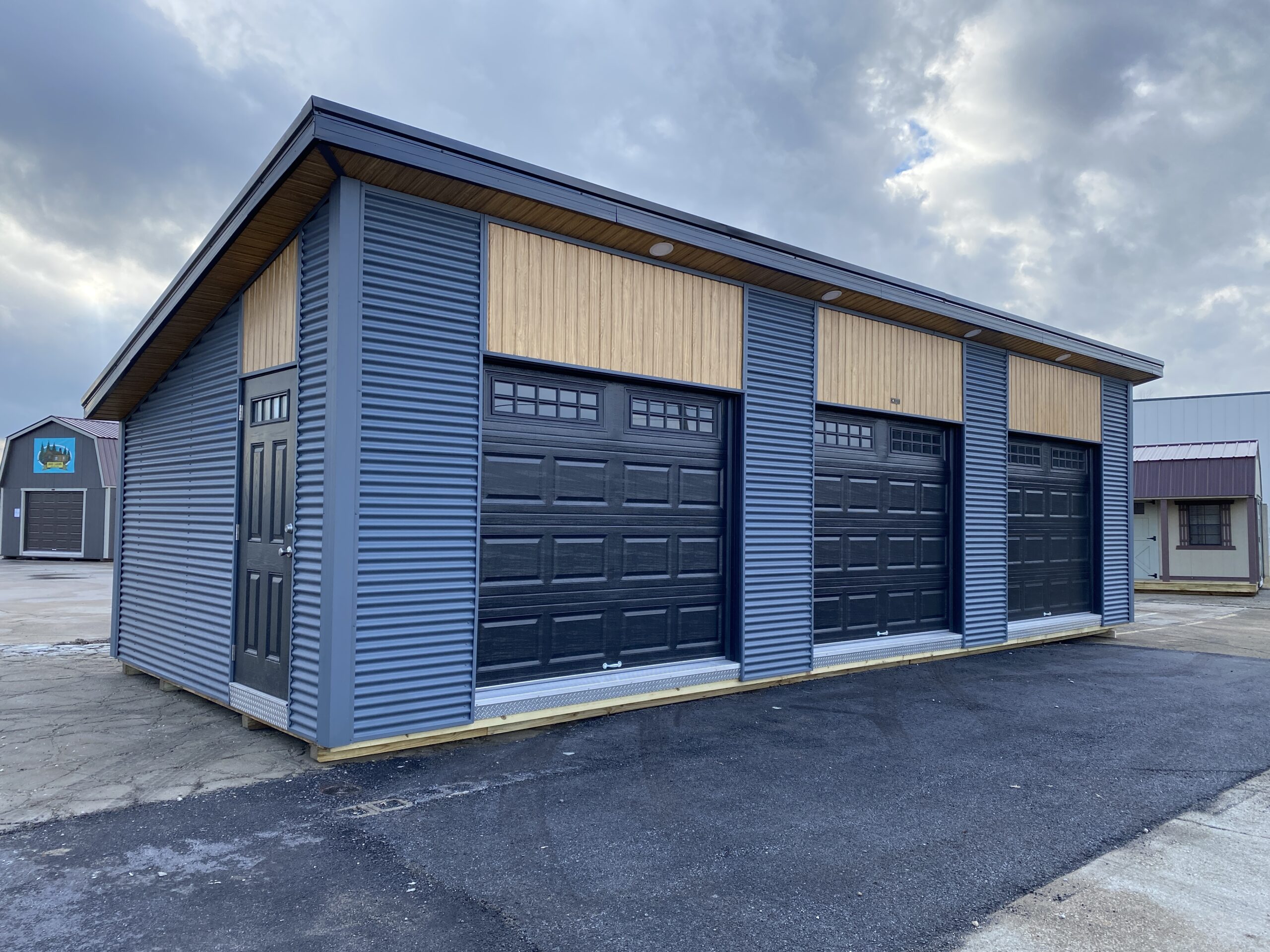
Understanding Drive Types and Their Differences
Drive type plays a major role in answering what garage door opener is best for your home. Chain drive openers use a metal chain to move the door and are known for strength and affordability. They tend to produce more noise and vibration. Belt drive openers use reinforced belts that absorb movement, which results in quieter operation. Screw drive openers move the door along a threaded rod and require fewer moving parts, though they can be sensitive to temperature changes. Direct drive openers move the motor itself along a stationary chain, reducing wear points and operating smoothly. According to installation experts at This Old House, belt drive systems are often the best option for attached garages where noise control matters most.
Motor Strength, Door Weight, and Daily Use
Motor strength must match the weight and size of the garage door. A door that feels light when lifted manually usually works well with a standard motor. Heavier doors need stronger motors to prevent overheating and wear. Daily use also affects this decision. Families that open the garage multiple times per day place more stress on the system. Choosing adequate power helps maintain consistent performance. Smooth acceleration and deceleration reduce shock to door components, which extends system life. Selecting the correct motor strength prevents strain and avoids unnecessary repairs.
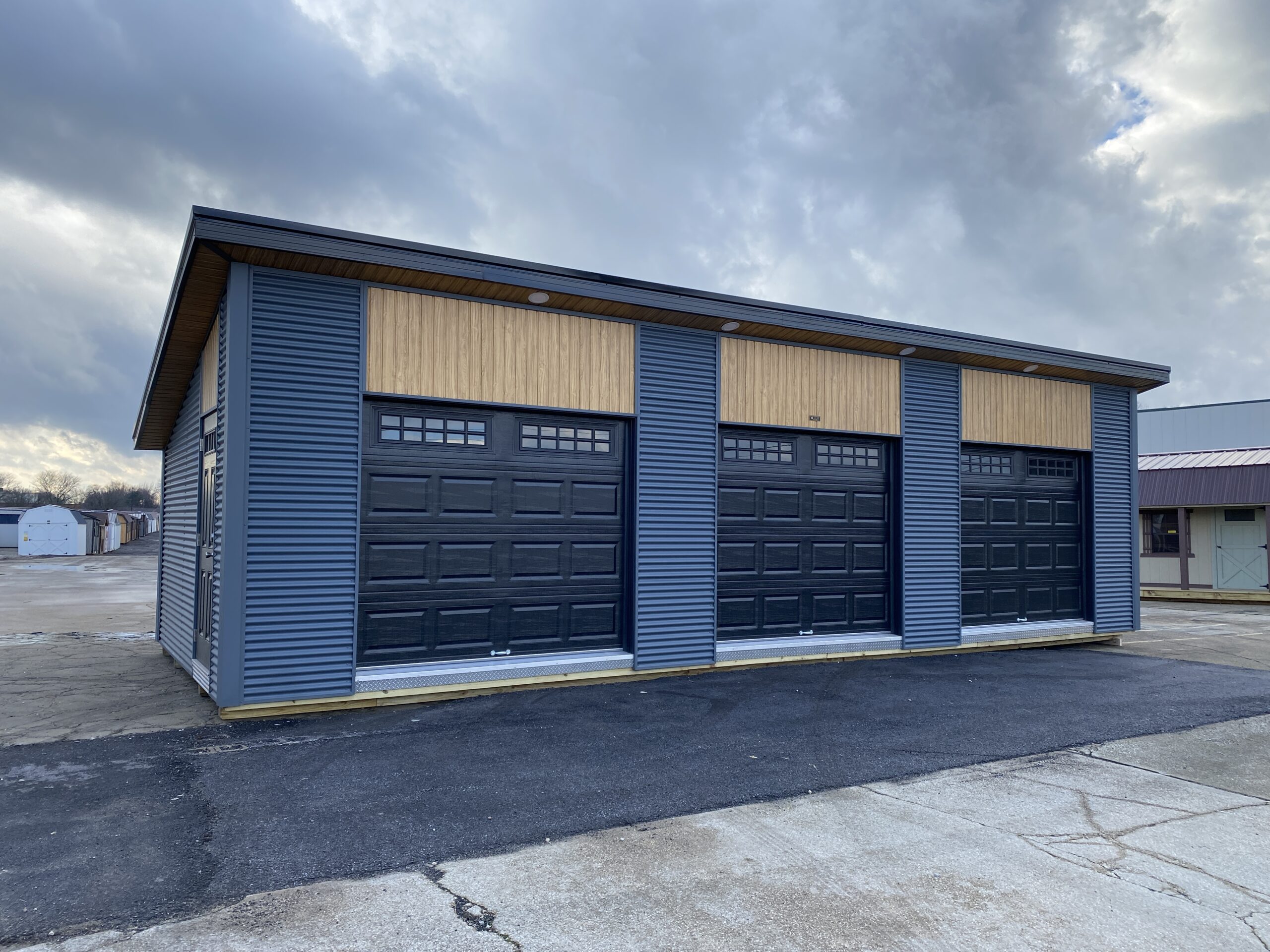
Safety and Security Features to Look For
Safety features should never be optional when choosing a garage door opener. Photo eye sensors stop the door if something crosses the beam. Auto reverse prevents injury or damage if the door contacts an object while closing. Rolling code technology improves security by changing access codes each time the door operates. These features protect people, vehicles, and property. Some openers also include motion activated lighting, which improves visibility in the garage. Security and safety features add real value and should be part of every decision.
Noise Control and Comfort Inside the Home
Noise matters most in attached garages where sound travels into living spaces. Belt drive and direct drive openers offer the quietest operation. Chain drive systems may produce rattling that disrupts sleep or daily routines. Soft start and stop features reduce sudden movement, which lowers vibration. Door condition also affects noise. Worn rollers or loose hardware amplify sound. Upgrading rollers and maintaining tracks often improves performance.
Installation Quality and Long Term Performance
Even the best opener performs poorly if installation lacks precision. Proper mounting, alignment, and door balance are essential. A balanced door should stay in place when lifted halfway. Poor balance strains the opener and increases wear. Solid mounting reduces vibration and noise. Installation should also account for ceiling height and track configuration. Some layouts require specialty rails or side mounted openers. Attention to detail during installation improves reliability and reduces service calls.
Maintenance and Longevity Expectations
Routine maintenance keeps garage door openers running smoothly. Lubricating moving parts, tightening hardware, and testing safety systems help prevent failures. Clean tracks and properly aligned sensors support consistent operation. Replacing remote batteries and checking mounting points also helps. Chain systems require lubrication, while belt systems need inspection for wear. Simple maintenance habits extend opener life and protect door components.
Conclusion
What garage door opener is best depends on matching the opener to your door, garage layout, and daily routine. Belt drive systems work well for attached garages where quiet matters. Chain drive systems offer strength and value for detached garages or heavier doors. Safety features, motor strength, and installation quality all influence performance. Choosing carefully leads to smoother operation, better security, and long term reliability. If you need guidance or help planning upgrades, the team at Ohio Cabins and Structures can provide dependable support and insigh