
Garage doors affect much more than curb appeal. They influence home security, insulation, daily convenience, and even property value. That is why many homeowners eventually ask how much does a garage door replacement cost once their current door starts showing signs of damage, age, or mechanical failure. The final price can vary widely depending on door size, material, insulation, labor, and added features such as windows or smart openers. Some replacements remain relatively affordable, while custom or oversized doors can cost far more than expected. Understanding the factors that influence garage door replacement costs helps homeowners budget more confidently and avoid unexpected expenses during installation.
Average Garage Door Replacement Costs Explained
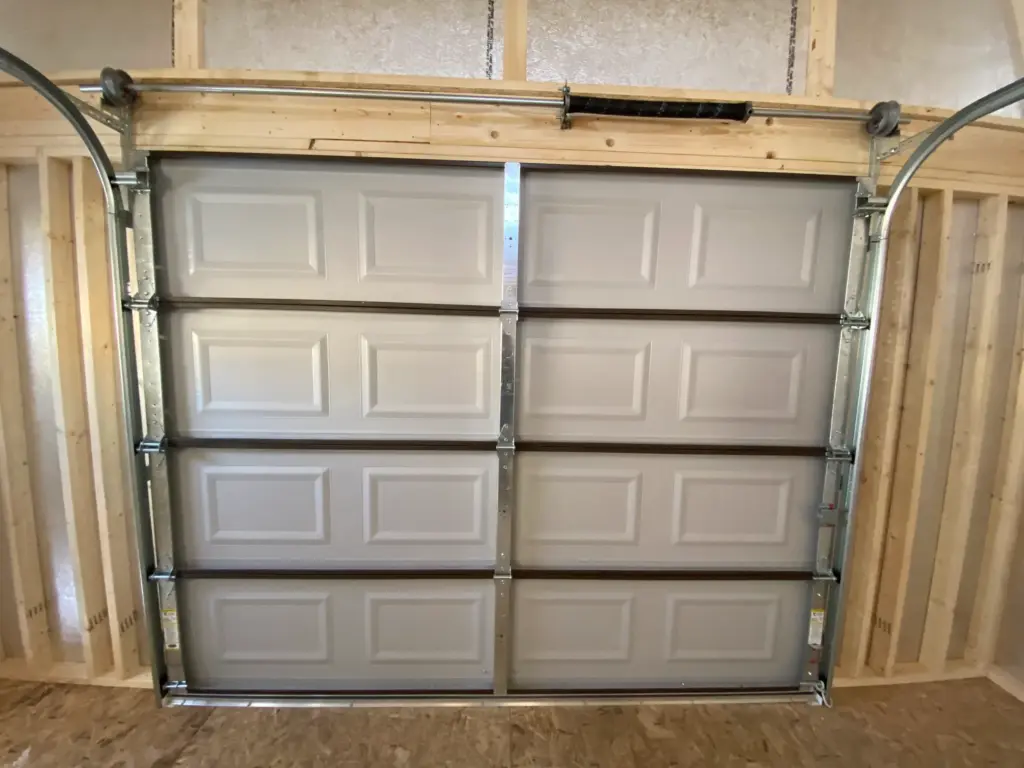
The average cost to replace a garage door typically falls between $700 and $4,500. Basic single garage doors made from steel sit at the lower end of the range. Custom doors, larger openings, and premium materials push prices higher. Labor usually accounts for a significant portion of the total cost, especially when removing an old door and installing new tracks, hardware, and openers.
Double garage doors cost more than single doors due to increased material and labor requirements. Specialty designs, such as carriage-style doors or insulated models, also raise the price. While the upfront cost may feel high, replacing an aging or damaged garage door improves daily functionality and often increases home resale value. Many homeowners view replacement as both a practical and financial investment.
How Garage Door Materials Affect Replacement Pricing
Material choice has a major impact on garage door replacement costs. Steel garage doors are the most common option because they balance durability and affordability. Aluminum doors cost slightly more but resist rust and offer a modern appearance. Wood garage doors cost significantly more due to material expense and maintenance requirements, but they deliver a classic aesthetic many homeowners prefer.
Composite and fiberglass doors fall in the mid to high price range and offer resistance to moisture and temperature changes. Insulated doors cost more upfront but reduce energy loss and noise. Selecting the right material depends on climate, usage, and design goals. Heavier materials may also increase installation costs due to additional hardware and labor needs.
Labor And Installation Costs For Garage Door Replacement
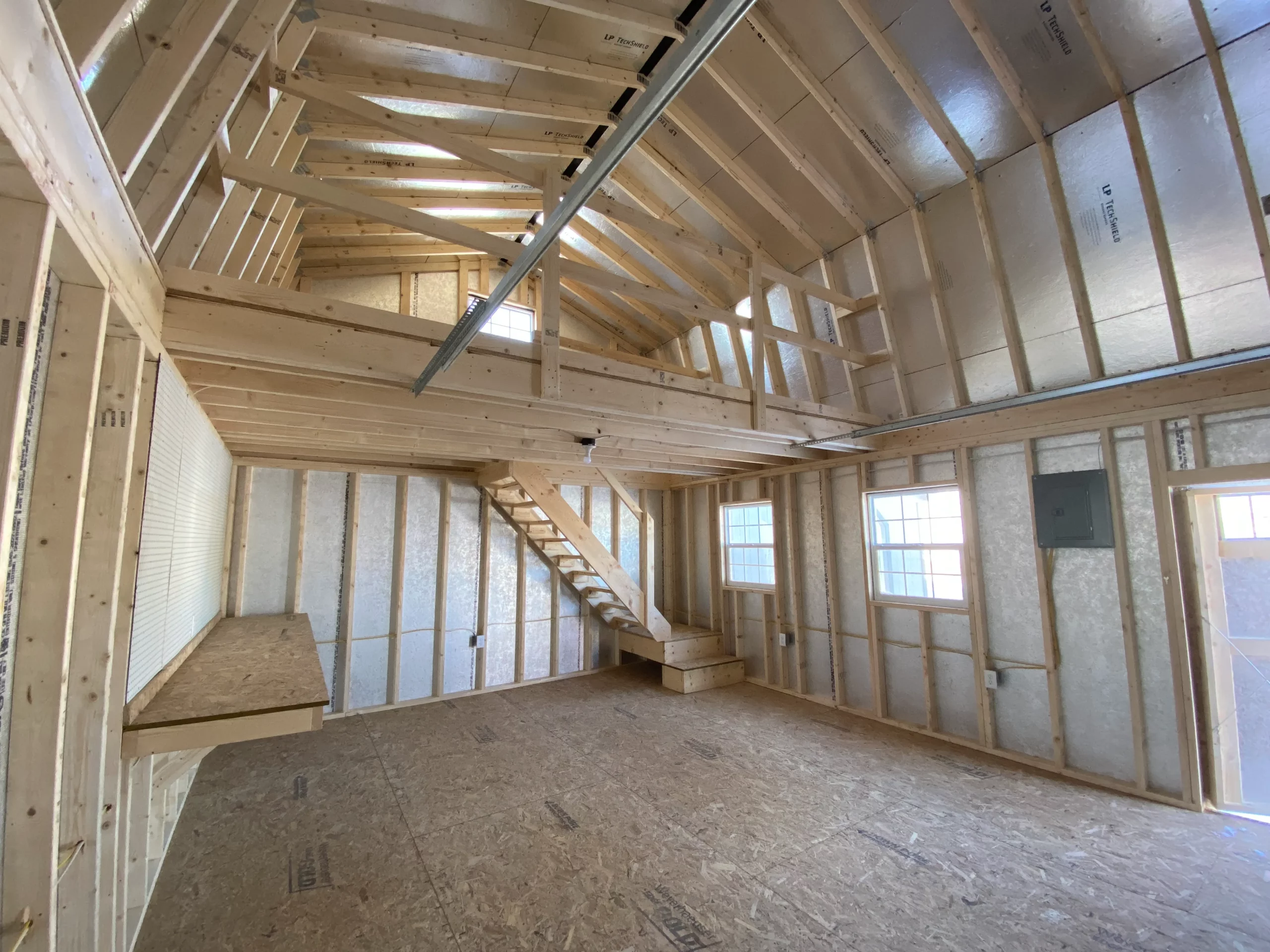
Labor costs vary based on door size, complexity, and local labor rates. Standard garage door replacement typically includes removing the old door, installing tracks, mounting panels, and adjusting tension systems. Labor costs usually range from $200 to $800. Complex installations involving custom framing or structural changes increase labor time and cost.
Garage doors installed in larger structures, such as detached garages or storage buildings, may require reinforced tracks or upgraded openers. For homeowners with structures like the 14×16 Porch Barn, door size and usage frequency often influence installation requirements. Professional installation ensures proper alignment, safe operation, and long-term reliability.
Single Vs Double Garage Door Replacement Costs
Single garage door replacement generally costs less due to a smaller size and fewer materials. Prices typically range from $700 to $2,500, depending on material and features. Double garage doors require larger panels, stronger springs, and additional labor, often increasing costs to $2,000 or more.
Some homeowners consider installing two single doors instead of one large double door. While this option may increase material costs, it provides redundancy and easier operation. Door configuration should align with daily usage needs, vehicle size, and overall structure design. The right choice balances cost, convenience, and appearance.
Garage Door Features That Increase Total Cost
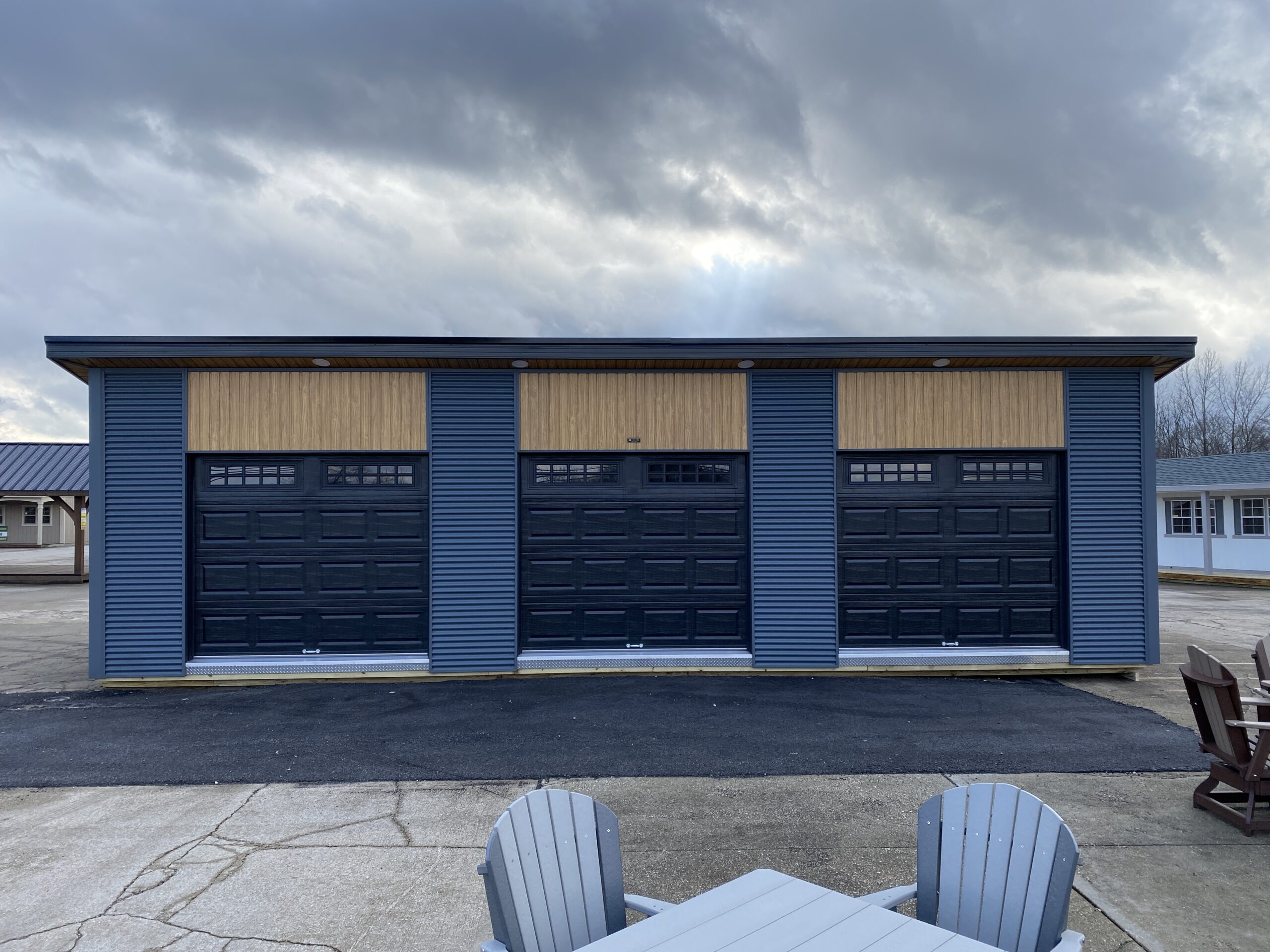
Many modern garage doors include features that raise the total replacement cost. Insulation improves temperature control and reduces noise but adds material expense. Windows increase natural light but require reinforced panels and weather sealing. Smart garage door openers add convenience but increase overall installation cost.
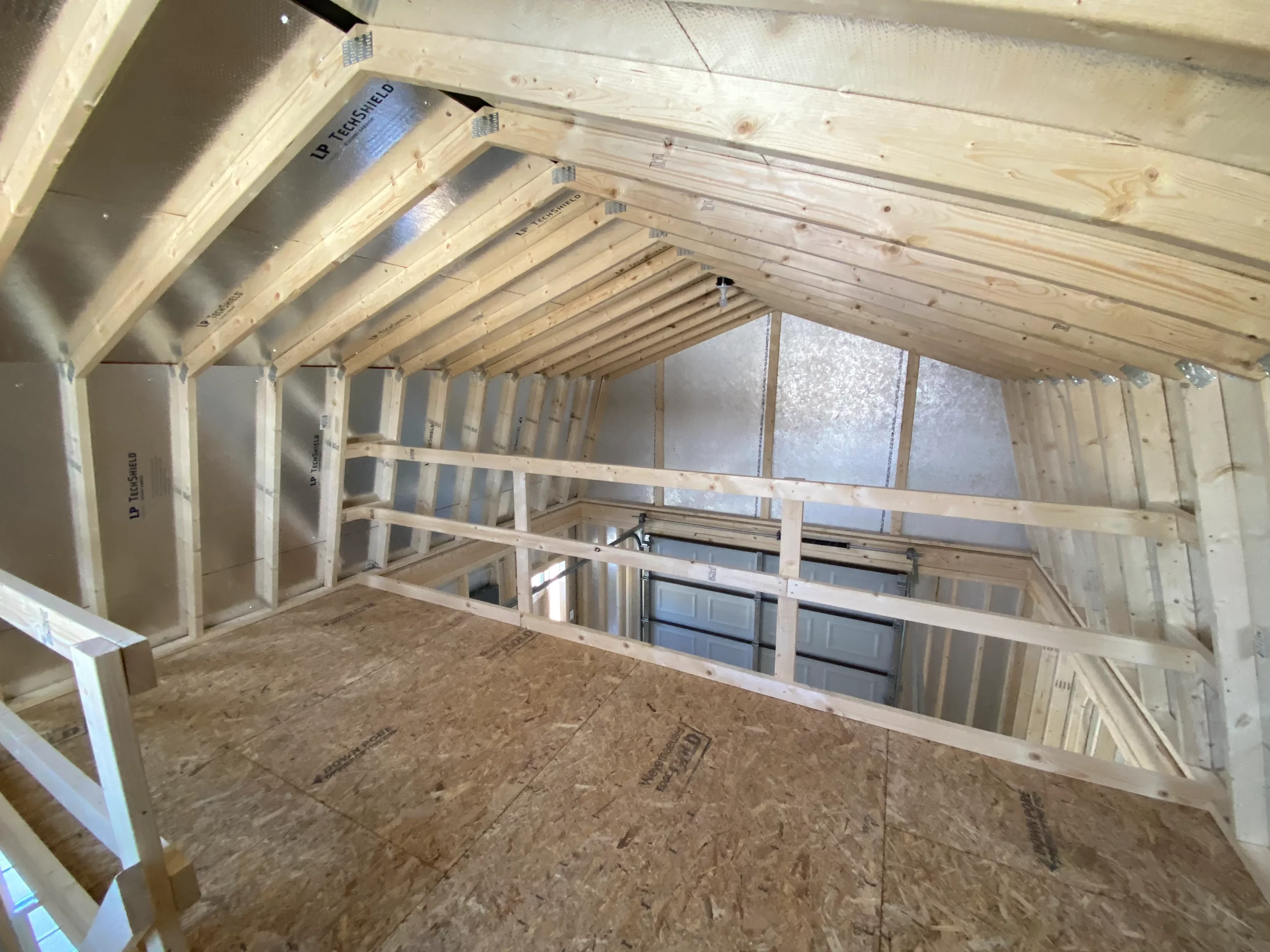
High cycle springs, upgraded tracks, and reinforced hardware improve durability but raise upfront costs. These features often make sense for garages used frequently or attached to living spaces. For workshops or multi-use structures like the 16×24 2 Story Gable, durability upgrades help support heavier use and long-term performance.
When Replacing A Garage Door Makes More Sense Than Repair
In some cases, replacing a garage door is more cost-effective than repeated repairs. Doors with severe rust, warping, or structural damage often require frequent fixes that add up quickly. Older doors may also lack safety features found in newer models, such as pinch-resistant panels and improved spring systems.
Replacing an outdated door improves curb appeal and energy efficiency. Homeowners planning to sell often see strong returns from garage door replacement projects. When repair costs approach replacement pricing, upgrading to a new door typically offers better long-term value.
What Homeowners Should Budget Beyond The Garage Door Itself
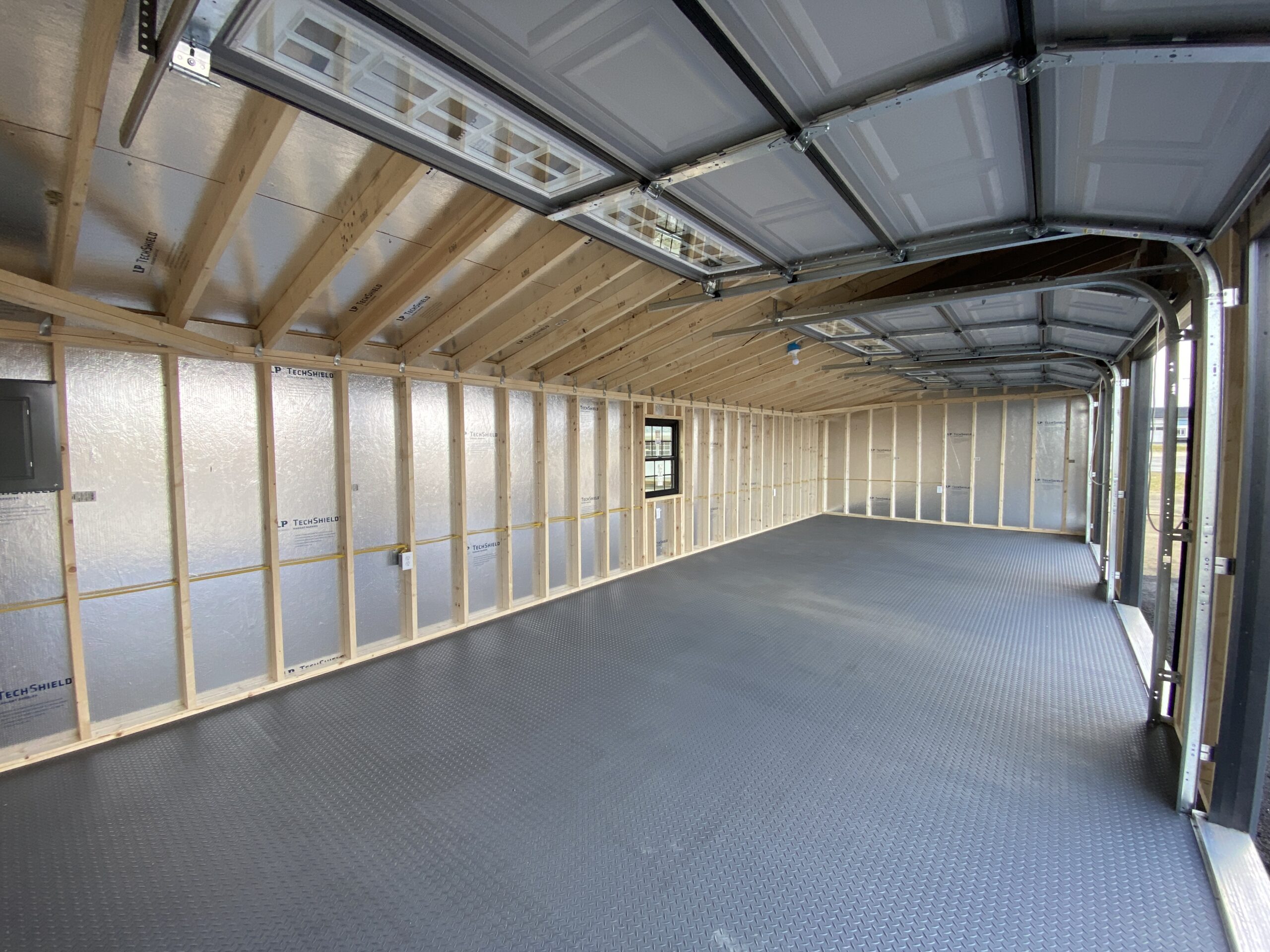
Budget planning starts with identifying needs and priorities. Homeowners should consider door size, material, insulation level, and opener compatibility. Requesting multiple quotes helps compare pricing and service quality. A detailed estimate should include labor, materials, disposal, and warranty information.
Setting aside a contingency fund helps cover unexpected issues such as framing repairs or opener upgrades. Planning replacement during non-emergency situations often reduces costs and allows time for informed decision-making. A clear budget prevents overspending while ensuring quality installation.
How To Budget Properly For Garage Door Replacement
If you want a reliable benchmark for garage door replacement pricing, it helps to compare your local quotes with a trusted national overview. Material choice, insulation level, door size, and hardware quality can shift the total cost more than most homeowners expect. Labor also varies based on whether the installer must replace tracks, adjust framing, or haul away the old door.
A good guide should explain what is included in a typical replacement, what upgrades raise the price, and when a repair may still make sense. This detailed breakdown from This Old House walks through common price ranges and the factors that influence them, which can help you spot inflated estimates and plan a realistic budget.
Conclusion
So, how much does a garage door replacement cost? The answer depends on material choice, insulation, door size, labor requirements, and additional upgrades such as smart openers or reinforced hardware. While basic replacements may remain affordable, premium materials and custom designs can increase the final investment significantly. Choosing the right garage door improves security, functionality, energy efficiency, and long-term property value. Ohio Cabins and Structures continues to provide durable garages, barns, and workshop buildings designed for reliable everyday use. If you are planning a garage upgrade or replacement project, visiting Ohio Cabins and Structures is a great place to explore practical long-term building solutions.