
Tiny homes have become a serious housing option, not just a trend. Many people hear the phrase and picture something barely bigger than a shed. In reality, tiny homes come in several sizes, layouts, and styles. Some are compact enough to move easily, while others feel closer to a small cottage. Understanding how big tiny homes really are helps buyers decide what fits their lifestyle, budget, and land restrictions. This article breaks down the typical square footage of tiny homes, how layouts affect usable space, and what size works best for different needs. By the end, you will have a clear picture of how small or spacious a tiny home can truly be.
What Is Considered a Tiny Home
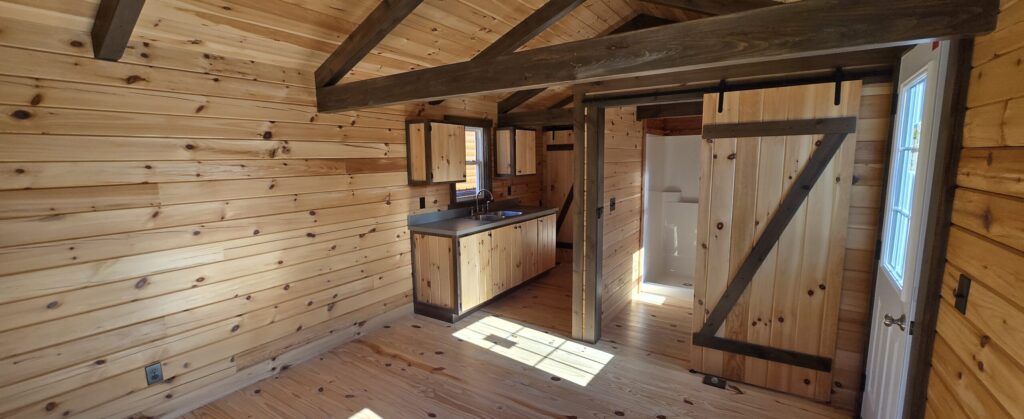
A tiny home is generally defined as a residential structure under 400 square feet of livable space. This measurement usually excludes lofts, porches, and storage areas unless local building codes say otherwise. Some tiny homes are built on wheels and classified as recreational vehicles, while others sit on permanent foundations. The definition matters because zoning laws, financing options, and utility hookups often depend on size and classification. Although 400 square feet is the common ceiling, many tiny homes fall well below that number. Sizes can range from 100 square feet for minimalist builds to over 350 square feet for more comfortable full time living. The flexibility in definition allows homeowners to tailor designs around their daily habits rather than traditional housing rules.
Average Square Footage of Tiny Homes
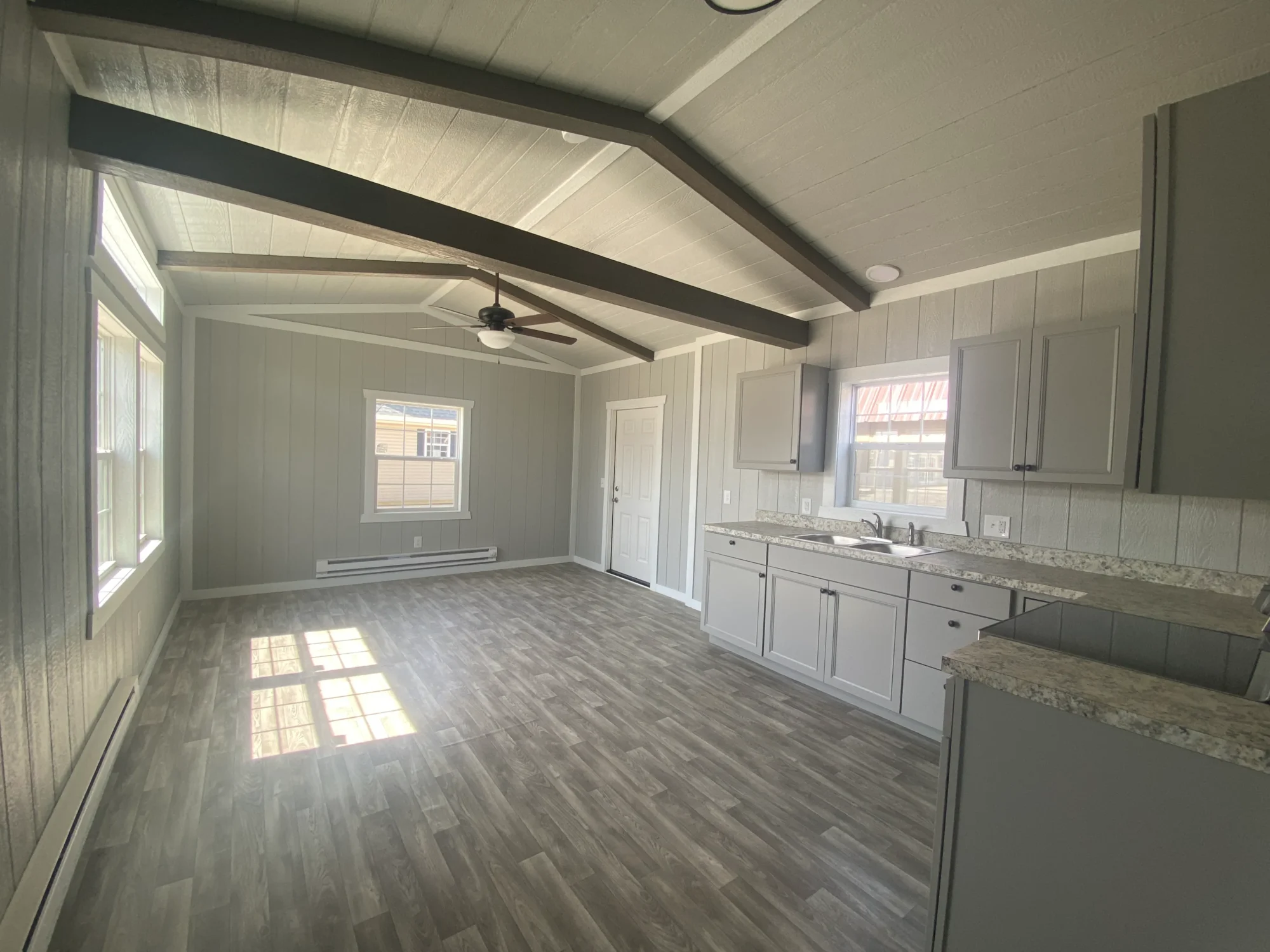
Most tiny homes land between 200 and 300 square feet. This size range offers a balance between comfort and efficiency. Homes closer to 200 square feet often suit single occupants or weekend use. Designs around 250 to 300 square feet provide space for a separate sleeping area, a functional kitchen, and a bathroom with a full shower. Storage becomes more practical at this size, especially when vertical space is used well. While these numbers may sound small, thoughtful layouts make them feel larger than expected. High ceilings, large windows, and multi use furniture play a big role in how the space functions day to day.
How Length and Width Impact Living Space
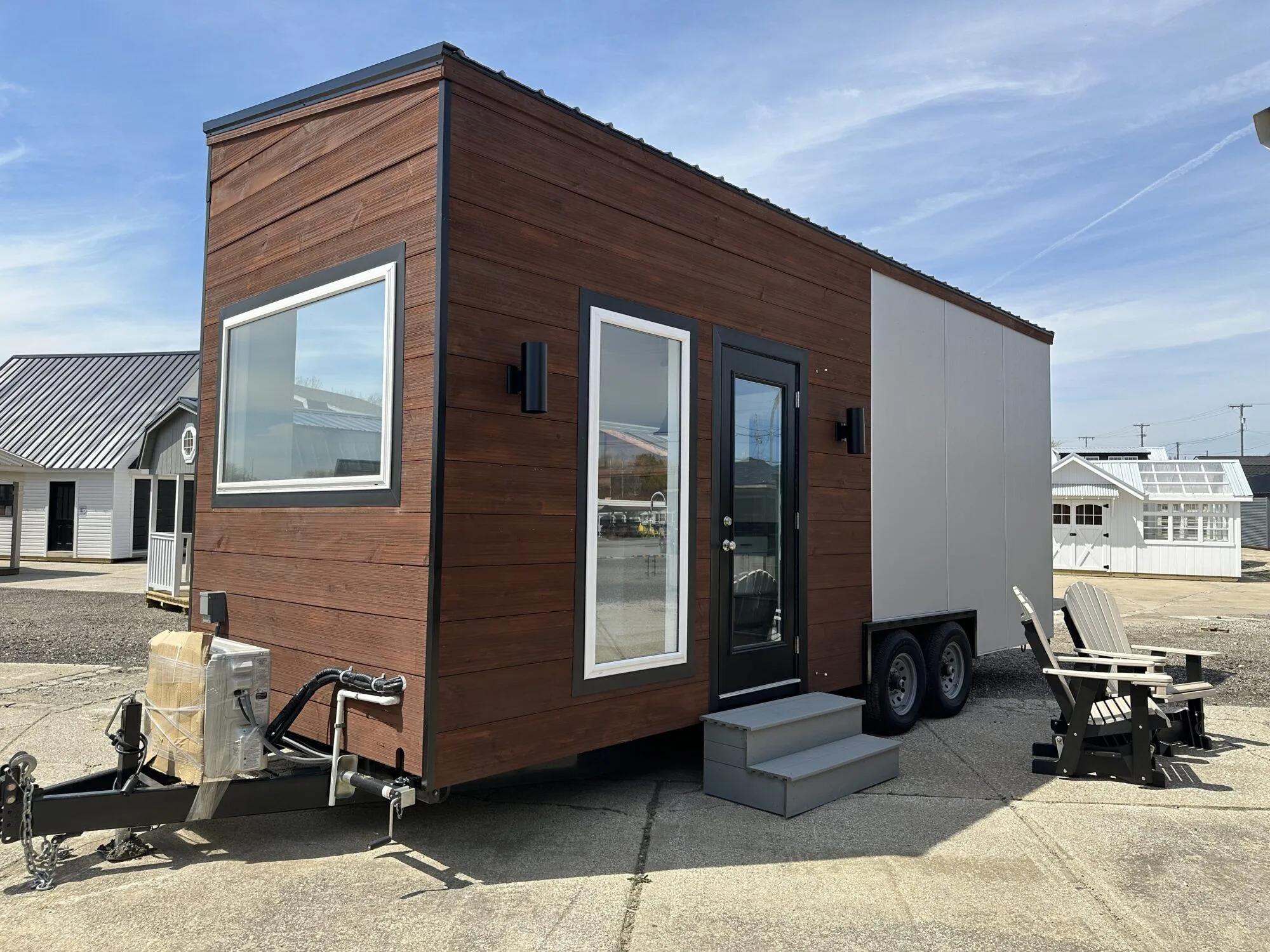
Tiny homes are often described by their exterior dimensions rather than total square footage. Common widths range from 8 to 14 feet, while lengths can run anywhere from 12 to 40 feet. A home that is 14 feet wide and 30 feet long offers far more design flexibility than a narrower model. Wider homes allow for full size kitchens, comfortable seating, and staircases instead of ladders. Length affects how rooms are divided and how traffic flows. Shorter homes feel more open but limit storage and sleeping options. Longer homes can include separate rooms, but layout planning becomes critical to avoid wasted space.
Tiny Homes on Wheels vs Permanent Foundations
Tiny homes on wheels are usually limited to about 8.5 feet in width and 13.5 feet in height to meet road regulations. Lengths often max out around 30 to 34 feet. These limits cap the interior square footage, usually keeping it under 300 square feet. Homes built on permanent foundations do not face the same restrictions. They can be wider, taller, and longer, allowing for larger floor plans and even second stories. Foundation based tiny homes often feel closer to traditional houses, especially when they include porches or lofted bedrooms. The choice between mobile and permanent affects not only size but also long term comfort and placement options.
Lofts and Vertical Space
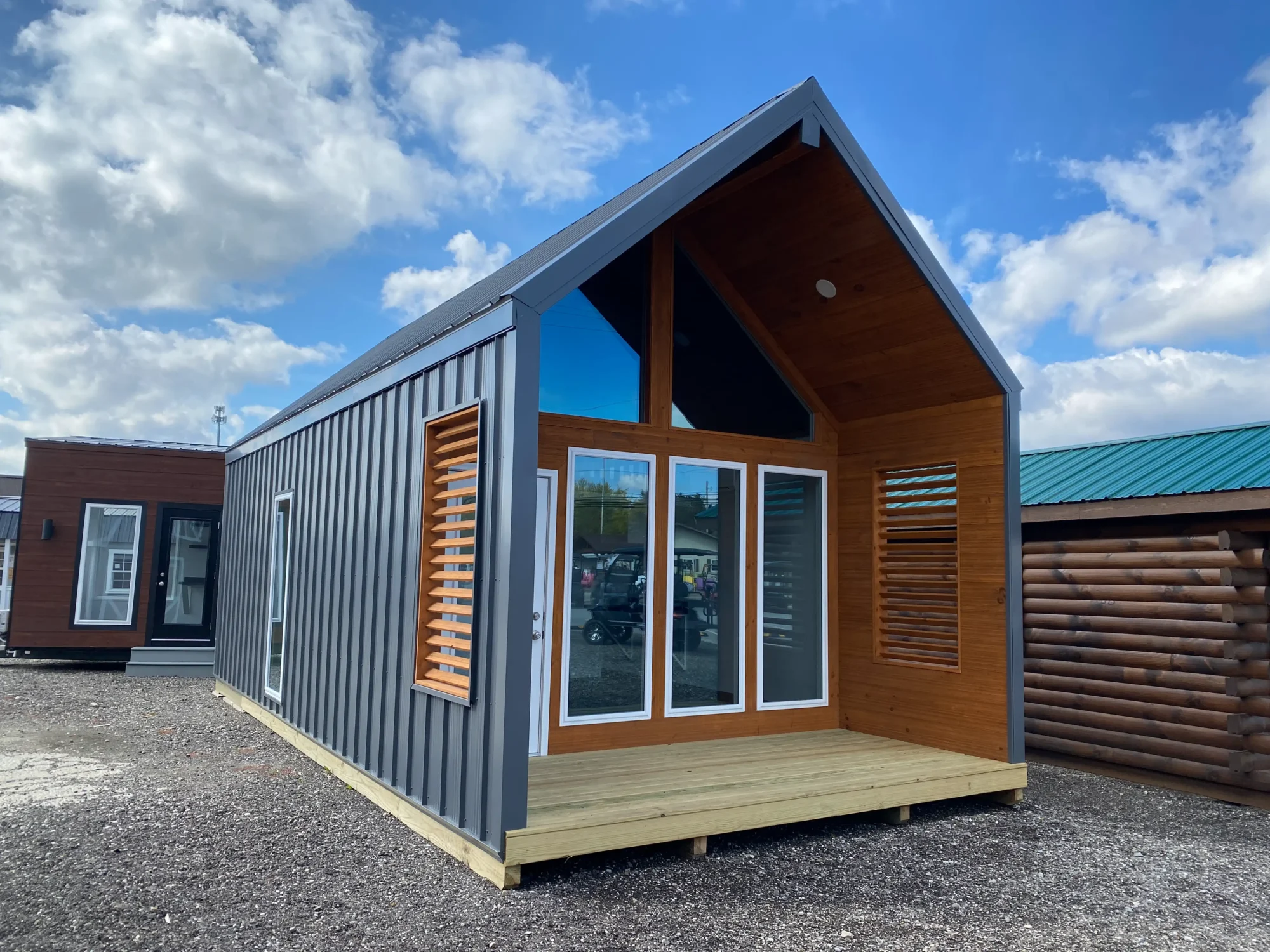
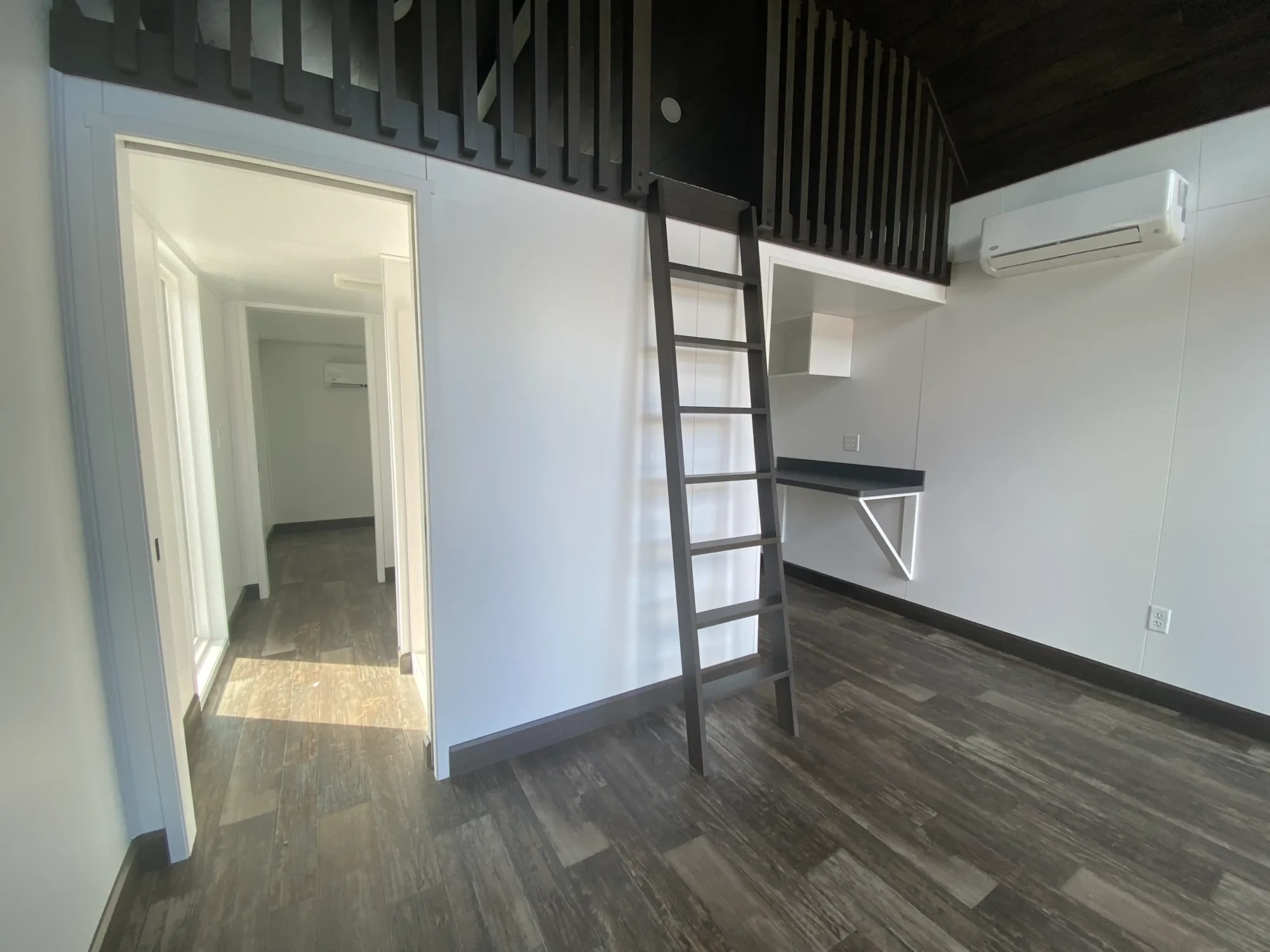
Lofts are one of the most common ways tiny homes increase usable space without increasing the footprint. A sleeping loft can free up the main floor for living and kitchen areas. Some designs include multiple lofts, one for sleeping and another for storage or an office. Ceiling height matters here. Taller homes feel more open and make lofts easier to access. Vertical storage, shelving, and tall cabinets also add functionality. While lofts are not always counted in square footage totals, they play a major role in how spacious a tiny home feels. For many owners, lofts turn a small structure into a fully livable home.
How Big Tiny Homes Feel Inside
Perception of space matters just as much as actual size. Natural light, window placement, and ceiling height all influence how large a tiny home feels. Open floor plans create fewer visual barriers and improve flow. Light colors and simple finishes reduce visual clutter. Many tiny homes feel larger than apartments with the same square footage because every inch is designed intentionally. Storage is built into stairs, seating, and walls. Furniture often folds or slides away when not in use. These design strategies make a 250 square foot tiny home feel surprisingly comfortable for daily living.
Popular Tiny Home Sizes and Real Examples
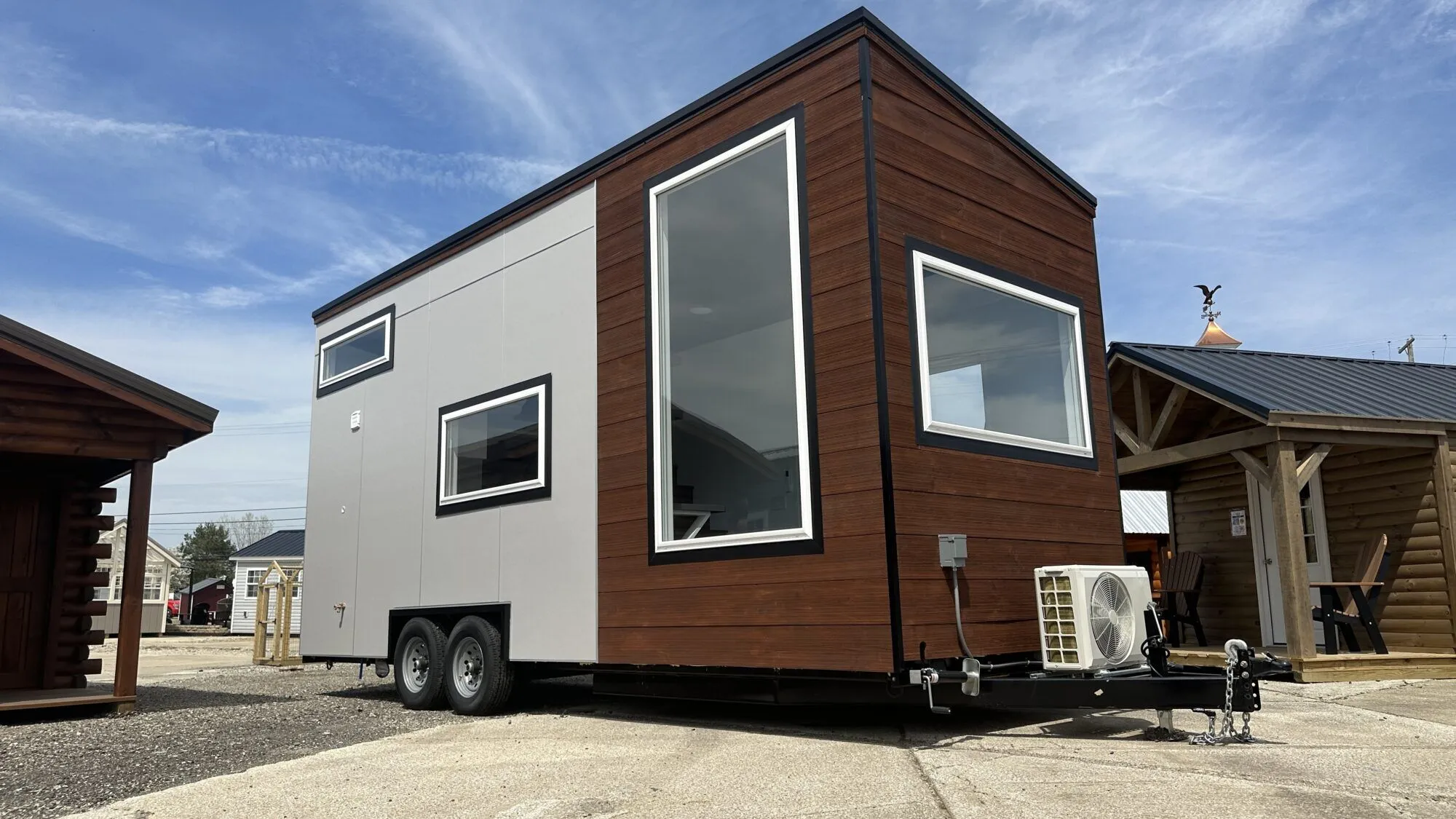
Many buyers gravitate toward specific sizes that balance comfort and cost. A 14 by 30 tiny home provides enough room for a full kitchen, bathroom, and sleeping area while remaining easy to place on most properties. One real example is the Ashmore Mobile Tiny Home, which shows how thoughtful design can maximize limited square footage. Another popular size is 14 by 40, which allows for separate rooms and more storage. The 14×40 Tiny Home demonstrates how larger tiny homes can support full time living without feeling cramped.
How Tiny Homes Compare to Apartments
Many studio apartments range from 400 to 600 square feet, making them larger than most tiny homes. However, tiny homes often feel more efficient because they avoid wasted hallway space and unused corners. Apartments may include square footage that does not serve daily needs. Tiny homes focus on function first. Everything has a purpose. While an apartment offers more raw space, a tiny home often provides better flow and personalization. This comparison helps buyers understand that square footage alone does not determine livability. Design quality and layout matter just as much.
Choosing the Right Size for Your Lifestyle
The best tiny home size depends on how you plan to live. Full time residents often prefer 250 square feet or more. Couples may want closer to 300 or 350 square feet for comfort. Weekend users or guest houses can function well at 150 to 200 square feet. Storage needs, pets, and hobbies also influence size decisions. Someone who cooks often may prioritize kitchen space. Remote workers may need room for a desk. Choosing the right size means thinking honestly about daily routines rather than focusing only on numbers.
Zoning Rules and Size Limits
Local zoning laws often dictate minimum and maximum sizes for residential structures. Some areas require at least 400 square feet for a permanent dwelling, which pushes tiny homes toward foundation based designs. Other regions allow smaller structures as accessory dwelling units. Understanding local rules early prevents costly mistakes. Working with an experienced builder helps ensure the size you choose aligns with regulations. For a general overview of how zoning affects housing size requirements, this guide from Energy.gov provides helpful background information.
Conclusion
Tiny homes vary widely in size, from ultra compact designs to spacious small houses. Most fall between 200 and 300 square feet, but layout and vertical space make a huge difference in comfort. Whether built on wheels or on a foundation, the right size depends on lifestyle, location, and long term goals. Ohio Cabins and Structures specializes in thoughtfully designed tiny homes that balance efficiency and livability. This article explored how big tiny homes really are and how size impacts daily life. To explore available models and learn more, visit Ohio Cabins and Structures.