Building a prefab house has become one of the most practical ways to own a home without dealing with long construction timelines or unpredictable costs. Prefab homes are designed and partially or fully built off site, then delivered and assembled on your property. This approach offers more control, faster completion, and consistent quality. Many buyers choose prefab housing to avoid delays caused by weather, labor shortages, or material waste. This article explains how to build a prefab house from start to finish, including planning, site preparation, delivery, and final setup. By understanding each step, you can decide if prefab construction fits your goals and budget.
What Is a Prefab House
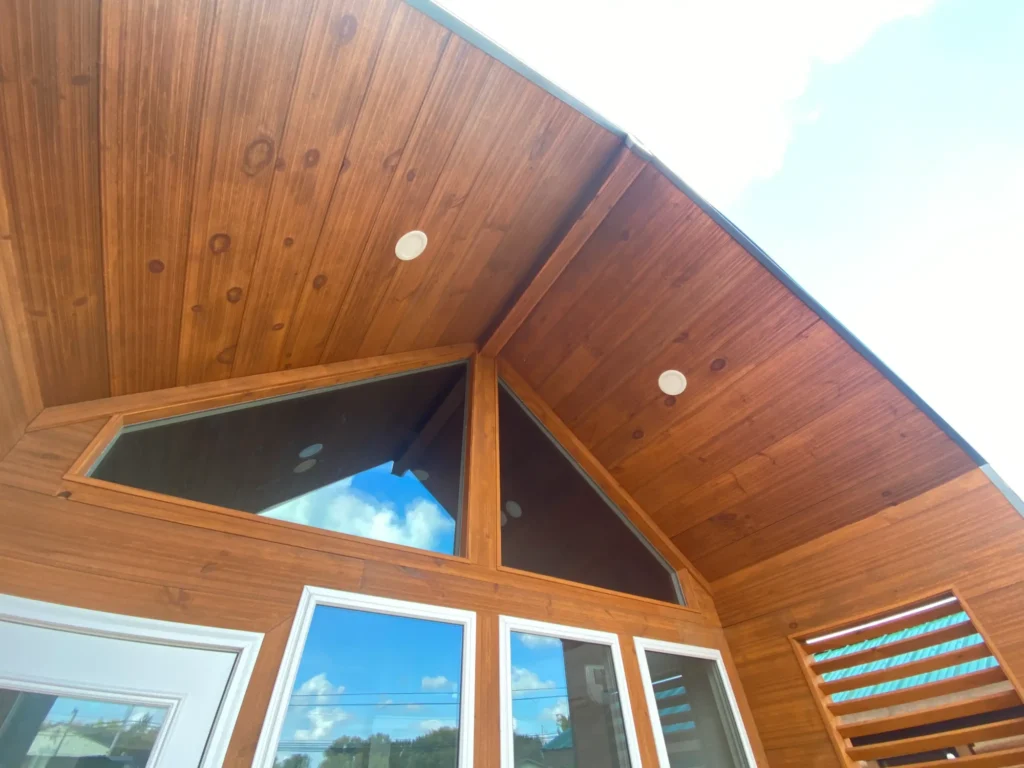
A prefab house is a residential structure built in sections or modules inside a controlled facility. These sections are later transported to the building site for assembly. Unlike traditional construction, most of the work happens indoors, which reduces material damage and delays. Prefab homes include modular houses, panelized homes, and pre built cabins. Each type follows the same basic principle of off site construction. The result is a more predictable build process with fewer surprises. Prefab houses can range from small cabins to full size family homes depending on design and zoning allowances.
Planning Your Prefab House Build
Planning is the most important phase of building a prefab house. Start by deciding how the home will be used. Some buyers plan for full time living, while others want a guest house, rental unit, or vacation property. Size, layout, and features should match those goals. Budget planning should include the structure, foundation, utility connections, permits, and delivery costs. It is also important to check local zoning rules early. Some areas have minimum size requirements or restrictions on prefab structures. Proper planning prevents delays and unexpected expenses later in the process.
Choosing the Right Prefab Design
Prefab homes come in a wide range of layouts and styles. Some designs focus on efficiency, while others offer more traditional floor plans. Choosing the right design depends on available land, climate, and personal preferences. A compact layout works well for limited space or accessory dwellings. Larger designs allow for separate rooms and long term comfort. One example of a flexible prefab option is the Cabin Cottage, which blends simple construction with practical living space. Choosing a design that fits your needs reduces the need for costly modifications later.
Preparing the Building Site
Site preparation is a critical step before your prefab house arrives. This includes clearing the land, grading the surface, and installing the foundation. Common foundation types include concrete slabs, crawl spaces, and piers. The choice depends on soil conditions, climate, and local building codes. Utility access should also be planned at this stage. Water, electricity, and sewer connections must align with the prefab structure’s layout. Preparing the site properly ensures a smooth installation process and prevents structural issues after assembly.
Permits and Inspections
Permits are required for most prefab house projects, just like traditional homes. Local building departments review plans to ensure safety and compliance. This process may include zoning approval, foundation permits, and utility inspections. Some prefab homes qualify as residential dwellings, while others fall under accessory or temporary structure rules. Understanding how your home is classified helps avoid delays. Working with a builder familiar with local regulations can simplify the approval process. Inspections typically occur after foundation installation and again after final assembly.
Manufacturing and Construction Timeline
Once plans are approved, the prefab house enters the manufacturing phase. This stage often takes several weeks, depending on design complexity and customization. Because construction happens indoors, weather does not cause delays. Materials are measured precisely, reducing waste and errors. This controlled environment improves consistency and quality. Buyers often receive progress updates during this stage. Compared to traditional construction, prefab manufacturing is faster and more predictable, making scheduling easier for buyers.
Delivery and Assembly Process
After manufacturing is complete, the prefab sections are delivered to the site. Transportation logistics depend on size, distance, and access roads. Once delivered, the home is placed on the foundation using cranes or specialized equipment. Assembly can take anywhere from one day to several days. Larger prefab homes may require additional finishing work on site. A well prepared site speeds up this process. Watching a prefab house come together is often one of the most exciting parts of the build.
Interior Finishing and Setup
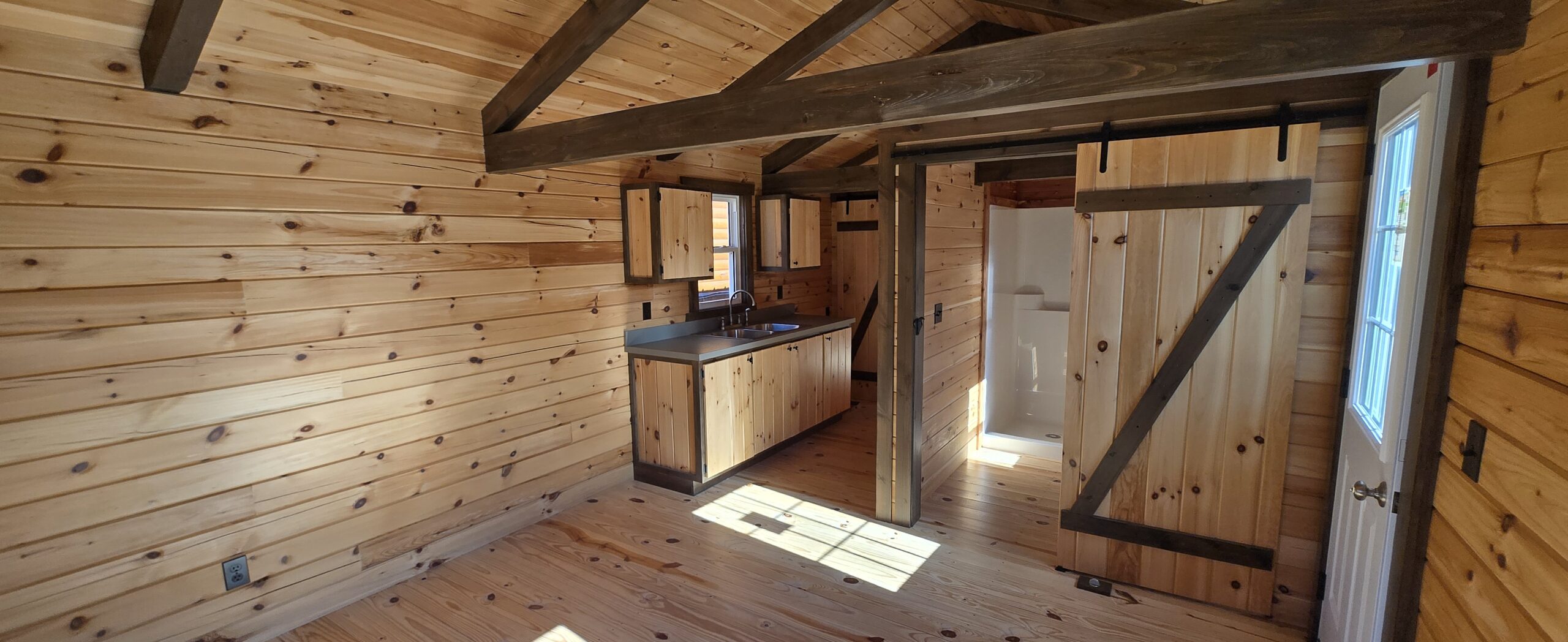
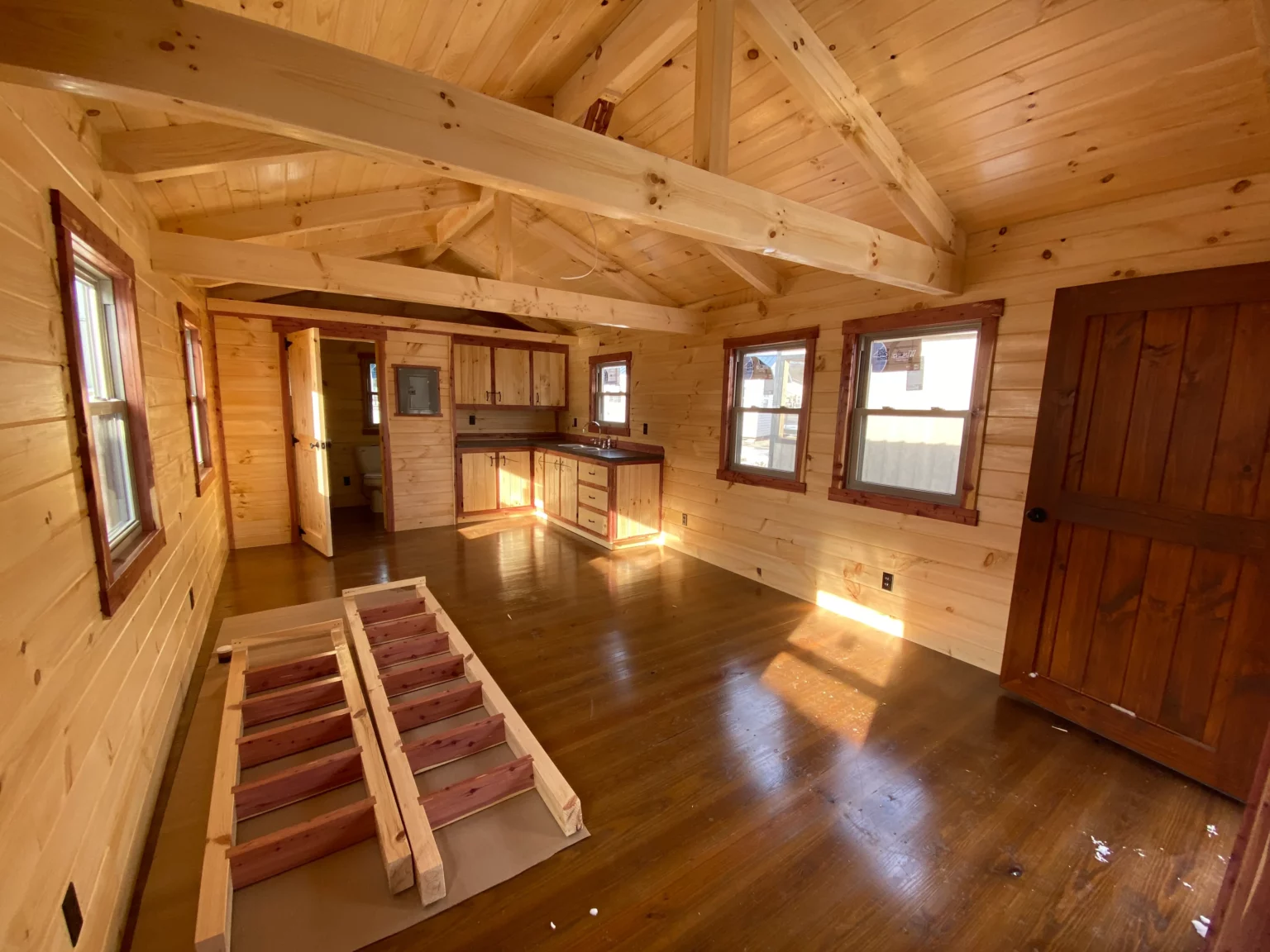
Some prefab homes arrive nearly complete, while others require interior finishing after assembly. This may include flooring, cabinetry, fixtures, and paint. Utility connections are finalized during this stage. Inspections ensure everything meets safety standards. Interior finishing allows homeowners to personalize the space. Choosing finishes early helps avoid delays. Once complete, the home is ready for occupancy. Prefab construction minimizes the chaos typically associated with interior work.
Cost Factors to Consider
The cost of building a prefab house depends on size, design, location, and site conditions. While prefab homes often cost less than traditional construction, expenses still vary. Transportation, foundation work, and utility hookups can significantly affect the budget. Custom features increase costs but add long term value. One popular mid size option is the Country Cabin, which balances affordability and functionality. Understanding all cost components helps buyers plan realistically.
Benefits of Building a Prefab House
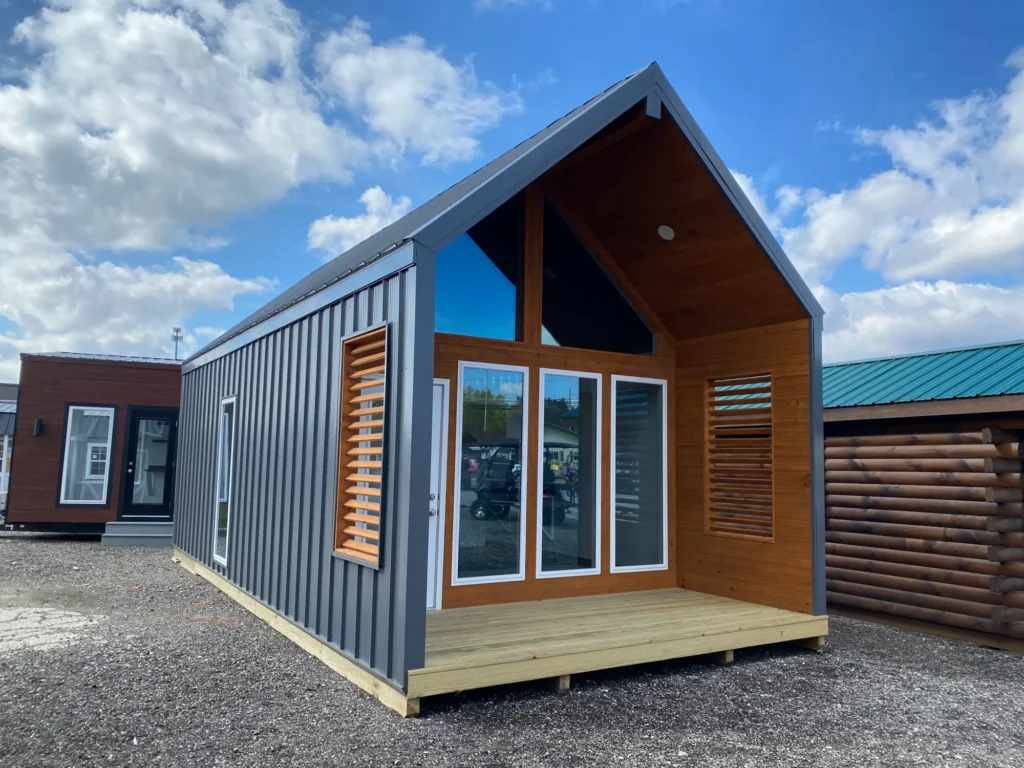
Prefab houses offer several advantages over traditional builds. Faster timelines reduce financing costs and stress. Controlled construction improves quality and consistency. Waste reduction makes prefab homes more environmentally friendly. Buyers also benefit from clear pricing and fewer surprises. Prefab homes suit a wide range of uses, from primary residences to rental properties. These benefits make prefab housing an attractive option for modern homeowners.
Common Mistakes to Avoid
One common mistake is underestimating site preparation costs. Another is choosing a design without considering zoning restrictions. Skipping professional guidance can lead to permit delays or structural issues. Buyers should also avoid rushing design decisions. Taking time to plan ensures the prefab house meets long term needs. Learning from others helps avoid costly errors. For general construction planning tips, this guide from This Old House offers useful insights.
Conclusion
Building a prefab house involves careful planning, site preparation, and coordination, but the process is far more streamlined than traditional construction. From selecting a design to final assembly, prefab homes offer speed, quality, and flexibility. Ohio Cabins and Structures provides well designed prefab buildings that suit a wide range of needs, from cabins to full time housing. This article explained how to build a prefab house step by step so you can make informed decisions. To explore available prefab options and learn more, visit Ohio Cabins and Structures.