Prefab log cabins are a popular choice for buyers who want the rustic look of a traditional log home without the long build time or unpredictable costs. These cabins are built using pre designed components that are manufactured off site and then assembled on location. Pricing varies widely depending on size, materials, finishes, and site conditions. This article explains how much a prefab log cabin typically costs, what factors influence pricing, and what buyers should expect when budgeting. Understanding these details helps you choose a cabin that fits both your vision and your financial plan.
What Is a Prefab Log Cabin
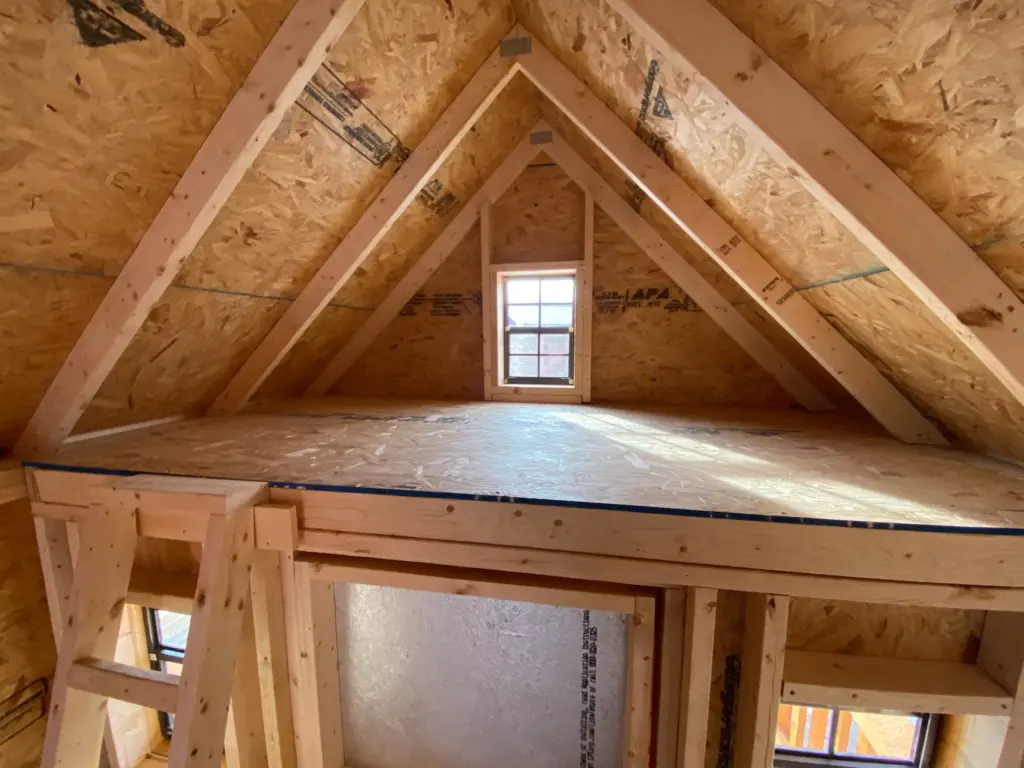
A prefab log cabin is a structure built using pre cut or pre assembled log components. These components are produced in a controlled environment, then delivered to the building site for assembly. This process reduces construction time and material waste. Prefab log cabins range from small recreational cabins to larger residential structures. They offer the classic log cabin appearance with modern construction efficiency. Because much of the work is completed before delivery, buyers benefit from consistent quality and predictable timelines.
Average Cost of a Prefab Log Cabin
The cost of a prefab log cabin typically ranges from $50 to $150 per square foot for the structure itself. Smaller cabins under 500 square feet often fall on the lower end of this range. Larger cabins with upgraded materials and finishes cost more. These prices usually cover the cabin shell or basic package. Additional expenses such as foundation work, utilities, and interior finishes are often separate. Understanding base pricing helps buyers estimate overall project costs more accurately.
How Size Affects Pricing
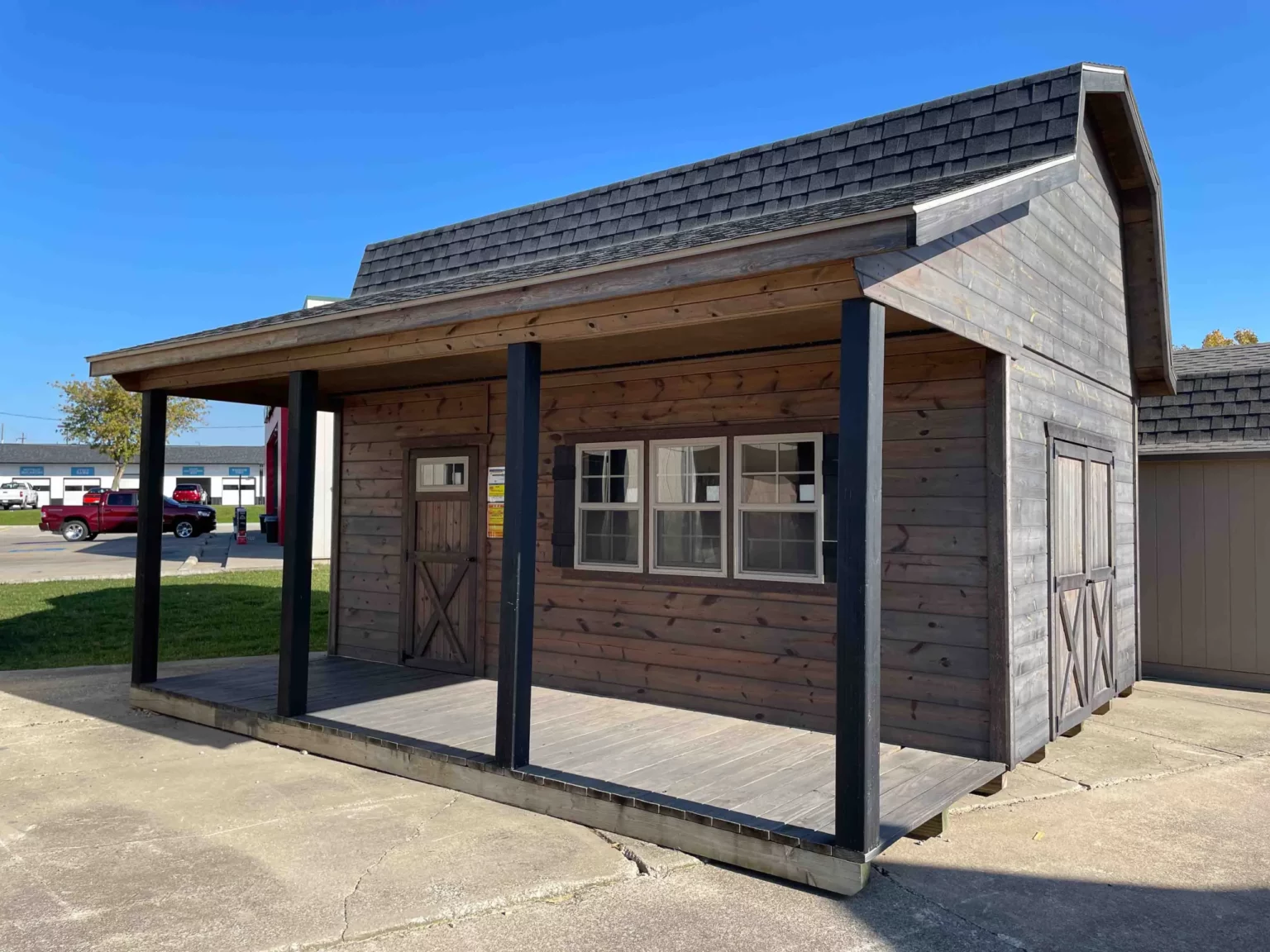
Size is one of the biggest factors in prefab log cabin pricing. Smaller cabins cost less overall but may have a higher cost per square foot. Larger cabins benefit from economies of scale, lowering the per square foot price. A compact design like the 12×16 A Frame Cabin offers an affordable entry point for buyers seeking a simple log style structure. Larger cabins provide more living space but require higher upfront investment. Choosing the right size depends on intended use and budget.
Material Quality and Log Style
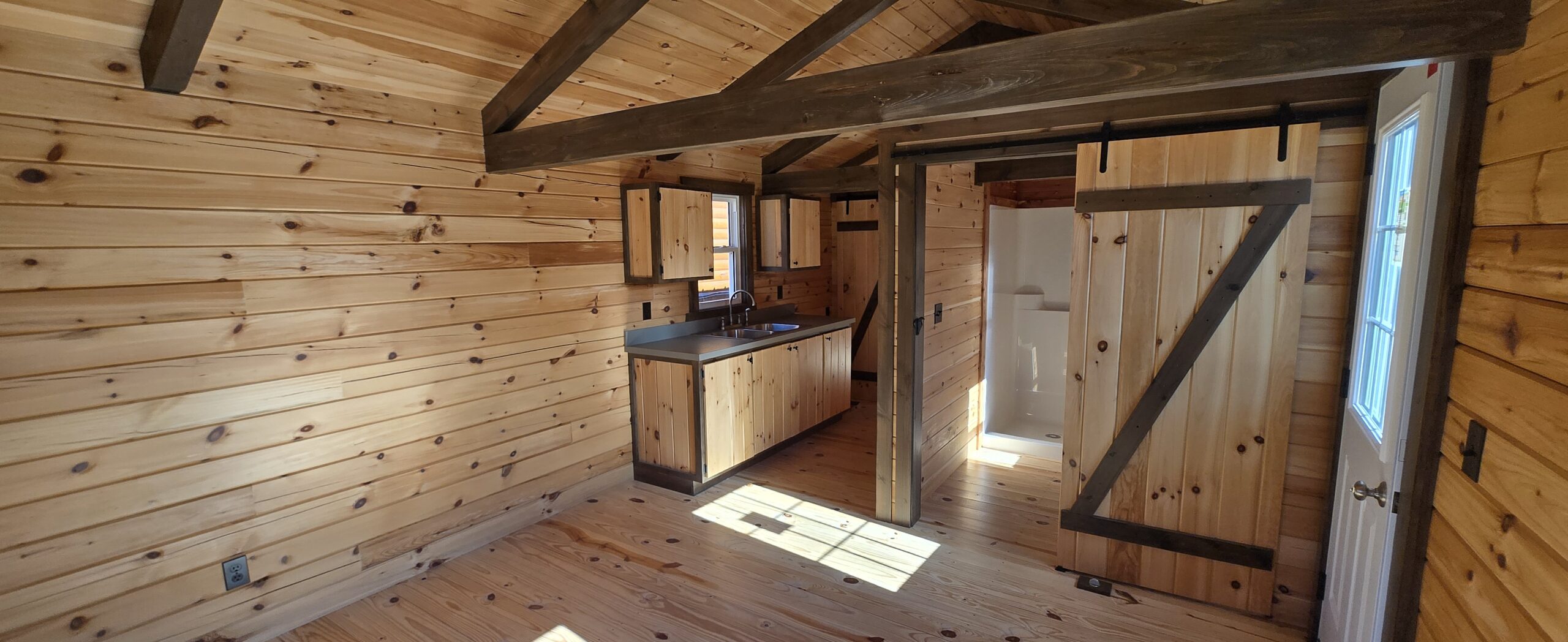
The type of logs used significantly affects pricing. Solid logs cost more than log siding or engineered log panels. Thicker logs provide better insulation and durability but increase material costs. Wood species also matters, as some woods are more expensive due to availability and performance. Higher quality materials improve longevity and reduce maintenance. Buyers should balance appearance, performance, and cost when selecting log materials.
Prefab Packages and What They Include
Prefab log cabin packages vary in what they include. Basic packages often cover walls, roof framing, and exterior components. Turnkey packages may include windows, doors, insulation, and interior finishes. The more complete the package, the higher the price. Understanding what is included prevents unexpected expenses later. Buyers should review package details carefully to compare options accurately.
Foundation and Site Preparation Costs
Foundation and site preparation add to the total cost of a prefab log cabin. Common foundations include concrete slabs, piers, and crawl spaces. Soil conditions, slope, and access affect pricing. Remote locations may increase delivery and labor costs. Proper site preparation ensures structural stability and long term performance. These costs should be factored into the overall budget early in the planning process.
How Location and Climate Influence Prefab Log Cabin Costs
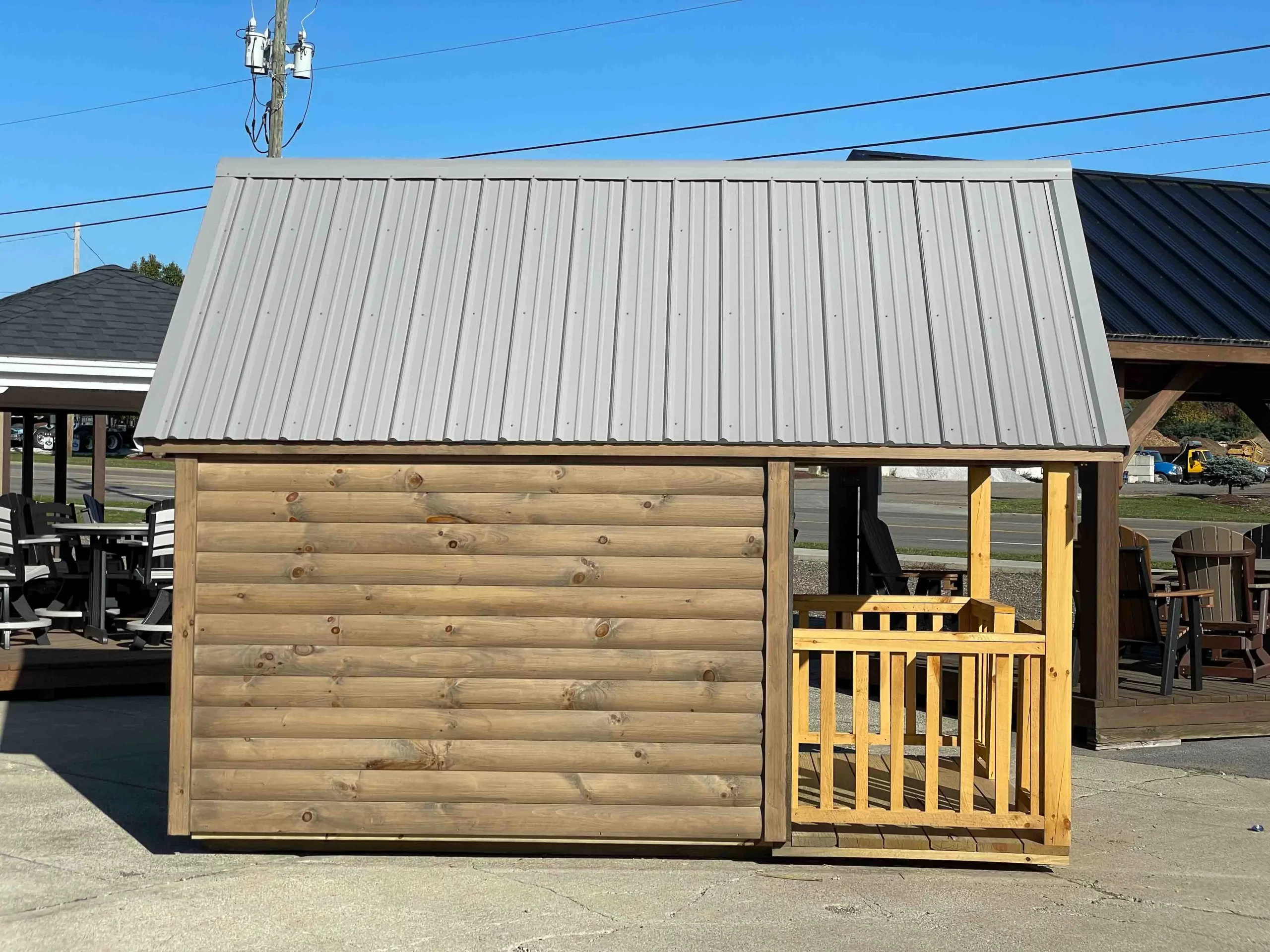
Location and climate play a major role in determining the final cost of a prefab log cabin. Cabins built in colder regions often require thicker logs, higher insulation values, and more robust roofing systems to handle snow loads. These requirements increase material and labor costs. In warmer or humid climates, additional treatments may be needed to protect logs from moisture, insects, and mold. Site accessibility also affects pricing.
Remote or wooded locations may require land clearing, longer delivery routes, or specialized equipment, which adds to transportation and setup expenses. Local building codes vary by region and can influence design requirements, foundation depth, and structural reinforcements. Permits and inspections may cost more in certain areas as well. Buyers who plan ahead and factor in climate related upgrades can avoid unexpected expenses. Understanding how location impacts pricing helps set realistic expectations and ensures the cabin performs well over time.
Interior Finishes and Customization
Interior finishes play a major role in final cost. Flooring, cabinetry, plumbing fixtures, and lighting all add to the budget. Custom layouts and upgraded finishes increase pricing but improve comfort and functionality. A versatile option like the Highlander Series Cabin allows buyers to balance customization with affordability. Selecting finishes strategically helps manage costs while achieving desired aesthetics.

Delivery and Assembly Costs
Delivery and assembly costs depend on cabin size, distance, and site accessibility. Larger cabins require more equipment and labor for assembly. Cranes may be needed for roof components. These costs vary by region and project complexity. Understanding logistics helps buyers avoid surprises. Clear access roads and prepared sites reduce installation expenses.
Long Term Value and Maintenance
Prefab log cabins offer strong long term value when properly maintained. Regular sealing and inspections protect the logs from moisture and pests. Quality construction reduces repair costs over time. While maintenance adds ongoing expense, it preserves appearance and structural integrity. Buyers should consider long term ownership costs alongside initial pricing.
Comparing Prefab Log Cabins to Traditional Builds
Prefab log cabins often cost less than traditional custom log homes. Faster build times reduce labor expenses and financing costs. Controlled manufacturing improves quality consistency. Traditional builds allow more customization but involve longer timelines and higher risk of cost overruns. Prefab options provide a balanced approach for many buyers.

Budgeting Tips for Buyers
Accurate budgeting starts with understanding all cost components. Buyers should account for the cabin, foundation, utilities, permits, and finishes. Setting aside a contingency fund helps manage unexpected expenses. Comparing multiple prefab options provides pricing clarity. Planning ahead ensures the project stays within budget.
Cost Insights From Industry Sources
Industry resources help buyers understand market pricing and trends. For a general overview of cabin construction costs, this guide from Fixr provides useful reference information. Reviewing multiple sources helps buyers make informed decisions.
Conclusion
The cost of a prefab log cabin depends on size, materials, finishes, and site conditions. Prices vary widely, but prefab construction offers predictable timelines and controlled quality. Ohio Cabins and Structures provides durable prefab cabins designed to balance cost and functionality for a range of needs. This article explained how much a prefab log cabin typically costs and what factors influence pricing. To explore available log cabin options and learn more, visit Ohio Cabins and Structures.