
Many homeowners and first time builders ask how thick are wall studs when planning renovations or learning about structural framing. Wall studs form the vertical backbone of framed walls, and their thickness directly affects strength, insulation capacity, and load support. While most residential buildings follow standard dimensions, variations exist depending on wall function and structural demands. Therefore, understanding how thick are wall studs helps homeowners make informed decisions during construction or remodeling.
Wall studs appear simple, but their size determines how much weight a wall can carry and how well it performs over time. Thickness influences insulation depth, electrical routing space, and overall durability. Knowing how thick are wall studs provides clarity when evaluating structural performance.
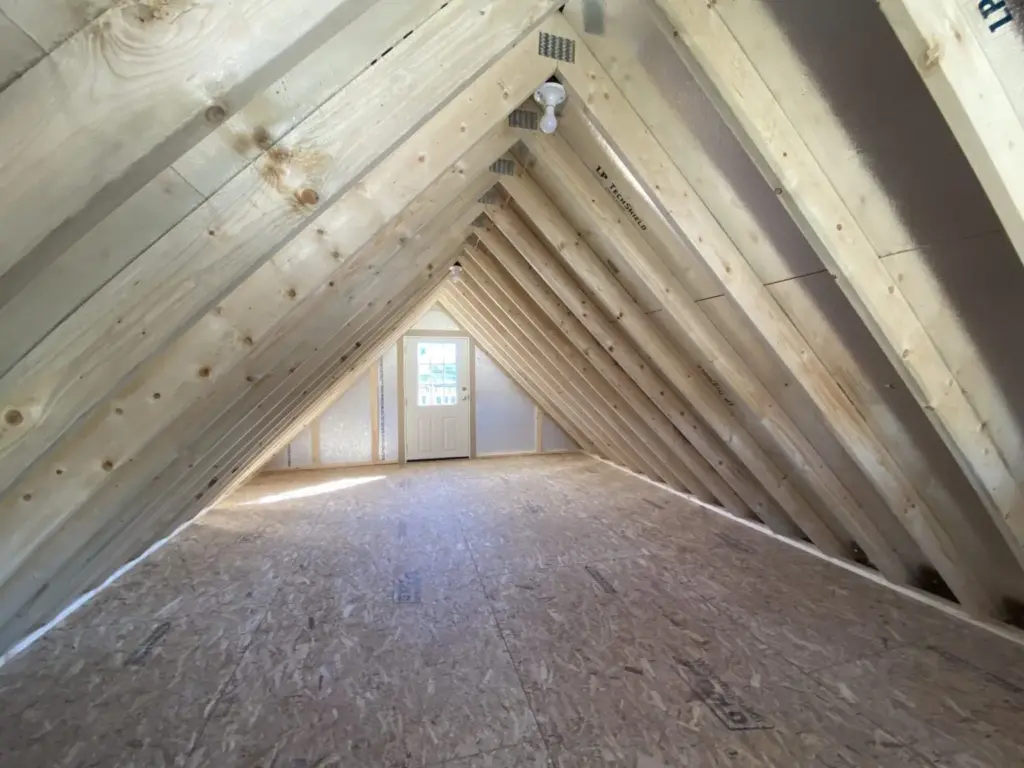
Standard Thickness of Residential Wall Studs
In most residential construction, wall studs are commonly labeled as two by four or two by six. However, their actual thickness differs from their nominal name. A standard two by four stud measures approximately 1.5 inches thick and 3.5 inches wide. A two by six stud measures approximately 1.5 inches thick and 5.5 inches wide.
When homeowners ask how thick are wall studs, they often assume the thickness equals two inches. In reality, modern dimensional lumber is milled to smaller finished dimensions. The consistent thickness of 1.5 inches remains standard for most wood framing.
Actual Dimensions vs Nominal Lumber Sizes
When asking how thick are wall studs, many people become confused by the difference between nominal and actual lumber sizes. A board labeled as two by four does not measure two inches by four inches in real dimensions. Instead, after milling and drying, it measures approximately 1.5 inches thick and 3.5 inches wide. The same adjustment applies to two by six studs, which measure 1.5 inches thick and 5.5 inches wide. This size reduction occurs during the planing and finishing process at the mill.
Builders rely on these standardized finished dimensions when designing framing systems. Because the thickness remains consistent at 1.5 inches for most residential wood studs, structural calculations depend more on stud width and spacing than thickness alone. Understanding this distinction helps homeowners accurately measure framing members during renovations. It also prevents confusion when reviewing building plans or purchasing materials for construction projects.
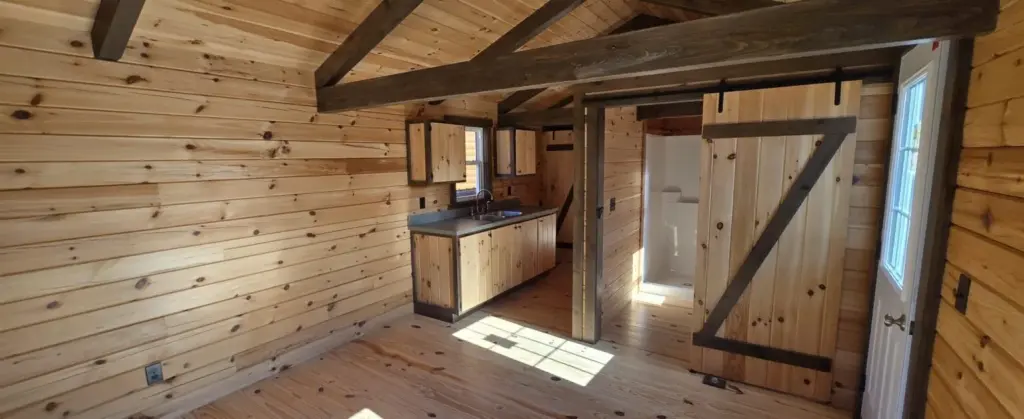
Why Thickness Matters in Load Bearing Walls
Load bearing walls carry weight from floors, roofs, and ceilings above. In these walls, stud thickness directly impacts structural stability. Although two by four studs work in many single story homes, taller walls or heavier loads may require larger framing members.
When evaluating how thick are wall studs in load bearing walls, builders consider building height and roof design. Two by six studs provide greater strength and increased surface area for fastening. This added capacity improves performance under heavier loads.
Wall Stud Thickness and Insulation Depth
Stud thickness determines insulation cavity size. Two by four studs allow for approximately 3.5 inches of insulation depth, while two by six studs allow about 5.5 inches. Thicker walls support higher insulation R values, which improve energy efficiency.
In colder climates, builders often choose thicker studs to accommodate better insulation. When asking how thick are wall studs in energy efficient homes, the answer frequently points to two by six framing for improved thermal performance.
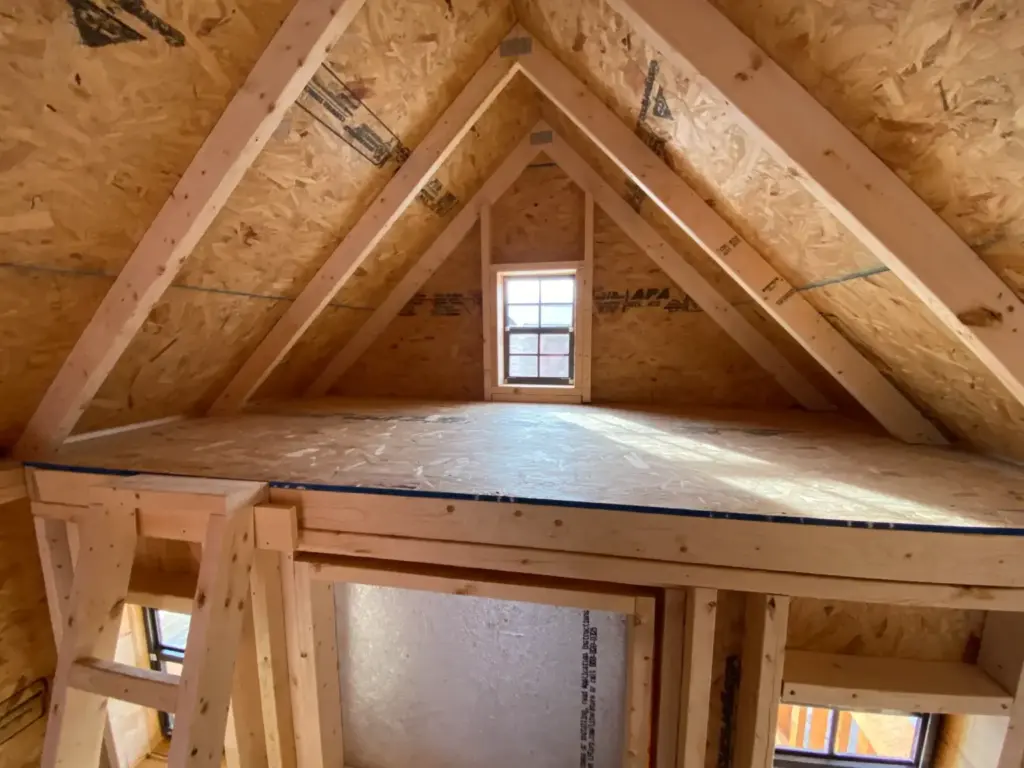
How Stud Thickness Affects Electrical and Plumbing Installation
Stud thickness and wall depth directly affect how utilities are installed inside framed walls. When evaluating how thick are wall studs, it is important to consider how much space remains for electrical wiring, plumbing pipes, and HVAC components. Two by four walls provide limited cavity depth, which can restrict pipe diameter and insulation coverage around wiring. In contrast, two by six walls offer greater interior space for mechanical systems and reduce the need for additional framing modifications.
Electricians and plumbers often prefer deeper wall cavities because they allow easier routing and reduce the risk of damaging structural members. Thicker walls also help maintain insulation integrity around pipes, which reduces condensation risk in colder climates. For builders planning future upgrades or additional outlets, increased wall depth can provide valuable flexibility. Therefore, stud thickness influences not only structural strength but also the efficiency and convenience of interior system installation.
Stud Thickness in Garages and Workshops
Garages and workshops often follow similar framing standards as homes, but usage demands may influence stud size. Heated garages benefit from thicker studs because they allow better insulation. Unheated structures may rely on two by four framing.
For example, a structure like the 14×36 Modern Garage depends on strong framing to support roof loads and large door openings. Proper stud thickness ensures long term structural integrity.
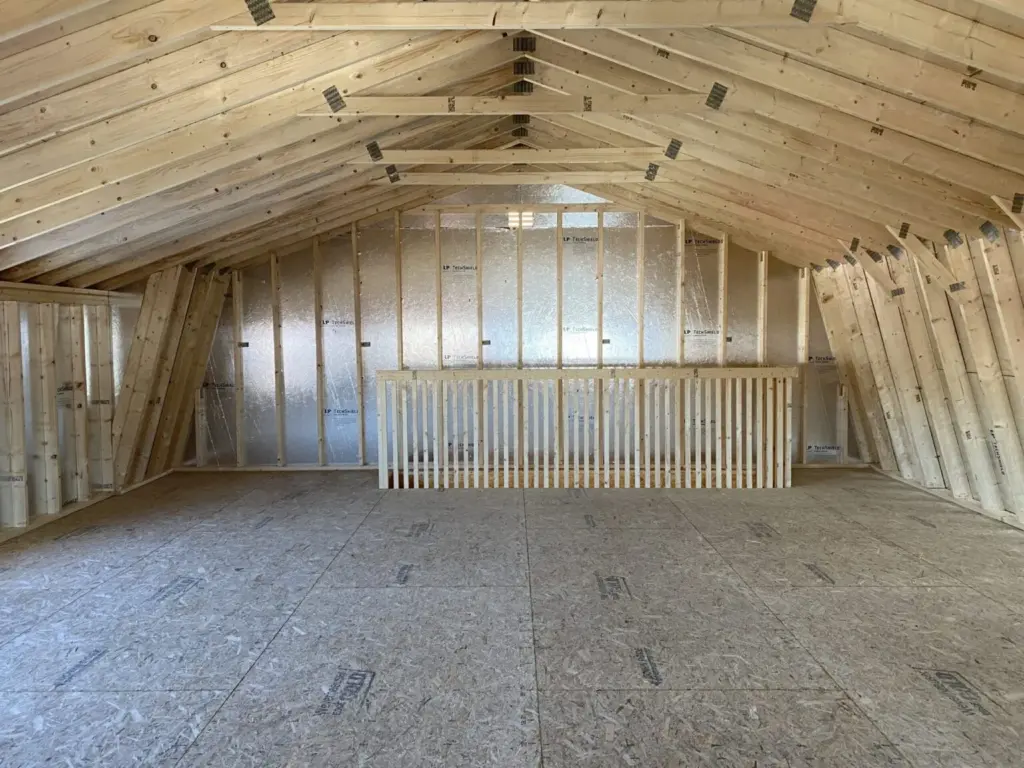
Stud Thickness in Multi Level Structures
Multi level buildings place greater stress on vertical framing. Studs must transfer weight from upper floors down to the foundation. In these cases, two by six or engineered studs may provide better stability.
A structure such as the 16×24 2 Story Workshop requires careful framing alignment between levels. Thicker framing members help maintain strength across multiple floors.
Steel Stud Thickness and Alternatives
Steel studs serve as an alternative to wood framing in some construction projects. They are typically manufactured in gauges rather than traditional lumber sizes. While steel studs may have thinner walls than wood studs, their strength comes from engineered design rather than mass.
When comparing how thick are wall studs in steel versus wood construction, the measurement approach differs. Steel studs may appear thinner, yet structural performance depends on gauge and profile rather than width alone.
Building Codes and Framing Requirements
Local building codes establish minimum framing requirements. Stud thickness, spacing, and grade must meet safety standards. Engineers calculate these standards based on load, wall height, and regional weather conditions.
For additional technical information on framing standards and wood dimensions, this resource from the American Wood Council provides structural references and building guidelines. Consulting code requirements ensures compliance and safety.

Conclusion
So how thick are wall studs in typical residential construction? Most wood studs measure 1.5 inches thick regardless of whether they are labeled two by four or two by six. The difference lies in width, which affects insulation depth and load capacity. Thicker framing often improves structural strength and energy efficiency. Ohio Cabins and Structures designs garages, workshops, and cabins with durable framing systems built for long term performance. This article explained how thick are wall studs and how thickness influences strength, insulation, and code compliance. To explore buildings constructed with reliable framing systems, visit Ohio Cabins and Structures.