Modular homes are becoming a popular choice for homeowners looking for affordable, efficient, and high-quality housing, but many people still ask what are modular homes and how they actually work. A modular home is built in sections inside a factory and then transported to the building site where it is assembled on a permanent foundation. Unlike traditional construction, this process allows for faster build times and better quality control. While the concept may seem similar to other factory-built homes, modular homes follow strict building codes and offer durability comparable to site-built houses. Understanding how they are designed, built, and used can help you decide if this housing option fits your needs.
How Modular Homes Are Built From Factory To Site
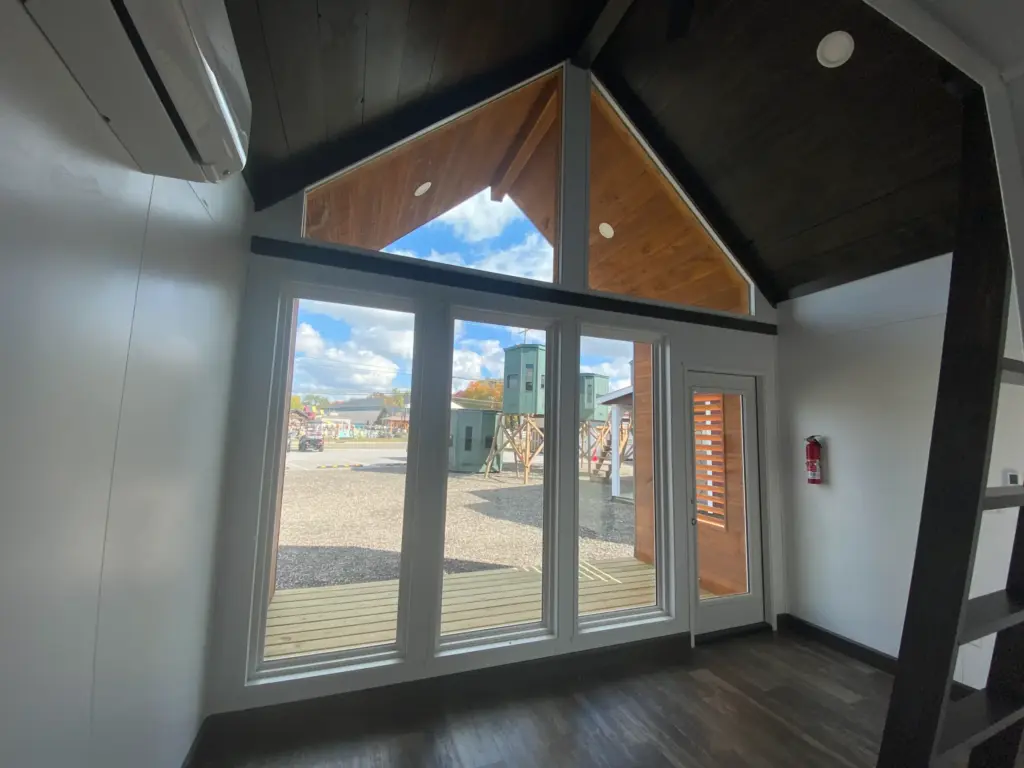
To fully understand modular homes, it is important to look at the construction process. Modular homes are built in controlled factory environments where each section, often called a module, is constructed using precise measurements and consistent materials. These modules include walls, floors, ceilings, and even electrical and plumbing systems. Once completed, they are transported to the building site and assembled on a permanent foundation. This process reduces delays caused by weather and allows for better quality control compared to traditional on-site construction. Because each module is built indoors, materials are protected from moisture and damage, resulting in a more durable structure. After assembly, the home is finished with final touches, making it ready for occupancy just like any conventional house.
Key Features That Set Modular Homes Apart
When asking what are modular homes, one of the key factors to consider is what makes them different from other housing options. Modular homes are designed to meet the same local and state building codes as traditional homes, which means they must meet strict safety and structural standards. They are also permanently installed on a foundation, which gives them stability and long-term value. Another defining feature is their efficiency. Factory construction reduces material waste and allows for faster completion times. Modular homes also offer modern designs, open floor plans, and energy-efficient features that make them attractive to a wide range of buyers. These features combine to create a housing option that is both practical and appealing.
Benefits Of Choosing A Modular Home
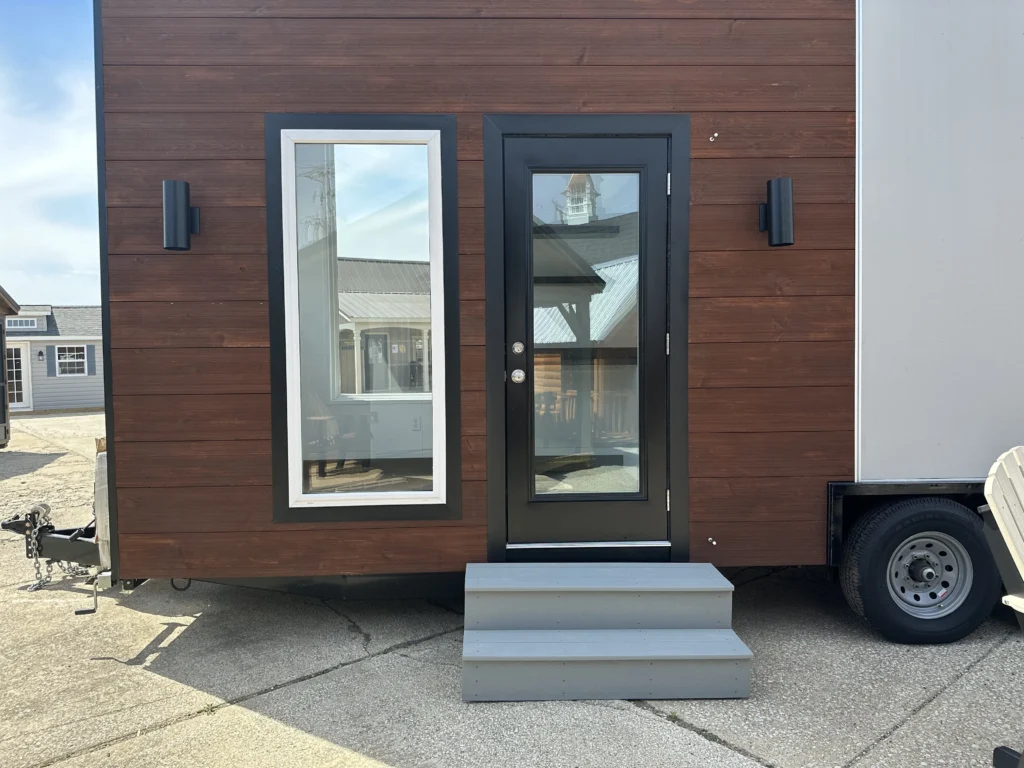
There here are several advantages that make this type of housing attractive to modern buyers. One major benefit is speed. Because construction happens in a factory, weather delays are minimized, and projects are completed faster. Cost efficiency is another key factor. Factory production reduces material waste and labor costs, which can lower the overall price. Energy efficiency also stands out, as tighter construction methods help reduce heating and cooling costs. Many modular homes include modern layouts that maximize space and functionality. These combined benefits make them appealing to first-time buyers, families, and anyone looking for a practical housing solution.
Common Misconceptions About Modular Housing
There are several misconceptions that often confuse buyers. One of the biggest is the belief that modular homes are the same as mobile homes, which is not accurate. Another common misunderstanding is that they are less durable than traditional houses. In reality, these homes are built to withstand transportation, which often makes them structurally strong. Some people also assume that design options are limited, but modern modular construction offers a wide range of layouts and customization choices. Clearing up these misconceptions helps buyers make more informed decisions and understand the true potential of this housing option.
Real World Example Of Modular Style Living
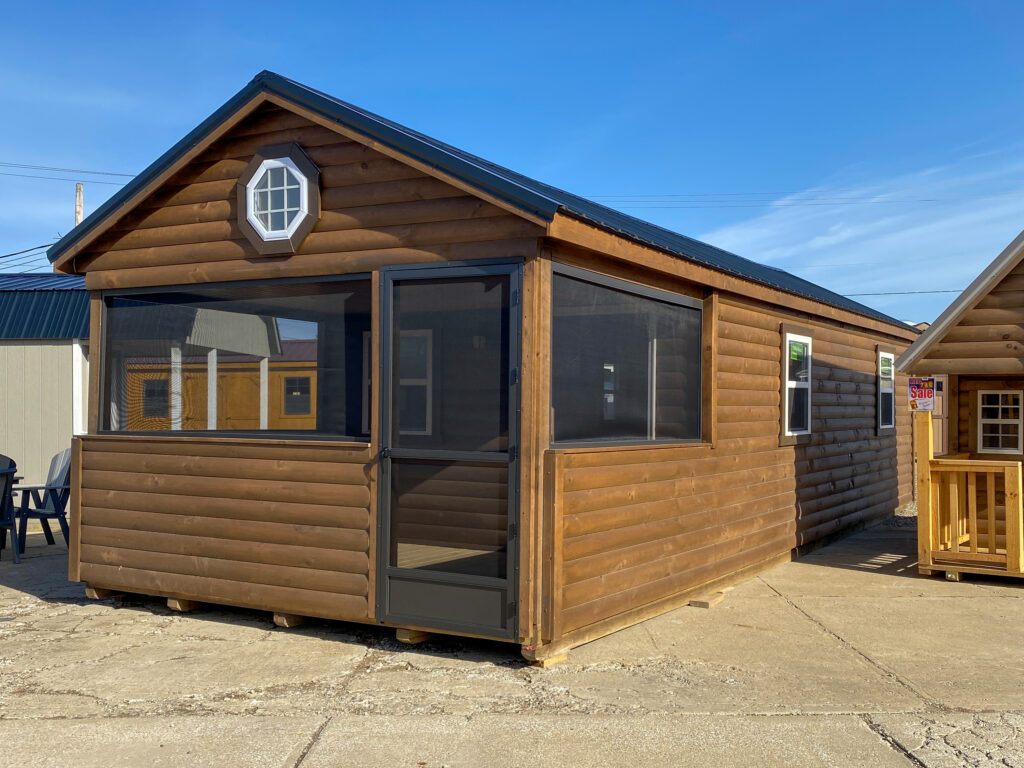
A structure like the Blue Ridge Cabin reflects how modular-style construction can combine efficiency with comfort. It offers a well-designed layout that makes good use of available space while maintaining durability. This type of design shows how factory-built construction can deliver both practicality and a comfortable living environment. It also highlights how modern modular concepts are being used to create homes that feel both functional and inviting.
Another Modular Inspired Living Option With Strong Design
For those who want a different style with similar benefits, the Tennessee Mountain Cabin provides another strong example. It combines solid construction with a layout designed for long-term use. This type of structure demonstrates how modular building methods can adapt to different preferences while maintaining strength and reliability. It also shows how these homes can offer both aesthetic appeal and practical functionality for everyday living.
Cost Comparison Between Modular And Traditional Homes
Cost plays a major role when choosing a housing option. Modular homes are often more affordable than traditional houses because of reduced labor and faster construction timelines. However, the total cost depends on factors such as customization, land purchase, and site preparation. While traditional homes may offer more flexibility in certain areas, they often require more time and higher expenses. Modular construction provides a balance between cost and quality, making it a strong option for buyers who want value without sacrificing durability. According to housing data from the U.S. Census Bureau, alternative construction methods are becoming more common as demand for efficient housing grows.
Long Term Value And Investment Potential
One of the biggest concerns for buyers is whether modular homes hold their value. Because they are built to local codes and placed on permanent foundations, they can appreciate in value similarly to traditional homes. Their energy efficiency and durable construction also contribute to long-term savings. However, factors such as location, maintenance, and market conditions will influence their overall value. For many buyers, modular homes offer a strong balance between affordability and long-term investment potential, making them a practical choice for modern living.
Who Should Consider This Type Of Home
This type of housing works well for a wide range of buyers. First-time homeowners often choose it because of affordability and faster move-in timelines. Families appreciate the flexibility in design and efficient use of space. Retirees may prefer these homes because they are easier to maintain and manage. They are also a good option for those building in rural areas where traditional construction may take longer. Understanding your lifestyle and long-term goals can help determine whether modular construction is the right fit for your needs.
Conclusion
In the end, modular homes offer a modern approach to housing that combines efficiency, durability, and cost savings. They provide a faster way to build without compromising on quality, making them a strong alternative to traditional construction. While they may not suit every situation, they offer flexibility and long-term value for many homeowners. Ohio Cabin and Structures continues to deliver well-built structures that reflect these principles of smart design and reliability. If you are exploring housing options that balance comfort and efficiency, visiting Ohio Cabin and Structures is a great place to start your search.