Tiny homes have become a popular housing option, but many people still ask, what are tiny homes and why are they gaining so much attention? Tiny homes are compact, efficient living spaces designed to provide everything you need in a smaller footprint. They focus on simplicity, smart design, and affordability. While they may appear small at first glance, they often deliver surprising comfort and flexibility. People are choosing tiny homes not just to save money, but to embrace a lifestyle that values freedom, mobility, and intentional living. To truly understand their appeal, it is important to look at how they are built, how they function, and who they are best suited for.
What Defines A Tiny Home In Modern Housing
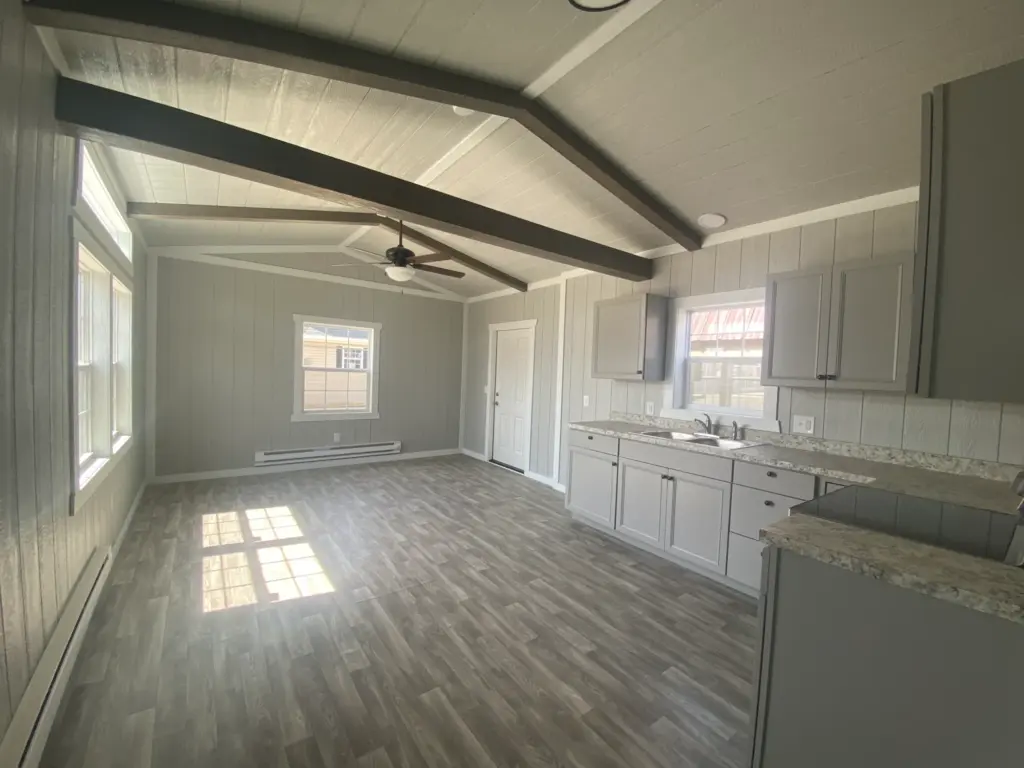
When exploring what are tiny homes, the first thing to understand is their size and purpose. Most tiny homes range from 100 to 400 square feet, though some may be slightly larger depending on design and layout. Despite their smaller size, these homes include essential features such as a kitchen, bathroom, sleeping area, and living space. The key difference lies in efficiency. Tiny homes are designed to maximize every inch of space. Built-in storage, foldable furniture, and multi-purpose layouts are common features. Some tiny homes are built on trailers, allowing for mobility, while others sit on permanent foundations. This flexibility allows homeowners to choose a setup that matches their lifestyle. In today’s housing market, where costs continue to rise, tiny homes offer a practical alternative that combines affordability with creative design.
Why Tiny Homes Are Gaining Attention Nationwide
The growing popularity of tiny homes is closely tied to changing economic and lifestyle priorities. Many people are looking for ways to reduce housing costs and avoid long-term debt. Tiny homes provide a solution by offering a lower purchase price and reduced monthly expenses. Beyond financial benefits, they also promote a simpler way of living. Owners often focus on experiences rather than possessions, which aligns with a minimalist lifestyle. Environmental concerns also play a role. Smaller homes use fewer building materials and require less energy for heating and cooling. According to data from the U.S. Department of Energy, reducing home size can significantly lower energy consumption. This combination of affordability, sustainability, and lifestyle flexibility continues to drive interest in tiny homes across the country.
Popular Types Of Tiny Homes Available Today
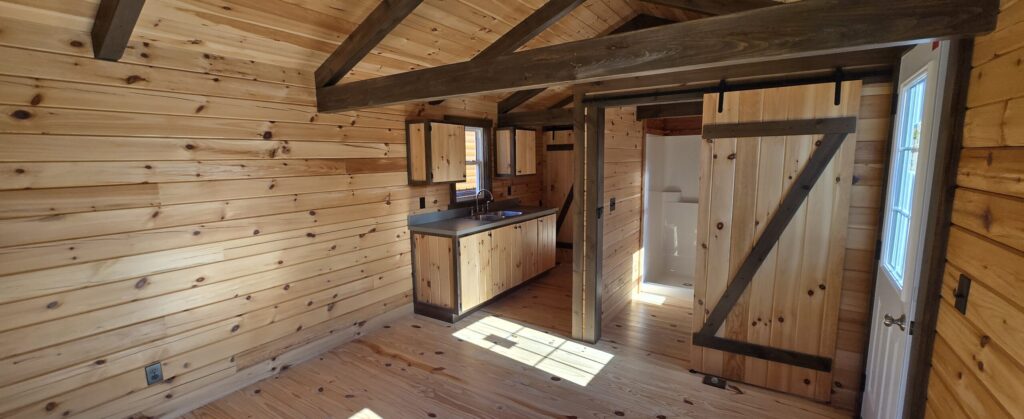
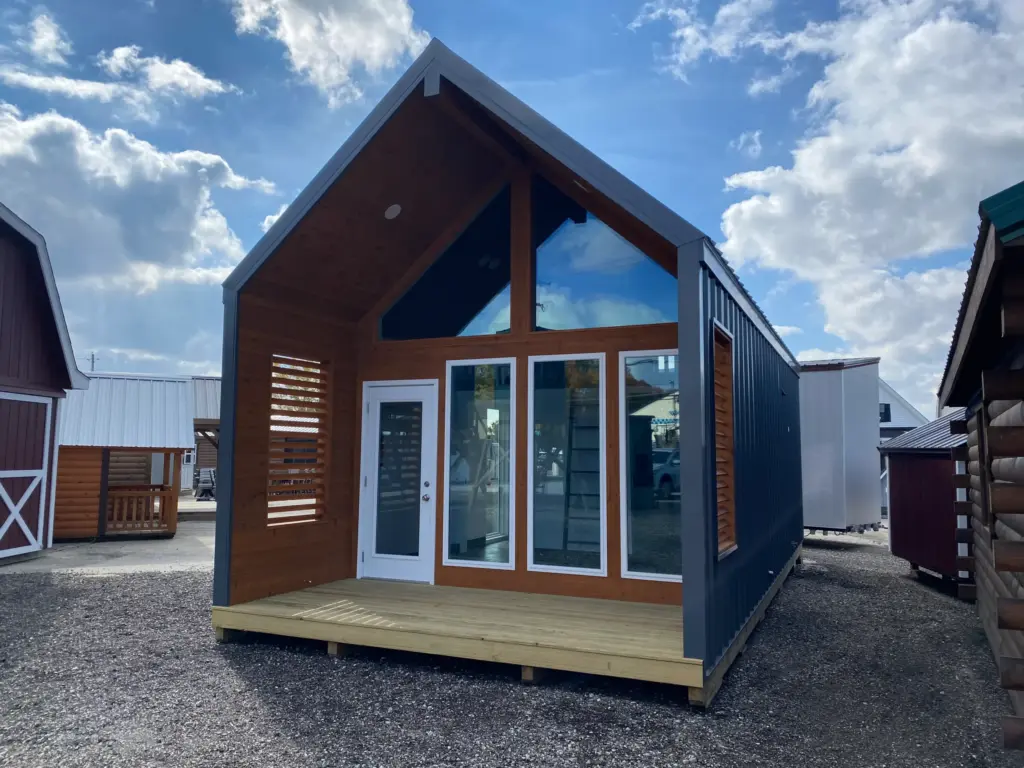
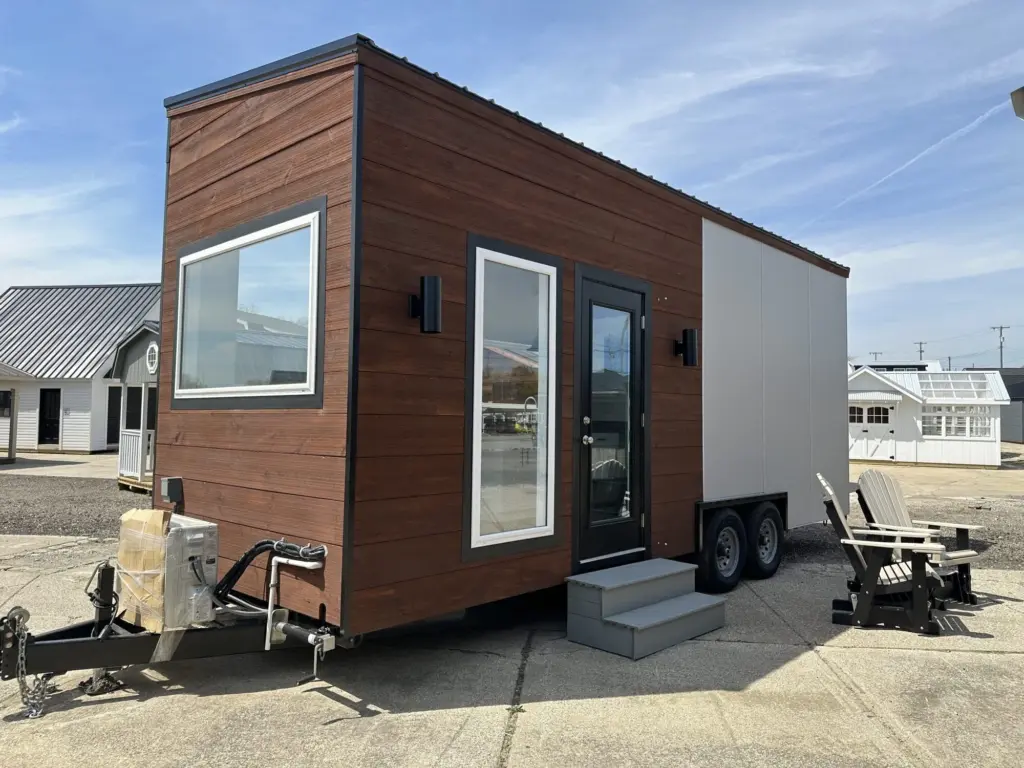
There are several types of tiny homes, each offering unique benefits. Tiny houses on wheels are among the most popular options because they provide mobility and flexibility. These homes can be moved between locations, making them ideal for people who enjoy travel or need flexibility in where they live. Foundation-based tiny homes are built more like traditional houses and are often placed on private land or within dedicated communities. Shipping container homes offer a modern and durable alternative, using recycled materials to create a unique look. Prefabricated tiny homes are another option, built off-site and delivered ready for installation. A great example is the Ashmore Mobile Tiny Home, which combines mobility with thoughtful design, making it a strong choice for those who want both convenience and comfort in a compact space.
Design Features That Make Tiny Homes Practical
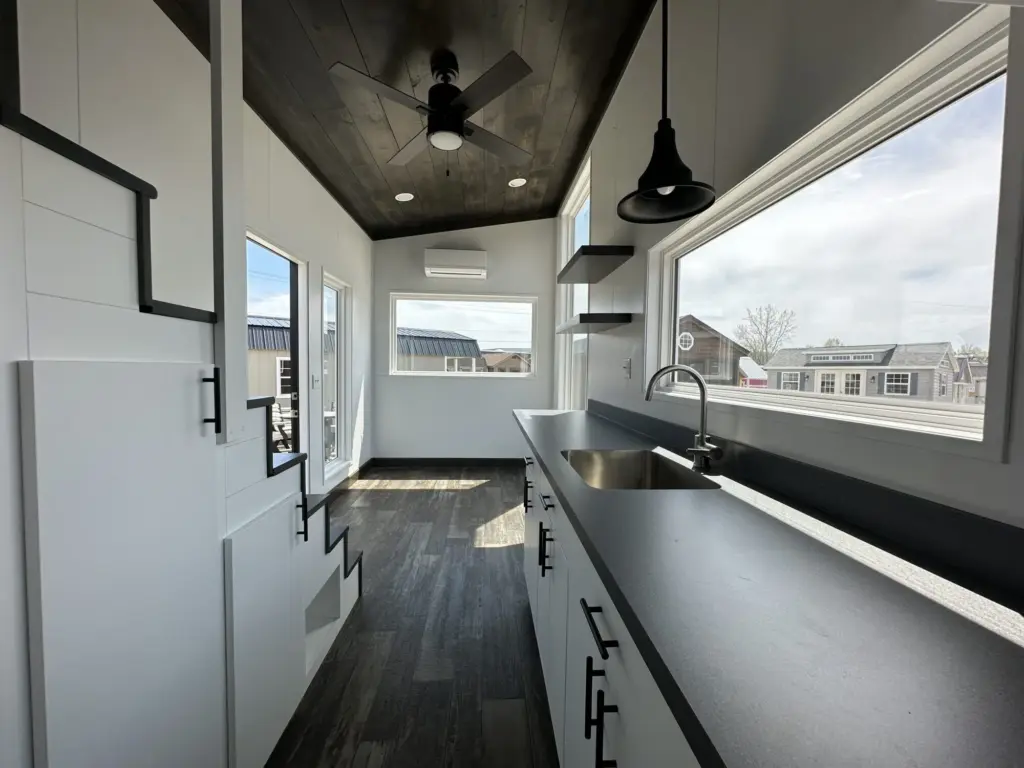
Tiny homes stand out because of their smart design features. Every part of the home is planned with efficiency in mind. Lofted sleeping areas are commonly used to free up floor space. Storage is often built into stairs, walls, and furniture, helping reduce clutter. Kitchens are compact but functional, often including smaller appliances and clever storage solutions. Bathrooms may be smaller, but they are designed to include everything needed for daily use. Large windows are frequently added to make the space feel open and bring in natural light. These design elements work together to create a living environment that feels comfortable despite its smaller size. The goal is not just to save space, but to improve how space is used.
Cost Comparison Between Tiny Homes And Traditional Houses
One of the biggest reasons people search what are tiny homes is to understand their cost advantages. Tiny homes are significantly more affordable than traditional houses. Prices typically range from $30,000 to $100,000, depending on size, materials, and customization. In comparison, traditional homes can cost several hundred thousand dollars. Tiny homes also reduce ongoing expenses such as utilities, maintenance, and property taxes. However, buyers should consider additional costs like land purchase, permits, and utility hookups. While tiny homes are more affordable, proper planning is still necessary. Many homeowners find that the lower cost allows them to live debt-free or with minimal financial pressure.
Legal And Zoning Challenges To Consider
Understanding local regulations is essential before investing in a tiny home. Zoning laws vary widely depending on location. Some areas allow tiny homes and even have dedicated communities, while others have strict size requirements. Tiny homes on wheels may be classified as recreational vehicles, which can limit where they can be placed long-term. Foundation-based homes must follow local building codes and permit requirements. These legal factors can impact where and how a tiny home can be used. Researching local regulations in advance helps avoid unexpected issues and ensures a smoother buying process. Many buyers work with professionals or local authorities to better understand these requirements before making a decision.
Benefits And Limitations Of Tiny Home Living
Tiny homes offer several advantages, including lower costs, reduced environmental impact, and a simpler lifestyle. They encourage people to focus on essentials and avoid unnecessary clutter. Many owners report feeling more financially secure and less stressed. However, there are also challenges. Limited space can make storage difficult and may not suit larger families. Privacy can be limited, especially in shared living environments. Adjusting to a smaller space requires a shift in mindset and habits. Despite these challenges, many people find the benefits outweigh the drawbacks, especially when they value simplicity and flexibility.
Who Should Choose A Tiny Home Lifestyle
Tiny homes are ideal for individuals who want to simplify their lives and reduce expenses. Young professionals often choose them to avoid large mortgages, while retirees use them to downsize and lower costs. They are also popular as vacation homes or guest houses. Families can live in tiny homes, but it requires careful planning and organization. For those seeking adventure and flexibility, models like the 14×30 Adventure Getaway Tiny Home provide a balance between space and mobility, making them suitable for both full-time living and travel use.
Conclusion
In the end, understanding what are tiny homes goes beyond their size. They represent a shift toward intentional living, where people focus on what truly matters. Tiny homes provide an affordable, flexible, and efficient way to live without the burden of large expenses. While they are not the right fit for everyone, they offer a valuable alternative to traditional housing. Our website continues to support this growing movement by offering well-designed tiny home options that combine comfort with practicality. If you are considering making the switch, exploring options at Ohio Cabin and Structures is a great place to start your journey toward a simpler and more efficient lifestyle.