Designing a modern home today is no longer limited to traditional construction, and many people now ask how to design modular homes that are efficient, flexible, and cost-effective. Modular homes are built in sections off-site and then assembled on location, which allows for faster construction and more control over design. While the process may seem straightforward, creating a well-designed modular home requires careful planning, smart layout decisions, and attention to detail. From choosing the right floor plan to optimizing space and materials, every step plays a role in the final result. This guide walks you through the key elements so you can design a modular home that fits your needs and lifestyle.
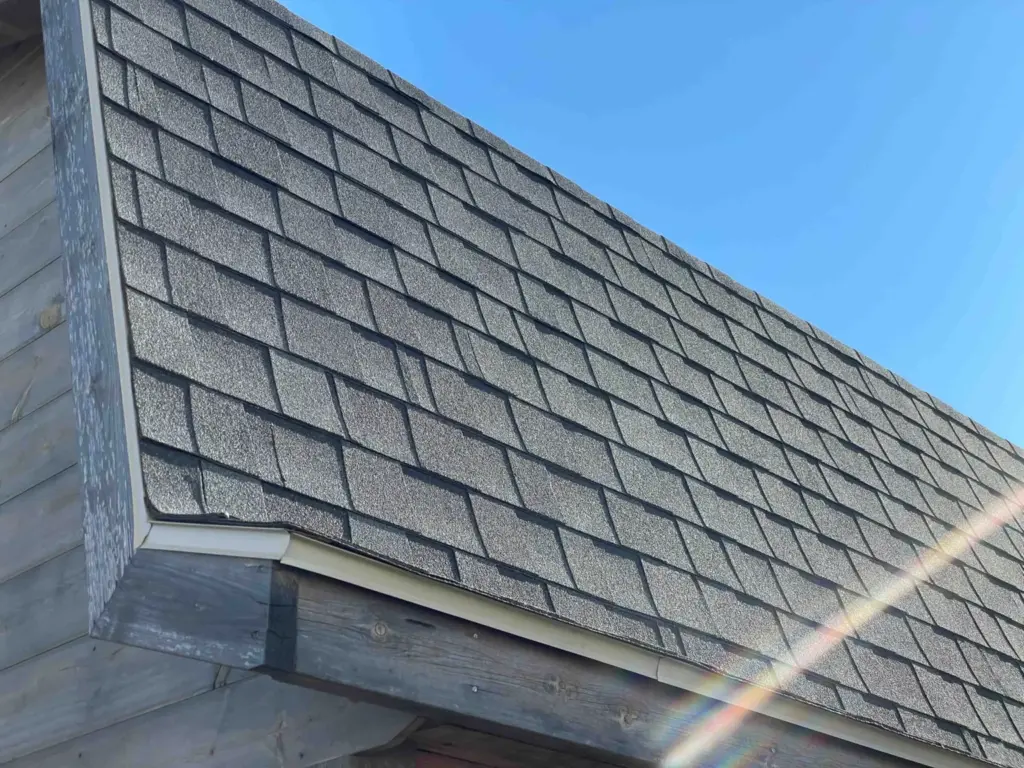
What Makes Modular Home Design Different From Traditional Homes
When learning how to design modular homes, it is important to understand how they differ from traditional houses. Modular homes are constructed in sections within a controlled factory environment, which means design decisions must align with transportation and assembly requirements. Each module must be built to fit specific size limits so it can be transported safely to the site. This affects room layout, ceiling height, and structural planning. Unlike traditional construction, where adjustments can be made on-site, modular design requires more upfront precision. However, this process also brings advantages such as better quality control and reduced material waste. By understanding these differences, you can design a home that works efficiently within modular construction constraints while still achieving your desired look and functionality.
Planning The Layout For Maximum Space Efficiency
One of the most important aspects of how to design modular homes is creating a layout that maximizes space. Since modular homes are often more compact than traditional houses, every square foot must be used wisely. Open floor plans are commonly used to create a sense of spaciousness and allow for flexible use of living areas. Combining kitchen, dining, and living spaces into one area can make the home feel larger and more connected. Storage solutions should be built into the design, such as cabinets, closets, and multi-purpose furniture. Proper room placement is also essential to ensure smooth movement throughout the home. A well-planned layout not only improves functionality but also enhances comfort and livability.
Choosing The Right Design Style And Exterior Look
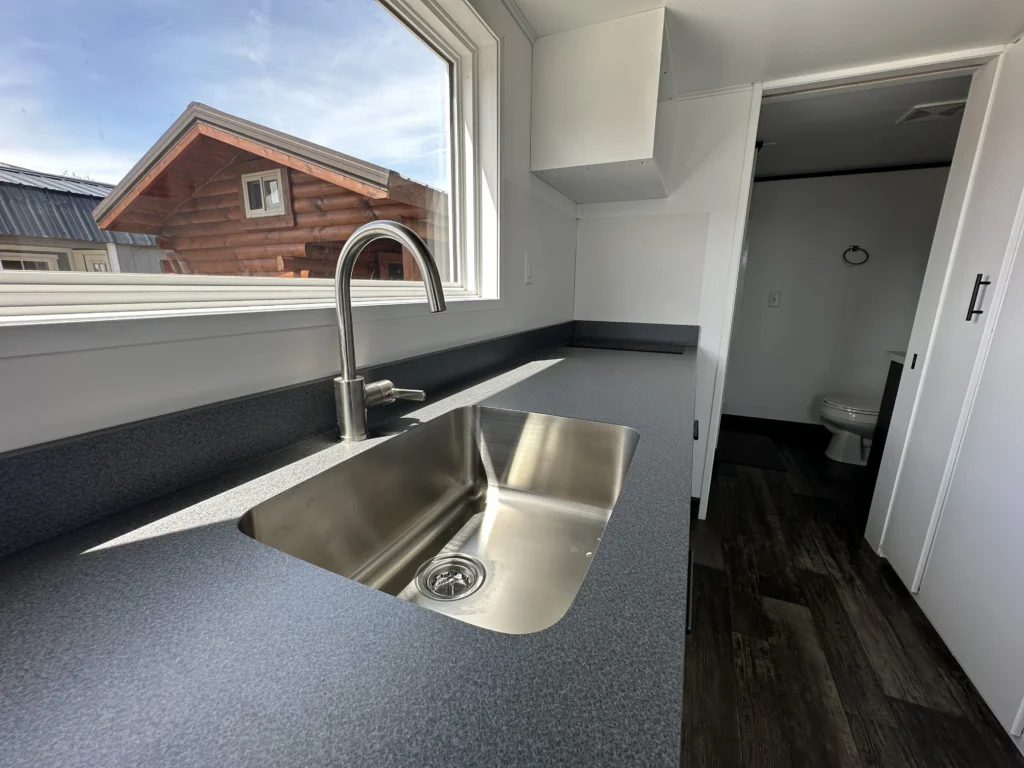
Design style plays a major role in how a modular home feels and functions. Whether you prefer a modern, rustic, or traditional look, modular homes can be customized to match your vision. Exterior features such as siding, roofing, and windows can be selected to create a cohesive appearance. Roof design is especially important, as it impacts both aesthetics and structural performance. Materials should be chosen based on durability, climate conditions, and maintenance requirements. A well-designed exterior not only improves curb appeal but also protects the home from environmental factors. Taking time to choose the right style ensures your modular home reflects your personal taste while remaining practical and long-lasting.
Incorporating Real World Modular Design Inspiration
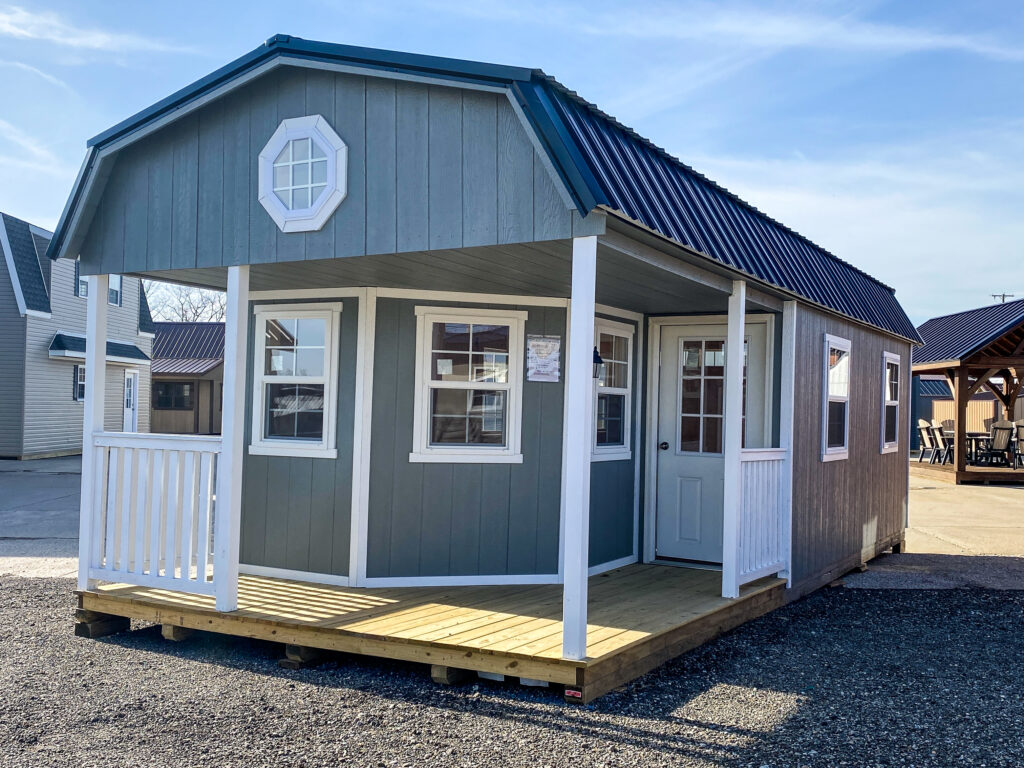
Looking at real structures can help you better understand how to design modular homes effectively. For example, the Cabin Cottage demonstrates how a compact modular-style layout can still feel open and comfortable. Its design shows how thoughtful planning can create a balance between functionality and style. Features like efficient room placement and practical storage solutions highlight how modular design can work in real-world applications. Using examples like this can guide your decisions and help you visualize how your own modular home can come together.
Designing For Comfort And Long Term Living
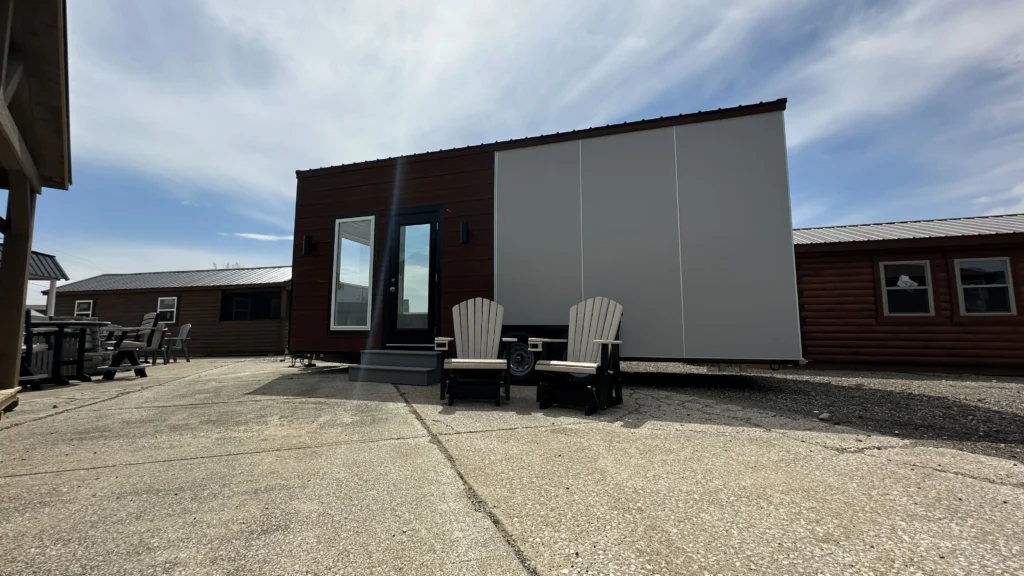
Comfort is a key factor when designing any home, and modular homes are no exception. Proper insulation, ventilation, and lighting are essential for creating a comfortable living environment. Windows should be placed strategically to allow natural light while maintaining privacy. Heating and cooling systems must be designed to work efficiently within the structure. Noise reduction is another important consideration, especially in smaller homes where sound can travel easily. Choosing the right materials and layout can significantly improve comfort and make the home more enjoyable for daily living. A well-designed modular home should feel just as comfortable as a traditional house.
Using Larger Modular Style Structures For Layout Ideas
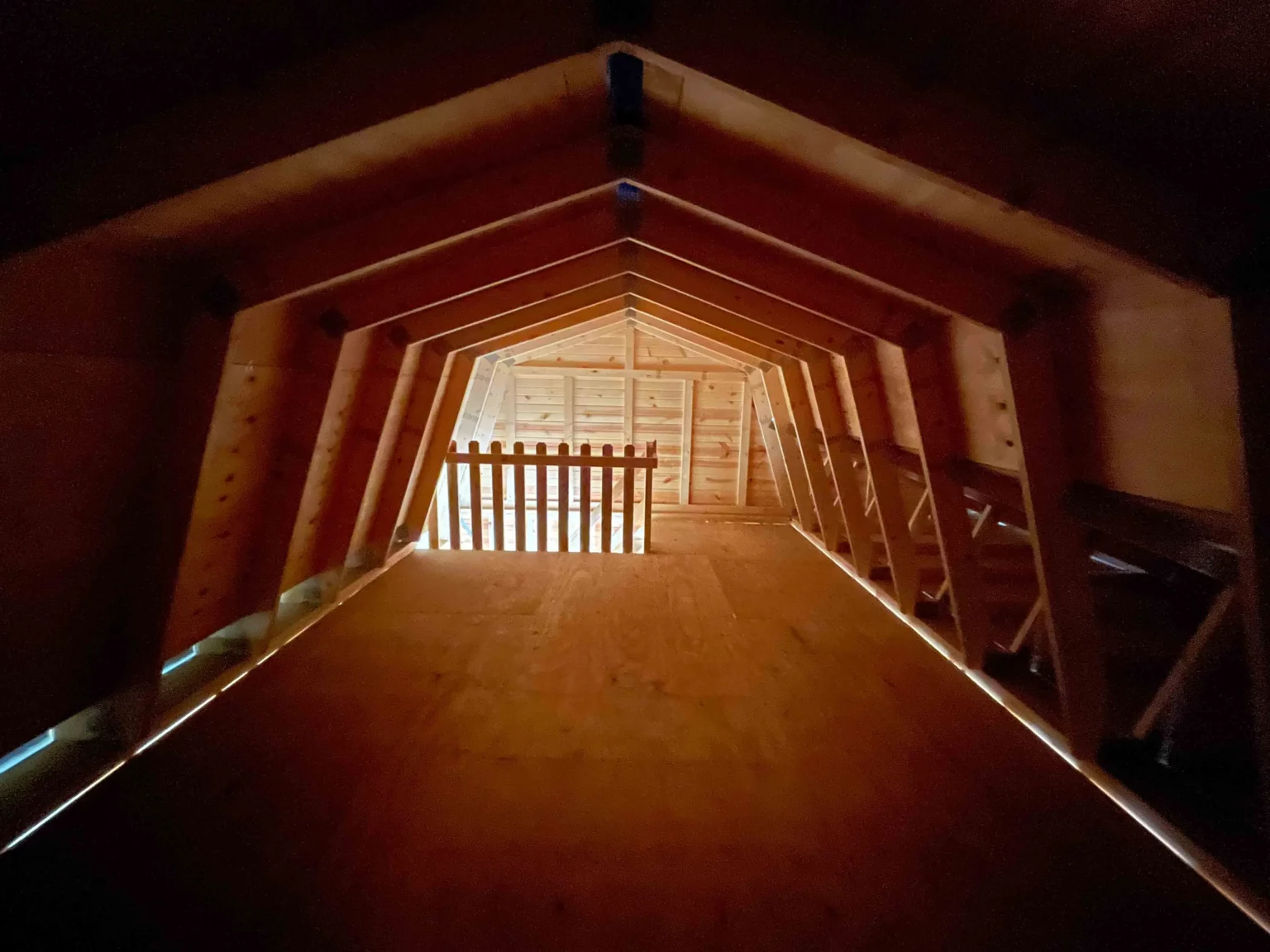
For those planning larger modular homes, looking at bigger structures can provide valuable inspiration. The Blue Ridge Cabin offers a great example of how space can be organized efficiently while maintaining a strong visual appeal. Its layout demonstrates how multiple rooms can be arranged without feeling crowded. This type of design approach is especially useful for families or individuals who need more space but still want the benefits of modular construction. Studying larger designs can help you plan your own layout more effectively and avoid common mistakes.
Understanding Costs And Budget Planning
Budget is a critical part of how to design modular homes. While modular construction is often more affordable than traditional building methods, costs can still vary depending on size, materials, and customization. It is important to plan your budget carefully and prioritize features that matter most to you. Factory-built modules can reduce labor costs, but transportation and installation expenses must also be considered. According to the U.S. Department of Housing and Urban Development, modular construction can offer cost savings when planned correctly. Setting a clear budget helps you make informed decisions and avoid overspending during the design process.
Avoiding Common Mistakes In Modular Home Design
One of the biggest mistakes people make when learning how to design modular homes is not planning ahead. Since modular homes are built off-site, making changes later can be difficult and expensive. Another common issue is underestimating space requirements, which can lead to cramped layouts. Poor placement of windows, doors, or utilities can also affect functionality. It is important to think through every detail before construction begins. Working with experienced designers or builders can help you avoid these mistakes and ensure a smoother process. Careful planning leads to better results and a more satisfying final outcome.
Conclusion
Understanding how to design modular homes is about combining smart planning with practical design choices. Modular homes offer flexibility, efficiency, and cost savings, but they require careful attention to layout, materials, and construction limits. From choosing the right style to optimizing space and ensuring comfort, every decision plays a role in the final result. While modular homes may differ from traditional houses, they can provide the same level of comfort and functionality when designed correctly. Ohio Cabin and Structures continues to offer well-crafted building solutions that reflect modern living needs. If you are ready to explore modular design options, visiting Ohio Cabin and Structures can help you find structures built for both style and performance.