
Buying extra storage sounds simple until you start comparing prices. Many property owners search how much do storage containers cost because the advertised price is rarely the final amount they pay. Container size, condition, delivery distance, and optional upgrades all influence the total cost. Some buyers only need temporary storage during a move or renovation, while others want a long-term solution for tools, equipment, or business inventory. Before spending thousands of dollars, it is worth understanding what drives container prices and whether another type of storage building may provide better value over time. This guide explains the real costs, common pricing factors, and practical alternatives to help you make a confident buying decision.
Average Prices For Different Storage Container Sizes
One of the biggest factors that determines how much do storage containers cost is size. Storage containers are commonly available in 10-foot, 20-foot, and 40-foot models. A used 10-foot container generally costs between $2,000 and $4,000. A 20-foot container usually ranges from $2,500 to $5,500, while a 40-foot model often starts around $4,000 and can exceed $8,000. These figures are estimates because prices change based on supply, steel costs, and transportation expenses. New containers typically cost more than used ones because they have experienced very little wear.
Larger containers also require more expensive transportation, which increases the overall investment. Comparing multiple suppliers before purchasing often helps buyers find better pricing and a wider selection of available units.
What Can Increase The Total Purchase Price
The listed purchase price is only one part of the total investment. Delivery fees can add several hundred dollars depending on your location and site accessibility. If the delivery truck cannot easily reach the installation area, additional equipment may be required. Many buyers also prepare a gravel or concrete base before installation, which adds to the project cost. Some municipalities require permits before a storage container can be placed on residential property. Custom modifications also increase the price.
Adding insulation, shelving, lighting, ventilation, roll-up doors, or electrical wiring creates a more functional space but raises the overall budget. According to the National Institute of Standards and Technology (NIST), selecting appropriate building and storage solutions requires considering structural performance, safety, and long-term durability.
Should You Buy A New Or Used Storage Container
Choosing between a new and used container depends on how you plan to use it. New containers, often called one-trip containers, have made only a single cargo shipment before being sold. They usually have clean interiors, minimal dents, and excellent weather resistance. Although they cost more, they are ideal for businesses and homeowners who want a long-lasting storage solution with a professional appearance. Used containers are more affordable and still provide excellent protection for tools, equipment, and supplies.
However, buyers should inspect them carefully for rust, damaged flooring, leaking roofs, and worn door seals. Spending slightly more on a well-maintained used container can often reduce repair costs later. Balancing condition with price usually results in a better long-term investment.
Think About Your Storage Needs Before Buying
Before deciding how much do storage containers cost is worth it, consider what you actually plan to store. Temporary household items require far less space than construction equipment or commercial inventory. Think about how often you will access your belongings and whether you need room to organize them. Climate also matters. Metal containers can become extremely hot during summer and may develop condensation without proper ventilation.
If your storage needs are expected to grow over time, choosing a larger structure now may save money later. Evaluating your current and future requirements before shopping makes it much easier to choose the right storage solution without paying for unnecessary features.
Storage Sheds Can Be A Better Choice For Everyday Use
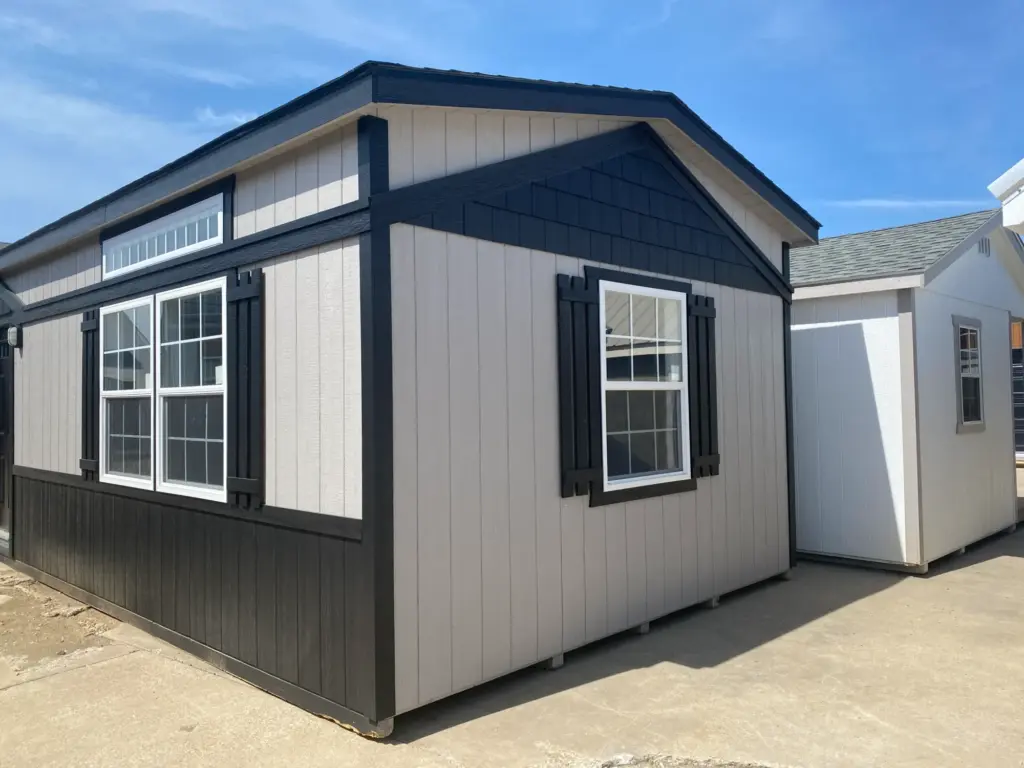
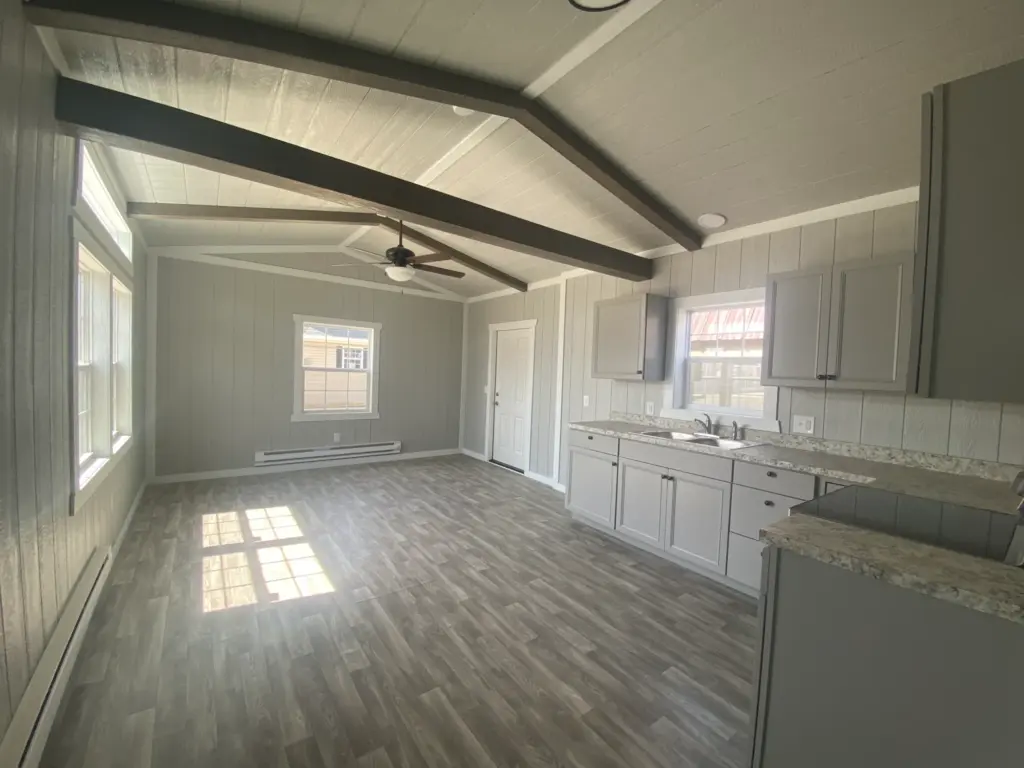
Not everyone needs the industrial strength or size of a shipping container. Many homeowners simply need a secure place to store lawn equipment, bicycles, gardening tools, holiday decorations, or outdoor furniture. In these situations, a storage shed often provides a more practical solution. The 10×14 Natural Light Three Seasons Shed offers generous storage space while creating a brighter and more comfortable environment. Natural light improves visibility during the day, making it easier to organize and locate stored items.
Unlike a steel container that can become dark and hot, a purpose-built shed feels more inviting and blends naturally with residential properties. For many homeowners, it delivers the storage they need without the appearance or limitations of a shipping container.
Is Renting A Storage Container More Affordable Than Buying
Renting can be the right option if you only need storage for a short period. Home renovations, construction projects, and moving between homes are common situations where renting makes financial sense. Monthly rental costs may seem reasonable at first, but they add up over time. If you expect to use a container for several years, purchasing usually becomes the more economical choice. Ownership also gives you complete control over modifications, maintenance, and placement. Before making a decision, calculate how much you would spend on rental fees over one, three, and five years. Comparing those figures with the purchase price often makes the better option much clearer.
Tips For Finding The Best Deal On A Storage Container
Shopping carefully can save you a significant amount of money. Request quotes from multiple suppliers instead of accepting the first price you receive. Compare delivery charges separately because they vary by location and distance. If you are buying a used container, inspect it carefully before committing. Check the roof for leaks, examine the flooring for damage, and make sure the doors open and close properly. Ask whether the container is wind and watertight, as this affects its long-term performance. Buying from a reputable supplier may cost slightly more upfront, but it often reduces future repair expenses and provides greater peace of mind.
Conclusion
In the end, knowing how much do storage containers cost means looking beyond the advertised price. Size, condition, transportation, site preparation, and optional upgrades all affect the total investment. While shipping containers can be an excellent storage solution for many situations, they are not always the best long-term choice. Permanent garages and storage buildings often provide greater convenience, accessibility, and lasting value. At Ohio Cabin and Structures, we build durable storage buildings, garages, cabins, and custom structures designed to meet a variety of residential and commercial needs. If you’re ready to compare quality storage solutions built to last, explore Ohio Cabin and Structures to find the right option for your property.