
A barn door can change the look of a room without requiring a traditional swinging door. The basic process involves measuring the opening, installing a strong mounting board or track, attaching rollers to the door, and hanging the panel so it moves smoothly. When deciding how to install a barn door, accuracy matters more than speed. The track must stay level, the hardware needs solid framing behind it, and the door needs enough clearance from the floor and wall.
Before buying hardware, measure the doorway and the wall beside it. A sliding barn door needs open wall space equal to at least the width of the door. Light switches, vents, pictures, shelves, and furniture can block its path. You should also check the floor for uneven areas that could interfere with the bottom of the door. Planning these details before drilling holes can prevent most installation problems.
Measure The Doorway And Choose The Right Door Size
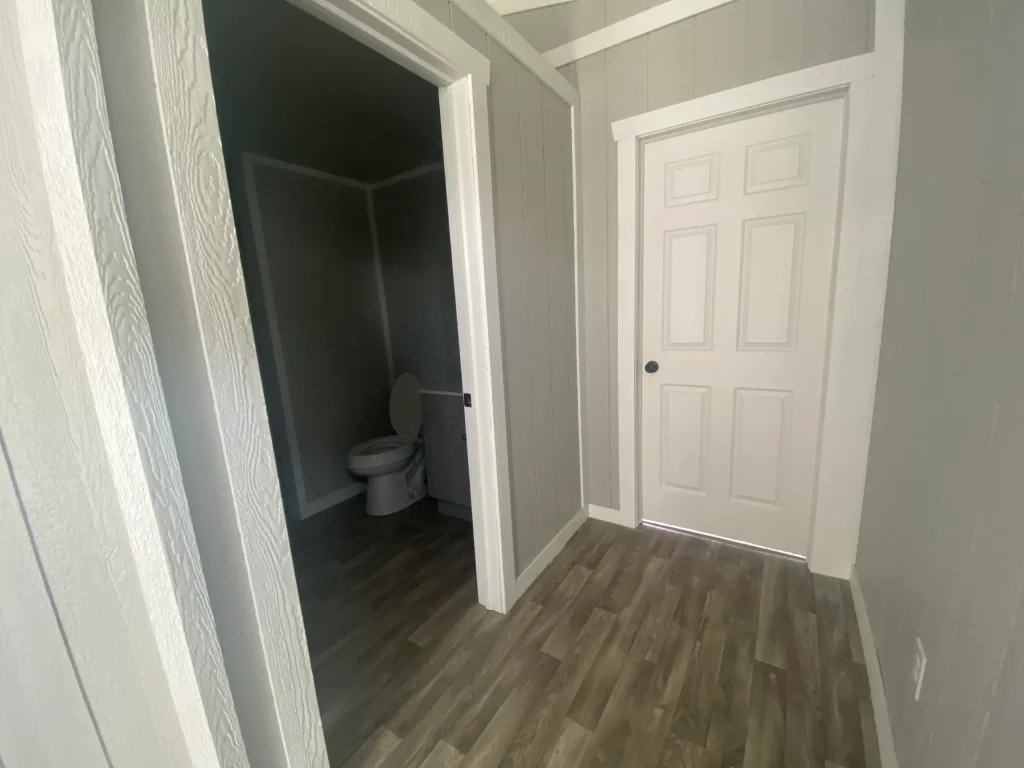
Start by measuring the opening from side to side and from the floor to the top. Take several measurements because older walls and floors may not be perfectly square. A sliding barn door normally needs to be wider than the doorway so it overlaps the opening when closed. That overlap helps reduce visible gaps along the sides and provides better privacy.
Height matters too. The door must cover the opening without rubbing against the floor. You also need enough room above the doorway for the track and rollers. Check the hardware manufacturer’s spacing requirements before ordering the door. If the ceiling is low, a standard track setup may not fit. Homeowners choosing a new shed, barn, or utility building can also compare structures from Ohio Cabins & Structures to see common door styles and building layouts before planning a similar installation.
Find Solid Framing Before Mounting The Track
The track carries the full weight of the door, so it needs a solid connection to the wall framing. Drywall alone cannot safely support a heavy wood door. Use a stud finder to locate wall studs above the doorway. Mark each stud clearly before installing any hardware. If the track holes do not line up with studs, you may need a mounting board that spans several studs.
A mounting board, sometimes called a header board, also creates extra clearance between the door and the wall. This can help the door clear existing trim around the opening. Choose a strong, straight board and fasten it securely into the studs with structural screws or lag bolts. Keep the board perfectly level. Any slope here will transfer directly to the track and may cause the door to roll open or closed on its own.
Install The Track At The Correct Height
Track height depends on the door height, roller design, and floor clearance. Assemble the rollers on the door temporarily or follow the hardware template to determine the exact mounting position. Measure carefully from the finished floor rather than assuming the floor is level. Mark a horizontal reference line across the mounting area.
Attach the track to the mounting board or framing using the supplied spacers and fasteners. Tighten the bolts evenly while checking the track with a long level. Do not rely on the trim or ceiling line as a reference because they may not be level. The International Code Council provides building code resources that can be useful when door modifications involve structural openings or other regulated work. Local requirements still control your project, so check them when you are making significant changes to a wall or opening.
Attach Rollers And Hardware To The Door
Lay the door flat on a clean surface before installing the rollers. Follow the hardware manufacturer’s measurements for roller placement. Both rollers should sit the same distance from the door edges so the panel hangs evenly. Mark the bolt holes carefully, then drill straight through the wood using the recommended bit size.
Install the roller brackets and tighten the hardware securely without crushing the wood. Many kits also include anti-jump discs or small safety blocks near the top of the door. These pieces help keep the rollers on the track if the door is lifted or bumped. Do not skip them. If you are using a very heavy solid-wood door, confirm that the hardware rating exceeds the actual door weight rather than choosing a system that barely meets the requirement.
Hang The Barn Door And Test Its Movement
Barn doors can be heavy, so having another person help with this stage is a good idea. Lift the door carefully and place both rollers onto the track. Keep your hands away from pinch points between the rollers, track, and wall. Once the door hangs freely, slide it slowly in both directions and listen for scraping or binding.
The door should move smoothly and remain parallel to the wall. If it rolls by itself, recheck the track for level. If the bottom rubs against the floor, verify the mounting height and roller position. Small adjustments are much easier before you install the stops and floor guide. When learning how to install a barn door, this testing stage is where small measurement errors usually become obvious.
Install Door Stops And A Floor Guide
Track stops prevent the door from rolling beyond the safe operating area. Position one stop at each end of the track and tighten it according to the hardware instructions. Test the door after each adjustment. The closed position should cover the doorway fully, while the open position should expose enough of the opening for comfortable passage.
The floor guide keeps the lower part of the door from swinging away from the wall. Some guides attach directly to the floor, while others mount to the wall or baseboard. Position the guide so the door remains vertical without rubbing. If your door has a groove along the bottom edge, use a guide designed to fit inside it. The guide may look like a small detail, but it makes a major difference in how stable and safe the finished door feels.
Add Handles, Pulls, And Privacy Hardware
Once the door moves correctly, install the handle or pull. Place it at a comfortable height and far enough from the door edge that your hand does not hit the trim when closing the door. For the side facing the wall, use a recessed pull if a standard handle would interfere with the wall surface.
Bathrooms, bedrooms, and other private spaces may also need a barn door latch. Several styles are available, including hook latches, teardrop locks, and sliding privacy locks. Choose hardware designed specifically for sliding doors. Keep in mind that barn doors usually do not seal as tightly as conventional hinged doors, so they may allow more sound and light through the edges. If you are planning a larger rustic project, the cabins from Ohio Cabins & Structures can provide ideas for wood finishes, trim combinations, and traditional door styles.
Adjust And Maintain The Door Over Time
After installation, open and close the door several times and inspect every fastener. Check the track, rollers, stops, mounting board, and floor guide. Nothing should feel loose or shift under the weight of the door. Recheck the hardware after the first few weeks because wood can settle slightly and fasteners may need tightening.
Knowing how to install a barn door correctly also includes maintaining it. Clean dust from the track occasionally and inspect roller wheels for wear. Tighten loose bolts before they create movement or noise. Wood doors can expand slightly during humid weather, so watch for rubbing near the floor or trim. A properly installed barn door should move easily, stay stable, and provide years of reliable use with only basic maintenance.