
How big is a 10′ x 10′ storage unit? It provides about 100 square feet of floor space, with 10 feet of width and 10 feet of depth. The amount of usable storage depends on ceiling height, door placement, and how efficiently you organize everything. With an eight-foot ceiling, the unit offers roughly 800 cubic feet of total volume. A taller unit can provide even more capacity when you use shelving and safe stacking. In everyday terms, a 10×10 storage unit feels similar to a small bedroom or a portion of a one-car garage.
This size works well for people storing furniture, boxes, appliances, seasonal belongings, bicycles, tools, or items from a small apartment. However, the number of belongings it can hold varies greatly. A large sectional sofa uses much more space than several stackable boxes. Mattresses, dressers, tables, and appliances also reduce walking room quickly. Before renting or choosing a comparable storage structure, measure your largest belongings and think about whether you need regular access. A unit can technically hold everything while still being frustrating to use if every inch is packed.
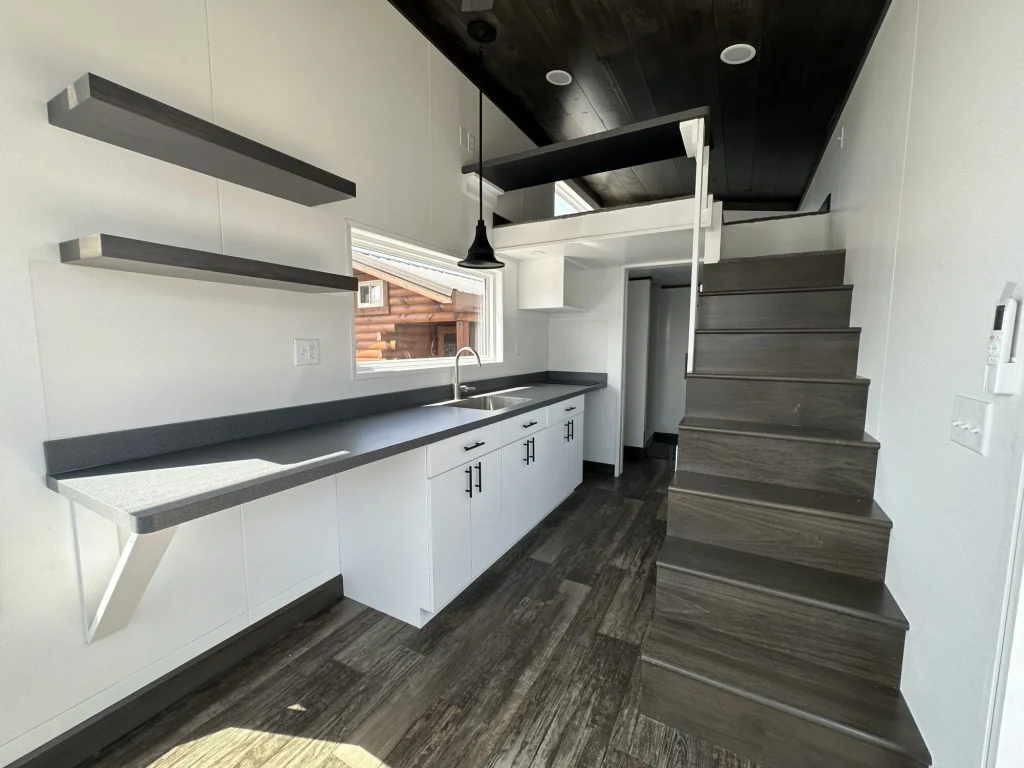
What Does 100 Square Feet Look Like?
A 10×10 space forms a square measuring 10 feet from one wall to the opposite wall in both directions. To picture it more easily, imagine a compact bedroom without a closet or a small office. Once you start placing furniture inside, the available floor area fills faster than many people expect. A queen mattress is approximately five feet wide and more than six feet long, while sofas can measure seven feet or longer. A few large household items can therefore occupy a significant portion of the floor.
Ceiling height gives you an advantage that room dimensions alone do not show. Boxes, shelving, disassembled furniture, and certain household items can use the vertical space. A 10×10 storage unit with a taller ceiling may hold much more than another unit with the same floor dimensions. However, safe stacking matters. Heavy boxes should remain near the floor, while lighter items can go higher. Avoid unstable towers that may fall when you retrieve something. Good vertical organization can make 100 square feet feel surprisingly useful without turning the unit into a difficult-to-access pile.
What Can Fit In A 10×10 Storage Unit?
A 10×10 storage unit can often hold furniture and belongings from a one-bedroom apartment or several rooms of a house. You may be able to fit a sofa, mattress sets, dressers, nightstands, a dining table, chairs, boxes, lamps, and small appliances. Bicycles, tools, sports equipment, and seasonal decorations can also fit when the unit is organized carefully. The exact combination depends on the size and shape of each item. Large sectional furniture and oversized appliances can use up space much faster than compact pieces.
Disassembling furniture can increase the amount you can store. Remove table legs, break down bed frames, and take apart shelving when possible. Keep screws and hardware in labeled bags and attach them to the corresponding item. Use drawers and cabinets for lightweight belongings instead of leaving them empty. Homeowners who need this amount of storage on a regular basis can also compare storage structures from Ohio Cabins & Structures with ongoing rental costs. A dedicated shed or utility building may provide similar usable space while keeping everything directly on your property.
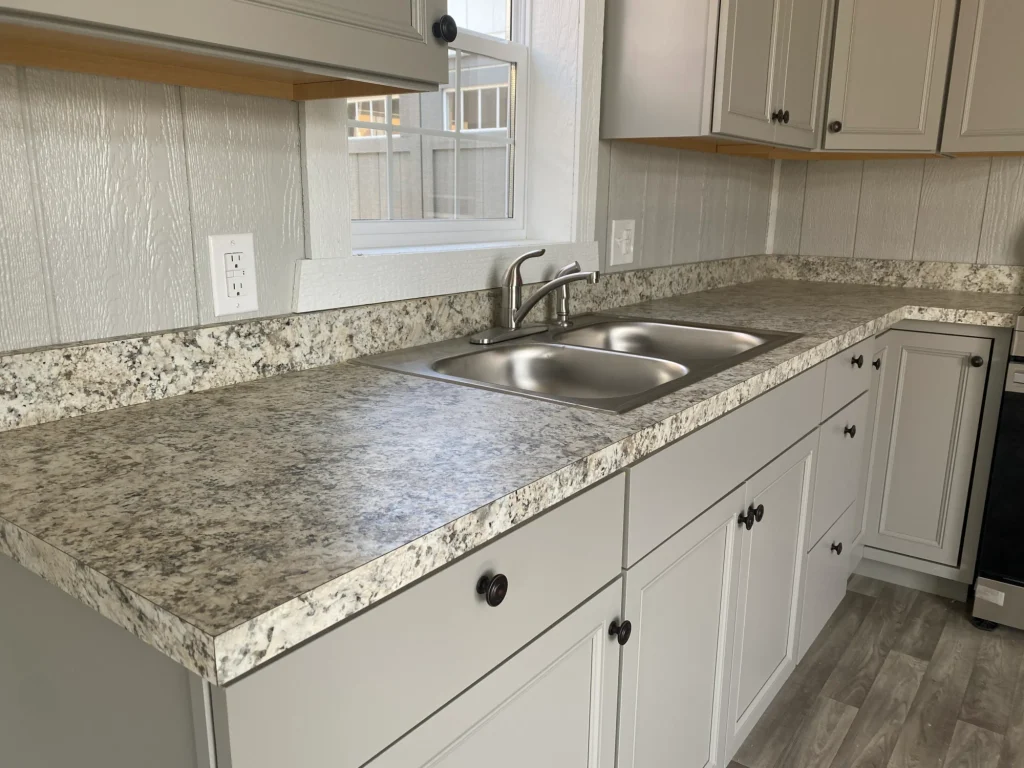
Is A 10×10 Unit Big Enough For Moving?
A 10×10 unit can work well during a move, especially for someone leaving a one-bedroom apartment or temporarily storing furniture from several rooms. It offers enough room for common household pieces plus a moderate number of boxes. People renovating a bedroom, living room, or small apartment may also find this size practical. It gives you more flexibility than a 5×10 unit without moving into the much larger footprint of a 10×20.
Larger households may need more space. Several bedroom sets, a large dining room, oversized sectional furniture, multiple appliances, and garage equipment can quickly overwhelm 100 square feet. Before moving day, create a basic inventory by room. Measure major furniture and estimate how many boxes you expect. Consider the shape of each item, not just its total volume. Long sofas and mattresses can create awkward gaps that reduce packing efficiency. A quick floor plan can help you determine whether a 10×10 unit will work or whether a 10×15 or 10×20 makes more sense.
How A 10×10 Compares With Other Storage Sizes
A 5×5 storage unit offers about 25 square feet, which makes it only one-quarter the floor area of a 10×10. A 5×10 provides about 50 square feet, or half as much. These smaller sizes work well for boxes, seasonal items, a few pieces of furniture, or college storage. Moving up to a 10×10 makes a significant difference because you gain enough width and depth to arrange larger furniture and create more efficient stacks.
A 10×15 gives you about 150 square feet, while a 10×20 provides around 200 square feet. Those larger units suit multi-room households, major renovation projects, business inventory, and some vehicle-storage situations. The Self Storage Association provides general information about the self-storage industry and facility practices. Individual companies still determine their own unit dimensions, ceiling heights, and access rules. Always check the actual measurements before signing a rental agreement because structural framing, columns, and door systems can reduce usable space.
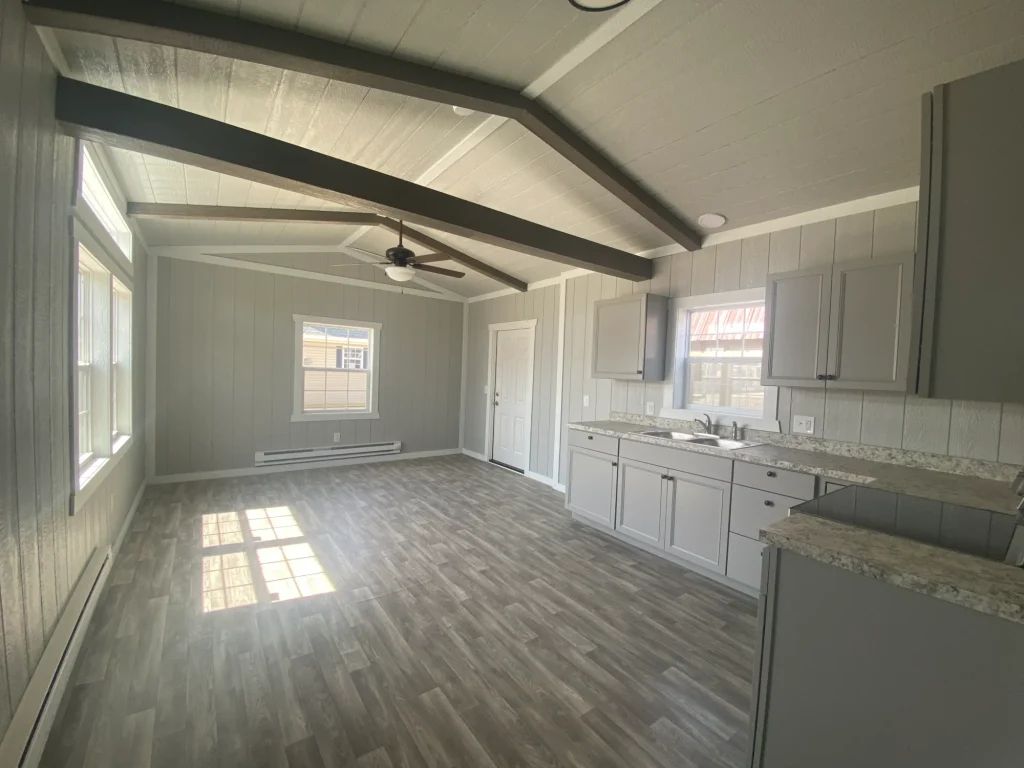
How To Pack A 10×10 Storage Unit Efficiently
Start with the largest and heaviest items. Place sturdy furniture, appliances, and durable boxes toward the back or along the walls. Keep anything you may need soon near the entrance. Use similar-size boxes whenever possible because they stack more safely and waste less space than bags or irregular containers. Label boxes on at least two sides so you can identify them even when the top label is hidden.
Leave a narrow walkway if you expect to access the unit regularly. Packing every inch can maximize capacity, but it often means unloading half the unit to reach something near the back. Shelving can improve organization and use vertical space more effectively. Avoid pressing furniture tightly against damp or exterior walls. Use breathable covers for upholstered pieces and wood furniture. If you have fragile items, keep them away from unstable stacks and heavy equipment. A thoughtful layout can make the same 100 square feet much more useful.
Should You Leave Walking Space Inside?
A walkway uses valuable floor area, but it can save a great deal of frustration. A narrow path from the entrance toward the back lets you retrieve boxes without moving large pieces of furniture. It also makes it easier to inspect the unit for moisture, pests, or damaged belongings. If you plan to keep the unit for only a short move and will remove everything at once, you may decide to pack more tightly. Long-term storage benefits much more from organized access.
Think about frequency as well. Business inventory, seasonal decorations, tools, and frequently used household items should remain easy to reach. Place long-term belongings toward the back and everyday items near the front. You can also create zones for furniture, boxes, tools, and seasonal equipment. A simple map on your phone can help you remember where everything sits. Good organization matters just as much as square footage because a poorly arranged unit can feel much smaller than it really is.
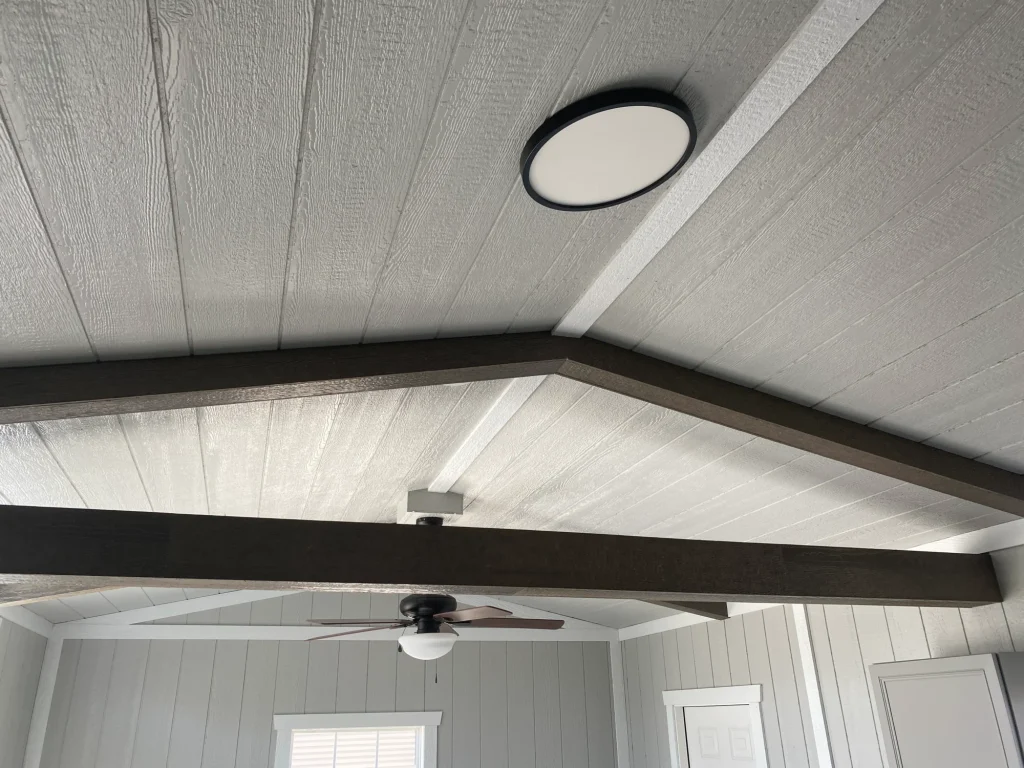
Is A 10×10 Storage Unit The Right Size For You?
How big is a 10′ x 10′ storage unit in practical terms? It gives you 100 square feet of floor space and enough room for a substantial amount of household storage. It often works for apartment moves, renovation projects, furniture storage, seasonal items, tools, and boxes. However, it may feel too small for a large household or too large for someone storing only a few containers. Measure major belongings before renting and confirm both the interior and door dimensions.
Also consider how long you need the space. Renting makes sense when you need storage for a few months, but ongoing monthly payments can become expensive over several years. Homeowners with available property may prefer a permanent shed or utility building that keeps belongings close by and removes recurring rent. For long-term storage options, visit the official Ohio Cabins & Structures website to compare sheds, garages, cabins, and other structures that can provide convenient storage space on your own property.