
Storage units often appear attractive as an investment because they seem simple to operate and promise steady demand. Investors hear claims that storage units perform well during economic changes and require less maintenance than residential properties. To decide whether storage units are truly a good investment, it is important to look beyond surface appeal and examine costs, risks, competition, and long-term performance.
At Ohio Cabin and Structures, many property owners ask whether storage units outperform other real estate options such as modular buildings, cabins, or accessory structures. Comparing these options realistically helps investors avoid assumptions and choose investments that align with their financial goals and risk tolerance.
Why Storage Units Attract Investor Interest
Storage units attract investors because they generate recurring income without traditional tenants living in the space. This reduces wear on the property and removes concerns such as eviction, utilities inside units, or interior damage. Demand remains relatively steady because people store belongings during moves, downsizing, life transitions, and seasonal changes.
How the Storage Unit Business Model Works
The storage unit business relies on renting individual units on short-term agreements, often month to month. Owners depend on occupancy rates rather than long leases, which allows price adjustments but also increases exposure to vacancy. Profitability depends on maintaining consistent occupancy while controlling operating expenses.
Startup and Development Costs
Starting a storage unit investment requires significant upfront capital. Investors must purchase land, construct units, install security systems, and meet zoning requirements. Even small facilities often require hundreds of thousands of dollars before producing income, which creates a high barrier to entry for many first-time investors.
Ongoing Operating Expenses
Although storage units require less maintenance than residential rentals, operating costs still affect profitability. Property taxes, insurance, utilities, security monitoring, marketing, and software systems all create recurring expenses. These costs continue regardless of occupancy, which means low demand periods reduce net income.
Occupancy Rates and Revenue Stability
High occupancy rates drive storage unit success, but occupancy fluctuates based on location and competition. New facilities entering the market can quickly reduce demand at existing locations. Revenue stability depends heavily on population growth, housing trends, and local economic conditions.
Location as a Deciding Factor
Location plays a major role in storage unit performance. Facilities in growing areas with limited residential space often perform better than those in oversaturated markets. Poor location selection can lead to prolonged vacancies, aggressive price competition, and reduced profit margins.
Market Saturation and Competition Risks
The storage industry has expanded rapidly, leading to increased competition in many regions. Large national chains benefit from economies of scale, advertising budgets, and technology that smaller investors struggle to match. Market saturation often forces operators to lower prices or increase promotions.
Financing Challenges for Storage Investments
Lenders frequently view storage facilities as higher-risk investments than residential properties. Financing may require larger down payments, higher interest rates, and stricter loan terms. These factors increase total investment cost and reduce early cash flow.
Management Requirements and Time Commitment
Storage units still require consistent management despite limited tenant interaction. Owners must oversee marketing, billing, security, maintenance, and customer service. Poor management quickly affects occupancy and reputation, especially in competitive markets.

Performance During Economic Downturns
Storage units often perform better than some real estate types during economic downturns because life transitions increase storage demand. However, prolonged recessions can still reduce discretionary spending, causing customers to downsize or vacate units to cut costs.
Expected Return on Investment
Storage unit investments typically provide moderate cash flow rather than rapid appreciation. Investors often prioritize steady income over property value growth. Returns vary widely depending on location, financing structure, and operational efficiency.
Risk Factors Investors Must Consider
Key risks include zoning changes, tax increases, market saturation, and rising operating costs. Unexpected competition or regulatory shifts can quickly impact profitability. Careful market analysis helps reduce these risks but cannot eliminate them entirely.
Comparing Storage Units to Other Property Investments
Storage units differ from residential and commercial properties because they lack long-term tenants. While this reduces eviction issues, it increases reliance on marketing and customer turnover. Investors must compare stability, workload, and scalability across property types.
Alternative Investment Options on Private Property
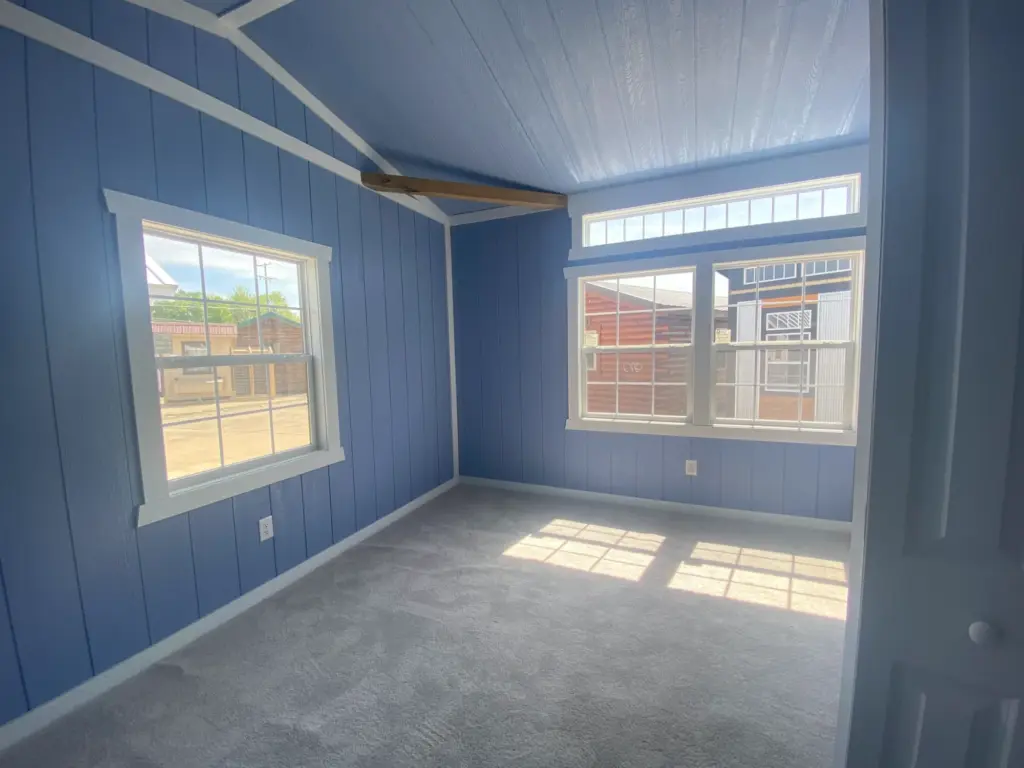
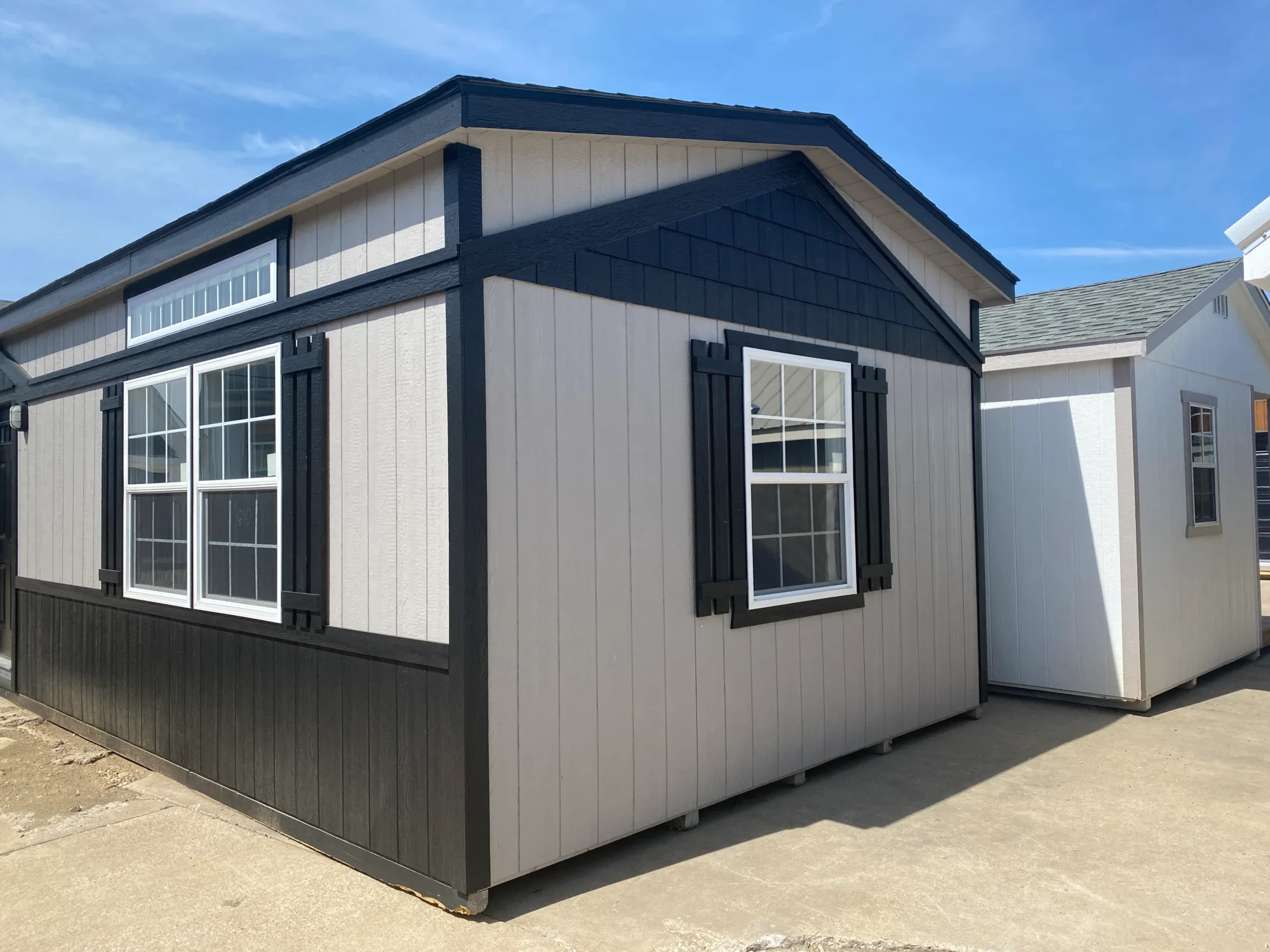
Many property owners explore alternatives that provide ownership and flexibility without constant tenant turnover. Structures such as cabins, sheds, and modular buildings can generate rental income or serve personal needs while retaining resale value.
Modular Structures as a Long-Term Alternative
Modular buildings offer predictable construction costs and long-term usability. Unlike storage units, modular structures can adapt to changing needs such as rental housing, office space, or resale. You can compare these options through modular homes vs traditional homes, which outlines cost, durability, and flexibility differences.

Storage Units Compared to On-Property Storage
On-property storage eliminates competition and marketing costs while providing full control. Property-based storage increases usability and long-term value rather than relying on volume-based rental income. This approach suits owners who prioritize stability over expansion.
Industry Trends Affecting Storage Investments
Changing housing patterns, urban density, and mobility continue to influence storage demand. According to analysis published by Forbes, increased development has also intensified competition, which pressures pricing and reduces margins in many markets.
Who Storage Unit Investments Work Best For
Storage unit investments suit experienced investors with access to capital and strong market knowledge. They work best in high-demand areas with limited new development. Passive investors or those seeking appreciation may prefer other real estate models.
Evaluating Your Investment Goals
Deciding whether storage units fit your portfolio depends on income goals, risk tolerance, and involvement level. Investors seeking predictable ownership value may find alternative structures more aligned with long-term objectives.
Why Professional Guidance Matters
Professional guidance helps investors assess zoning rules, financing options, and market conditions accurately. Expert insight reduces costly mistakes and clarifies whether storage units or alternative structures offer better long-term value.
You can contact Ohio Cabin and Structures to explore property-based building options that support flexible use, durability, and long-term returns.
Final Thoughts
Storage units can be a good investment under the right conditions, but they are not universally profitable. Success depends on location, competition, financing, and management quality. Many investors benefit from comparing storage units with alternative structures that provide ownership, adaptability, and lasting value.