
Tiny homes continue to gain attention across Florida as people look for affordable housing, flexible living arrangements, and simplified lifestyles. One of the most common questions buyers ask is are tiny homes legal in Florida, since zoning laws, building codes, and local regulations vary widely by city and county. While Florida does allow tiny homes in certain situations, legality depends heavily on how the home is built, where it is placed, and how local authorities classify it. Understanding these rules early helps buyers avoid costly mistakes and compliance issues.
At Ohio Cabin and Structures, we often speak with customers researching tiny homes in different states and jurisdictions. Florida presents unique opportunities and challenges because regulations differ significantly between urban areas, rural counties, and coastal regions. Knowing how Florida treats tiny homes allows buyers to plan designs and placement strategies that align with local requirements.
How Florida Defines Tiny Homes
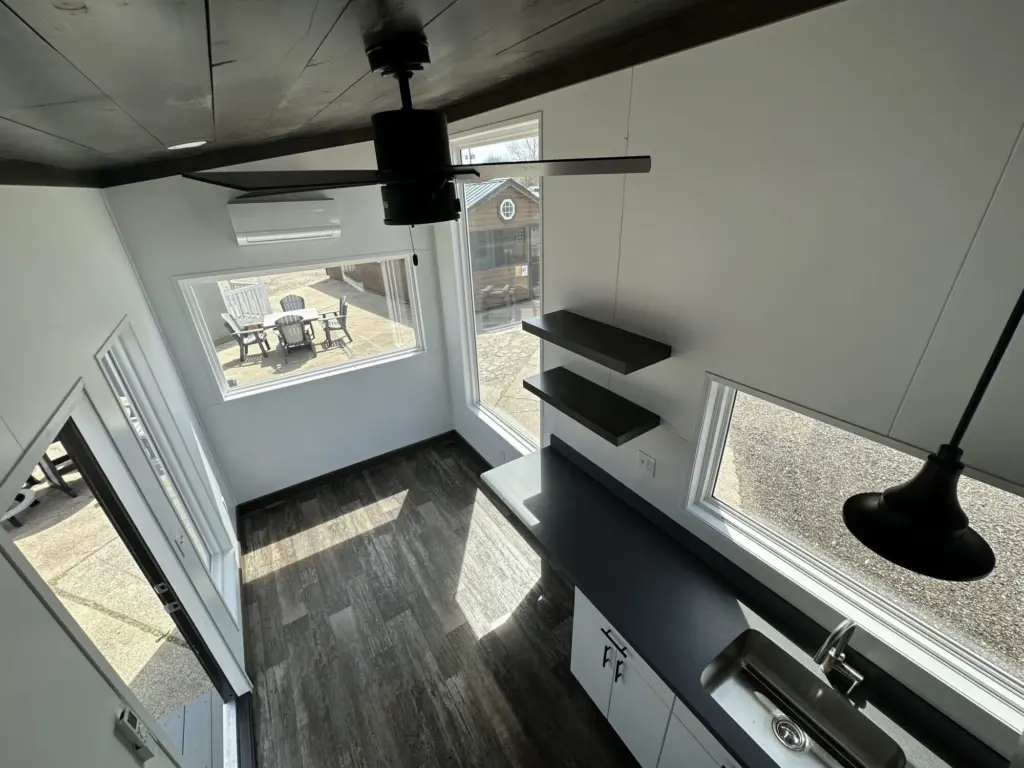
Florida does not use a single statewide definition for tiny homes, which creates confusion for buyers. Some jurisdictions define tiny homes based on square footage, while others focus on foundation type or mobility. Homes built on permanent foundations often fall under residential building codes, while tiny homes on wheels may be classified as recreational vehicles. Buyers asking are tiny homes legal in Florida must understand that classification determines which rules apply and whether full-time occupancy is allowed.
Tiny Homes on Permanent Foundations in Florida
Tiny homes built on permanent foundations generally have a clearer legal path in Florida. These homes must comply with the Florida Building Code, meet minimum square footage requirements, and follow zoning rules for residential properties. Some counties allow smaller homes in specific zoning districts, while others enforce minimum home sizes. Permanent placement improves financing and insurance options but limits mobility.
Tiny Homes on Wheels and RV Classification
Tiny homes on wheels often face more restrictions in Florida because they are commonly classified as recreational vehicles. RV classification typically limits where the home can be placed and whether it can be used as a primary residence. Many local governments allow RVs only in designated parks or for temporary use. Buyers researching are tiny homes legal in Florida should pay close attention to how local ordinances treat movable structures.
Zoning Laws and Local Authority
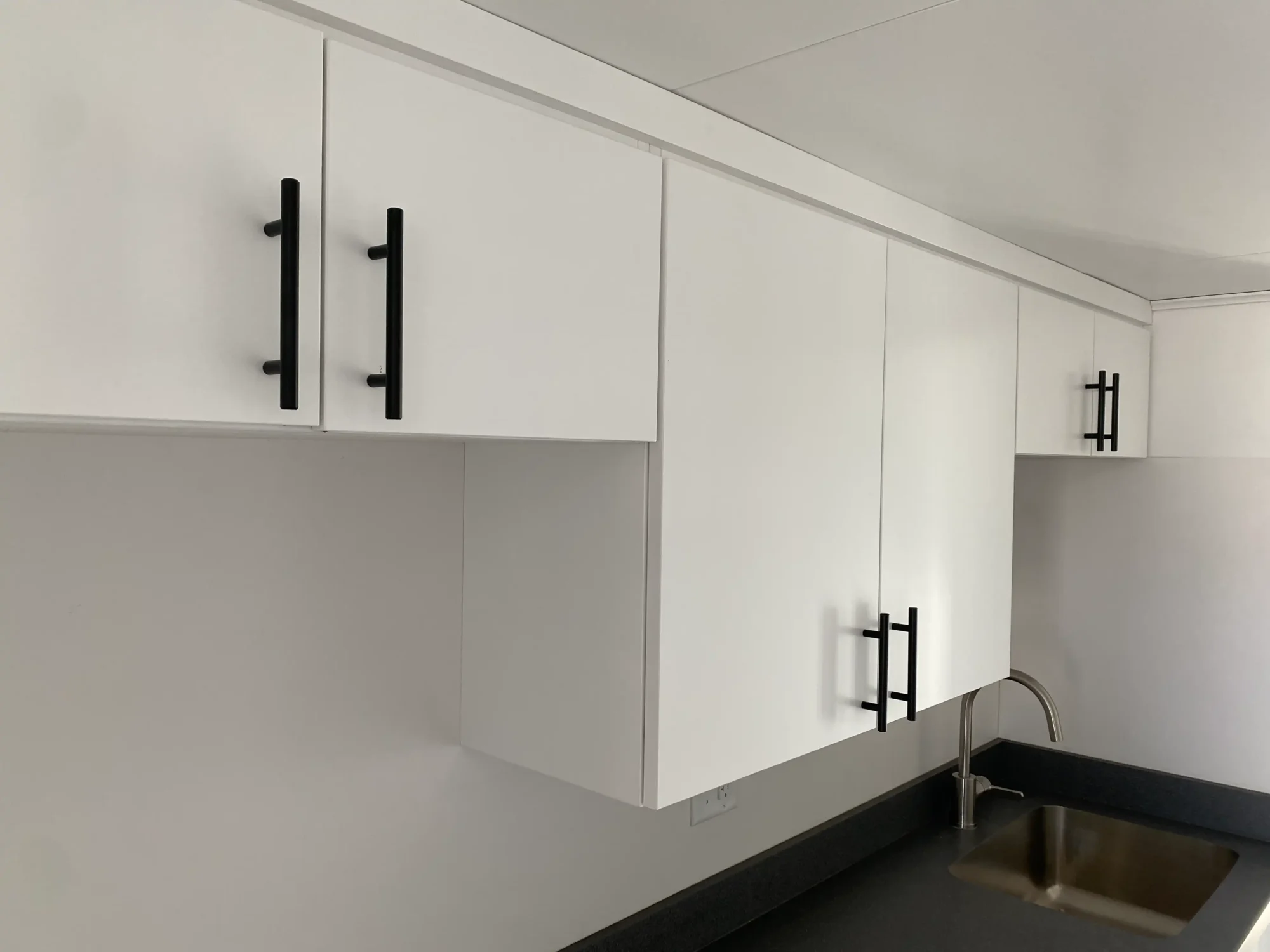
Zoning laws play a decisive role in tiny home legality across Florida. Cities and counties control land use, setbacks, density, and minimum dwelling sizes. Some local governments have updated zoning rules to allow tiny homes as accessory dwelling units, while others prohibit them entirely. Buyers must research zoning codes at the local level rather than relying on statewide assumptions.
Accessory Dwelling Units and Tiny Homes
Accessory dwelling units provide one of the most common legal pathways for tiny homes in Florida. Many cities allow small secondary dwellings on properties with existing homes, subject to size and occupancy limits. These units must comply with local building codes and zoning requirements. ADU rules vary widely, so buyers should confirm details before building or placing a tiny home.
Minimum Size Requirements
Minimum size rules affect whether tiny homes qualify as legal dwellings. Florida’s building code sets minimum room sizes and ceiling heights, which can conflict with ultra-small designs. Some jurisdictions enforce additional minimum square footage requirements. Buyers asking are tiny homes legal in Florida should ensure designs meet both state and local size standards.
Utility Connections and Code Compliance
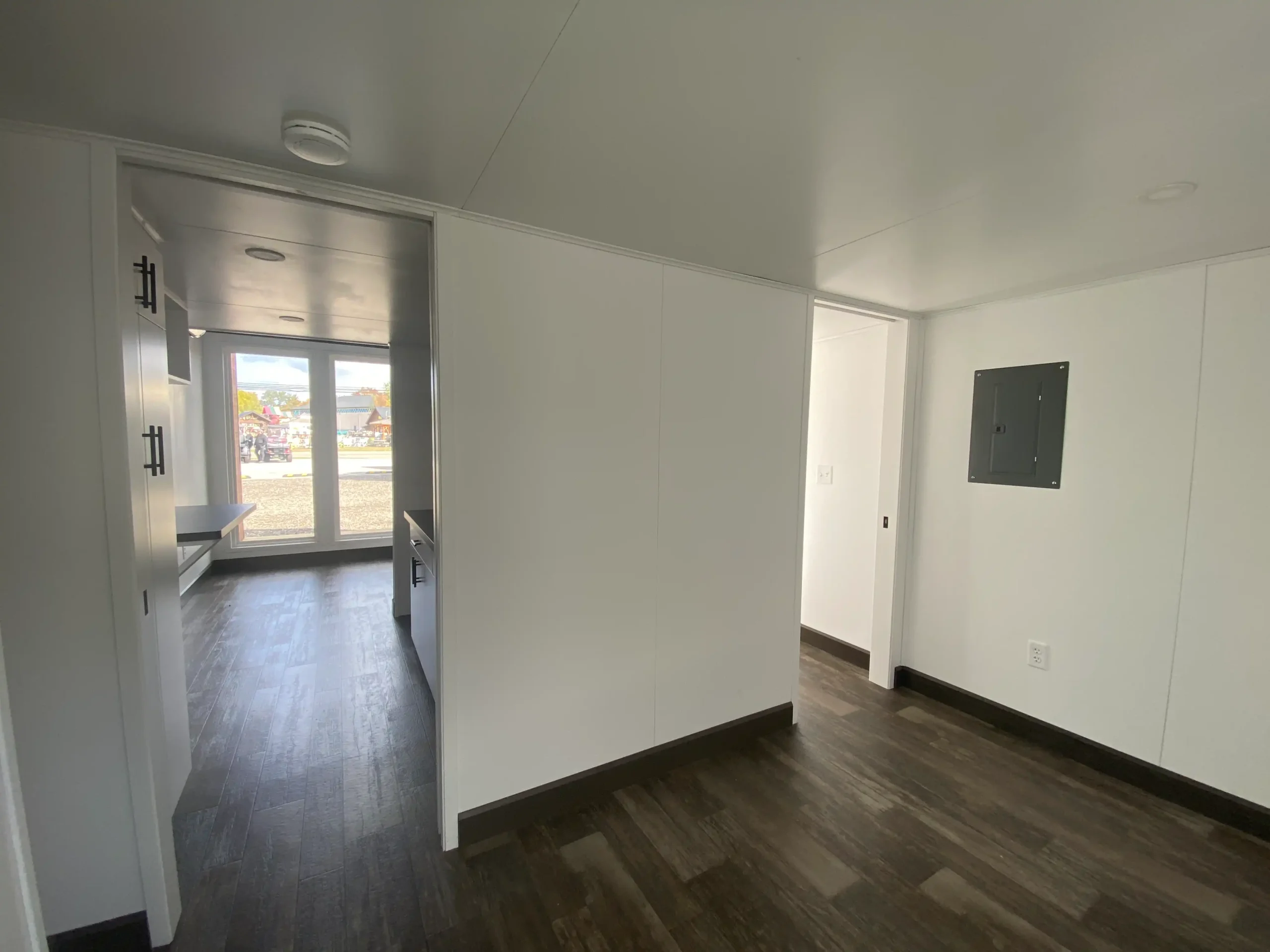
Legal tiny homes in Florida must meet utility and safety standards. This includes proper electrical wiring, plumbing, sanitation, and HVAC systems. Homes connected to public utilities must follow inspection and permitting processes. Code compliance often determines whether a tiny home can receive a certificate of occupancy.
County and City Differences Across Florida
Florida allows counties and municipalities to control land use through local zoning ordinances, which creates wide variation in how tiny homes are treated. Some rural counties permit smaller dwellings with fewer restrictions, while urban areas often enforce stricter zoning and minimum size rules. This means a tiny home may be legal in one county and prohibited just a few miles away. Buyers asking are tiny homes legal in Florida must research the exact city or county code where they plan to build or place the home, rather than relying on general state-level guidance.
Flood Zones and Coastal Regulations
Coastal and flood-prone areas introduce additional regulations that affect tiny home legality. Florida enforces strict floodplain management rules that require elevated foundations, specific anchoring systems, and flood-resistant materials. Tiny homes in these areas often face higher construction costs and design limitations. Understanding flood zone requirements is critical because noncompliant homes may be denied permits or insurance coverage.
Permitting Process for Tiny Homes
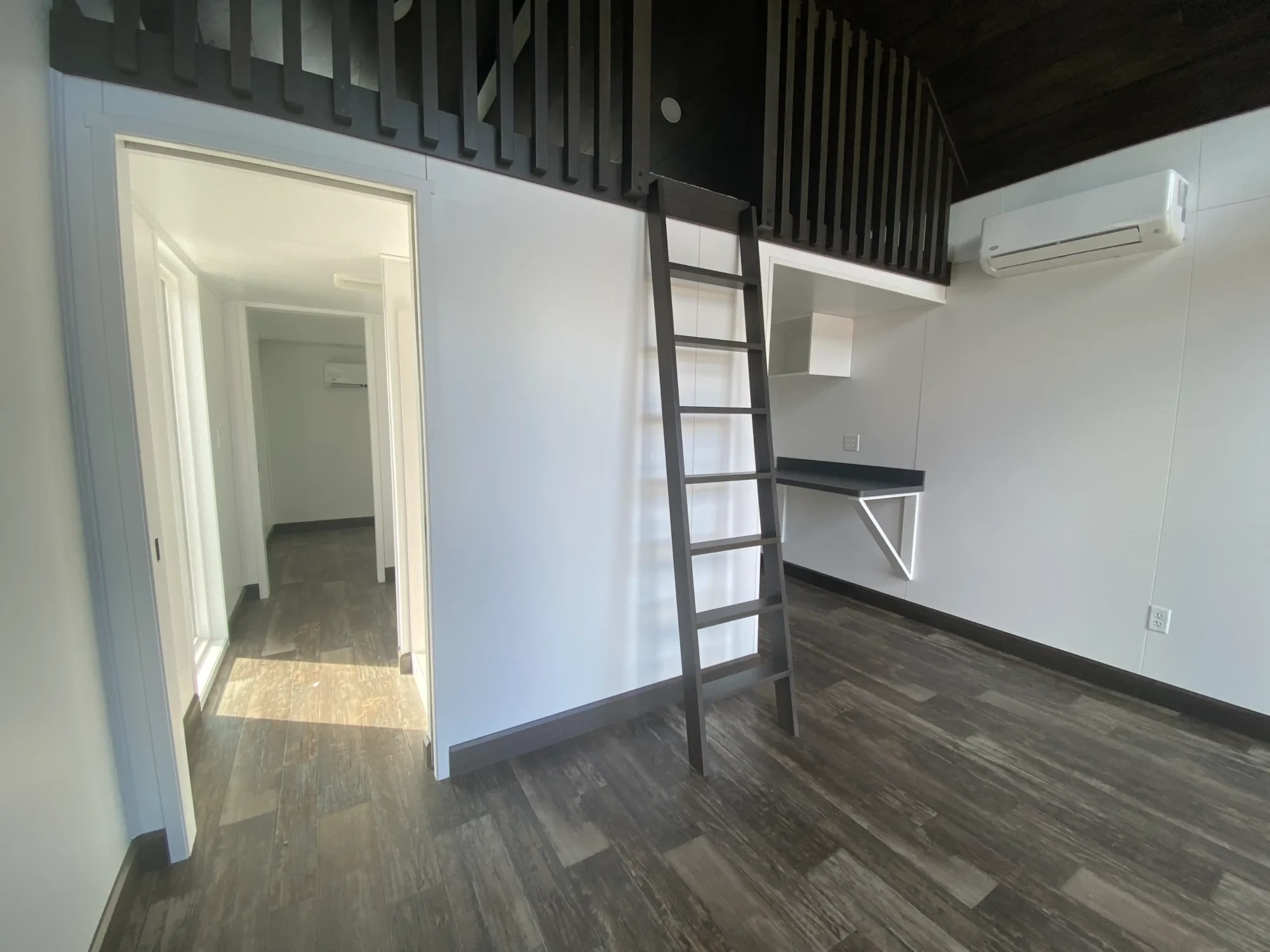
The permitting process determines whether a tiny home can legally be occupied. Permanent tiny homes must go through plan review, inspections, and approval under the Florida Building Code before receiving a certificate of occupancy. Tiny homes on wheels typically bypass this process but are then restricted in where they can be used. Buyers researching are tiny homes legal in Florida should understand that permits focus on safety, utilities, and zoning compliance rather than home size alone.
Utilities, Septic, and Water Requirements
Legal tiny homes must meet local utility standards, whether connected to public systems or private wells and septic tanks. Health departments regulate septic systems and water quality, which can affect placement options. Some areas prohibit alternative sanitation systems, limiting off-grid designs. Utility compliance often becomes a deciding factor in whether a tiny home receives approval.
Accessory Dwelling Unit Restrictions
Accessory dwelling unit rules vary widely across Florida and often include owner-occupancy requirements, size caps, and parking minimums. Some cities allow tiny homes as ADUs only if they are built on permanent foundations and connected to utilities. Others prohibit them entirely. Understanding ADU regulations provides one of the most realistic paths to legal tiny home placement in many Florida communities.
Common Mistakes Buyers Make
Many buyers assume tiny homes are legal everywhere or rely on outdated information. Others purchase or build a home before confirming zoning and permit requirements. These mistakes can lead to fines, forced relocation, or inability to occupy the home legally. Asking are tiny homes legal in Florida early in the planning process helps avoid costly errors.
How Building Codes Affect Tiny Homes
Florida’s residential construction standards establish minimum safety and habitability requirements that tiny homes must meet. These rules cover structural integrity, electrical systems, plumbing, and fire safety. Compliance with the Florida Building Code determines whether a tiny home qualifies as a legal dwelling when built on a permanent foundation.
Planning Tiny Homes the Right Way
Successful tiny home projects in Florida start with careful planning, local research, and flexible design choices. Buyers who work within zoning rules and building codes have more placement options and fewer legal obstacles. Exploring design approaches through Ohio Cabin and Structures tiny homes can help buyers understand how construction style and foundation choices affect legality.
Final Thoughts on Are Tiny Homes Legal in Florida
The answer to are tiny homes legal in Florida depends on location, classification, and compliance with local rules. Permanent tiny homes face fewer barriers than mobile ones, but zoning and building codes still apply. Buyers who research regulations early and plan carefully can find legal pathways that work. If you want help understanding placement options or design considerations, you can reach out through the Ohio Cabin and Structures contact page for guidance.