
Backyards are no longer used only for patios, gardens, or storage sheds. Many homeowners are now asking can you put a tiny home in your backyard as they search for affordable ways to create extra living space without buying a larger property. Backyard tiny homes can serve as guest houses, rental units, home offices, or private spaces for family members, but legal approval depends on far more than simply having enough room. Zoning laws, utility access, permits, and property layout all affect whether a backyard tiny home is actually allowed. Understanding these requirements early helps homeowners avoid costly mistakes and determine whether a tiny home is a realistic option for their property.

Why Backyard Tiny Homes Are Becoming More Popular
One reason more people ask can you put a tiny home in your backyard is because homeowners increasingly want flexible ways to use their property without building full-sized additions. Backyard tiny homes can provide independent living space for family members while still keeping everyone close together. Many homeowners also use tiny homes as guest houses, remote work offices, hobby spaces, or short-term rental properties that generate additional monthly income.
As property prices and construction costs continue increasing, tiny homes offer a more affordable alternative to traditional home expansions. Backyard placement also allows homeowners to maximize unused outdoor space without purchasing additional land. In many areas, local governments have started adjusting regulations to support accessory dwelling units because they help address housing shortages and create more affordable housing opportunities. This growing acceptance has made backyard tiny homes far more practical in some regions than they were only a few years ago.
Zoning Laws Often Determine Whether Tiny Homes Are Allowed
The biggest factor affecting whether you can put a tiny home in your backyard is local zoning regulations. Every city, county, and municipality has different rules regarding accessory dwelling units, secondary housing structures, lot coverage limits, and minimum dwelling sizes. Some areas fully support backyard tiny homes, while others still prohibit them entirely or limit how they may be used.
Homeowners should always contact local zoning departments before purchasing a tiny home because legal restrictions vary dramatically between locations. Some municipalities allow backyard tiny homes only if they are permanently installed on foundations, while others treat them as RVs or temporary structures. Utility requirements, parking regulations, setback distances, and occupancy rules may also affect approval. According to the National Association of Realtors, alternative housing solutions and accessory dwelling units continue gaining attention as homeowners look for flexible ways to use residential properties.
Property Size And Backyard Space Requirements
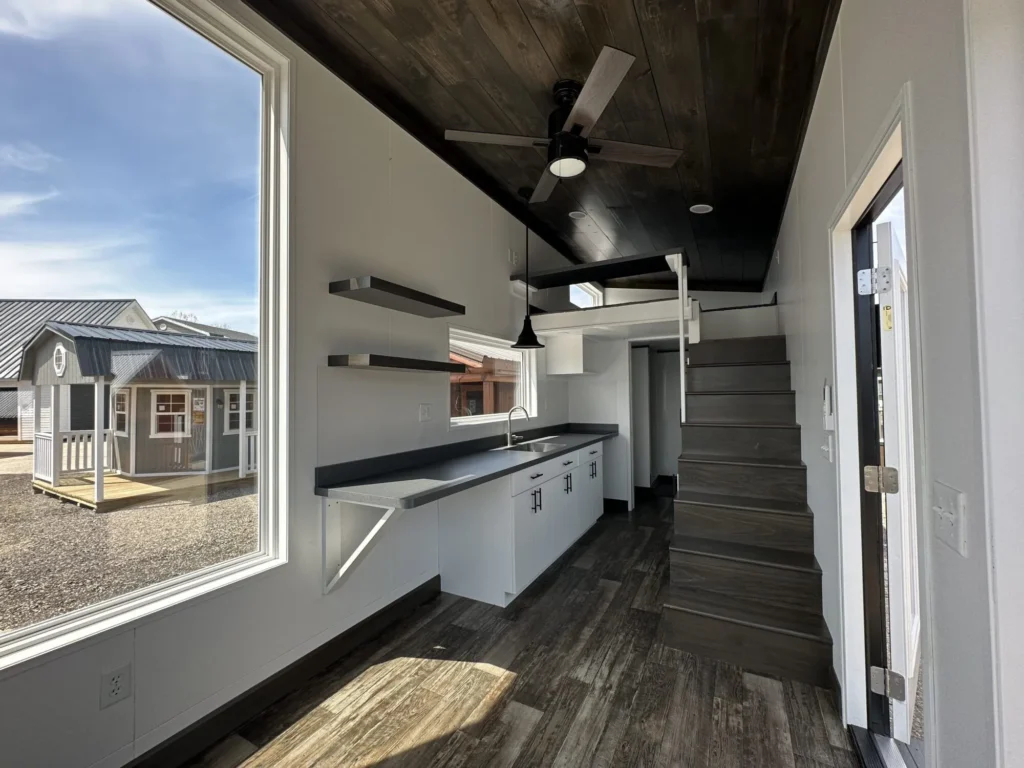
Even if zoning laws allow backyard tiny homes, the property itself must still have enough usable space to support the structure legally and safely. Setback regulations often require minimum distances between buildings, fences, streets, and neighboring properties. Smaller urban lots may struggle to meet these spacing requirements, while larger suburban or rural properties usually offer more flexibility.
Backyard access also matters because delivery trucks and installation crews need enough room to transport and position the tiny home safely. Trees, fences, utility lines, slopes, and landscaping may complicate installation if the backyard lacks clear access routes. Homeowners should also consider privacy because placing a tiny home too close to neighboring properties may create visibility or noise concerns. Structures like the Ashmore Mobile Tiny Home work especially well for flexible backyard setups because mobile tiny homes can sometimes simplify placement and future relocation if property needs change later.
Utility Connections For Backyard Tiny Homes
One of the most overlooked parts of backyard tiny home planning involves utility connections. Even if the structure itself fits the property legally, homeowners still need practical access to water, electricity, sewage, and internet service. In many cases, utility installation becomes one of the largest hidden expenses in the entire project. Some homeowners connect backyard tiny homes directly to the main house utilities, while others install separate utility systems depending on local regulations and intended usage.
Septic systems, sewer connections, and electrical upgrades may require permits and inspections before the tiny home becomes legally habitable. Water drainage and stormwater management may also affect approval in certain municipalities. Planning utilities carefully before purchasing the tiny home helps avoid expensive surprises during installation. Utility access often determines whether the backyard setup functions comfortably for long-term living rather than only occasional use.
Can You Legally Live In A Backyard Tiny Home
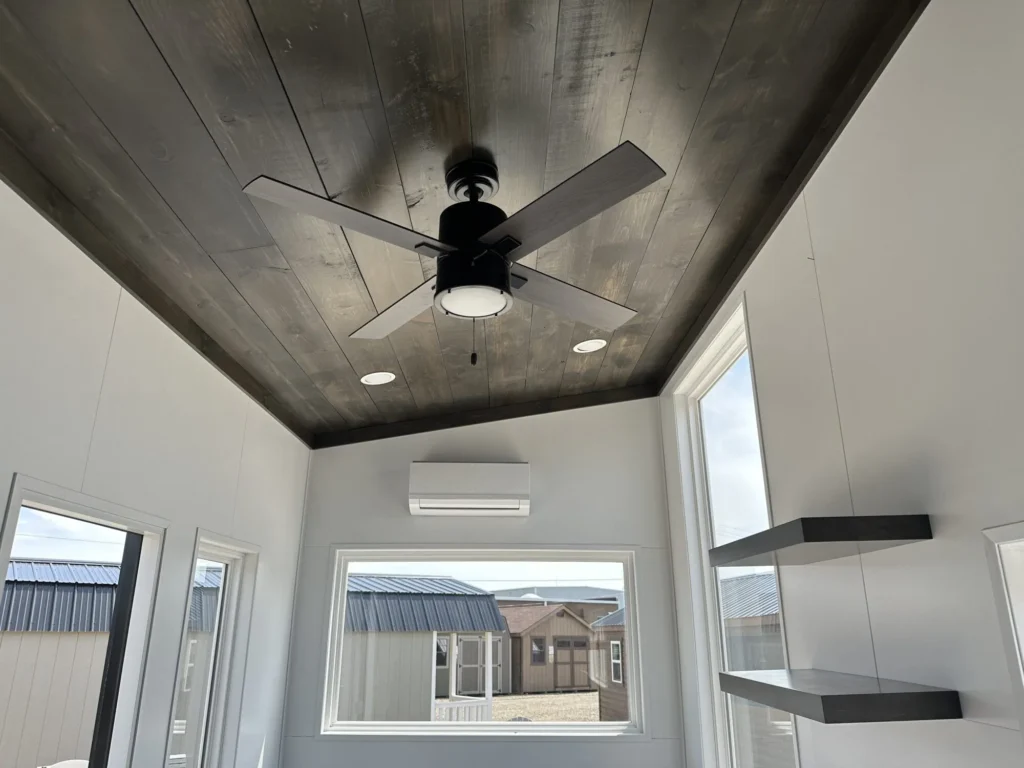
Many people asking can you put a tiny home in your backyard are specifically wondering whether someone can legally live in it full-time. The answer depends entirely on local occupancy laws and zoning classifications. Some cities fully allow accessory dwelling units for permanent residential use, while others restrict occupancy to temporary guests or family members only. In some areas, backyard tiny homes must meet building code requirements similar to traditional houses before full-time occupancy becomes legal. Ceiling height, insulation, plumbing, emergency exits, and utility systems may all require inspections and approvals.
Homeowners interested in rental income should also verify whether short-term or long-term leasing is permitted under local laws because rental restrictions vary significantly between regions. Understanding occupancy regulations early helps homeowners avoid situations where the tiny home is allowed physically but prohibited for permanent living purposes.
Backyard Tiny Homes For Family Members And Guests
One of the most practical uses for backyard tiny homes involves housing family members while maintaining privacy and independence. Aging parents, adult children, college students, or visiting relatives often benefit from having a separate living space nearby without requiring full integration into the main house. Backyard tiny homes can also create more comfortable guest accommodations compared to spare bedrooms inside the home. Guests enjoy greater privacy, while homeowners maintain their own living routines without major disruption.
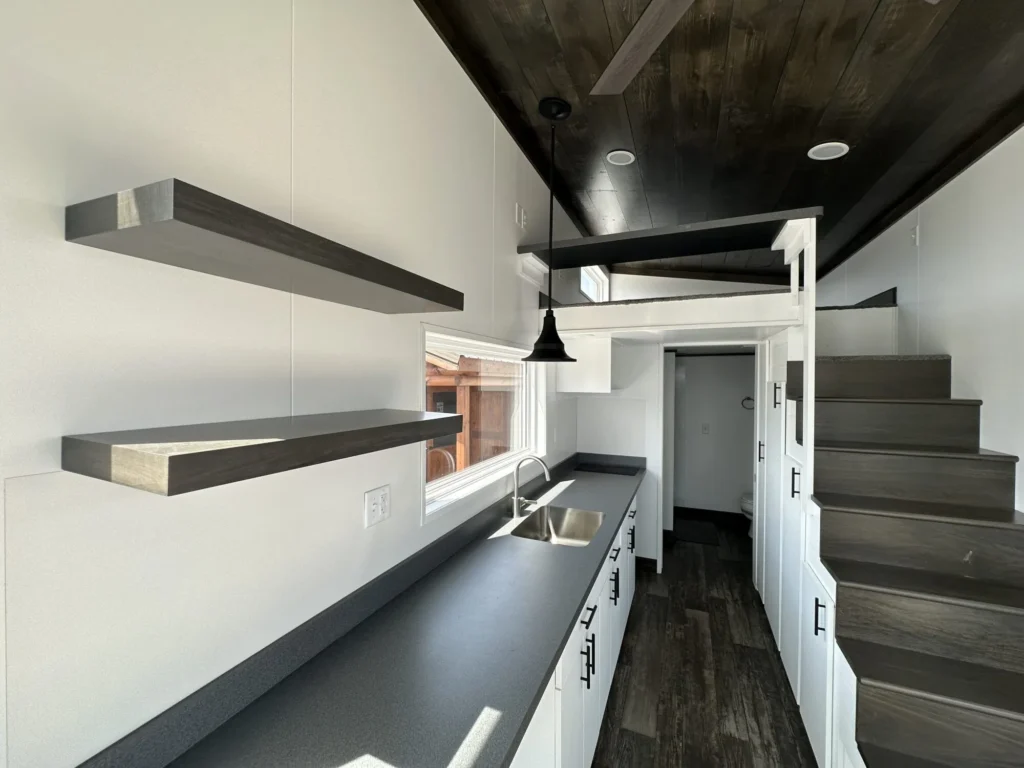
As multi-generational living becomes more common, backyard tiny homes increasingly provide flexible solutions for families needing additional space without purchasing larger properties. Homes like the 14×30 Adventure Getaway Tiny Home provide enough interior space for comfortable long-term backyard living while remaining compact enough to fit many residential properties more easily than traditional secondary homes.
Costs Of Installing A Tiny Home In Your Backyard
The cost of adding a backyard tiny home depends on far more than simply purchasing the structure itself. Homeowners must also budget for delivery, site preparation, utility installation, permits, foundation work, landscaping adjustments, and possible electrical or sewer upgrades. In some cases, preparing the backyard properly may cost nearly as much as the tiny home itself. Permit fees and inspection requirements also vary heavily depending on location. Some municipalities require engineering reviews, utility permits, and multiple inspections before approval.
Homeowners planning rental use may face additional licensing or tax requirements as well. Although backyard tiny homes can still cost less than building full-sized home additions, buyers should carefully evaluate the total project budget before moving forward. Proper planning helps prevent unexpected expenses during installation and utility setup.
Common Mistakes Homeowners Make With Backyard Tiny Homes
One of the most common mistakes homeowners make is purchasing a tiny home before confirming local zoning and utility regulations. Some buyers assume backyard placement is automatically legal if the structure physically fits the property, only to discover later that occupancy or setback laws prohibit installation. Another major mistake involves underestimating utility and site preparation costs. Electrical upgrades, sewer connections, grading, tree removal, and foundation work can quickly increase the total project expense beyond initial expectations.
Homeowners also sometimes overlook neighborhood restrictions or homeowners’ association rules that may prohibit accessory structures entirely. Taking time to research local laws, property limitations, and utility requirements before purchasing a tiny home dramatically reduces the risk of expensive problems later. Careful planning almost always creates a smoother and more successful backyard installation process.
Conclusion
So, can you put a tiny home in your backyard? In many cases, yes, but zoning laws, property size, utility access, and local occupancy regulations all determine whether the setup is legally and practically possible. Backyard tiny homes continue growing in popularity because they provide flexible living space for family members, guests, rental opportunities, and remote work needs without requiring a full-sized home addition. Ohio Cabin and Structures continues to provide tiny homes and backyard living solutions designed for durability, flexibility, and practical everyday use. If you are exploring backyard tiny home options for your property, visiting Ohio Cabin and Structures is a great place to begin planning your setup.