
Choosing the right storage size can save you both money and frustration. Many renters pay for more space than they need, while others choose a unit that quickly becomes overcrowded. If you are asking how big of a storage unit do i need, the answer depends on what you plan to store, how long you need the space, and how often you will access your belongings. Furniture, appliances, boxes, and seasonal items all require different amounts of space. Understanding your storage needs before renting helps you select the right unit without overspending. This guide explains how to estimate the space you need and when a permanent storage building may be the better long-term solution.
Start By Making A Complete Inventory
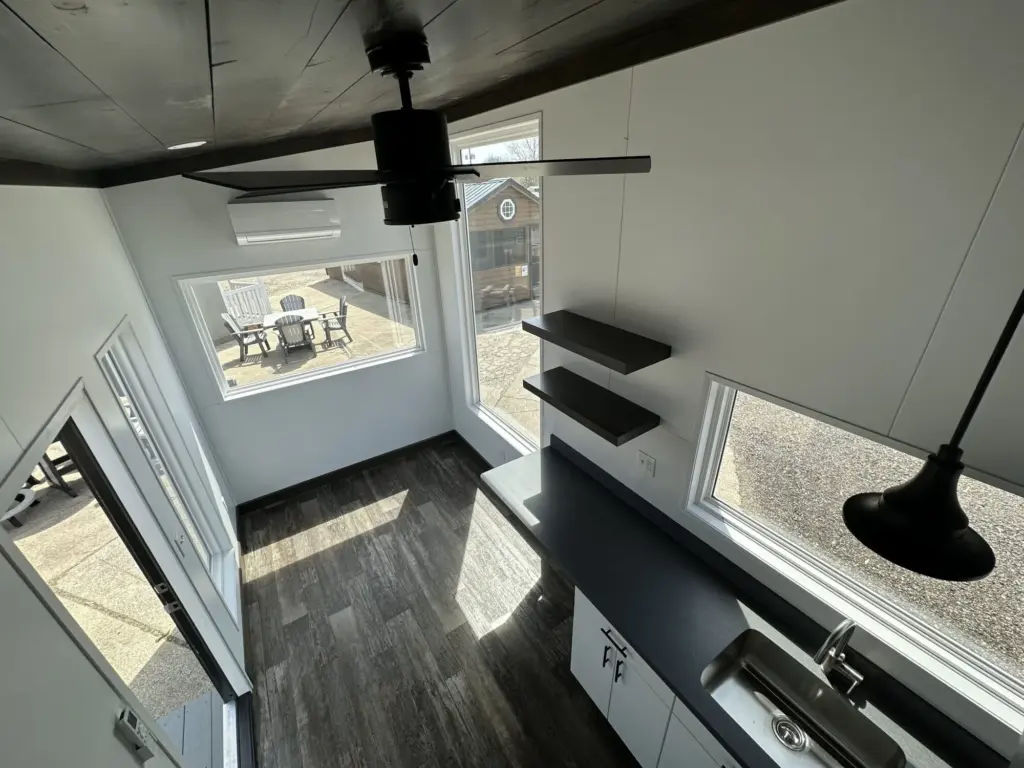
The easiest way to determine the right storage size is to create a detailed inventory before visiting a storage facility. Walk through every room and write down the furniture, appliances, boxes, and personal belongings you plan to store. Include large items such as beds, sofas, dining tables, lawn equipment, and bicycles because they occupy the most space. Smaller items may seem insignificant individually, but dozens of boxes can quickly fill an entire unit.
Taking measurements of oversized furniture also helps you visualize how everything will fit together. Creating an inventory prevents you from relying on guesswork and makes it easier to compare storage unit sizes. It also reduces the chance of renting a unit that becomes too crowded after loading your belongings.
Choose A Unit Based On What You Need To Store
Different storage situations require different unit sizes. A small 5×5 unit usually works well for boxes, seasonal decorations, luggage, and a few small furniture pieces. A 5×10 unit provides additional room for a mattress, desk, or several larger household items. Many homeowners moving from a one-bedroom apartment choose a 10×10 unit because it can often accommodate most of their furniture and moving boxes.
Families storing the contents of larger homes may require a 10×20 or even a 10×30 unit. Instead of choosing the biggest available space, match the unit to the items on your inventory list. Renting only the space you actually need helps reduce monthly costs while keeping your belongings organized.
Think About Future Storage Needs
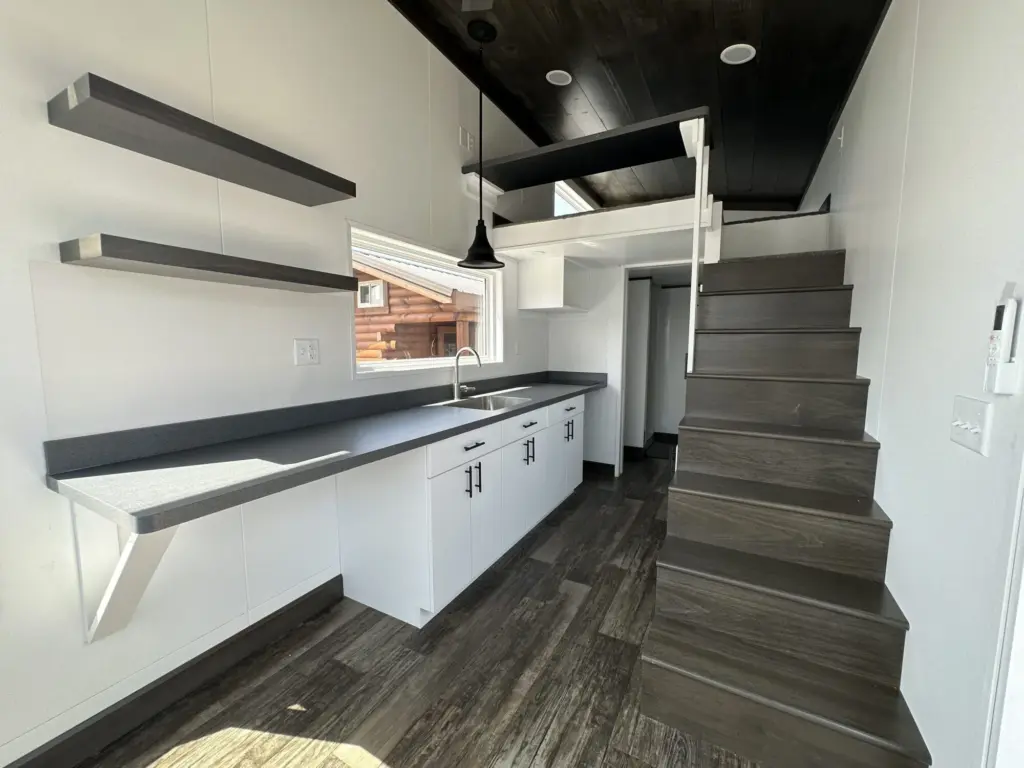
Your current inventory is only part of the decision. Think about whether your storage needs may increase over the coming months. Home renovation projects often create additional storage requirements as furniture and household items move out of different rooms. Families preparing for a relocation may gradually add more boxes as moving day approaches. Business owners may also need extra room for seasonal inventory or equipment. Choosing a slightly larger unit can sometimes save the inconvenience of upgrading later.
However, avoid paying for excessive unused space if your storage needs are unlikely to change. Finding the right balance between current and future requirements helps you make a more economical decision.
Compare Renting With Building Your Own Storage Space
Renting a storage unit works well for temporary situations, but homeowners who need long-term storage should also compare permanent alternatives. Monthly rental fees continue for as long as you keep the unit, and those costs can add up significantly over several years. A dedicated storage building on your property eliminates recurring rental payments while providing immediate access to your belongings.
Before signing a rental agreement, compare the long-term cost of renting with the investment required to build a permanent storage solution. Looking beyond the monthly payment often reveals which option offers better overall value.
A Storage Shed Can Be A Smarter Long-Term Investment
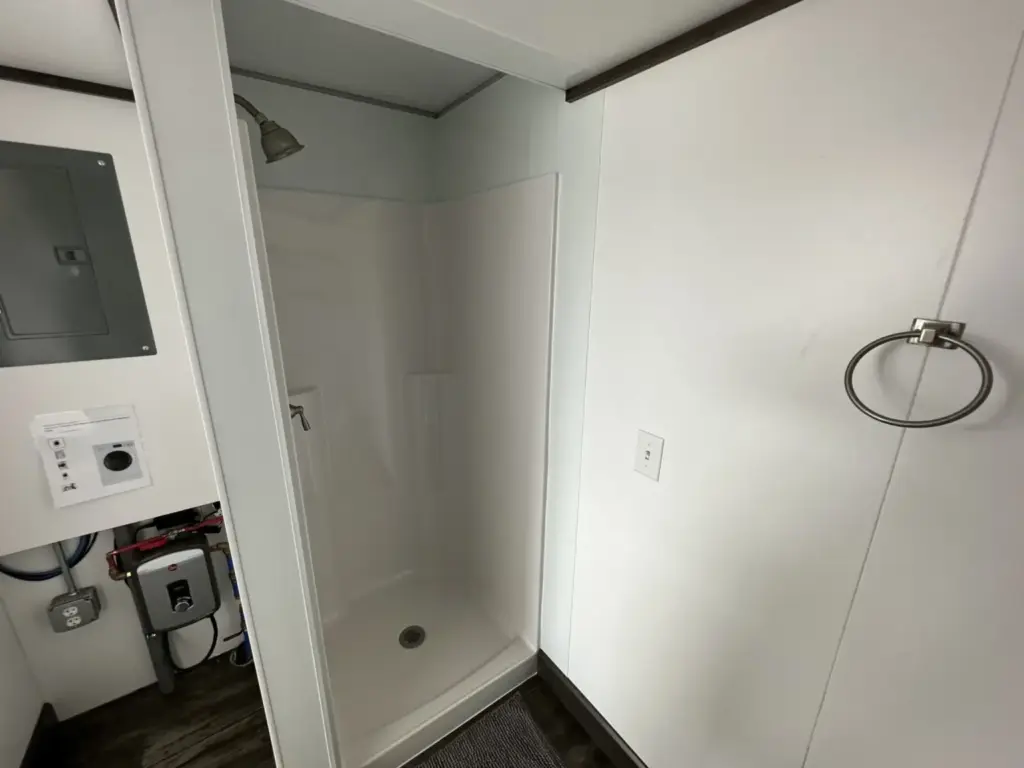
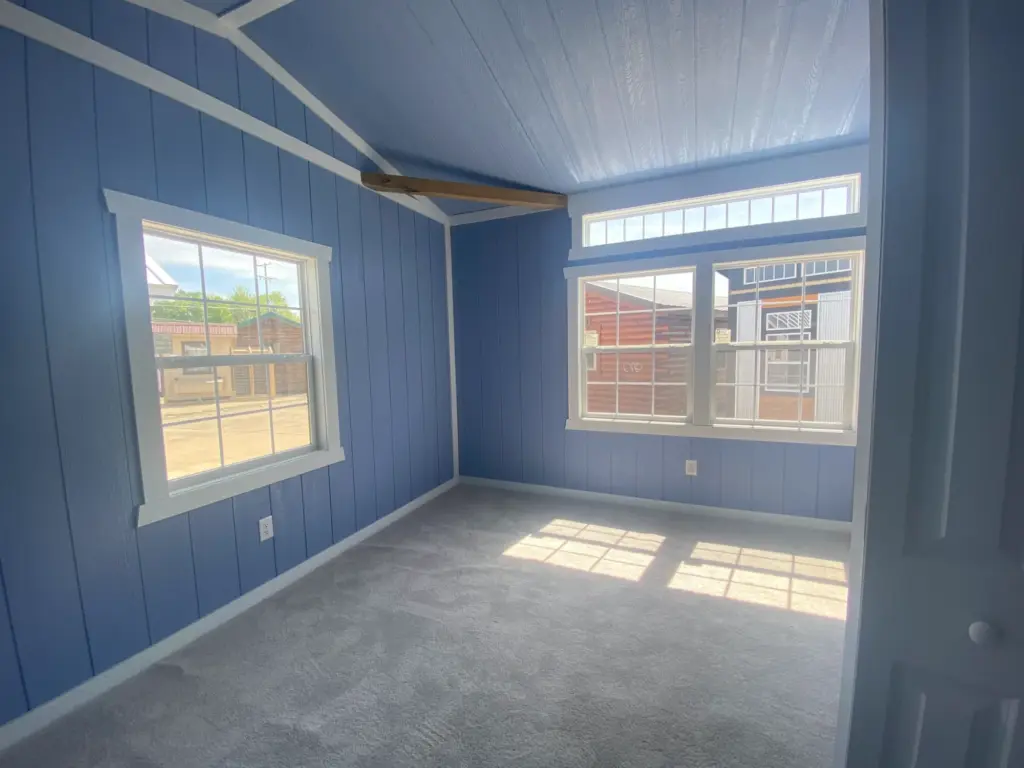
If you expect to need extra storage for many years, building your own storage space may be more practical than renting. Monthly storage fees continue for as long as you keep the unit, but a permanent storage building becomes part of your property. The 10×14 Natural Light Three Seasons Shed offers generous room for lawn equipment, bicycles, gardening tools, holiday decorations, and other household items. Natural lighting makes it easier to organize and locate belongings during the day. Instead of driving to a storage facility, you can access everything whenever you need it. For many homeowners, investing in a permanent storage shed provides greater convenience while eliminating recurring rental payments.
Pack Your Storage Unit Efficiently
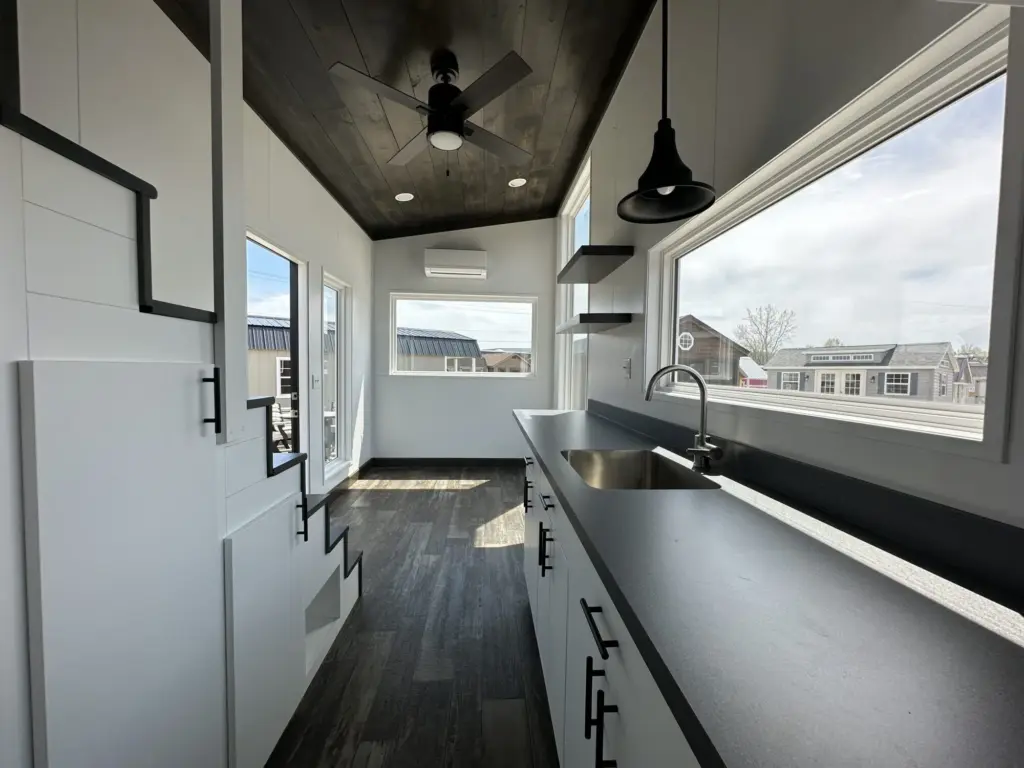
Choosing the right unit size is only part of the process. Packing efficiently allows you to make better use of every square foot. Place large furniture against the walls and stack sturdy boxes from heaviest to lightest. Disassemble beds, tables, and shelving units whenever possible to create more usable space. Leave a narrow walkway if you expect to visit the unit regularly so you can reach items without unloading everything. Label each box clearly to avoid searching through multiple containers later.
Good organization protects your belongings from damage while helping you maximize the storage capacity of your unit. Spending extra time planning the layout often allows renters to choose a smaller and less expensive unit.
Common Mistakes People Make When Renting Storage
Many renters choose a storage unit based only on price instead of considering their actual needs. Renting a unit that is too small often results in overcrowding, making it difficult to access belongings safely. On the other hand, paying for a much larger unit wastes money every month. Another common mistake is ignoring future storage needs during home renovations or upcoming moves. Some renters also overlook important details such as security features, insurance requirements, and access hours.
According to the Federal Trade Commission, reviewing contracts carefully before signing helps consumers understand fees, responsibilities, and other important rental terms. Taking a few extra minutes to compare facilities can prevent unnecessary expenses later.
Conclusion
Choosing the right storage size becomes much easier when you first identify everything you plan to store and think about your future needs. The answer to how big of a storage unit do I need depends on the size of your belongings, how long you need storage, and whether you expect your storage requirements to grow. Renting works well for temporary situations, but homeowners with ongoing storage needs may benefit from investing in a permanent building instead. At Ohio Cabin and Structures, we build quality garages, sheds, cabins, and custom structures that provide dependable storage for years to come. If you’re looking for a long-term storage solution designed for everyday convenience, visit Ohio Cabin and Structures to explore our available models.