
Many people still associate satellite internet with slow downloads and long delays, which is why they often ask, how fast is Starlink? Unlike traditional satellite providers, Starlink uses thousands of low Earth orbit satellites to deliver faster speeds and lower latency across rural and remote areas. While actual performance depends on factors such as location, weather, and network traffic, Starlink has made activities like streaming, remote work, online gaming, and video conferencing possible for many households that previously had limited internet options.

Average Starlink Download And Upload Speeds
When people search how fast is Starlink, they usually want real-world speed expectations rather than advertised numbers alone. In most areas, Starlink download speeds typically range from 50 Mbps to 250 Mbps, while upload speeds typically range from 10 Mbps to 30 Mbps. Some users occasionally experience even faster performance depending on network demand and regional satellite coverage. These speeds are significantly better than many older satellite internet systems that often struggled to exceed 25 Mbps under ideal conditions.
Latency is another major difference. Traditional satellite internet often suffers from latency above 600 milliseconds because satellites orbit extremely far from Earth. Starlink satellites operate in low Earth orbit, dramatically reducing latency to around 20-50 milliseconds in many locations. This improvement allows users to participate in video calls, online gaming, and live streaming with much less delay. For remote workers and rural homeowners, this lower latency often matters just as much as raw download speed.
Why Starlink Is Faster Than Traditional Satellite Internet
The biggest reason Starlink performs differently comes down to satellite positioning. Traditional satellite providers use geostationary satellites positioned roughly 22,000 miles above Earth. Signals traveling that far naturally create delays and reduce responsiveness. Starlink, by contrast, uses thousands of smaller satellites orbiting much closer to the planet. This shorter travel distance dramatically improves both speed and latency.
Starlink’s satellite network also constantly evolves as SpaceX launches additional satellites into orbit. More satellites improve overall coverage and help distribute network demand more efficiently. According to the Federal Communications Commission, expanding broadband access in underserved areas remains a major priority, especially in rural regions where traditional high-speed infrastructure is limited. Starlink’s low Earth orbit system has become part of that broader push to improve internet access in areas where cable and fiber expansion remain difficult or expensive.
How Weather And Obstructions Affect Starlink Speeds
Although Starlink performs much better than older satellite systems, weather and physical obstructions can still affect performance. Heavy rain, snow, and severe storms may temporarily reduce speeds or interrupt service. Trees, buildings, and other obstacles blocking the dish’s view of the sky can also create connection issues. Because the Starlink dish constantly communicates with moving satellites overhead, maintaining a clear view of the sky is extremely important.
Users living in wooded or mountainous areas often need to install the dish on rooftops or elevated mounts to reduce obstructions. Snow accumulation may also affect the dish, although newer Starlink systems include built-in heating features designed to melt snow automatically. While occasional interruptions can still occur, Starlink generally handles weather conditions better than many older satellite internet providers because of its modern network design and lower-orbit satellites.
Can Starlink Handle Streaming, Gaming, And Remote Work
One reason Starlink has gained attention so quickly is that its speeds support activities that were previously difficult with satellite internet. Streaming services such as Netflix, YouTube, and Hulu typically work smoothly on Starlink connections, including HD and even 4K video in many locations. Video conferencing for remote work also performs far better than traditional satellite systems because of lower latency and more stable speeds.
Online gaming performance depends on the game and server location, but many users report surprisingly playable experiences compared to older satellite internet. Competitive gaming may still perform better on fiber or cable connections, but Starlink has dramatically narrowed the gap for rural users who previously had few alternatives. Large file downloads, cloud backups, and software updates also complete much faster than they would on older rural internet systems.

Starlink Speeds In Rural Areas Compared To City Internet
For rural homeowners, Starlink often represents a massive upgrade over DSL or outdated satellite systems. In many remote areas, internet speeds below 10 Mbps are still common, making basic streaming and remote work frustrating. Starlink’s ability to deliver speeds above 100 Mbps in many locations can completely change how rural properties function for work, entertainment, and communication.
However, Starlink does not always outperform urban fiber internet. Fiber connections in cities may still offer gigabit-level speeds with lower latency and greater consistency during peak usage times. The advantage of Starlink is not necessarily beating fiber but bringing high-speed internet to areas where fiber and cable infrastructure are unavailable or financially impractical to install. For off-grid homes, cabins, and rural properties, this accessibility is often more important than achieving the absolute fastest speeds possible.
How Starlink Supports Off-Grid and Cabin Living
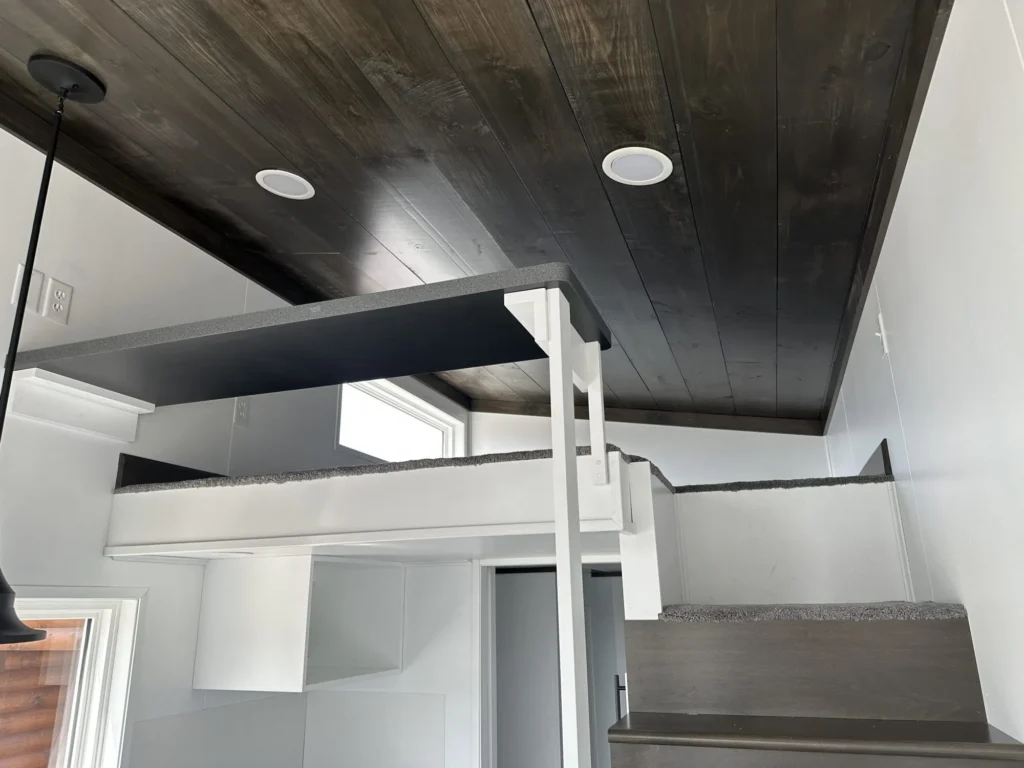
Reliable internet has become increasingly important for people living in cabins, tiny homes, or remote rural properties. Structures like the Tennessee Mountain Cabin often benefit from internet solutions that work beyond traditional utility infrastructure. Starlink allows homeowners in isolated areas to access remote work opportunities, streaming entertainment, smart home systems, and online communication without depending on nearby cable lines. For off-grid living setups, internet reliability can dramatically improve both convenience and long-term practicality. As more people explore remote living lifestyles, internet access has become almost as important as electricity and water for many homeowners.
Portable Internet Solutions For Tiny Homes And Travel
Starlink has also become popular among RV owners, travelers, and tiny home residents because portable service options allow internet access in changing locations. Homes like the Ashmore Mobile Tiny Home pair naturally with mobile internet systems designed for flexible living arrangements. Travelers can often maintain internet access while moving between campsites, rural areas, and temporary properties. This flexibility has made Starlink especially appealing for digital nomads, remote workers, and full-time travelers who rely on internet access for income and communication. Portable connectivity allows people to live farther from traditional urban infrastructure without completely disconnecting from work or entertainment.
Monthly Costs And Equipment Requirements
Understanding how fast is Starlink also means understanding what is required to achieve those speeds. Starlink users must purchase the equipment kit, which typically includes the dish, mounting hardware, cables, router, and power supply. Monthly service costs vary depending on the plan selected, including residential, roaming, or business options. Proper installation is extremely important for maximizing performance. The dish needs a clear view of the sky with minimal obstructions. Some users install rooftop mounts, poles, or elevated brackets to improve signal quality. While the upfront equipment cost may seem high compared to some traditional providers, many rural homeowners consider it worthwhile because alternative high-speed options simply do not exist in their areas.

Future Speed Improvements As The Network Expands
Starlink speeds may continue improving as SpaceX launches additional satellites and upgrades ground infrastructure. A larger satellite network helps distribute users more efficiently while improving overall coverage and consistency. New hardware generations may also improve speed, latency, and weather resistance over time. As broadband demand continues increasing, satellite-based internet systems will likely play a larger role in connecting rural communities, remote properties, and mobile users. While fiber internet remains the gold standard in many urban areas, Starlink has already changed expectations for what satellite internet can realistically deliver.

Conclusion
So, how fast is Starlink? For many rural homeowners, cabin owners, and off-grid families, it delivers speeds that comfortably support streaming, remote work, video calls, online learning, and everyday internet use. Although performance varies based on location and network conditions, Starlink has dramatically improved what satellite internet can offer compared to older systems. If you are planning a cabin or tiny home in a rural location, explore the quality structures available at Ohio Cabins & Structures. To learn more about building a property that supports modern off-grid living, contact our team today.