Most well-built prefab homes can last 50 to 100 years or longer when they are constructed with quality materials and maintained properly. While some buyers assume factory-built homes are less durable than traditional houses, modern prefab homes often meet the same building standards and can provide decades of reliable performance. Understanding what affects their lifespan helps homeowners make smarter decisions about construction, maintenance, and long-term value.
But one of the most common questions potential buyers ask is: “How long do prefab homes last?” Understanding the durability and lifespan of prefab homes is essential for making an informed investment decision. In this article, we’ll explore the factors that influence the longevity of prefab homes, how they compare to traditional site-built homes, and why prefab homes from Ohio Cabins & Structures are built to last.
1. What Are Prefab Homes?
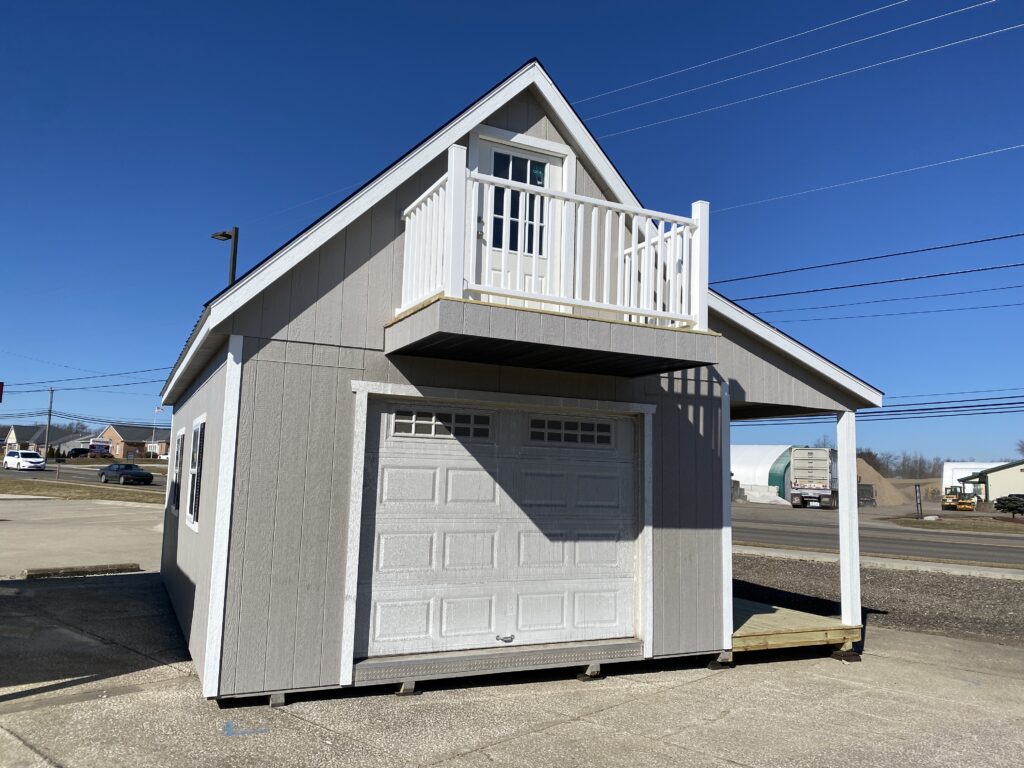
Before diving into the lifespan of prefab homes, it’s important to understand what they are. Prefabricated homes are constructed off-site in a controlled factory environment. The individual components or modules are then transported to the construction site, where they are assembled into a complete structure. This method of construction allows for precise quality control and faster building times compared to traditional homes.
Prefab homes come in various styles, including modular homes, manufactured homes, and tiny homes. Modular homes are built to meet the same building codes as site-built homes, making them a reliable and durable housing option. Manufactured homes, while similar, are typically built to a different set of standards. Regardless of the type, prefab homes are constructed with modern materials and advanced techniques, which contribute to their longevity.
2. Lifespan of Prefab Homes
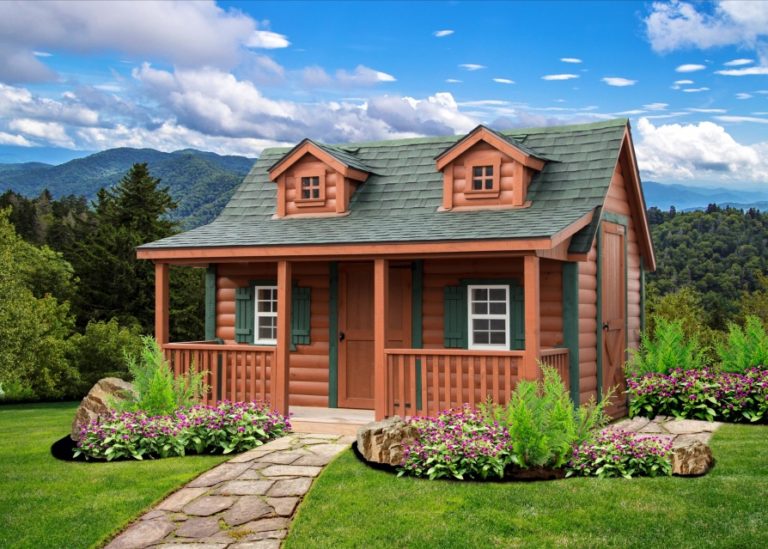
So, how long do prefab homes last? With proper maintenance and care, a well-built prefab home can last anywhere from 50 to 100 years or more. In fact, when constructed with high-quality materials and regular upkeep, a prefab home’s lifespan can be comparable to, or even exceed, that of a traditional site-built home.
Can Prefab Homes Last As Long As Traditional Homes?
One of the biggest misconceptions about prefab housing is that it does not last as long as a site-built home. In reality, modular prefab homes are often built to the same residential building codes as traditional houses. Because construction takes place in a controlled factory environment, builders can avoid weather-related damage during the building process and maintain stricter quality control. When properly installed on a permanent foundation, many prefab homes achieve lifespans comparable to conventional homes.
Factors That Influence Prefab Home Longevity
Several factors can impact the lifespan of a prefab home. Let’s break down the key elements that determine how long your prefab home will last:
a. How Building Materials Affect Prefab Home Lifespan
The quality of the materials used in the construction of a prefab home plays a significant role in its durability. Homes built with high-grade materials, such as treated wood, steel, or advanced composites, tend to last longer than those made with lower-quality options. For example, Ohio Cabins & Structures uses only the best materials to ensure long-lasting durability and resistance to weather elements.
- Framing: Most prefab homes use wood or steel framing, both of which are designed to withstand decades of wear and tear. Wood framing, when properly treated and maintained, can last as long as 50 years or more. Steel frames, on the other hand, are more resistant to issues like moisture and pests, offering an even longer lifespan.
- Roofing: The type of roofing material used can also impact the longevity of a prefab home. Common materials include asphalt shingles, metal, and tile. While asphalt shingles typically last around 20-30 years, metal and tile roofs can last upwards of 50 years with proper care.
- Insulation and Siding: High-quality insulation helps regulate the home’s temperature, making it energy-efficient and prolonging the life of the structure. Similarly, durable siding materials like vinyl or fiber cement can protect the home from the elements and last for decades.
b. Why Construction Standards Matter
Prefab homes are built in a controlled environment, which reduces the likelihood of errors that can occur during on-site construction. Modular homes, in particular, are constructed to meet the same building codes and regulations as traditional homes. This ensures that they are built to a high standard of quality and durability. Ohio Cabins & Structures adheres to strict building codes to ensure that every prefab home meets or exceeds local standards.
Additionally, because prefab homes are constructed in a factory, they are less exposed to weather conditions like rain or extreme temperatures during the building process, which can weaken the materials in traditional homes.
Construction quality remains one of the strongest predictors of a home’s lifespan. The National Association of Home Builders emphasizes the importance of proper framing, structural design, and code compliance in creating durable residential buildings. Homes built to recognized standards typically experience fewer structural issues and maintain their value longer.
How Weather Affects Prefab Home Longevity
Climate plays a major role in determining how long a prefab home lasts. Homes located in areas with heavy snowfall, strong winds, high humidity, or frequent temperature swings require more attention than those in milder climates. Quality roofing, proper drainage, and effective insulation help protect the structure from weather-related wear. Homeowners who address small issues early often prevent larger repairs and extend the life of the home significantly.
c. The Role of Maintenance in Long-Term Durability
Just like traditional homes, prefab homes require regular maintenance to extend their lifespan. Proper upkeep includes routine inspections, cleaning, and timely repairs to prevent minor issues from becoming major problems. Key areas of focus should include:
- Roof maintenance: Regularly inspect the roof for leaks or damage, and replace shingles or tiles as needed. Keeping the gutters clean and ensuring proper drainage will also help protect the roof and walls from water damage.
- Siding and exterior care: Clean the siding and exterior surfaces to prevent mold, mildew, and dirt buildup. Inspect for any cracks or damage, and repair them to keep the structure intact.
- HVAC and plumbing systems: Regularly service your heating, ventilation, and air conditioning (HVAC) systems, as well as the plumbing, to ensure they are functioning efficiently. Poorly maintained systems can lead to costly repairs and shorten the lifespan of the home.
Common Maintenance Mistakes That Shorten A Prefab Home’s Lifespan
Many lifespan problems result from neglected maintenance rather than construction defects. Failing to repair roof leaks, allowing gutters to clog, ignoring foundation drainage issues, or postponing exterior repairs can accelerate deterioration. Regular inspections help homeowners identify problems before they become expensive structural concerns. Preventive maintenance remains one of the most effective ways to maximize the lifespan of any prefab home.
d. How Climate Impacts Prefab Home Longevity
The location and climate where the prefab home is placed can also affect its longevity. For example, homes in areas with extreme weather conditions, such as heavy snowfall, strong winds, or high humidity, may require more frequent maintenance to ensure their durability. Ohio’s climate, with its cold winters and humid summers, may require homeowners to pay extra attention to weatherproofing and insulation. Ohio Cabins & Structures builds homes with weather-resistant materials and designs that can withstand the state’s diverse climate.
e. Choosing the Right Foundation for Maximum Lifespan
The type of foundation used for a prefab home can greatly impact its longevity. Common foundation types include:
- Slab foundation: This is a solid concrete slab poured directly onto the ground. It’s one of the most durable foundation options and requires little maintenance, making it a good choice for long-term durability.
- Crawl space: A crawl space foundation elevates the home off the ground and provides easy access to plumbing and wiring. However, it may require more maintenance to prevent moisture buildup and pest infestations.
- Basement foundation: A full basement foundation offers additional living space and storage but requires more maintenance to prevent water damage and structural issues.
Prefab homes built on strong, well-maintained foundations can last just as long as traditional homes.
A strong foundation does more than support the structure above it. It helps prevent settling, moisture intrusion, and structural movement that can shorten a home’s lifespan. Homeowners should choose a foundation type that matches local soil conditions, climate patterns, and intended use of the home. Proper drainage around the foundation is equally important for protecting the structure over the long term.
3. How Prefab Homes Compare to Traditional Homes
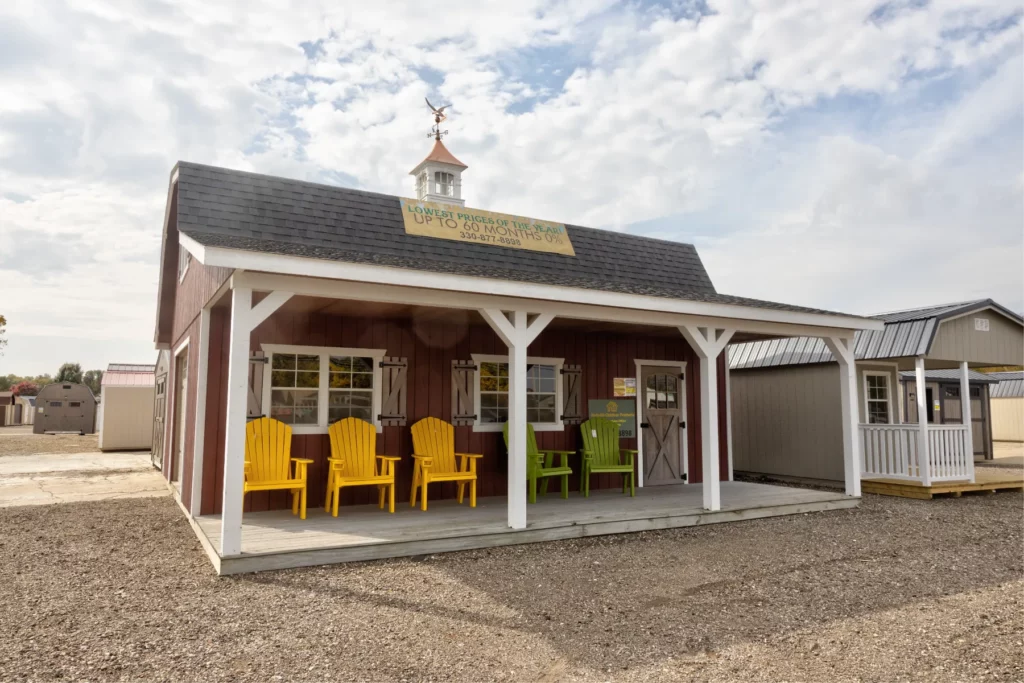
Prefab homes have come a long way in terms of quality and design. Modern prefab homes, especially those built by Ohio Cabins & Structures, are often indistinguishable from traditional site-built homes in terms of appearance and durability. In fact, prefab homes can even offer certain advantages over traditional homes:
- Faster construction time: Prefab homes are built in a fraction of the time it takes to construct a traditional home, without sacrificing quality. This efficiency reduces labor costs and minimizes delays caused by weather conditions.
- Cost savings: Due to the streamlined construction process and reduced material waste, prefab homes tend to be more affordable than traditional homes. This makes them an attractive option for those looking to build a durable, long-lasting home on a budget.
- Environmental benefits: Prefab homes are often more energy-efficient due to their modern design and insulation techniques. Many prefab home manufacturers, including Ohio Cabins & Structures, offer eco-friendly options, such as solar panels and energy-efficient windows, which can reduce long-term utility costs and environmental impact.
Choosing The Right Builder Matters
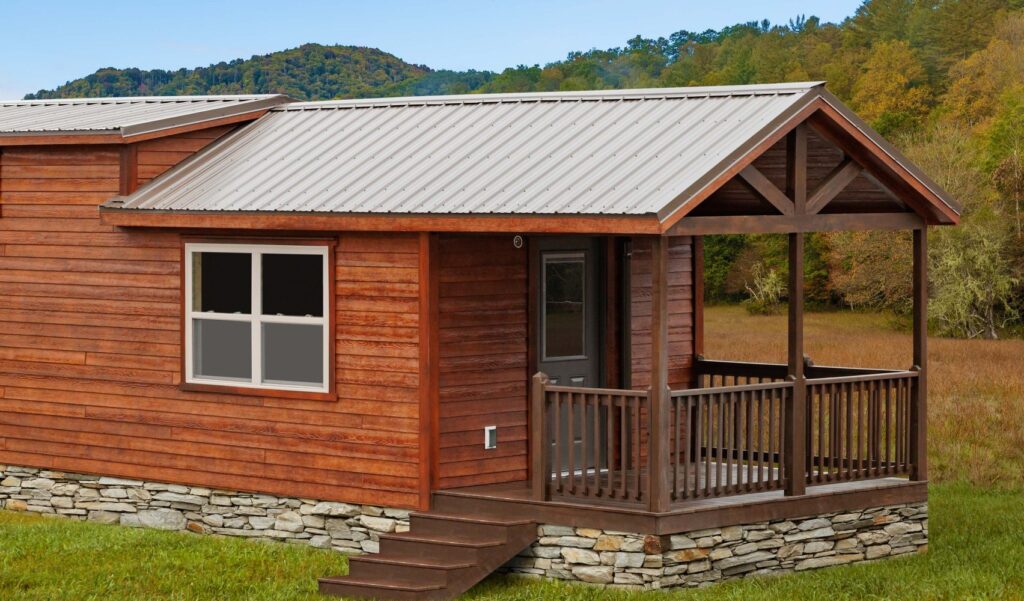
The quality of the builder often has a greater impact on a prefab home’s lifespan than the construction method itself. Experienced builders use better materials, follow strict quality standards, and ensure proper installation on-site. Companies such as Ohio Cabin and Structures focus on durable construction practices that help homeowners maximize the long-term value of their investment.
Signs A Prefab Home Is Built To Last
Buyers evaluating prefab homes should look for several indicators of long-term durability. High-quality framing materials, durable roofing systems, energy-efficient windows, proper insulation, and strong foundation construction all contribute to longevity. Reputable builders also provide detailed specifications, warranties, and evidence of compliance with local building codes. Choosing a builder with a proven reputation often has a greater impact on lifespan than the construction method itself.
Buyers should also pay attention to roofing warranties, siding materials, and the quality of windows and doors. These components are exposed to the elements every day and often determine how much maintenance a home will require over time. Investing in durable exterior materials can significantly reduce long-term ownership costs while extending the life of the structure.
Conclusion
So, how long do prefab homes last? Most quality prefab homes can remain structurally sound for 50 to 100 years or more when they are built with durable materials, installed correctly, and maintained consistently. Factors such as climate, foundation quality, construction standards, and routine upkeep all play important roles in determining lifespan. Modern prefab homes have proven that factory-built construction can offer the same durability, comfort, and long-term value as many traditional houses. For homeowners exploring prefab living, focusing on quality construction and ongoing maintenance is the best way to ensure decades of reliable performance.