
Storage unit prices can range from relatively inexpensive monthly rates to several hundred dollars per month. The exact amount depends on the size of the unit, the facility location, climate control, access features, security, and local demand. A small unit used for boxes and seasonal belongings usually costs much less than a large space designed for furniture, business inventory, or vehicle storage. Prices also vary between cities. Facilities in densely populated areas often charge more because land and operating costs are higher.
The advertised monthly rate does not always represent the full cost. Some facilities charge administrative fees, insurance costs, lock fees, deposits, or other expenses when you begin renting. Promotional rates can also increase after the introductory period ends. Before choosing a unit, ask for the regular monthly price and a list of additional charges. You should also consider how long you expect to need storage. A modest monthly fee can become a significant expense after one or two years. Comparing rental costs with other storage options can help you decide which approach makes the most financial sense.
Average Storage Unit Costs By Size
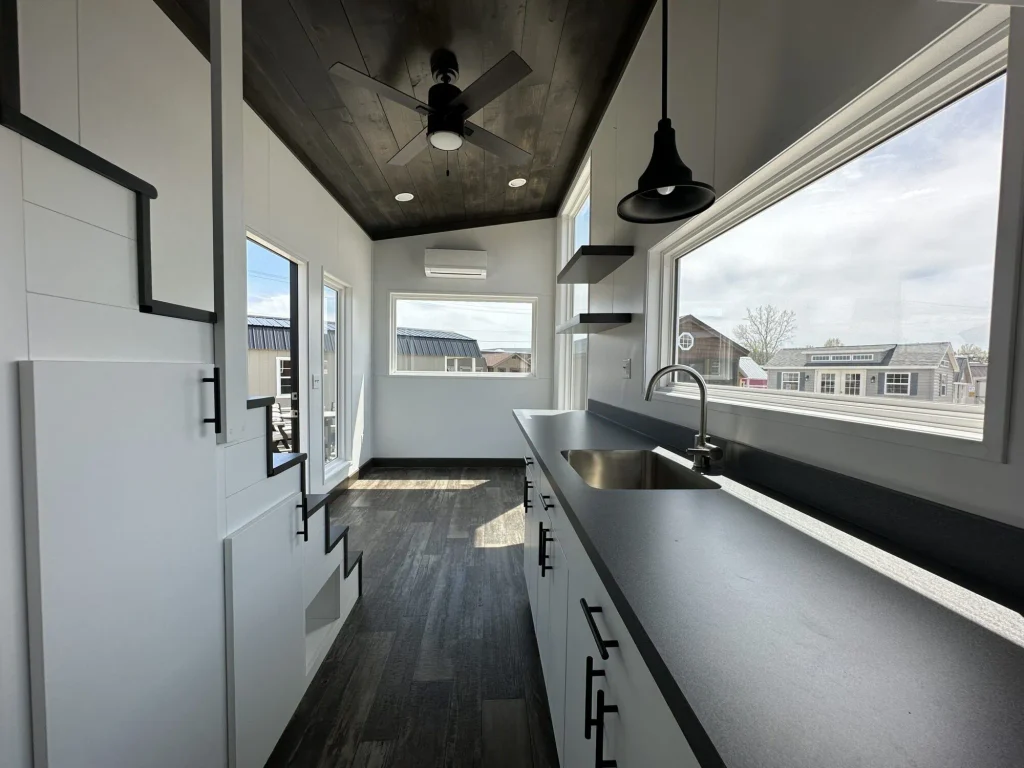
Unit size has one of the biggest effects on rental prices. Small units such as 5×5 and 5×10 spaces usually sit at the lower end of the price range. A 5×5 unit can hold boxes, small furniture, seasonal decorations, or the contents of a closet. A 5×10 unit provides more flexibility and may hold belongings from a small bedroom or apartment. These sizes work well when you only need temporary space for a limited number of items.
Larger units cost more because they provide substantially more floor space. A 10×10 unit offers about 100 square feet, while a 10×20 unit provides roughly 200 square feet. Large units may accommodate furniture from a multi-room home, business inventory, equipment, or even a vehicle when facility rules allow it. Instead of choosing a unit based only on monthly price, compare how much usable space you receive. Owning dedicated storage space may become more practical when you need it for many years.
Why Location Changes Storage Rental Prices
Location can create major differences in storage prices even when two facilities offer units of the same size. Urban facilities often have higher costs because they operate on expensive land and serve a larger number of customers. A storage unit near a major city center may therefore cost significantly more than a similar unit in a smaller town. Convenient access can also affect pricing. Facilities near highways, neighborhoods, universities, or busy commercial areas may charge more because demand remains strong.
Regional housing patterns also influence demand. Areas with many apartments, smaller homes, or frequent moves may have more people competing for available units. Seasonal demand can affect rates as well. Summer often brings more moves, home sales, renovations, and college transitions. These conditions can increase demand for temporary storage. Before renting, compare several facilities within a reasonable driving distance. A slightly longer drive may produce meaningful monthly savings. However, frequent access changes the calculation. Driving an extra 30 minutes each way may not be worthwhile if you visit the unit several times per week. Balance monthly rent against convenience instead of choosing based on price alone.
Climate-Controlled Storage Costs More
Climate-controlled storage generally costs more than a basic unit because the facility uses additional equipment and energy. These units regulate indoor conditions to reduce exposure to extreme temperature changes. Some facilities also manage humidity. This feature can help protect certain belongings, especially when you plan to store them for an extended period. However, climate control does not mean the unit maintains the exact temperature and humidity conditions found inside a home. Ask the facility what its system actually controls before paying the higher rate.
Items such as wooden furniture, electronics, musical instruments, artwork, photographs, books, and important documents can benefit from more stable conditions. Extreme heat, cold, and moisture can damage sensitive materials over time. Basic household goods, outdoor equipment, or durable plastic items may not require the same protection. Think about the value and sensitivity of your belongings before selecting this upgrade. Paying extra for climate control makes sense when it protects expensive or irreplaceable items. For tools, lawn equipment, bicycles, and other durable belongings, a traditional storage building may offer a more affordable solution. Ohio property owners can browse portable storage and utility buildings when they want storage directly on their own land.
Extra Fees Can Increase The Real Monthly Cost
Monthly rent represents only one part of the storage bill. Many facilities charge an administrative fee when you first open the account. You may also need to purchase a specific type of lock. Some companies require storage insurance or proof that an existing policy covers your belongings. Taxes and other local charges may also apply. These expenses can make the first month’s bill noticeably higher than the advertised rental price.
Promotional pricing deserves close attention as well. A facility may advertise the first month free or offer a reduced introductory rate. That discount can be useful for short-term storage, but the regular price matters much more when you plan to rent for several months or years. Ask whether the rate can increase during your rental period. Also check late fees, payment policies, notice requirements, and rules for ending the lease. The Self Storage Association represents the self-storage industry and provides information about the sector. Reading your rental agreement remains essential because policies vary between individual facilities. A cheap advertised rate can become less attractive after you include required insurance, fees, price changes, and transportation costs.
How Long-Term Storage Affects Your Total Spending
Storage units often seem inexpensive when you look at only one month’s rent. The cost becomes more substantial when you multiply that amount across several years. A unit that costs $150 per month requires $1,800 in rent over a year before additional fees. Keeping the same unit for five years would mean $9,000 in base rent if the rate never increased. Actual spending could be higher because many rental rates change over time.
Long-term renters should periodically review what they keep in storage. People sometimes pay thousands of dollars to store furniture, decorations, appliances, or household items worth much less than the accumulated rent. Decide whether each item still deserves the space it occupies. Selling, donating, recycling, or discarding unused belongings can allow you to move into a smaller unit. If you own suitable property and expect to need storage for many years, buying a shed or utility building may deserve consideration. A permanent or portable structure requires a larger upfront investment, but it eliminates ongoing monthly storage rent. You also gain immediate access to your belongings without driving to an off-site facility.
Choosing The Right Storage Unit Size
Selecting the smallest unit that comfortably holds your belongings can help control costs. Start by making an inventory of everything you plan to store. Measure large furniture, appliances, equipment, and boxes. Then estimate how much floor area you need. Remember that stacking can save space, but not every item should carry weight. Fragile boxes, upholstered furniture, and irregularly shaped objects may require more room than expected.
Plan for access as well. Packing a unit completely from wall to wall can make it difficult to retrieve anything near the back. Leave a narrow walkway when you expect to visit regularly. Shelving can help use vertical space while keeping boxes organized. A 5×5 or 5×10 unit may work for limited household storage. A 10×10 often suits larger furniture collections, while 10×15 and 10×20 spaces can handle significantly more belongings. Vehicle owners may need a 10×20 or larger unit depending on the vehicle dimensions. Never choose a size based only on a facility’s general description. Measure your belongings and compare them with the actual usable dimensions before signing the rental agreement.
Renting A Storage Unit Vs Owning A Storage Building
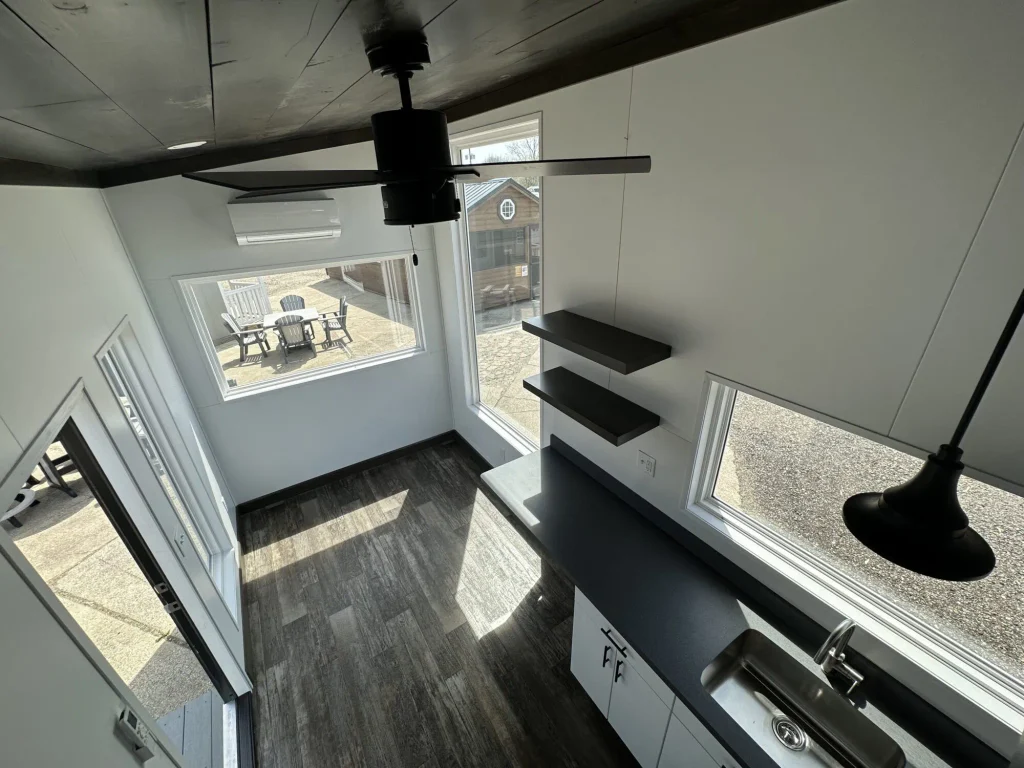
Renting makes sense when you need storage for a limited period. Moving, renovating, downsizing, or waiting for a new home can create temporary storage needs. A rental facility also removes the need to prepare land or purchase a building. Some locations provide gated access, cameras, climate control, and other features that may be difficult to duplicate at home. For short-term use, paying a monthly fee can provide a simple solution without a large upfront commitment.
Owning storage can become more appealing when the need continues for years. A backyard shed or utility building provides immediate access and can hold tools, seasonal equipment, household belongings, lawn supplies, and recreational gear. You also avoid recurring rental payments and trips to another location. The right choice depends on your property, budget, available space, and how long you need storage. Calculate the expected rental expense over several years before making a decision. If permanent storage fits your situation better, visit Ohio Cabins & Structures to compare sheds, utility buildings, garages, cabins, and other structures that can provide convenient storage space directly on your property.