Tiny homes on wheels attract buyers who want flexibility, mobility, and a lower barrier to homeownership, but pricing is not always as simple as it appears. Many people search how much are tiny homes on wheels because costs vary widely depending on size, materials, and level of customization. While these homes often cost less than traditional houses, they involve specific expenses tied to trailers, transport, and legal compliance. Understanding the full price range helps buyers avoid underestimating the true investment.
At Ohio Cabin and Structures, questions about mobile tiny homes often focus on real-world costs rather than advertised starting prices. Buyers want to know what they will actually spend once the home is finished, placed, and ready to live in. Looking beyond base pricing provides a clearer picture of long-term affordability.
What Defines a Tiny Home on Wheels
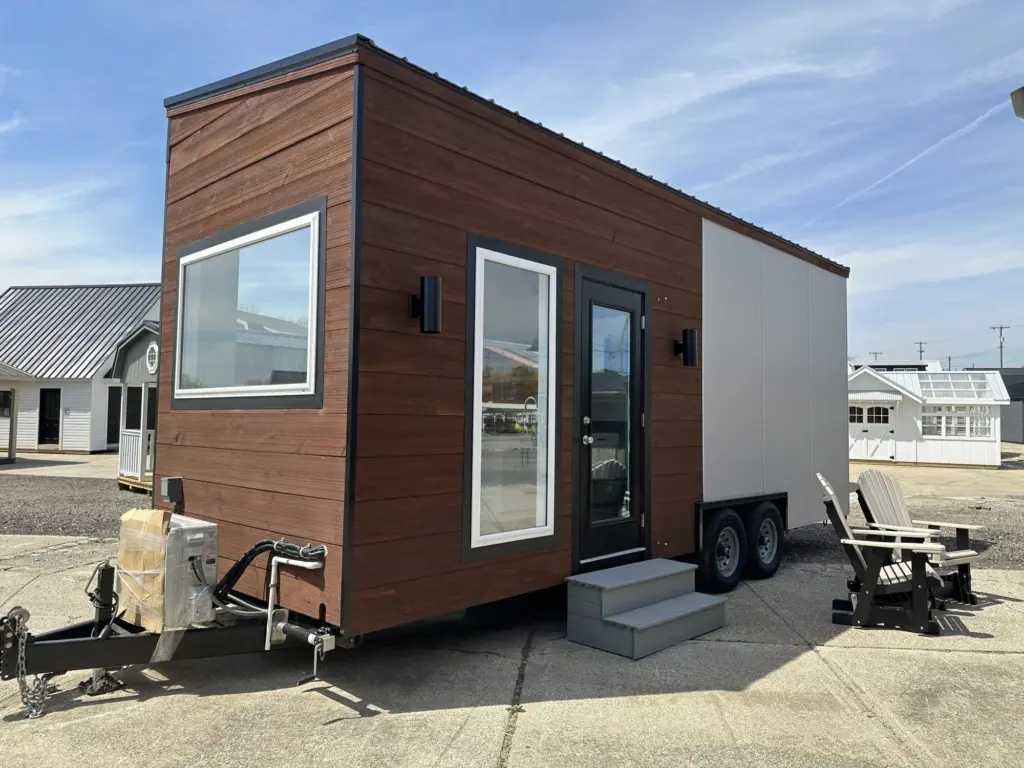
A tiny home on wheels is a compact dwelling built on a trailer rather than a permanent foundation. This design allows the home to move, but it also places limits on size, weight, and layout. Construction must balance livability with transport safety, which influences materials and design choices. When asking how much are tiny homes on wheels, buyers should recognize that mobility introduces unique costs that stationary tiny homes do not face.
Average Cost Range
The average tiny home on wheels typically costs between $60,000 and $120,000, though prices can fall outside this range depending on features. Entry-level builds using simpler finishes cost less, while custom designs with high-end materials cost more. Square footage, trailer capacity, and interior systems all influence pricing. Buyers should treat advertised prices as starting points rather than final totals.
How Size Affects Pricing
Size directly influences cost because larger homes require longer trailers, more materials, and stronger structural support. Tiny homes under 200 square feet often sit at the lower end of the price spectrum, while designs approaching 400 square feet cost significantly more. Buyers researching how much are tiny homes on wheels should balance desired space with budget and towing limitations.
Trailer Costs and Specifications
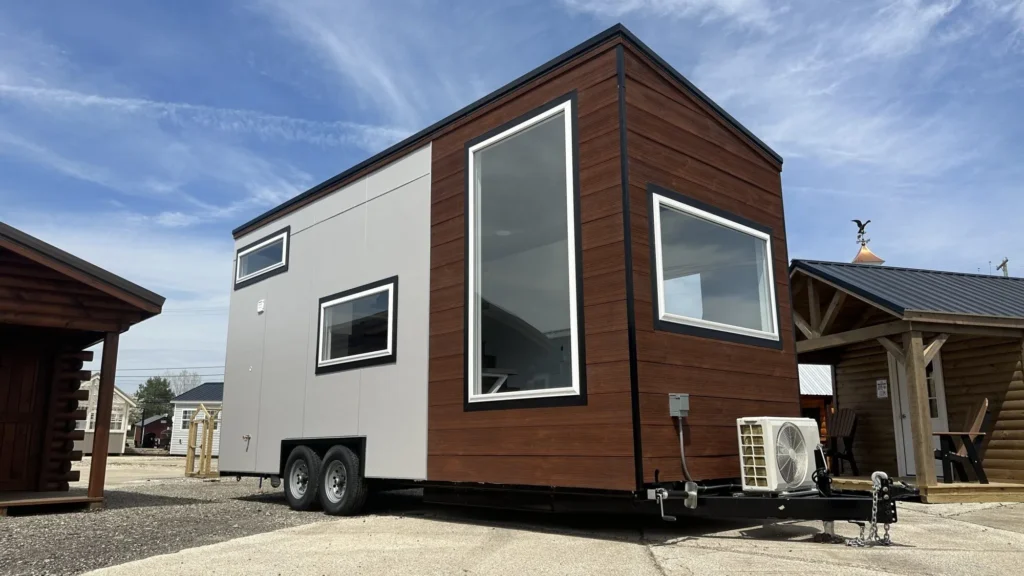
The trailer forms the foundation of a mobile tiny home and represents a major expense. High-quality trailers rated for heavy loads often cost several thousand dollars on their own. Axle rating, frame strength, and braking systems all affect pricing. Choosing a properly rated trailer improves safety and reduces long-term maintenance issues.
Material Choices and Build Quality
Material selection affects both price and performance. Lightweight framing, composite siding, and metal roofing help control weight while maintaining durability. Premium finishes such as hardwood flooring or stone countertops increase cost and weight. Buyers should choose materials that balance appearance, durability, and mobility.
Interior Features and Systems
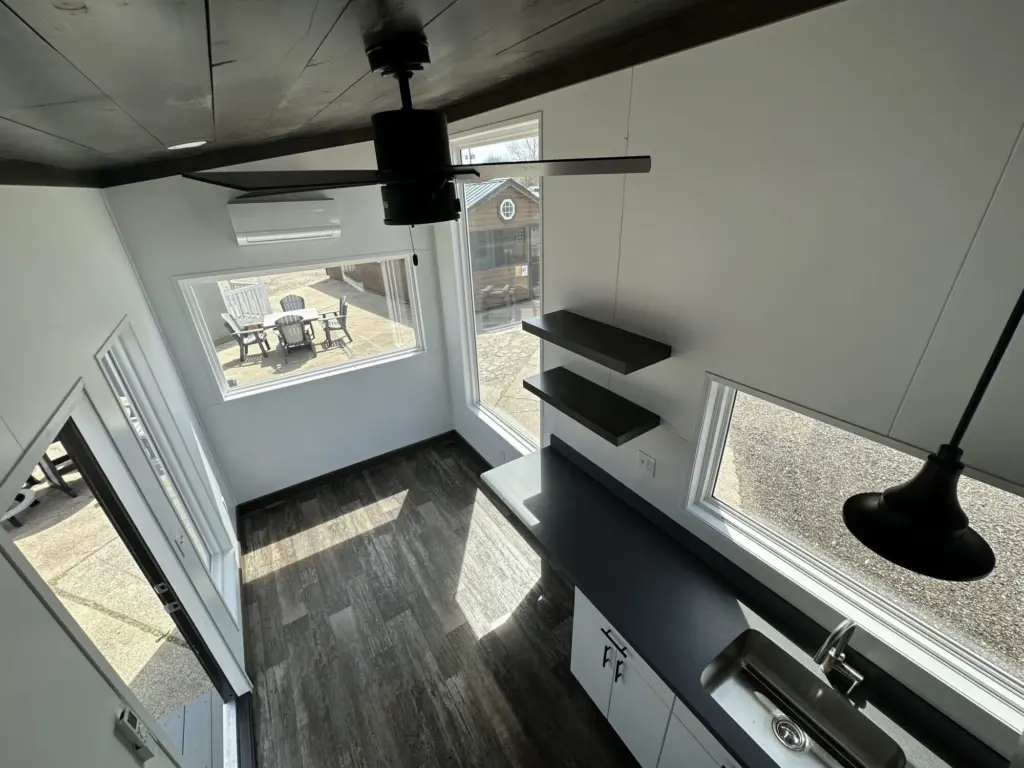
Interior systems add substantial cost beyond the shell. Plumbing, electrical wiring, insulation, HVAC, and appliances all factor into total pricing. Off-grid systems such as solar power or composting toilets increase upfront cost but reduce long-term utility expenses. Interior customization significantly affects final price.
Labor and Customization Costs
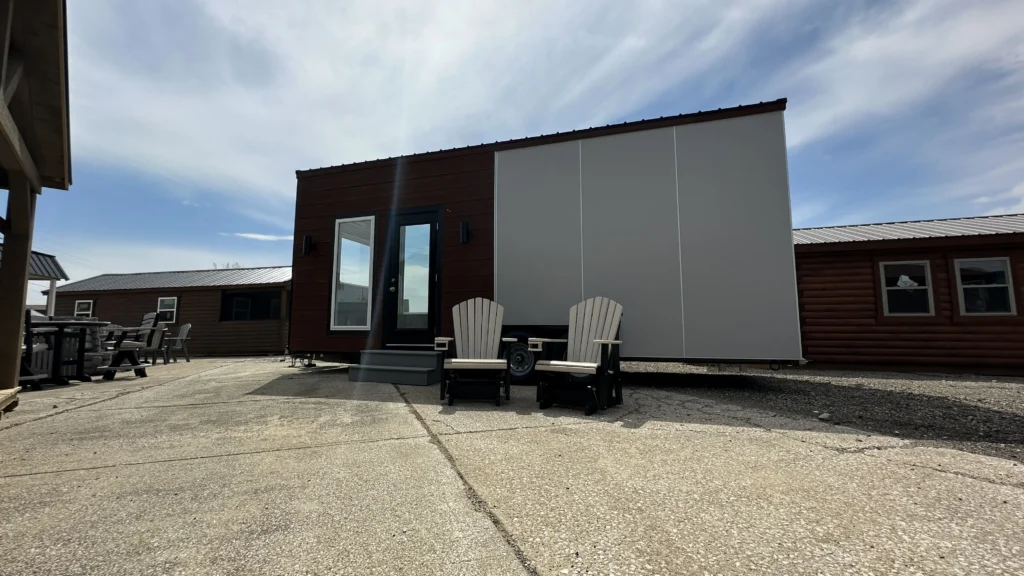
Labor costs vary based on build complexity and regional rates. Custom layouts, built-in furniture, and specialty finishes require additional labor time. Buyers who want unique designs should expect higher costs than those choosing standard layouts. Customization remains one of the largest pricing variables.
Transportation and Delivery Costs
Transportation costs add another layer to the total price of a tiny home on wheels. Moving a finished unit requires proper towing equipment, route planning, and sometimes professional transport services. Long distances increase fuel and labor costs, while narrow roads or urban delivery locations can complicate logistics. Buyers researching how much are tiny homes on wheels should account for delivery expenses early, especially if the home travels far from the builder.
Permits and Road Compliance
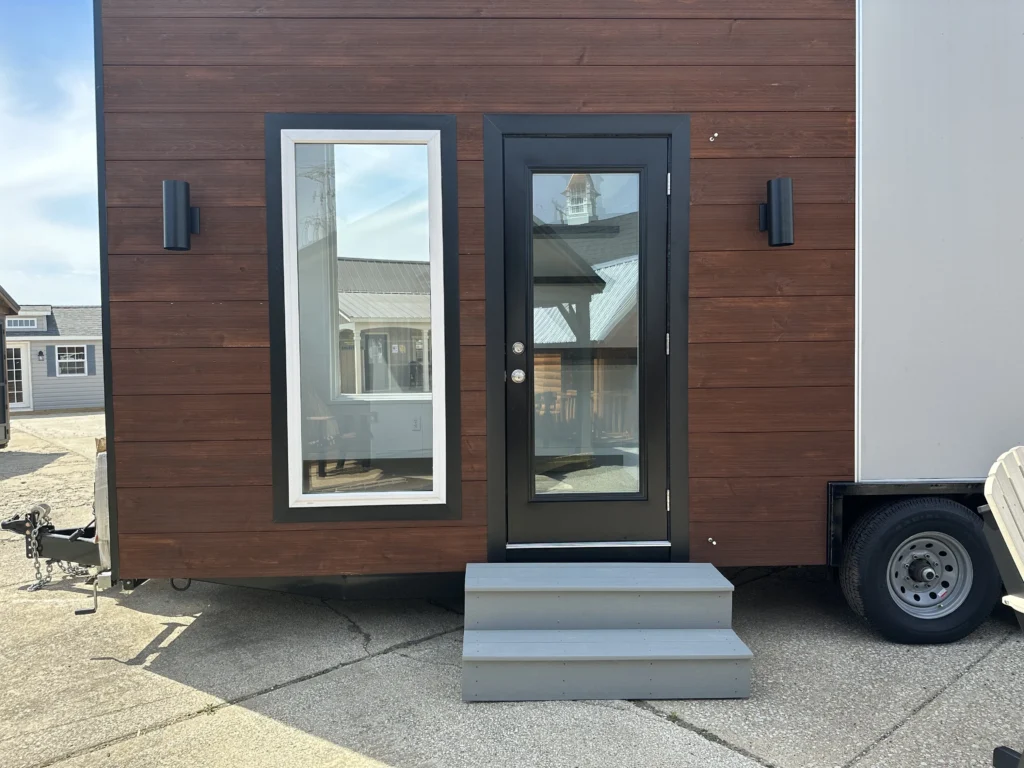
Tiny homes on wheels must meet road regulations related to width, height, length, and weight. Exceeding legal limits may require special permits or travel restrictions. These rules vary by state and influence when and how a tiny home can be transported. Understanding transportation limits helps buyers avoid fines and unexpected delays when relocating their home.
Zoning and Legal Classification
Legal classification affects where a tiny home on wheels can be placed long term. Some jurisdictions treat them as recreational vehicles, while others classify them as accessory dwelling units or mobile housing. Zoning laws determine whether full-time living is allowed and what utility connections are permitted. Transportation rules often rely on vehicle size and weight limits established for oversize loads, which influence how mobile dwellings are regulated across state lines.
Utility Setup and Off-Grid Options
Utility connections influence both cost and flexibility. Some tiny homes connect to traditional water, sewer, and electrical systems, while others rely on off-grid solutions. Solar panels, composting toilets, and water storage systems increase upfront investment but reduce ongoing expenses. Utility choices affect how much are tiny homes on wheels over the long term rather than just the initial purchase.
Insurance and Ongoing Expenses
Insurance costs vary based on how the home is classified and how often it moves. Homes treated as RVs require different coverage than stationary units. Maintenance, tire replacement, and occasional repairs also factor into ownership costs. Buyers who budget for these expenses enjoy fewer surprises later.
Resale Value and Market Demand
Resale value depends on build quality, condition, and location. Well-maintained homes with efficient layouts and durable materials tend to attract more buyers. Market demand for mobile tiny homes fluctuates based on housing trends and regional regulations. Resale considerations matter for buyers planning flexibility rather than permanent placement.
Comparing Tiny Homes on Wheels to Stationary Tiny Homes
Tiny homes on wheels offer mobility but involve additional costs related to transport and compliance. Stationary tiny homes avoid many of these expenses but sacrifice flexibility. Buyers weighing options through Ohio Cabin and Structures tiny homes often compare these tradeoffs carefully to match lifestyle needs.
Who Tiny Homes on Wheels Work Best For
Tiny homes on wheels suit people who value mobility, travel flexibility, or temporary placement options. They work well for remote workers, minimalists, and those who want freedom to relocate. Buyers who understand the full cost picture can decide whether mobility justifies the added expense.
Final Thoughts on How Much Are Tiny Homes on Wheels
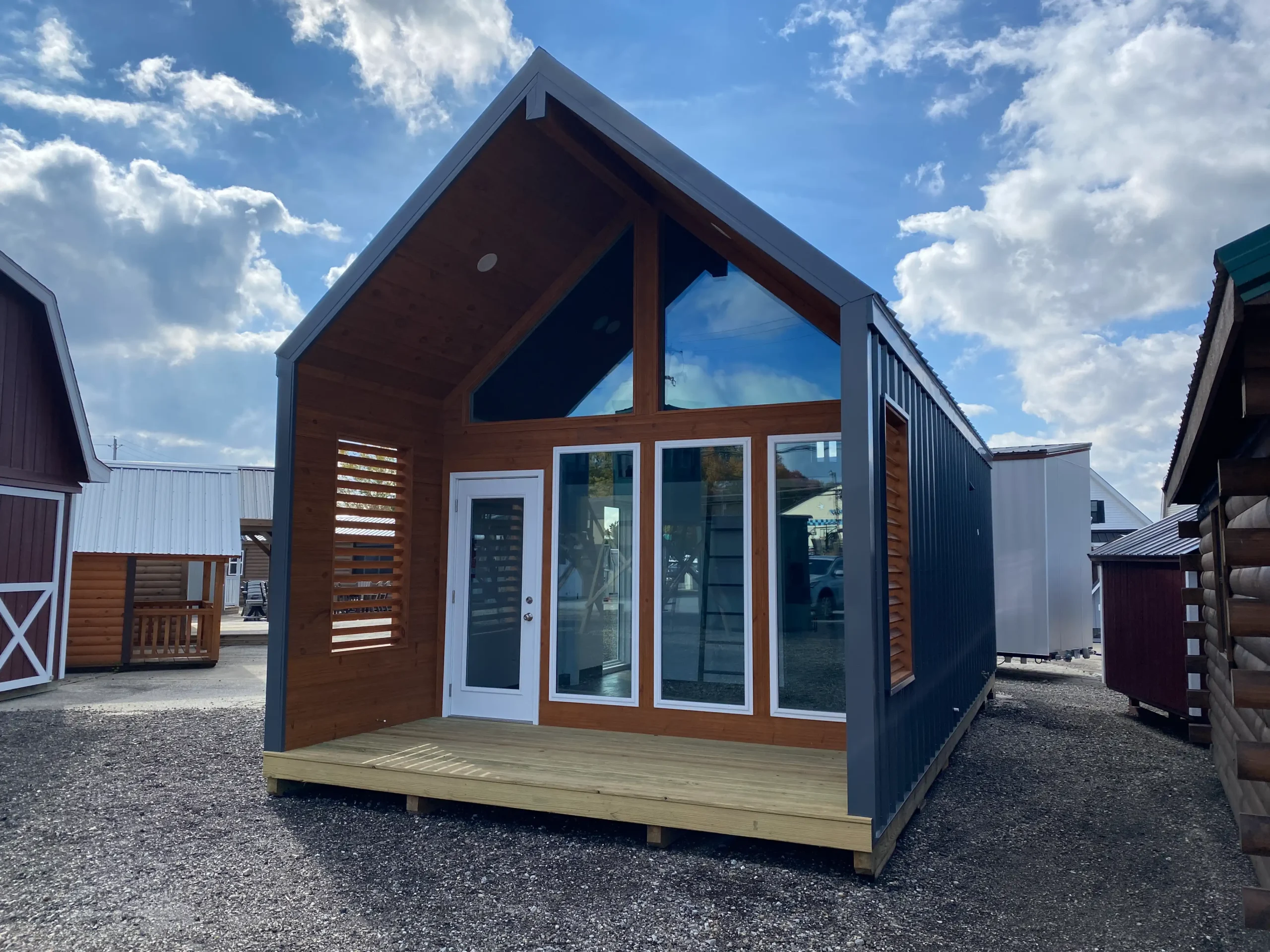
Understanding how much are tiny homes on wheels requires looking beyond base prices to include trailers, transport, permits, utilities, and long-term ownership costs. While these homes offer flexibility and independence, careful planning ensures affordability and compliance. If you want help evaluating mobile tiny home options or understanding placement requirements, you can reach out through the Ohio Cabin and Structures contact page for guidance tailored to your goals.