Many buyers compare modular homes with traditional construction because they want a faster and more affordable way to build a house. One of the most common questions they ask is, how much do modular homes cost to build? The answer depends on factors such as the home’s size, level of customization, site preparation, and local construction costs.
Although modular homes often cost less than comparable stick-built homes, the total investment includes more than the home’s purchase price. Land preparation, transportation, permits, utility connections, and interior upgrades all affect the final budget. Understanding these expenses helps homeowners plan more accurately and avoid unexpected costs.
What Is a Modular Home?
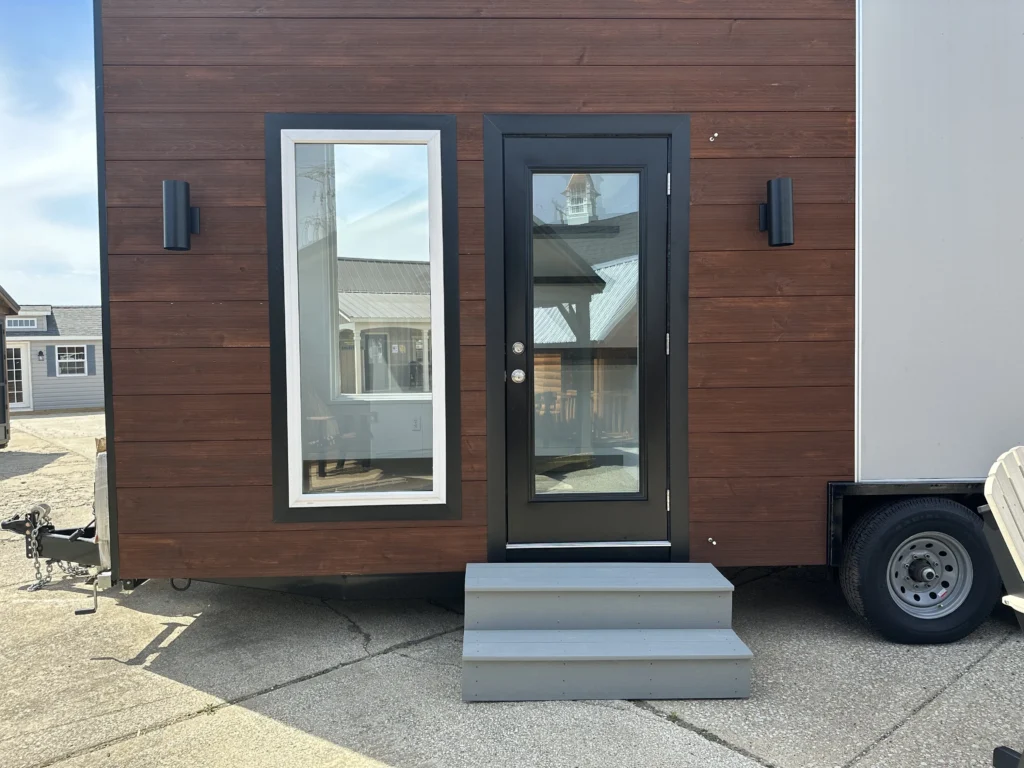
A modular home is a residential property built in sections inside a controlled factory environment. These sections, or “modules,” are then transported to the construction site and assembled on a permanent foundation. Unlike manufactured or mobile homes, modular homes must meet the same building codes as traditional stick-built homes. Learn more about modular construction at Modular Homes vs traditional homes.
Because modular homes are constructed indoors, builders can work without weather delays that often affect traditional construction projects. Factory production also improves quality control and reduces material waste, helping many buyers lower overall building costs while maintaining modern construction standards.
Average Cost to Build a Modular Home
The cost of a modular home depends on several factors, but on average, prices range between $100 and $200 per square foot. This means a 1,500-square-foot home can cost anywhere from $150,000 to $300,000. The price often includes the modules themselves, transportation, and on-site assembly. However, additional costs for land, permits, and finishing touches must also be considered.
In comparison, traditional stick-built homes often range from $150 to $250 per square foot, making modular homes an attractive option for buyers seeking cost savings.
Factors That Affect Modular Home Costs
Several factors influence how much modular homes cost to build, including size, design complexity, finishes, and location. Let’s explore each:
1. Size of the Home
Larger homes require more modules and labor, which increases the total cost. However, the price per square foot may decrease slightly as the project size grows, thanks to economies of scale.
2. Design and Customization
Basic floor plans with standard layouts cost less than fully customized modular homes. High-end features such as vaulted ceilings, luxury kitchens, or unique exterior designs will raise the overall budget.
3. Site Preparation
Before modules can be delivered, the land must be prepared. This may include excavation, grading, foundation work, and utility installation. Site prep can range from $10,000 to $50,000 depending on the land’s condition and location.
4. Transportation
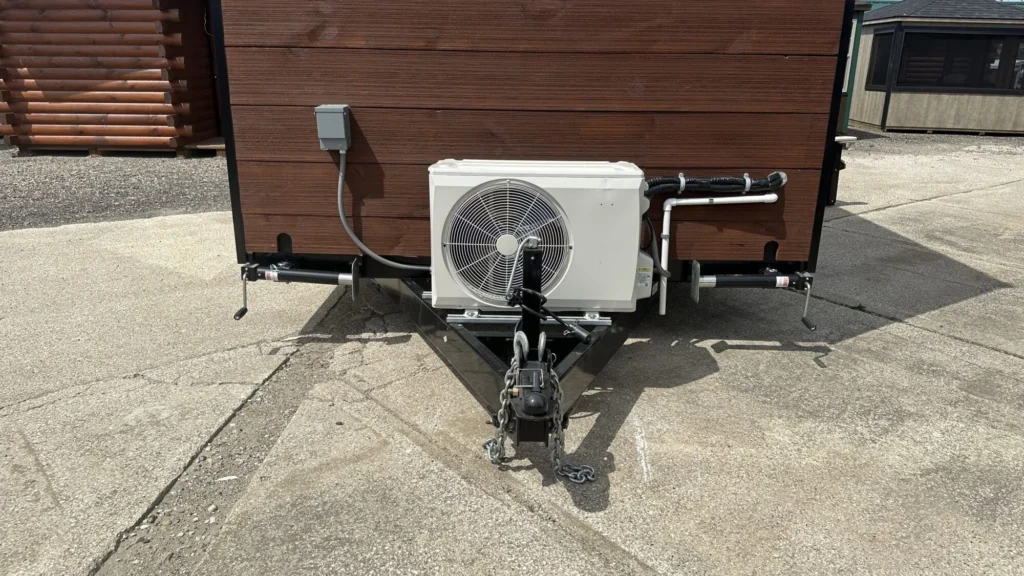
Modules are built in factories and transported by truck to the construction site. Transportation costs vary depending on the distance from the factory to your property. Remote or difficult-to-access locations may require additional expenses for delivery.
5. Permits and Inspections
Just like stick-built homes, modular homes must meet local building codes. Permit costs can range from $1,000 to $5,000 depending on local regulations. Some municipalities may also require multiple inspections during assembly, which can add small fees.
6. Finishes and Upgrades
Standard modular homes come with mid-range finishes, but upgrades such as hardwood floors, granite countertops, and energy-efficient appliances can significantly increase the cost. According to the National Association of Home Builders, interior finishes can account for up to 30% of a home’s final cost.
7. Labor and Assembly
While modular homes are designed to reduce labor costs, assembly on-site still requires skilled professionals. This includes crane operators, electricians, and plumbers. Assembly costs typically range from $20,000 to $50,000 depending on the home’s complexity.
Example Modular Home Cost Breakdown
| Expense | Estimated Cost |
|---|---|
| Base Modular Home | $240,000 |
| Site Preparation & Foundation | $25,000 |
| Permits & Inspections | $3,500 |
| Transportation & Crane | $12,000 |
| Assembly Labor | $30,000 |
| Interior Upgrades | $40,000 |
| Total Estimated Cost | $350,500 |
Are Modular Homes Cheaper Than Traditional Homes?
In most cases, yes. Modular homes can save buyers anywhere from 10% to 20% compared to stick-built houses of similar size and quality. This is primarily due to reduced labor, minimized material waste, and faster construction timelines. However, depending on upgrades and land prep requirements, costs can sometimes approach those of traditional homes.
Financing Modular Homes
Financing a modular home is similar to financing a traditional house. Most lenders offer conventional mortgages for modular homes as long as they are placed on permanent foundations. Some may also provide construction loans to cover the building process. Working with an experienced lender who understands modular construction ensures smoother approvals and accurate cost estimates.
Hidden Costs to Consider
Many buyers focus only on the home’s purchase price and overlook additional expenses that affect the final budget. Common hidden costs include driveway construction, landscaping, utility hookups, septic systems, well installation, and exterior features such as decks or patios. Planning for these expenses early creates a more realistic financial plan and reduces unexpected costs during construction.
Energy Efficiency and Long-Term Savings
Modular homes are often built with energy-efficient materials and advanced insulation. According to Energy.gov, these practices can reduce heating and cooling bills by up to 30%. Over the life of the home, these savings significantly offset upfront costs, making modular homes not only affordable to build but also cheaper to own long-term.
Resale Value of Modular Homes
A common misconception is that modular homes don’t appreciate. In reality, modular homes built to local codes and maintained properly appreciate at similar rates as traditional homes. Location, upkeep, and market trends remain the biggest factors influencing resale value.
How to Get the Best Price on a Modular Home
If you’re considering building a modular home, here are a few tips to control costs:
- Choose a floor plan close to standard designs to avoid costly cu
- stomizations.
- Work with reputable builders who have transparent pricing.
- Get multiple quotes for land prep and assembly work.
- Focus on energy-efficient upgrades that pay off long-term.
Final Thoughts
How much do modular homes cost to build depends on much more than the home’s square footage. Site preparation, transportation, customization, utility connections, and local labor all contribute to the final investment. Understanding each expense helps buyers create a realistic budget before construction begins.
If you are comparing modular home options, explore available models from Ohio Cabins & Structures Modular Homes. You can also contact Ohio Cabins & Structures to discuss pricing, customization options, and the building process with an experienced team.