
Tiny homes continue to grow in popularity as people look for simpler living, lower costs, and greater flexibility. One of the most common practical questions buyers ask is how much do tiny homes weigh, especially when considering transportation, foundations, and legal requirements. Weight affects everything from trailer selection to towing safety and placement options. Understanding the real weight of a tiny home helps buyers plan correctly and avoid costly mistakes later.
At Ohio Cabin and Structures, we often help customers evaluate tiny home designs based on land use, mobility, and long-term durability. Weight plays a critical role in these decisions, whether the home will stay in one place or move periodically. Knowing how weight factors into construction allows buyers to choose designs that match their goals.
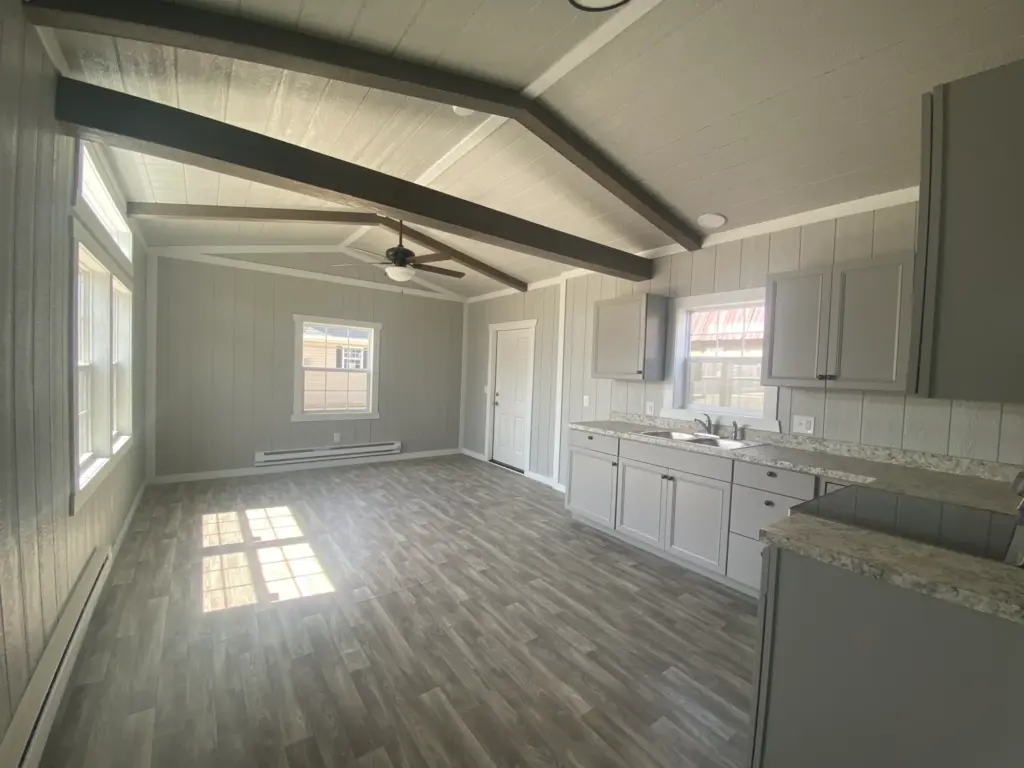
Why Tiny Home Weight Matters
Weight affects safety, transportation legality, structural integrity, and long-term performance. Buyers researching how much do tiny homes weigh often focus on towing capacity, but weight also impacts foundation requirements and site preparation. Overloading trailers or placing excessive weight on unsuitable foundations can lead to structural damage or legal issues. Proper weight planning protects both the home and the people moving or living in it.
Average Weight of a Tiny Home
The average tiny home typically weighs between 10,000 and 20,000 pounds depending on size, materials, and design. Smaller models built with lightweight materials fall closer to the lower end, while larger or luxury designs weigh more. Buyers asking how much do tiny homes weigh should understand that advertised weights often exclude furniture, appliances, and personal belongings, which add significant load.
Tiny Homes on Wheels Weight Range
Tiny homes built on trailers usually weigh between 12,000 and 18,000 pounds before personal items are added. Trailer capacity must safely support both the structure and interior contents. Exceeding trailer limits creates safety risks during transport and may violate road regulations. Buyers should always match trailer ratings to the expected final weight of the home.
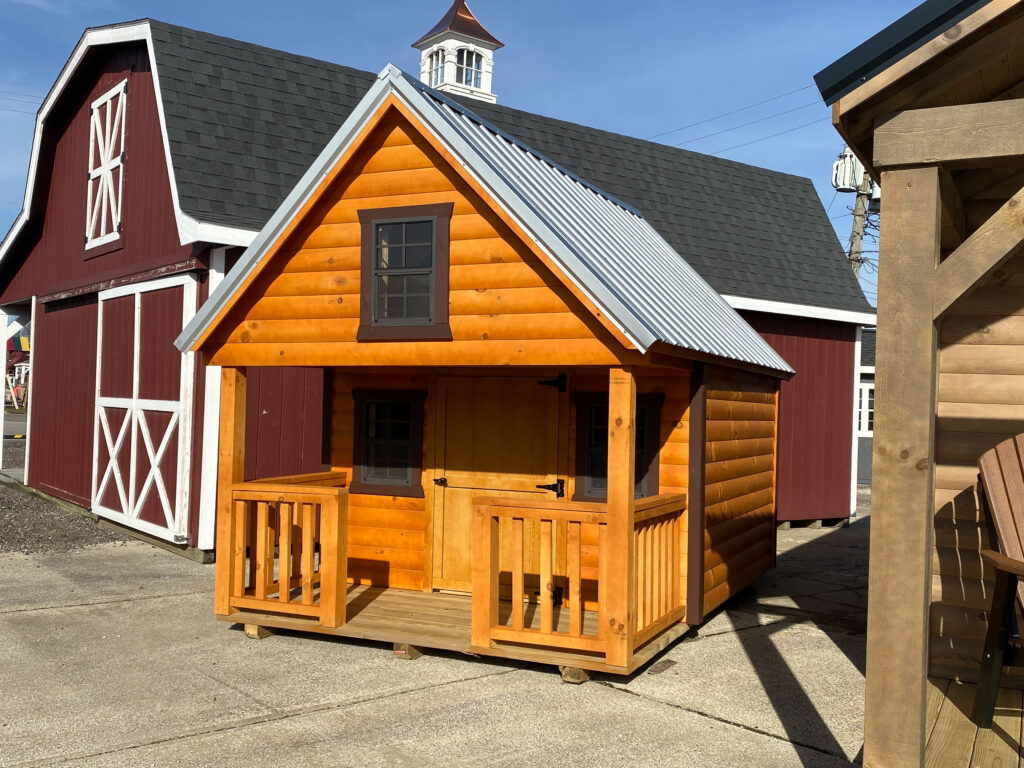
Stationary Tiny Home Weight Considerations
Tiny homes built on permanent foundations often weigh more than mobile models because they use heavier framing, roofing, and finishing materials. These homes may exceed 20,000 pounds depending on square footage and construction style. While mobility is not a concern, foundation strength and soil conditions become more important when evaluating weight.
How Size Impacts Weight
Size directly influences how much a tiny home weighs. Homes under 200 square feet typically weigh less than larger designs that approach 400 square feet. Additional length, width, and height require more framing, insulation, and roofing, which increases overall mass. Buyers should balance desired space with realistic weight limits.
Materials That Increase Tiny Home Weight
Material choices significantly affect final weight. Steel framing, tile flooring, stone countertops, and heavy roofing materials add considerable mass. While durable, these materials increase transport difficulty. Builders who prioritize mobility often choose lighter alternatives to keep weight manageable.
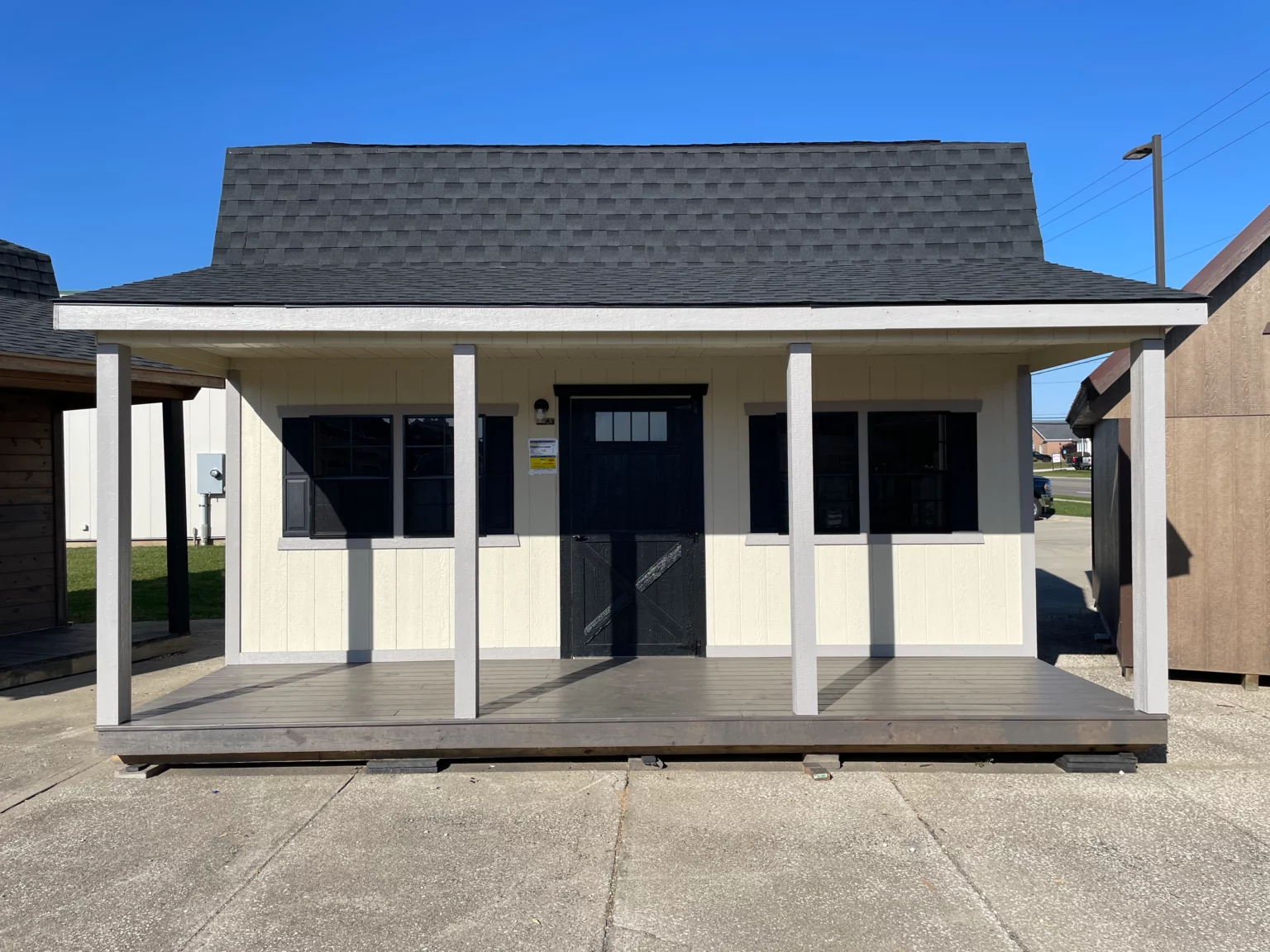
Lightweight Materials Used in Tiny Homes
Many builders reduce weight by using engineered lumber, aluminum framing, composite siding, and lightweight roofing systems. These materials maintain strength while lowering total mass. Understanding how much do tiny homes weigh often comes down to understanding material selection rather than size alone.
Interior Features and Added Weight
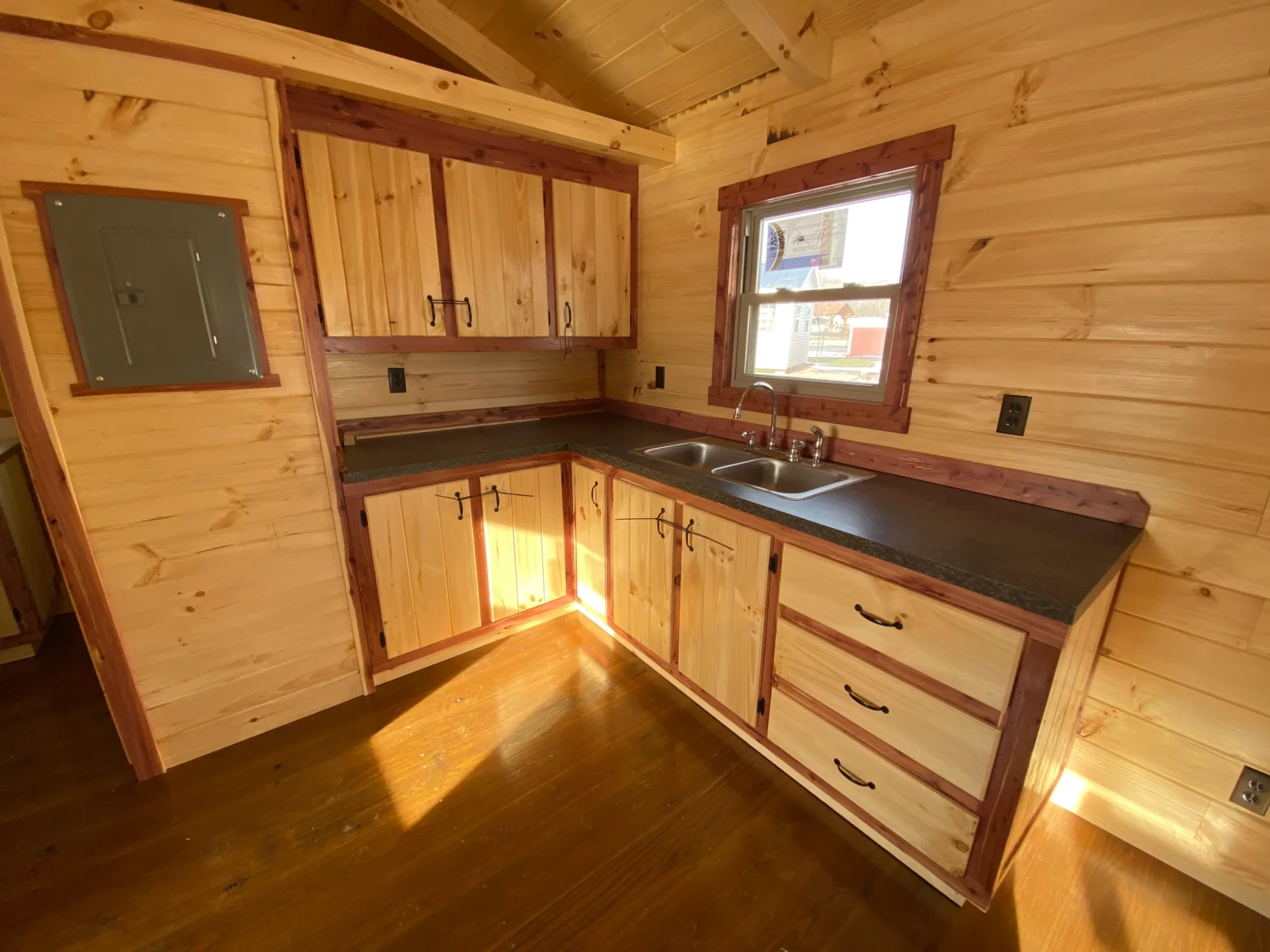
Appliances, cabinetry, plumbing fixtures, and furniture add thousands of pounds to a finished tiny home. Built-in storage, solid wood cabinets, and full-size appliances increase total load. Buyers should factor interior choices into weight calculations early in the design process.
Trailer Ratings and Weight Capacity
Trailer selection plays a major role in how much do tiny homes weigh safely. Most tiny homes on wheels sit on custom trailers rated between 14,000 and 20,000 pounds, though some heavier builds require higher ratings. Builders must account for the home’s structure, interior features, and future personal belongings when selecting a trailer. Exceeding trailer capacity risks axle failure, tire blowouts, and frame damage, which can make transportation dangerous and illegal.
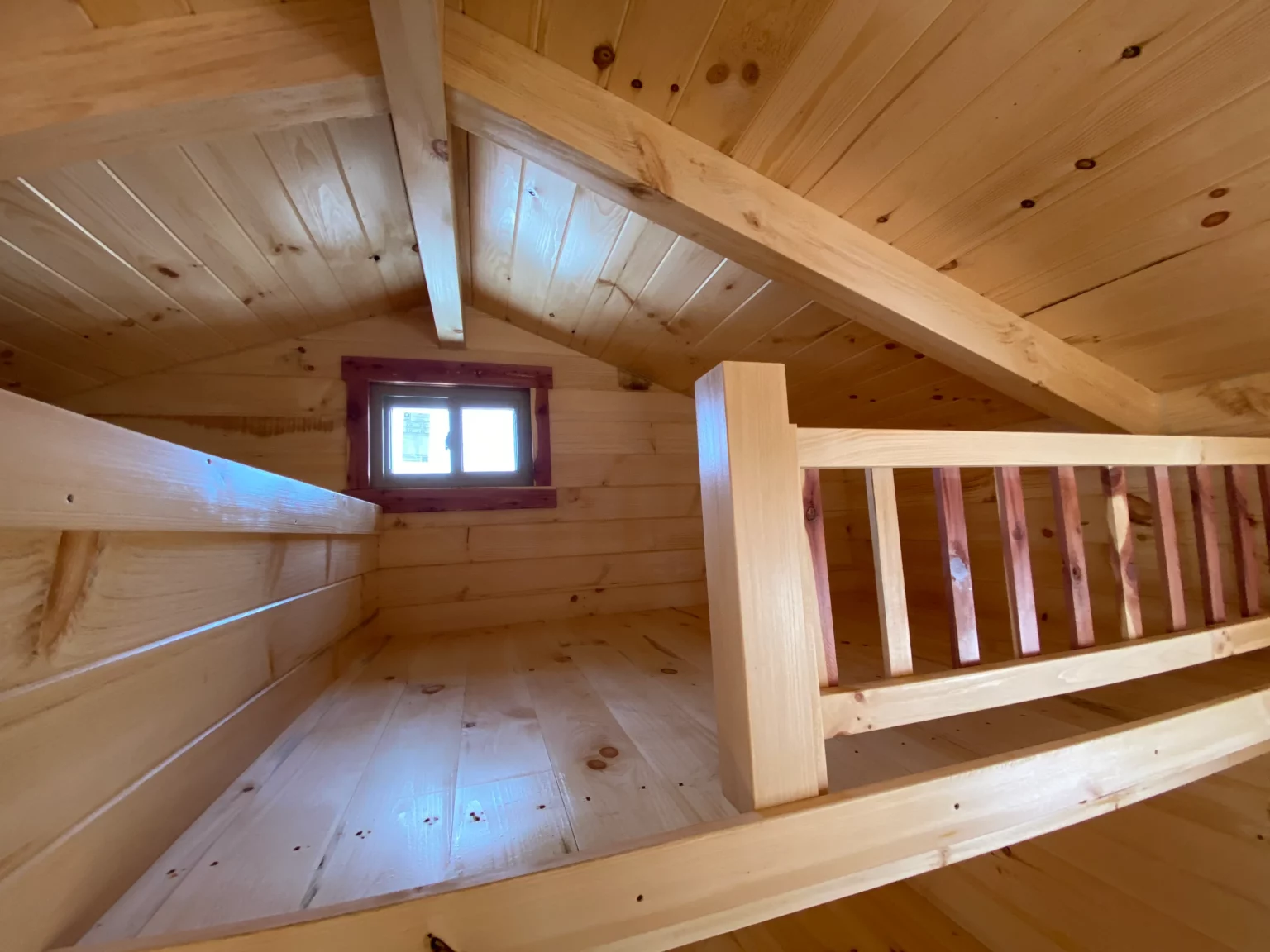
Towing Vehicle Requirements
The towing vehicle must safely handle the full loaded weight of the tiny home. Heavy-duty pickup trucks are commonly required, and not all trucks qualify even within the same class. Engine power, transmission strength, braking systems, and hitch ratings all factor into towing safety. Buyers who underestimate vehicle requirements often face unexpected costs when they need to upgrade their tow vehicle.
Legal Road Weight Limits and Regulations
Road regulations affect how and when tiny homes can be transported. Weight limits vary by state and may require special permits for oversized or overweight loads. Bridge restrictions, axle weight limits, and escort requirements all apply once a tiny home exceeds certain thresholds. Understanding these rules is essential when calculating how much do tiny homes weigh for legal transport.
Foundation Load and Ground Support
Stationary tiny homes place concentrated loads on foundations, piers, or skids. Soil conditions, frost depth, and load distribution determine whether a foundation can safely support the home’s weight. Improper foundation planning can lead to settling, cracking, or structural stress over time. Weight awareness helps ensure long-term stability and safety.
Weight Distribution and Balance
Proper weight distribution matters as much as total weight. Uneven loads strain trailers, axles, and foundations. Builders must balance heavy components such as appliances, water tanks, and storage areas evenly across the structure. Balanced designs improve towing stability and reduce wear on structural components.
Water, Tanks, and Hidden Weight
Water adds significant hidden weight to tiny homes. Freshwater, gray water, and black water tanks can add hundreds or even thousands of pounds when full. Buyers often overlook tank weight when calculating how much do tiny homes weigh, which can push the home beyond safe limits. Planning tank placement and usage helps control total load.
Safety Margins and Real-World Weight
Experienced builders always include safety margins rather than aiming for maximum capacity. Homes that sit close to trailer or foundation limits leave little room for error or future upgrades. Real-world conditions such as wind, road vibration, and uneven terrain increase stress on structures. Conservative weight planning improves longevity and safety.
Why Weight Planning Starts Early
Weight planning must begin during the design phase rather than after construction starts. Decisions about size, materials, layout, and systems all influence final weight. Builders who plan early avoid costly redesigns and transport issues later. Weight-conscious planning leads to better performance whether the home stays mobile or stationary.
How Builders Manage Weight in Practice
Professional builders use material selection, structural engineering, and layout design to control weight without sacrificing durability. Many follow similar planning principles used in permanent structures, including load calculations and framing strategies. Buyers exploring designs through Ohio Cabin and Structures tiny homes often see how thoughtful design balances comfort with manageable weight.
Industry Standards and Load Considerations
Construction guidelines for lightweight residential structures often reference load calculations similar to those used in residential engineering, including dead load and live load principles commonly applied in structural design. These load considerations help builders determine safe limits for materials and systems used in small-scale housing.
Final Thoughts on How Much Do Tiny Homes Weigh
Understanding how much do tiny homes weigh requires looking beyond advertised numbers to consider materials, interior features, water systems, and future use. Weight affects safety, legality, foundation choice, and transportation options. Buyers who plan carefully avoid costly mistakes and create homes that perform reliably long term. If you want guidance on designing or selecting a tiny home that balances weight, durability, and usability, you can reach out through the Ohio Cabin and Structures contact page for expert support.