
Tiny homes may look compact and simple, but their weight can quickly become a serious issue if it is not planned correctly. Many buyers ask how much does a tiny home weigh because the answer affects far more than transportation alone. The total weight determines what type of trailer you need, whether your truck can tow it safely, how road regulations apply, and even what design features are realistic during construction. A tiny home that becomes too heavy can create expensive towing problems and legal complications, while a properly balanced build offers far more flexibility and safety. Understanding how weight works in tiny home construction helps you make smarter decisions before spending thousands on materials, upgrades, and transportation.
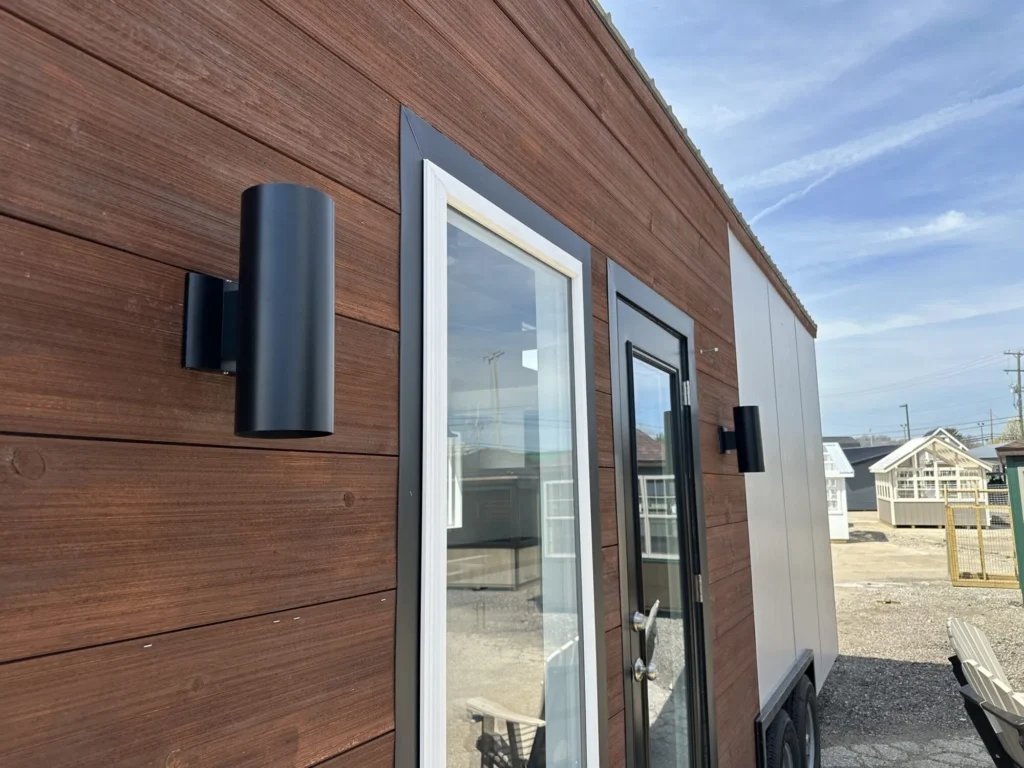
Average Tiny Home Weight And What Most Buyers Should Expect
When people ask how much does a tiny home weigh, the average answer usually falls between 10,000 and 15,000 pounds. However, the actual number depends heavily on the home’s size, construction materials, and interior features. A smaller minimalist tiny home may weigh under 8,000 pounds, while a larger luxury build with premium finishes can exceed 20,000 pounds. Tiny homes designed for mobility are often built within strict transportation dimensions, which generally include a maximum width of 8.5 feet and a height under 13.5 feet for easier road travel. Weight becomes especially important because exceeding towing limits creates safety risks and may require special permits.
Many first-time buyers underestimate how quickly weight adds up during construction. Cabinets, insulation, appliances, plumbing systems, furniture, and roofing materials all contribute to the final number. Even decorative upgrades can add hundreds of pounds. Builders must carefully balance durability with mobility to prevent the structure from becoming too heavy for safe transport. This is why professional planning is essential during the design phase.
How Building Materials Affect Tiny Home Weight
The materials used during construction play one of the biggest roles in determining how much does a tiny home weigh. Heavy materials such as granite countertops, hardwood flooring, ceramic tile, and thick wood framing can significantly increase the total load. On the other hand, lightweight materials such as composite siding, vinyl flooring, aluminum roofing, and engineered wood products help reduce weight without sacrificing durability. Steel framing is another factor worth considering. While steel can be lighter and stronger than traditional lumber in certain applications, it also increases construction costs and requires specialized installation methods. Roofing materials matter as well.
Metal roofing is often preferred because it is lightweight and durable compared to asphalt shingles or clay tile. Even insulation choices can influence overall weight. Spray foam insulation tends to weigh less than dense fiberglass systems while also improving energy efficiency. According to the National Association of Home Builders, material selection has a major impact on both structural performance and transportation requirements in modern residential construction. In tiny homes, every pound matters, especially for owners planning to tow regularly.
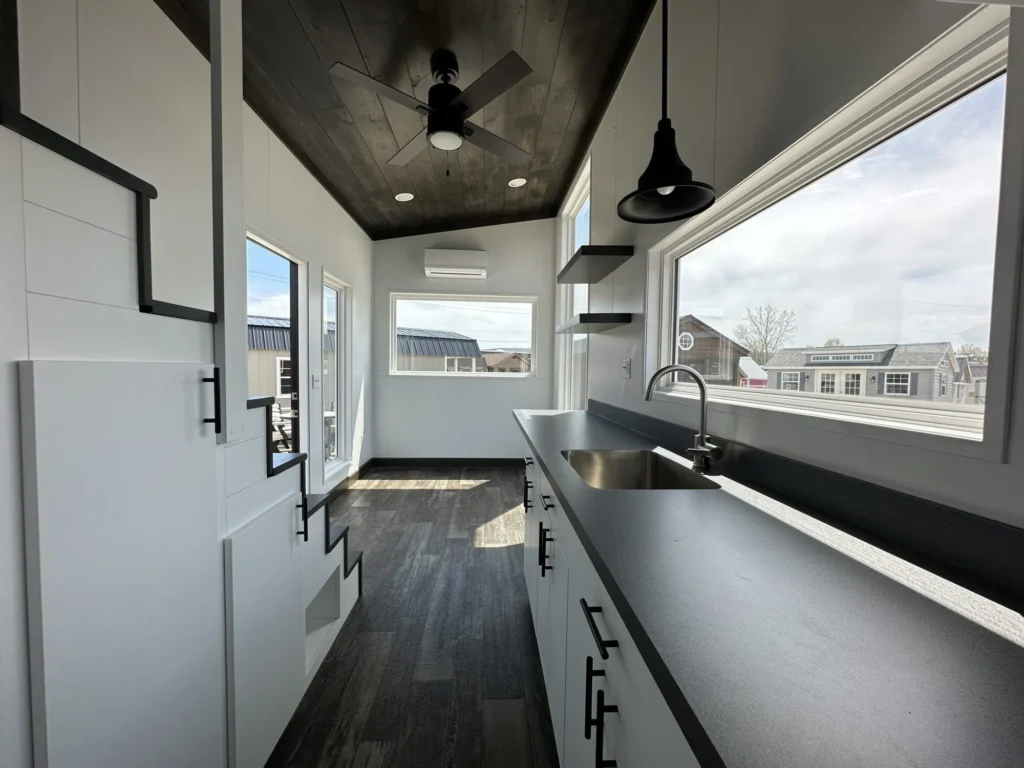
Trailer Weight Ratings And Why They Matter
One of the most overlooked factors in tiny home planning is trailer capacity. The trailer forms the structural foundation of the home, meaning it must safely support the entire weight of the structure along with all interior contents. Gross Vehicle Weight Rating, commonly called GVWR, determines the maximum safe operating weight for the trailer. If the tiny home exceeds the trailer’s rating, the result can be dangerous. Overloaded trailers place excessive stress on tires, axles, brakes, and suspension systems. This increases the risk of tire blowouts, structural damage, or even loss of control while towing.
Builders must calculate total projected weight before construction begins to ensure the trailer can safely handle the load. Most professionally built tiny homes use dual or triple axle trailers designed specifically for heavy loads. The axle configuration also affects stability and towing performance. Proper weight distribution across the trailer is just as important as total weight itself. An unevenly balanced tiny home can sway dangerously during transport, especially at highway speeds or in windy conditions.
Towing Requirements For Heavy Tiny Homes
Understanding how much does a tiny home weigh becomes critical when selecting a towing vehicle. Standard pickup trucks are often insufficient for towing larger tiny homes safely. Many owners rely on heavy-duty 3/4-ton or 1-ton trucks because they offer higher towing capacities, stronger braking systems, and improved suspension support. The towing vehicle must be rated above the fully loaded weight of the tiny home, not just the empty shell.
Water tanks, propane systems, furniture, and personal belongings all add additional weight once the home is in use. Ignoring these added loads can create serious safety issues during transport. Drivers should also understand state towing laws and licensing requirements. Some states require commercial licensing for combinations exceeding certain weight limits. Transporting oversized loads may also require escort vehicles or travel restrictions, depending on the route and dimensions of the load.
Mobile Tiny Homes Compared to Foundation-Based Tiny Homes
Not every tiny home is designed for frequent movement. Some are placed permanently on foundations, which changes how weight is managed. Mobile tiny homes must remain within transportation regulations, while foundation-based homes can use heavier materials and larger layouts without worrying about towing restrictions.
Foundation tiny homes often include larger appliances, thicker walls, heavier roofing systems, and expanded living spaces. Since they are not intended for highway travel, builders can focus more on comfort and long-term durability instead of minimizing weight. However, the structure’s weight still matters because it influences foundation design, site preparation, and installation costs. For buyers deciding between mobility and permanence, understanding weight limitations helps narrow down the right type of tiny home for their lifestyle goals.
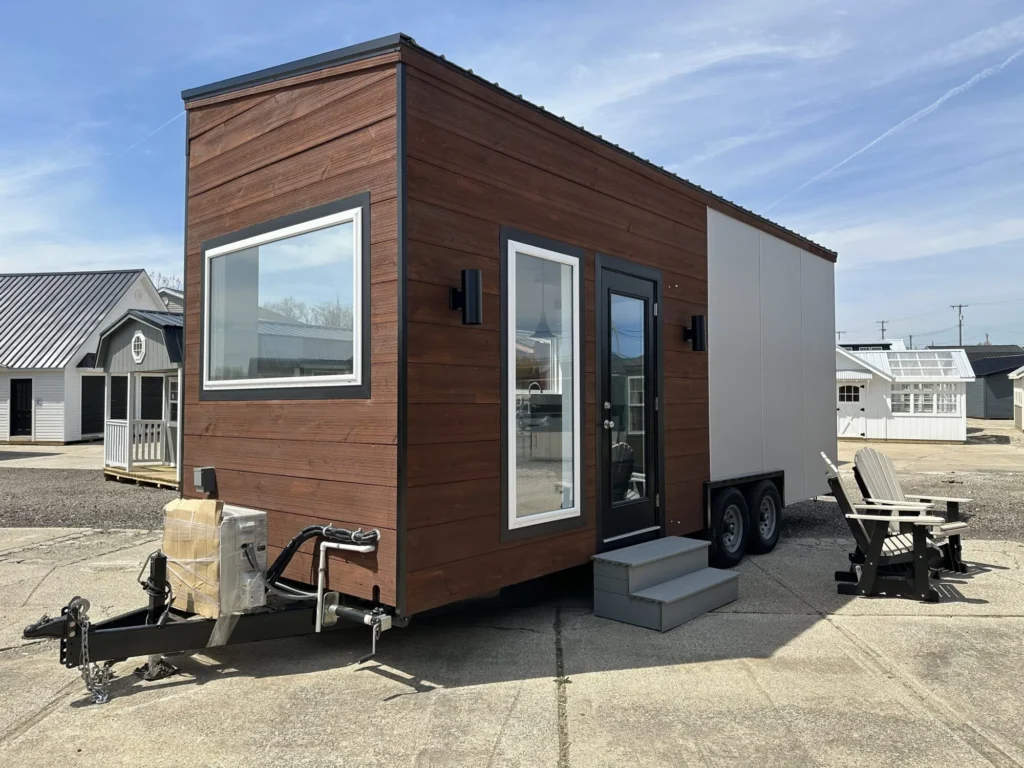
Example Of A Tiny Home Designed With Mobility In Mind
The Ashmore Mobile Tiny Home reflects how modern tiny homes can balance mobility, functionality, and efficient design. Structures like this are carefully planned to maximize living space while remaining manageable for transportation. Weight management becomes especially important in homes designed for regular travel because every design decision affects towing safety and road compliance. Builders must think strategically about storage, material selection, and layout efficiency to prevent unnecessary weight increases. Compact homes that maintain proper structural balance tend to perform much better during transportation and long-term use.
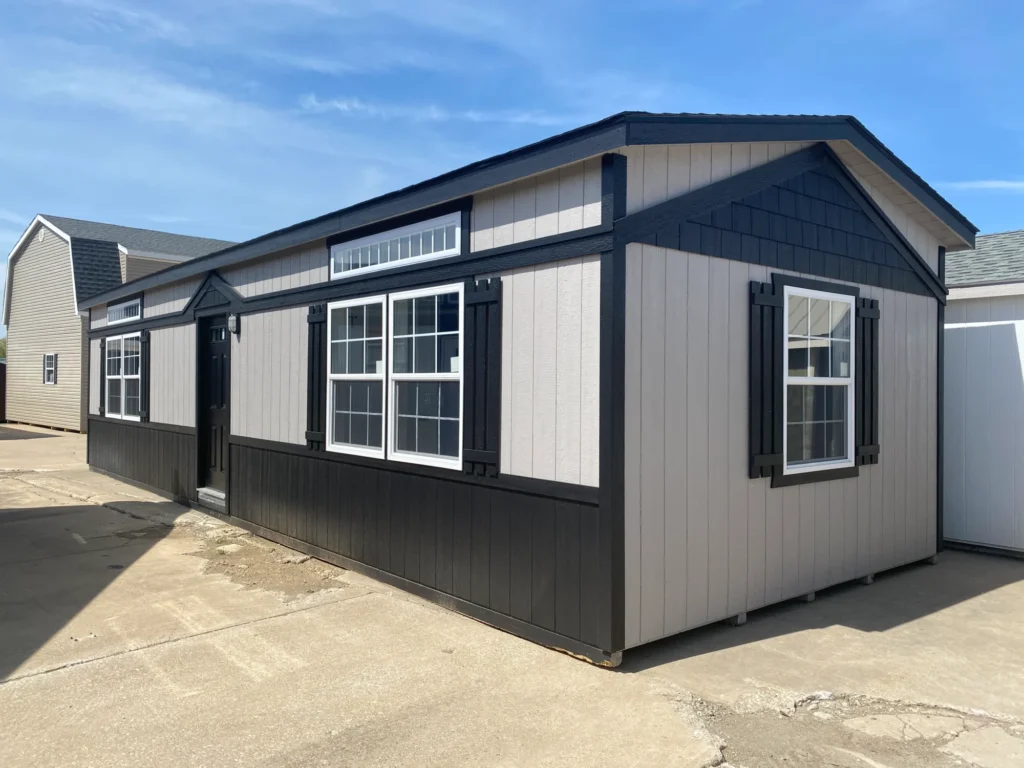
How Larger Tiny Homes Increase Overall Weight
Larger tiny homes naturally weigh more because they include additional framing, roofing, flooring, and interior systems. The 14×30 Adventure Getaway Tiny Home demonstrates how expanded layouts create more comfortable living environments while also increasing structural weight. Homes with larger kitchens, lofts, bathrooms, and living areas require stronger trailers and more powerful towing setups. This does not make larger tiny homes a bad choice, but it does mean buyers must carefully evaluate transportation logistics before construction begins. Understanding the relationship between size and weight prevents unrealistic expectations later in the process.
Legal Limits And Transportation Regulations
Transportation laws play a major role in tiny home construction. Most states regulate width, height, and total trailer weight for highway travel. Tiny homes that exceed legal dimensions often require oversize load permits and specialized transport services. In some cases, route restrictions may also apply. Height limitations become especially important because taller homes may struggle to clear bridges, power lines, or overhead signs. Width restrictions affect lane usage and road safety during transport. Combined vehicle weight can also determine whether commercial licensing is required for towing.
Because regulations vary by state, tiny homeowners should research transportation rules before finalizing their design plans. Working with experienced builders and transport specialists helps reduce the risk of unexpected legal or logistical problems.
Weight Distribution and Long-Term Structural Safety
Weight distribution matters just as much as total weight. Poorly balanced homes place uneven pressure on the trailer frame and axles, increasing wear and reducing stability during movement. Heavy appliances, water tanks, and furniture should be strategically positioned to maintain proper balance. Professional builders often place the heaviest components near the trailer axles to improve towing performance and reduce sway. Proper balance also helps protect the home itself by minimizing structural stress during transport. Over time, uneven weight distribution can contribute to frame fatigue, floor movement, and cracking. Planning for balanced weight from the beginning improves both safety and long-term durability.
Conclusion
Understanding how much does a tiny home weigh is essential for anyone considering a mobile or foundation-based tiny living solution. Weight affects towing safety, trailer selection, legal transportation requirements, and overall structural performance. While most tiny homes fall within a common weight range, materials, size, and interior features can dramatically change the final number. Careful planning during the design process helps prevent transportation problems and ensures the home remains safe, functional, and road-ready. Ohio Cabin and Structures continues to provide thoughtfully designed tiny homes built with both durability and practicality in mind. If you are exploring tiny living options that balance comfort, mobility, and structural efficiency, visiting Ohio Cabin and Structures is a great place to begin your search.