How much does it cost to build a tiny house is one of the most important questions people ask when exploring smaller living options. Tiny houses are often associated with affordability, simplicity, and freedom from high monthly expenses. While that perception is partly true, the actual cost to build a tiny house varies widely based on design choices, materials, labor, location, and how the home is used. Some tiny houses can be built on modest budgets, while others cost as much as a small traditional home. Understanding the real costs involved helps buyers avoid unrealistic expectations and plan properly. When all factors are considered, building a tiny house becomes a strategic decision rather than a guessing game.
Average Cost Range to Build a Tiny House
The average cost to build a tiny house typically falls between $30,000 and $120,000, depending on size and complexity. Entry level builds usually include basic materials, simple layouts, and limited customization. These builds often fall near the lower end of the range. Mid range tiny houses include better insulation, upgraded finishes, and more storage solutions. High end tiny houses push costs higher through custom cabinetry, premium appliances, advanced energy systems, and detailed craftsmanship. Square footage also plays a major role. A 200 square foot build costs far less than a 400 square foot home. Regional labor costs and material availability further influence pricing. Because of these variables, cost estimates should always be treated as ranges rather than fixed numbers.
Another important factor is whether the tiny house is built by a professional builder or as a DIY project. Professionally built tiny houses usually cost more upfront but include warranties, code compliance, and predictable timelines. DIY builds reduce labor expenses but increase time investment and risk. Buyers should evaluate their skills, schedule, and tolerance for complexity before choosing a path. Understanding these baseline ranges creates a realistic foundation for budgeting.
How Size Impacts Tiny House Costs
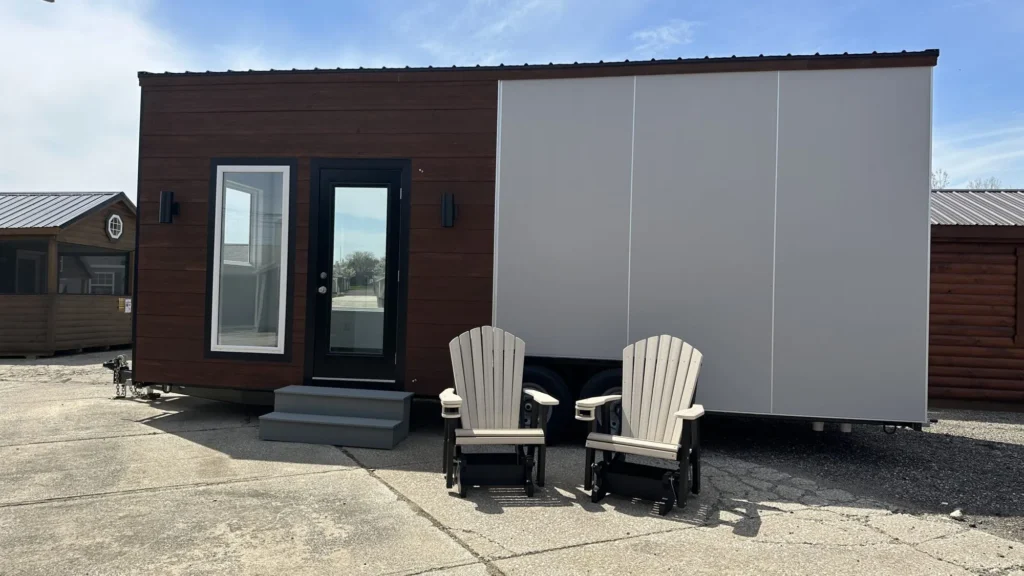
Size plays a major role in determining total cost. Tiny houses typically range from 100 to 400 square feet. Smaller homes require fewer materials, which reduces costs. However, very small designs may need custom solutions that increase expenses. Larger tiny houses cost more but offer better comfort and storage. A mid sized option like the Ashmore Mobile Tiny Home balances livability with affordability. Choosing the right size depends on lifestyle needs rather than just budget alone.
Tiny House on Wheels Versus Permanent Foundation Costs
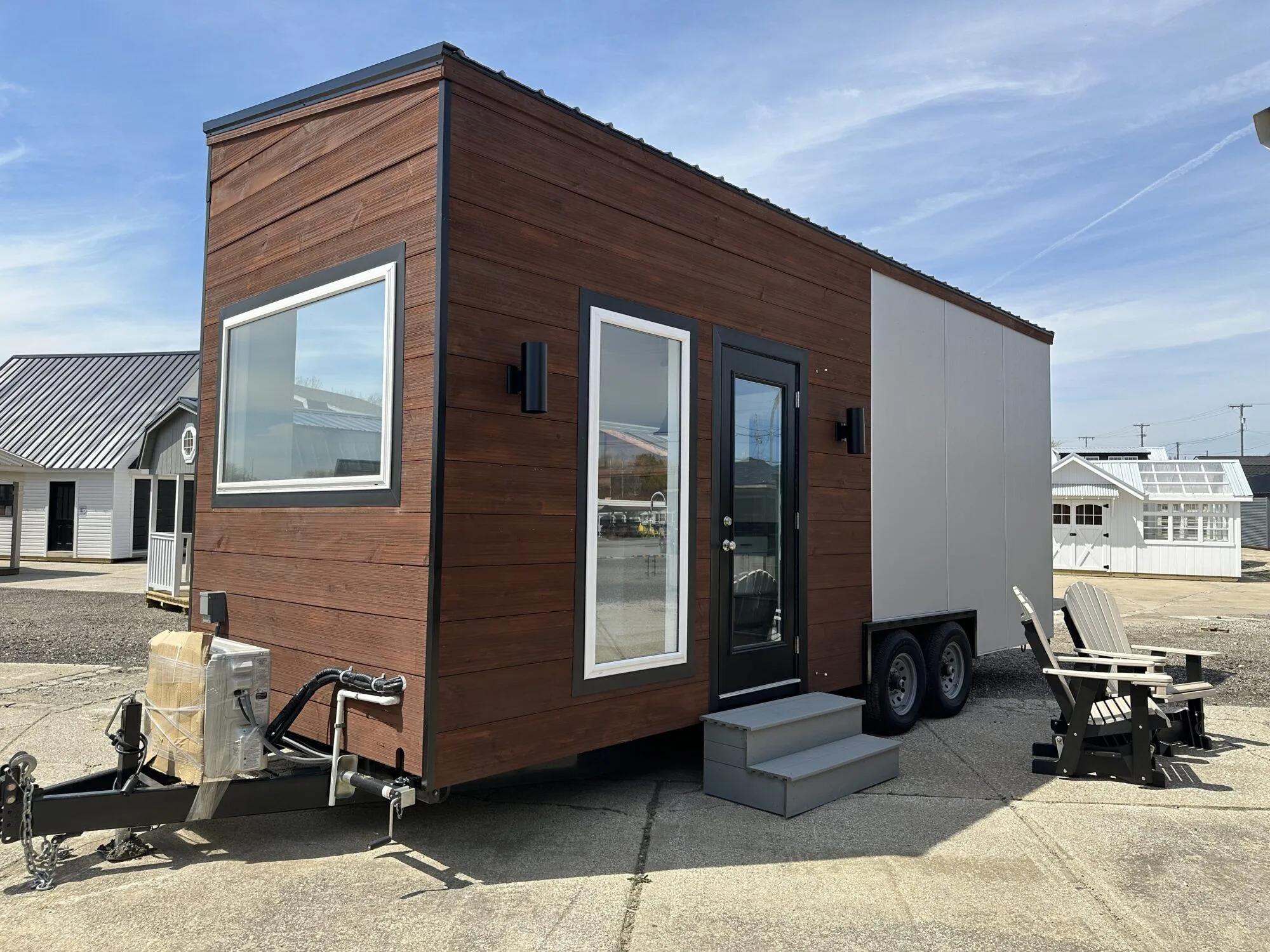
One of the biggest cost decisions involves whether the tiny house will be built on wheels or on a permanent foundation. Tiny houses on wheels require a specialized trailer designed to support the structure’s weight. Trailers alone often cost several thousand dollars. In addition, homes on wheels must account for road regulations, weight limits, and towing requirements. These factors influence framing methods and material choices, which can raise costs.
Tiny houses built on permanent foundations avoid trailer costs but introduce expenses related to excavation, concrete work, and site preparation. Foundations vary in price based on soil conditions and local requirements. Permanent foundations often allow easier financing, insurance, and utility connections. Over time, foundation based homes may offer greater stability and resale potential. Choosing between mobility and permanence affects not only upfront cost but long term flexibility and use.
Design, Size, and Layout Choices That Affect Cost
Design decisions heavily influence how much does it cost to build a tiny house. Simple rectangular designs cost less to build than complex layouts with multiple rooflines or architectural features. Lofts increase usable space but require stronger framing, stairs or ladders, and safety considerations. Built in storage solutions improve livability but increase labor and material costs.
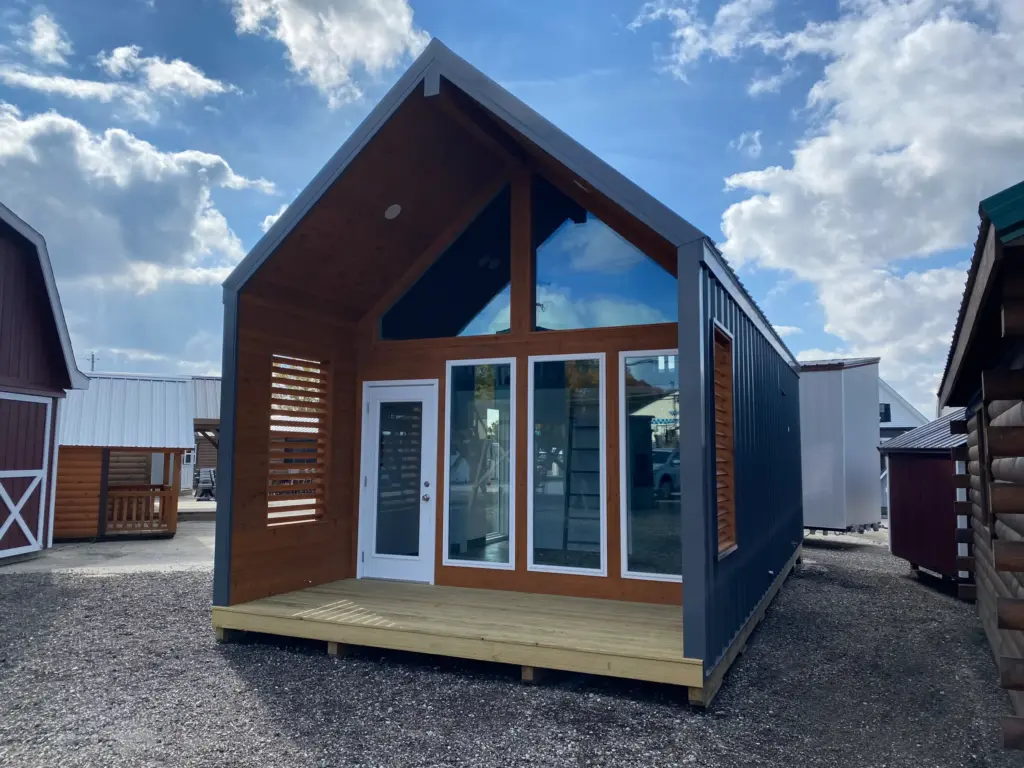
Custom layouts and features raise costs quickly. Lofted sleeping areas, built in storage, and custom staircases require skilled labor. Smart home features and high end appliances also add expense. However, thoughtful design improves daily comfort. A flexible layout like the 14×30 Adventure Getaway Tiny Home shows how efficient planning can reduce unnecessary costs while maintaining usability.
Material Costs and Construction Quality
Materials represent a large portion of the total build cost. Framing lumber, sheathing, roofing, windows, doors, and siding prices fluctuate based on market conditions. Budget materials reduce upfront cost but may increase maintenance over time. Premium materials raise initial expenses but often improve durability and energy efficiency.
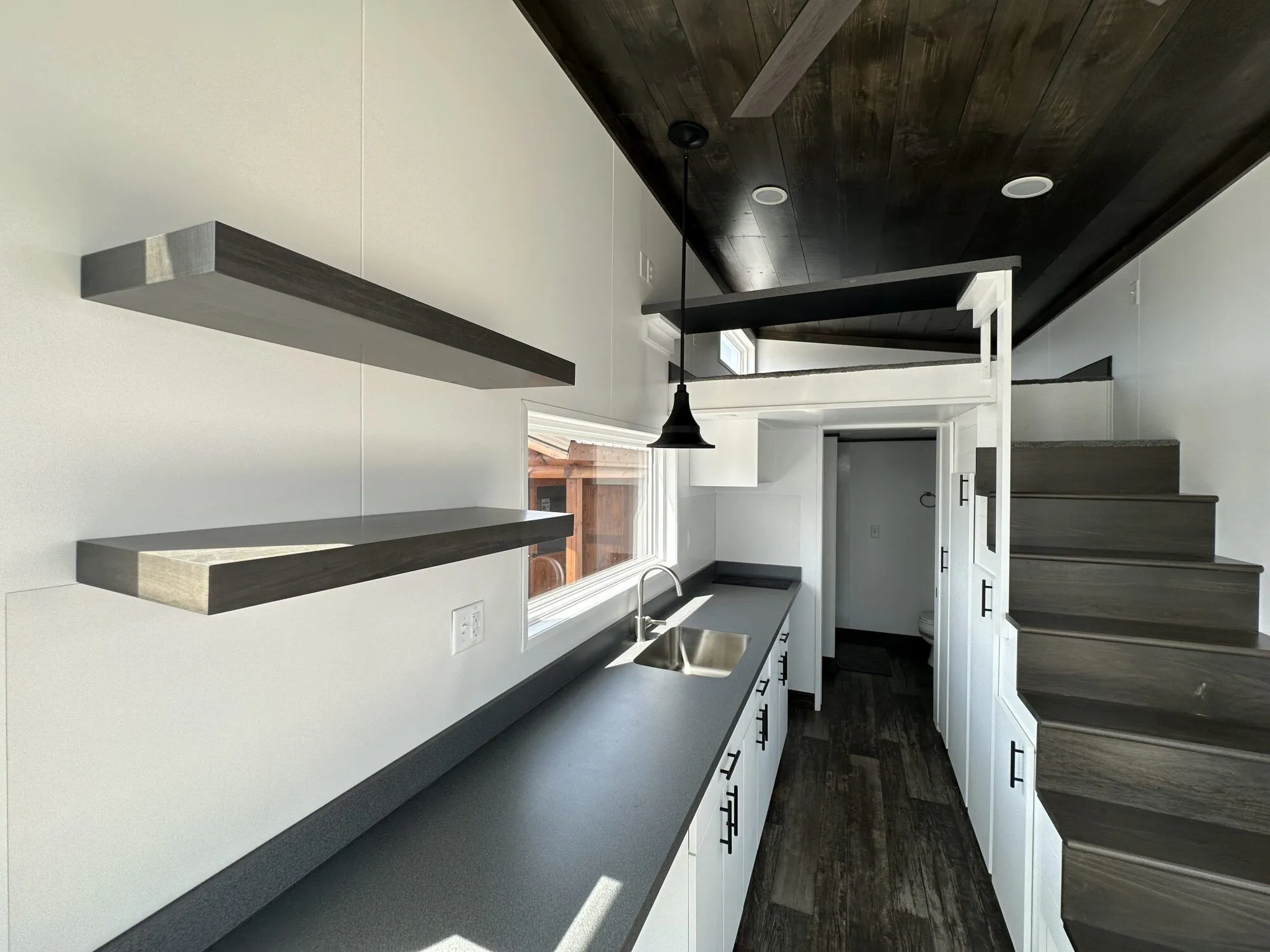
Interior materials also vary widely in price. Flooring options range from affordable vinyl to hardwood or tile. Countertops, cabinetry, and fixtures quickly add up when upgraded. Exterior materials such as metal roofing or fiber cement siding cost more upfront but provide longer lifespans. Balancing cost, durability, and appearance is essential. Quality materials often reduce long term ownership costs even if they raise initial investment.
Labor Costs and DIY Versus Professional Builds
Labor costs vary based on location, skill availability, and build method. Hiring licensed professionals for electrical, plumbing, and structural work increases costs but ensures safety and compliance. Many builders choose a hybrid approach by completing interior finishes themselves while hiring professionals for critical systems.
DIY builds reduce labor expenses but require significant time, tools, and experience. Mistakes can lead to delays and added costs. Builders should factor the value of their time into the budget. In many cases, professional construction provides better value through efficiency and reduced risk. Labor decisions often define the overall experience of building a tiny house.
Utilities, Systems, and Energy Costs
Plumbing, electrical, heating, and cooling systems add substantial cost. Standard utility hookups require trenching, permits, and inspections. Tiny houses on wheels often use RV style systems to reduce complexity. Off grid systems such as solar panels, batteries, and composting toilets increase upfront cost but reduce long term utility bills.
Heating and cooling options range from basic electric heaters to high efficiency mini split systems. Insulation quality significantly affects energy performance. According to the U.S. Department of Energy, proper insulation reduces energy loss and improves comfort. Investing in efficient systems often pays off over time through lower operating costs.
Land, Permits, and Site Preparation Expenses
Land costs are often overlooked when estimating how much does it cost to build a tiny house. Purchasing land adds a major expense, while leasing land reduces upfront investment but limits long term control. Site preparation includes clearing, grading, access roads, and drainage. Utility connections add further costs.
Permits and inspections vary widely by jurisdiction. Fees depend on foundation type, home size, and intended use. Skipping permits can lead to fines and resale problems. Buyers should research local requirements early. Many people exploring professionally built small homes review options such as tiny homes to better understand compliant solutions.
Hidden Costs and Long Term Ownership Expenses
Hidden costs often surprise first time builders. These include tool purchases, design changes, material waste, delivery fees, and delays. Insurance, taxes, and maintenance also contribute to ongoing expenses. Tiny houses generally cost less to operate than traditional homes, but they still require upkeep. Long term costs include utilities, repairs, and potential relocation expenses for homes on wheels. Durable construction and efficient systems reduce these costs over time. Planning for contingencies protects the budget and reduces stress. A realistic budget always includes a buffer.
Is Building a Tiny House Worth the Cost
Whether a tiny house is worth the cost depends on lifestyle goals. Some buyers prioritize affordability, while others value flexibility and simplicity. Tiny houses reduce living expenses and environmental impact, but they are not always cheap by default. Understanding total cost helps buyers make informed decisions. Buyers who prefer predictable pricing and professional construction often explore alternatives such as cabins and modular homes. Resources from Ohio Cabins and Structures provide insight into professionally built options that balance size, quality, and cost.
Conclusion
How much does it cost to build a tiny house depends on size, design, materials, labor, land, and location. Costs vary widely based on choices and priorities. Careful planning and realistic budgeting prevent surprises and frustration. Tiny houses offer flexibility and efficiency, but they require thoughtful decision making. For guidance on small home options, budgeting, or professionally built alternatives, reaching out through Ohio Cabins and Structures is a practical next step.