
Storage containers are widely used for moving, storage, and even building projects, but many people still wonder how much is a storage container and what factors affect the price. The answer depends on size, condition, location, and purpose. While some containers cost only a few thousand dollars, others can reach much higher prices based on customization and delivery fees. Beyond the price itself, it is important to understand what you are actually getting and whether better long-term alternatives exist. This guide breaks down pricing, options, and smarter choices so you can make the right decision for your needs.
What Determines The Cost Of A Storage Container
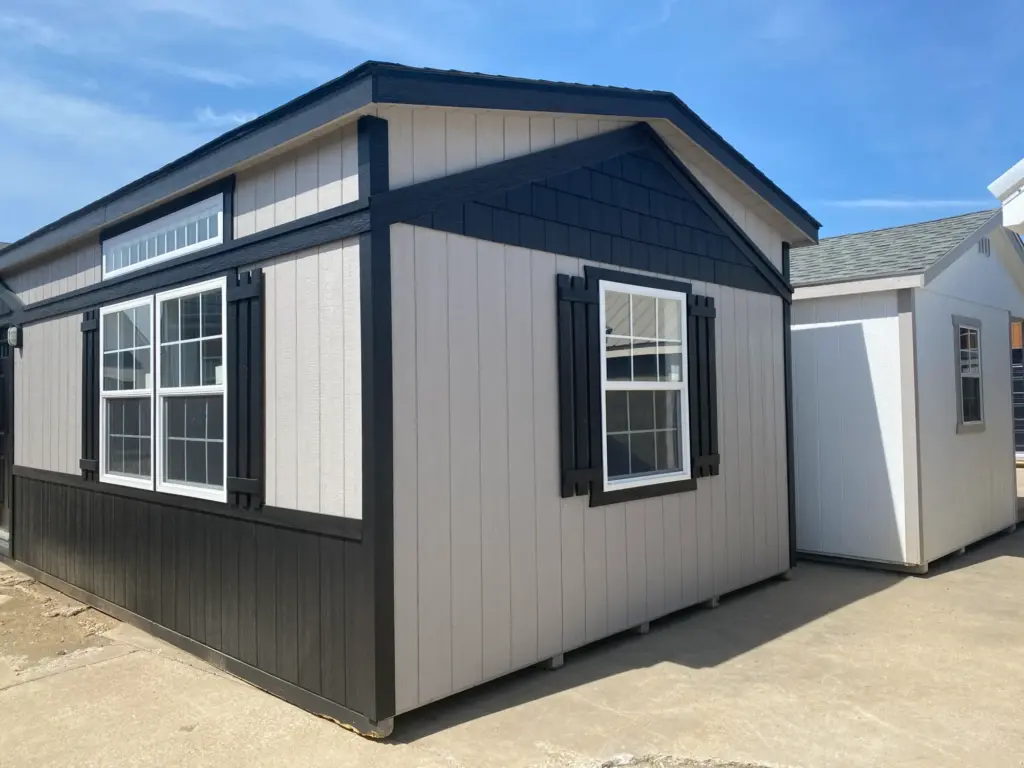
When asking how much is a storage container, several factors come into play that directly impact the final price. The most important factor is size. Standard containers come in 10-foot, 20-foot, and 40-foot options, with larger units costing significantly more. Condition is another key factor. New containers, often called one-trip containers, cost more but offer better durability and appearance. Used containers are more affordable but may show signs of wear such as dents or rust. Location also affects pricing, as delivery costs vary depending on distance and accessibility. Customization can increase the cost as well. Adding doors, windows, insulation, or electrical systems will raise the overall price. Understanding these variables helps you set realistic expectations and choose a container that fits both your budget and purpose.
Average Price Range For Storage Containers
The average cost of a storage container varies depending on size and condition. A small 10-foot container may cost between $2,000 and $4,000, while a standard 20-foot container typically ranges from $3,000 to $6,000. Larger 40-foot containers can cost anywhere from $5,000 to $10,000 or more. Prices may increase if the container is new or has been modified for specific uses. Delivery fees can add several hundred dollars depending on your location. According to data shared by the U.S. Bureau of Labor Statistics, material and transportation costs continue to fluctuate, which can also influence container pricing. While these numbers provide a general idea, actual costs can vary widely based on market conditions and supplier availability.
New Vs Used Storage Containers Cost Comparison
Choosing between a new and used storage container is one of the biggest decisions that affects cost. New containers are more expensive but offer a clean appearance, better structural integrity, and longer lifespan. They are ideal for projects where aesthetics or long-term use matters. Used containers are more budget-friendly and still provide strong storage capabilities, but they may have visible wear or minor structural imperfections. Some buyers prefer used containers for temporary storage or construction projects where appearance is not a priority. However, it is important to inspect used containers carefully before purchasing to ensure there are no major issues such as leaks or structural damage. Balancing cost with condition helps you make a smarter investment.
Hidden Costs Many Buyers Overlook
Many people focus only on the purchase price when asking how much is a storage container, but there are additional costs to consider. Delivery is one of the most common extra expenses, especially if your location is difficult to access. Site preparation is another factor, as the ground must be level and stable to support the container. Permits may be required in certain areas, depending on local regulations. If you plan to modify the container, costs for insulation, ventilation, and electrical work can add up quickly. Maintenance is also something to consider, especially for used containers that may require repairs over time. Understanding these hidden costs ensures you are fully prepared and prevents unexpected expenses after your purchase.
Are Storage Containers Worth The Investment
Storage containers can be a practical solution for certain needs, but they are not always the best long-term option. They are durable, portable, and relatively affordable compared to traditional structures. However, they may lack proper insulation, ventilation, and overall comfort if used for extended periods. For basic storage, they work well, but for long-term use, especially in changing weather conditions, they may require significant upgrades. Some buyers eventually find that investing in a more permanent structure provides better value over time. Evaluating how you plan to use the container will help determine whether it is the right choice or if a more durable solution would serve you better.
Better Long Term Storage Alternative With More Space
For those considering alternatives, a structure like the 14×36 Modern Garage offers far more space, durability, and long-term usability than a standard storage container. Unlike metal containers, a garage provides better ventilation, easier access, and a more organized layout for storing vehicles, equipment, or tools. It also adds value to your property while offering flexibility for different uses. Over time, this type of structure can prove to be a more practical investment compared to a container that may require modifications and ongoing maintenance.
Compact Storage Solution That Feels More Practical
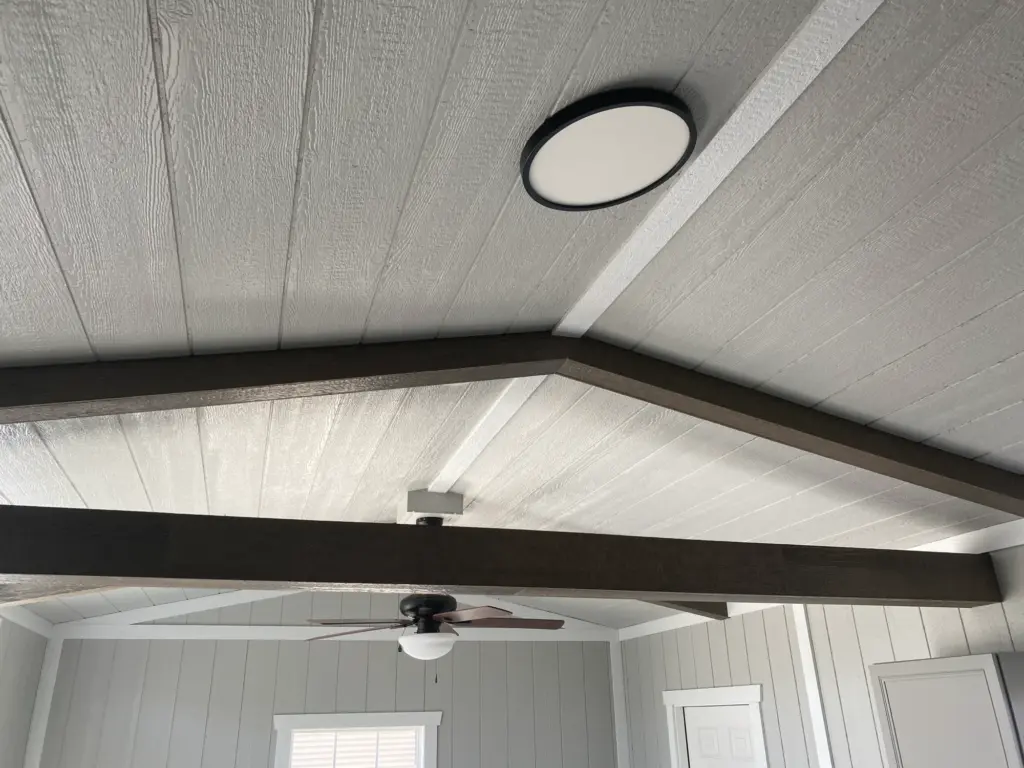
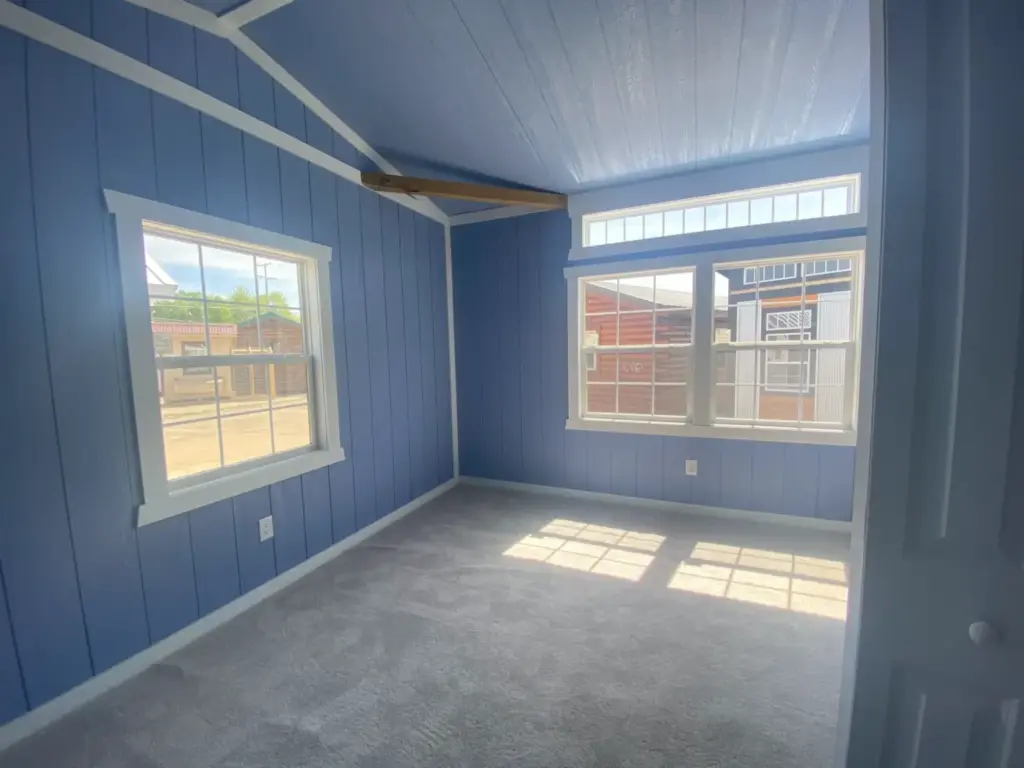
If you need a smaller storage option, the 10×14 Natural Light Three Seasons Shed provides a more user-friendly alternative to traditional containers. It offers natural lighting, better airflow, and a design that is easier to access and organize. Unlike containers, which can feel confined and dark, this type of shed creates a more comfortable environment for storing seasonal items, tools, or equipment. It is especially useful for homeowners who want a clean and functional storage space without the limitations of a metal box.
Factors To Consider Before Buying A Storage Container
Before making a purchase, it is important to evaluate your specific needs and long-term goals. Consider how much space you actually require and whether a container will meet those needs over time. Think about location, accessibility, and whether your property can support delivery and placement. It is also important to check local regulations and permits to avoid legal issues. Budget planning should include not only the purchase price but also delivery, setup, and potential modifications. Comparing containers with alternative structures can help you determine which option provides the best value. Taking the time to plan ensures you make a decision that fits both your budget and your lifestyle.
Conclusion
In the end, understanding how much is a storage container involves more than just looking at the price tag. Costs vary based on size, condition, and additional factors such as delivery and customization. While storage containers can be a practical short-term solution, they may not always provide the best value for long-term use. Exploring alternative options can often lead to better functionality and durability. Ohio Cabin and Structures continues to offer reliable building solutions designed for both storage and everyday use. If you are considering your options, visiting Ohio Cabin and Structures can help you find structures that deliver lasting value and practical benefits beyond standard containers.