Factory-built housing continues to attract buyers who want affordability, faster timelines, and predictable construction costs. Many people research how much manufactured homes cost because pricing often appears lower than traditional site-built houses while still offering modern layouts and comfort. Understanding the full cost requires more than looking at the base price, since land, setup, utilities, permits, and long-term ownership expenses all play a role. Buyers who examine the complete financial picture make better decisions and avoid unexpected costs later.
At Ohio Cabin and Structures, we regularly help customers compare factory-built housing with modular homes, cabins, and other residential options. Cost is important, but durability, placement, and long-term value also matter. Knowing how pricing works across different housing styles helps buyers choose solutions that fit both budget and lifestyle.
What Manufactured Housing Is
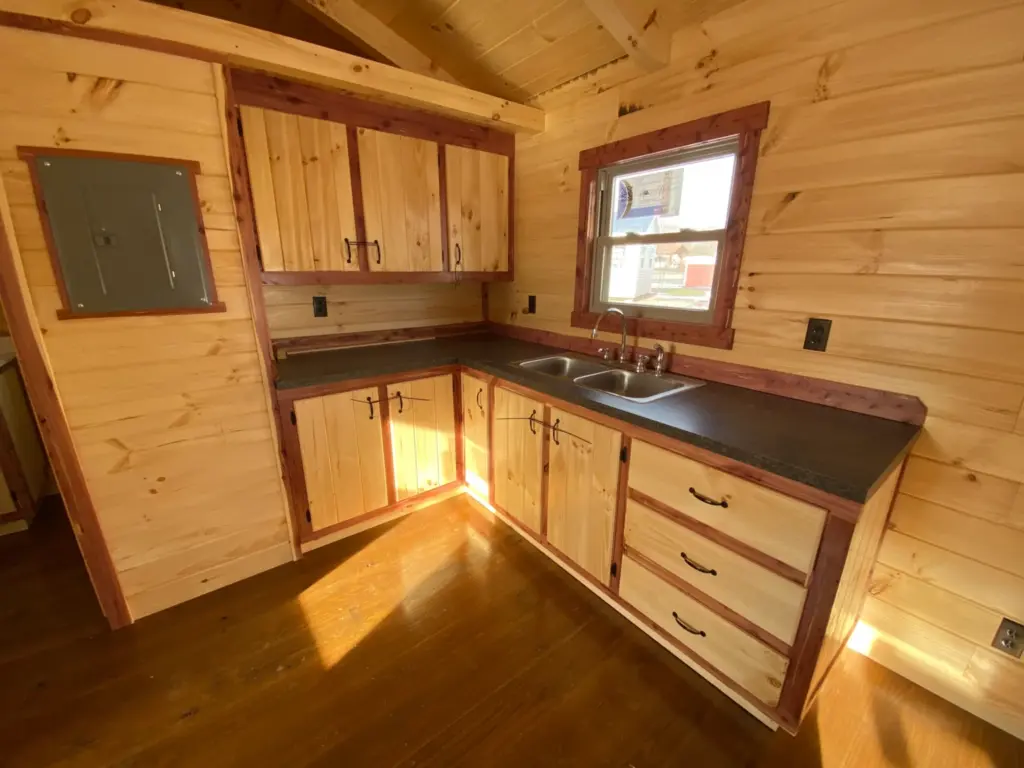
This housing style is built in a controlled factory environment under federal HUD standards and transported to the home site for installation. Unlike modular homes, these structures are constructed on a permanent steel chassis, which allows relocation if needed. This approach lowers labor costs and reduces construction delays, which directly affects how much manufactured homes cost compared to site-built construction. Modern designs now include open floor plans, energy-efficient features, and upgraded finishes that appeal to a wide range of buyers.
Average Price Range
Pricing varies widely based on size, layout, and finish level. Smaller single-section models often range from $60,000 to $100,000 before land and setup costs. Larger multi-section options commonly fall between $100,000 and $180,000 or more depending on features. These figures reflect the structure itself and do not include land purchase, utility connections, or foundation work, which significantly affect the final budget.
Single-Section Home Costs
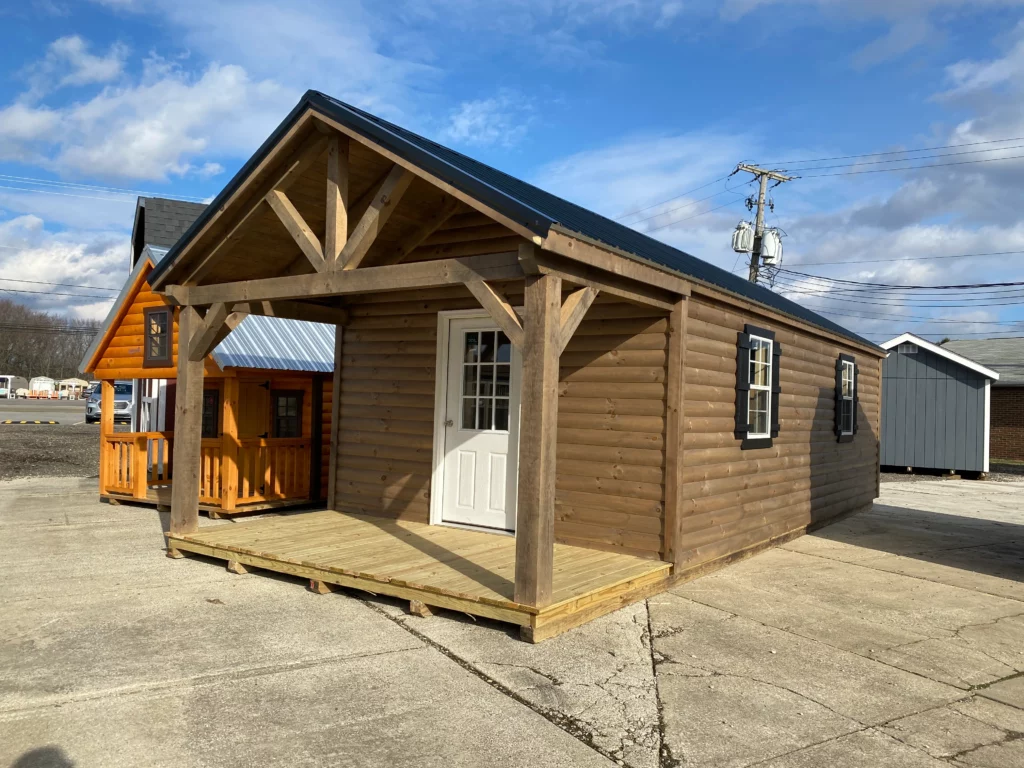
Single-section units provide the most affordable entry point into factory-built housing. These homes typically range from 600 to 1,200 square feet and work well for individuals, couples, or small families. Buyers exploring how much manufactured homes cost often start with this category because it offers basic comfort at a lower upfront price. While affordable, buyers should consider long-term space needs and resale expectations before choosing this option.
Multi-Section Home Costs
Multi-section layouts offer more living space, larger rooms, and designs that feel closer to traditional houses. These homes often range from 1,200 to 2,500 square feet and include multiple bedrooms, full kitchens, and expanded living areas. Although pricing is higher than single-section models, many buyers feel the added comfort and flexibility justify the increase, especially for long-term living.
Factors That Influence Pricing
Several variables affect overall pricing beyond size. Material quality, roof style, insulation levels, interior finishes, and energy-efficient upgrades all contribute to cost differences. Transportation distance from the factory to the site also plays a role, as longer routes increase delivery expenses. Buyers who customize layouts or choose premium finishes should expect higher totals.
Land Purchase and Site Preparation
Land represents one of the largest cost components. Buyers may purchase property or lease space in a community. Site preparation includes clearing, grading, foundation work, and utility access. These expenses vary widely by region and can add tens of thousands of dollars. Understanding land-related costs is essential when calculating how much manufactured homes cost in real-world conditions.
Foundation and Installation Expenses
Proper installation ensures safety, code compliance, and financing eligibility. Foundation options include pier-and-beam systems or permanent foundations, each with different price points. Installation also involves anchoring, leveling, and inspections. Skipping quality installation can lead to structural problems and higher long-term costs.
Utility Connections and Infrastructure
Connecting utilities adds significant expense. Buyers must account for water, sewer or septic systems, electricity, gas, and sometimes internet service. Rural sites often require private wells and septic systems, which increase upfront investment. Utility costs vary by location but commonly add several thousand dollars or more.
Permits, Inspections, and Fees
Local permits and inspections ensure compliance with zoning and safety regulations. These fees include building permits, foundation inspections, and final occupancy approvals. Costs vary by county and state, and areas with stricter regulations often charge more. Including these fees early prevents budget surprises.
Transportation and Delivery Costs
Delivery pricing depends on distance, road conditions, and escort requirements. Longer transport routes increase fuel and labor expenses, while narrow roads or rural access may require specialized equipment. Transportation plays a larger role in pricing than many buyers expect.
Financing Considerations
Financing differs based on placement and foundation type. Homes placed on permanent foundations may qualify for conventional or government-backed loans, while those on leased land often require chattel loans with higher interest rates. Research on housing affordability trends shows financing structure strongly influences long-term ownership costs.
Long-Term Ownership Costs
Ongoing expenses include maintenance, insurance, and property taxes. Regular upkeep such as roof inspections, exterior sealing, and HVAC servicing protects performance and value. Well-maintained homes generally experience fewer costly repairs and better longevity.
Energy Efficiency and Monthly Savings
Modern factory-built housing often includes energy-efficient windows, insulation, and appliances. These features lower monthly utility bills and improve comfort. Although upgrades increase initial cost, they reduce expenses over time, which affects overall affordability.
Comparison With Modular Construction
Modular homes differ in construction standards and placement requirements. Modular units are built in sections and installed on permanent foundations, often qualifying for traditional mortgages. Buyers comparing housing styles can review cost and performance differences through modular homes vs traditional homes, which explains how construction methods influence long-term value.
Resale Value and Appreciation
Resale performance depends on location, land ownership, and condition. Homes placed on owned land with permanent foundations typically hold value better than those on leased lots. Market demand and local housing shortages also influence resale outcomes.
Who This Housing Option Works Best For
This housing style suits buyers seeking affordability, faster timelines, and flexible placement. It appeals to retirees, first-time buyers, and rural property owners. Understanding how much manufactured homes cost helps buyers determine whether this option aligns with financial goals and long-term plans.
Final Thoughts on Cost Expectations
Calculating how much manufactured homes cost requires looking beyond the base price to include land, installation, utilities, financing, and ownership expenses. When buyers evaluate the full picture, this housing option can deliver strong value and modern comfort. If you want help comparing housing solutions and understanding long-term costs, you can reach out through the Ohio Cabin and Structures contact page for guidance tailored to your needs.