The idea of building a tiny house attracts people for many reasons. Some want to cut housing costs. Others want a simpler lifestyle with fewer responsibilities. Many like the flexibility and freedom that comes with smaller living spaces. While tiny homes cost less than traditional houses, the final price can vary widely. Materials, size, location, labor, and finishes all affect the total investment. Understanding these cost factors helps you plan realistically and avoid surprises. This article breaks down how much it costs to build a tiny house, what influences pricing, and how to control expenses while still getting a durable, comfortable home.
Average Cost to Build a Tiny House
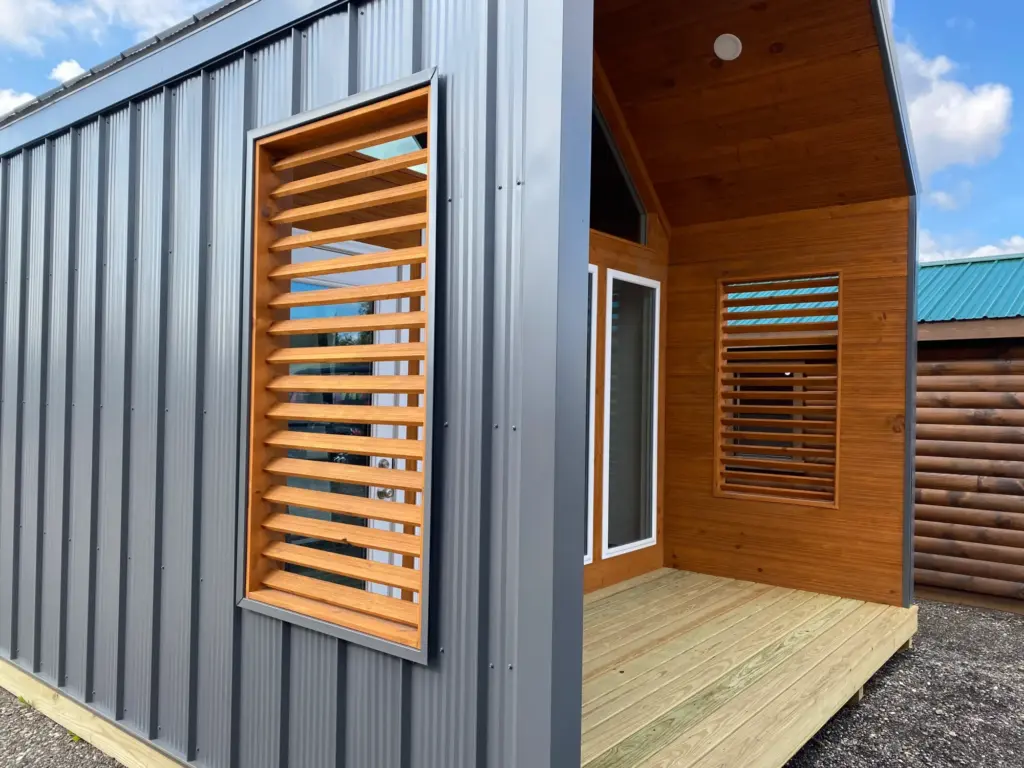
The cost to build a tiny house typically ranges between $30,000 and $120,000. Most homeowners fall somewhere in the middle of that range. A basic DIY build with simple finishes can cost less than $40,000. A professionally built tiny home with plumbing, electrical systems, and custom interiors often exceeds $80,000. Luxury models with premium materials can easily pass $100,000.
Square footage plays a major role in pricing. Tiny homes generally range from 100 to 400 square feet. Smaller homes cost less to frame and finish, but compact layouts often require specialized solutions that raise labor costs. Storage systems, fold-out furniture, and custom cabinetry can increase the budget. The final price depends on how simple or detailed you want the space to be.
Tiny House on Wheels vs Foundation Costs
One major decision that affects cost is whether the tiny house sits on wheels or on a permanent foundation. Tiny houses on wheels usually cost more upfront because they require a steel trailer rated for residential use. A quality trailer alone can cost $5,000 to $10,000. These homes also need lighter materials and reinforced framing for safe transport.
Foundation-based tiny houses avoid trailer costs but introduce site preparation expenses. Concrete footings, slab foundations, or piers can add several thousand dollars depending on soil conditions and location. Local zoning and permit requirements also influence foundation costs. Some areas require inspections and engineering reports that increase expenses. Choosing between wheels and a foundation should depend on mobility needs, zoning laws, and long-term living plans.
Material Costs and Structural Components
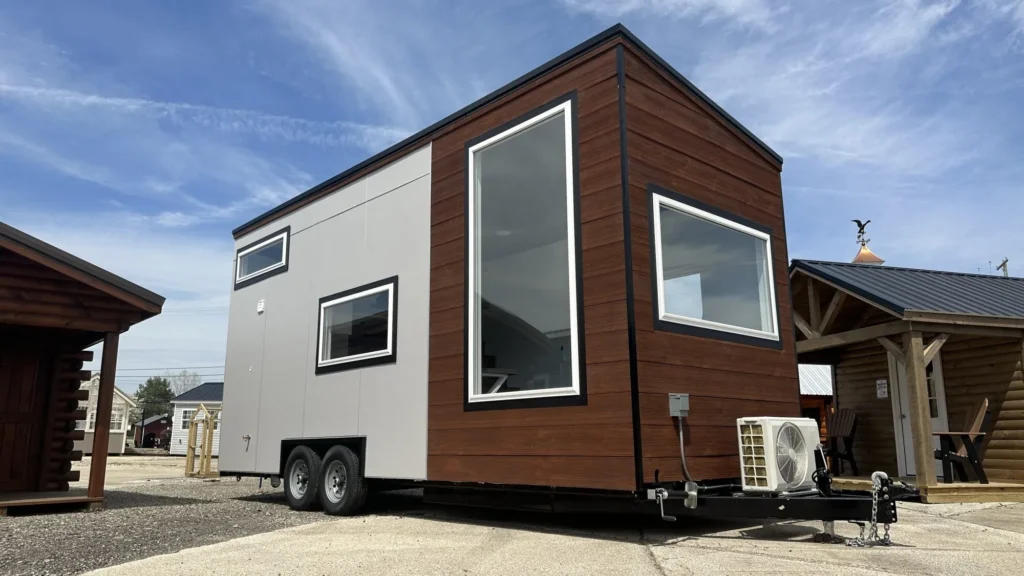
Materials make up a large portion of any tiny house budget. Lumber, roofing, insulation, windows, and siding all vary widely in price. Standard wood framing is usually the most affordable option. Steel framing costs more but offers durability and pest resistance. Exterior finishes like metal siding or cedar cost more than vinyl or engineered panels. Insulation is another key factor. Spray foam insulation delivers high efficiency but comes with a higher price tag. Fiberglass batts cost less but may reduce energy efficiency. Windows and doors also influence costs significantly. Energy-efficient windows increase upfront costs but reduce long-term utility expenses. Choosing durable materials can help reduce maintenance costs over the life of the tiny home.
Interior Finishes and Design Choices
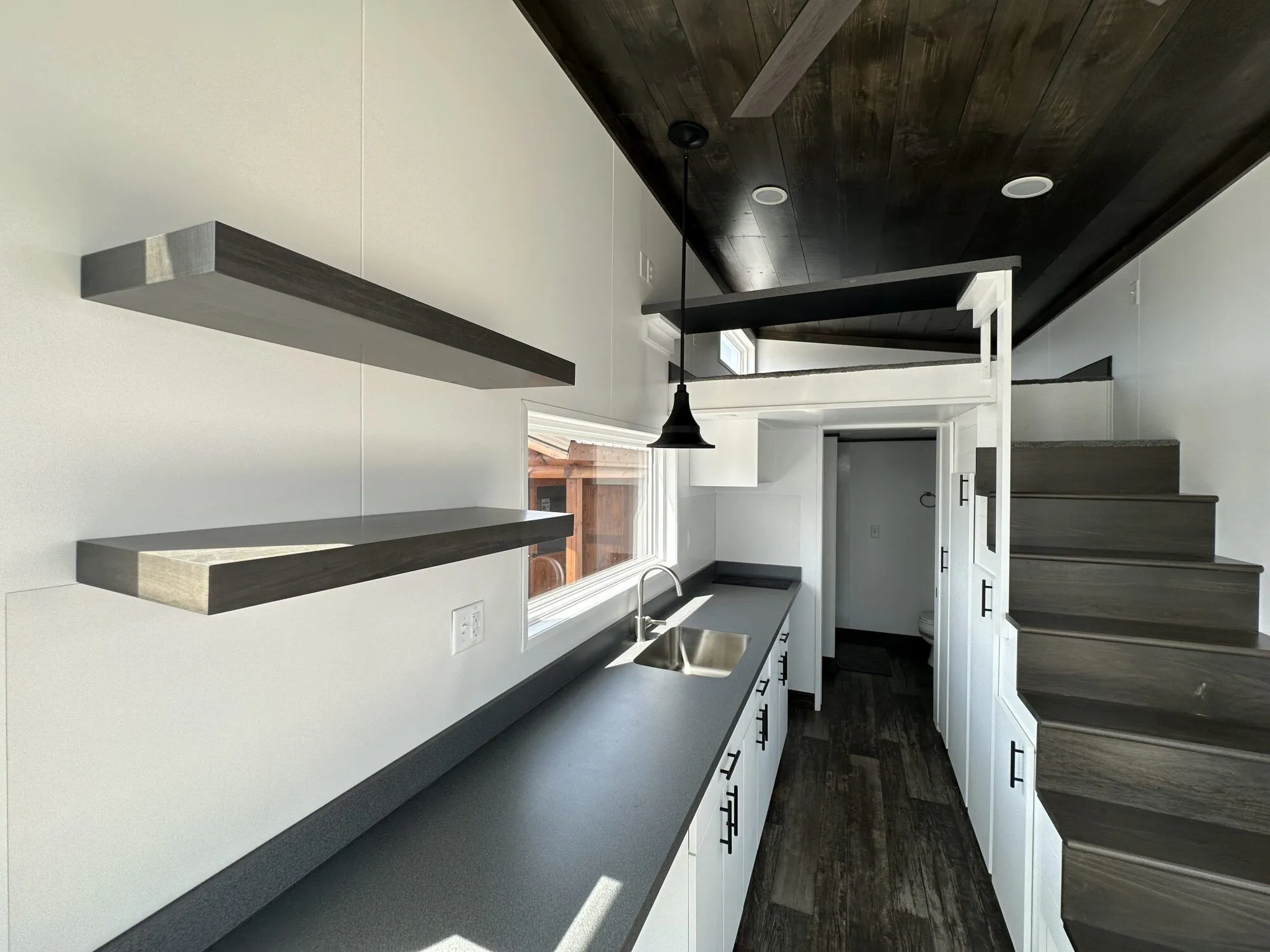
Interior finishes often determine whether a tiny house feels basic or high-end. Flooring, wall coverings, cabinetry, and countertops all add up quickly. Vinyl plank flooring costs less than hardwood. Laminate countertops cost far less than quartz or butcher block. Open shelving reduces costs compared to custom cabinets. Layout efficiency also impacts cost. Lofts reduce square footage but require stronger framing and ladders or stairs. Bathrooms with composting toilets cost less than full plumbing setups. Kitchens with smaller appliances help reduce both purchase and installation costs. Thoughtful design choices allow homeowners to balance comfort and budget without sacrificing livability.
Plumbing and Electrical Expenses
Plumbing and electrical systems can significantly increase tiny house costs. A simple electrical system with standard outlets and lighting is affordable. Solar setups increase upfront costs but reduce utility bills long term. Plumbing costs depend on water source, drainage, and fixture selection. Connecting to city water and sewer usually costs less than installing septic systems or water tanks. Composting toilets lower plumbing costs but require maintenance. Tankless water heaters cost more upfront but save space and energy. Professional installation is strongly recommended for safety and code compliance, which adds labor costs but protects long-term value.
Labor Costs and DIY Savings
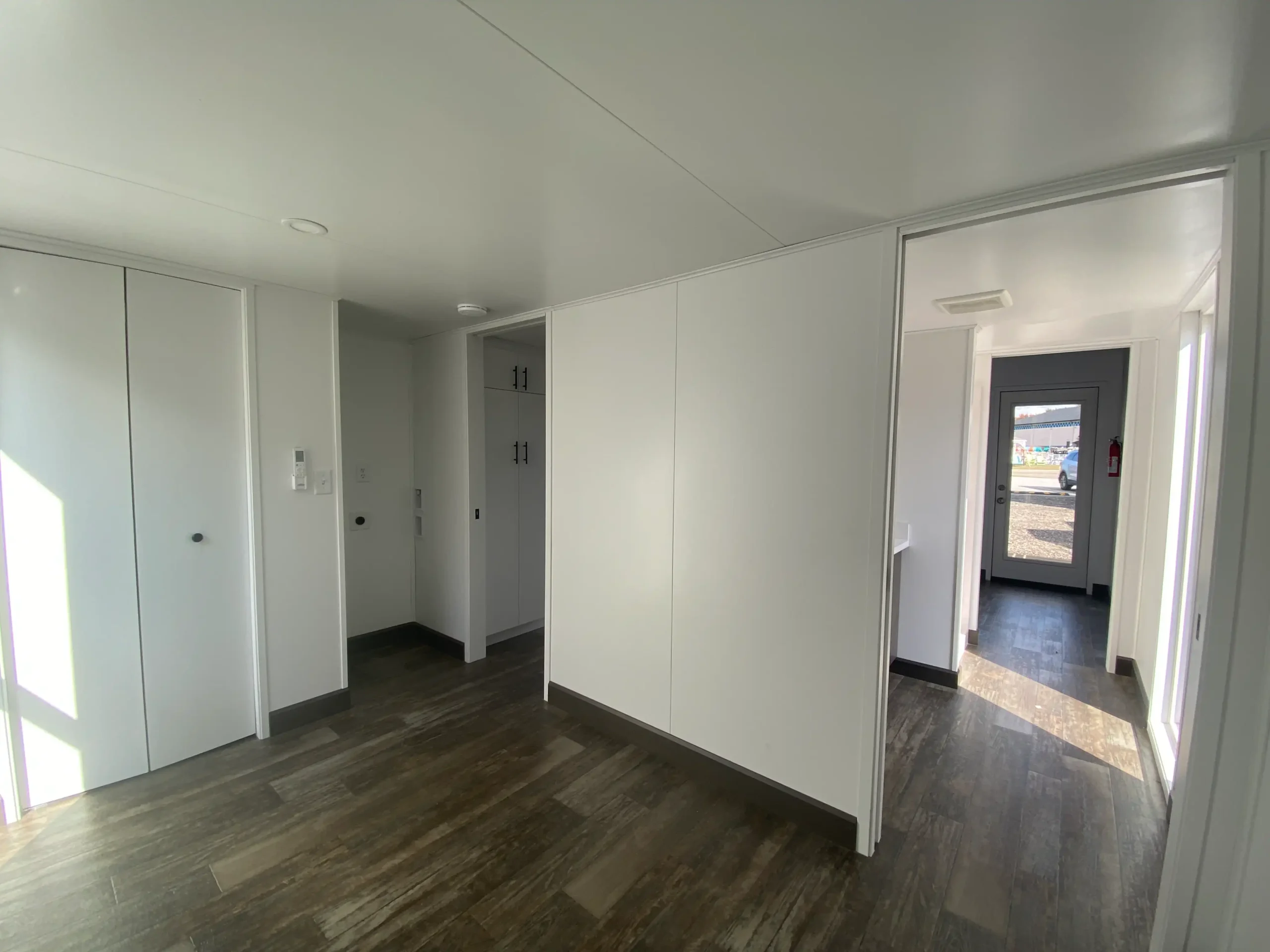
Labor costs vary depending on whether you build the tiny house yourself or hire professionals. A full DIY build saves money but requires time, tools, and construction experience. Mistakes can become expensive to fix later. Hiring professionals increases upfront costs but ensures quality workmanship and compliance with building standards. Many people choose a hybrid approach. They handle basic tasks like painting or trim work and hire professionals for plumbing, electrical, and framing. This approach balances savings with safety. Labor rates also vary by region, which can significantly affect total cost. Planning labor strategy early helps keep the budget under control.
Permits, Zoning, and Legal Costs
Permits and zoning regulations affect tiny house costs more than many people expect. Some areas require building permits even for mobile tiny homes. Zoning restrictions may limit where you can legally place the home. Fees vary by county and municipality. Inspections, design approvals, and engineering reviews add to the budget. Skipping permits can lead to fines or forced relocation later. Research local regulations before building to avoid costly setbacks. Working with an experienced builder familiar with local codes helps streamline the process and reduce unexpected expenses.
Cost of Prebuilt Tiny Homes
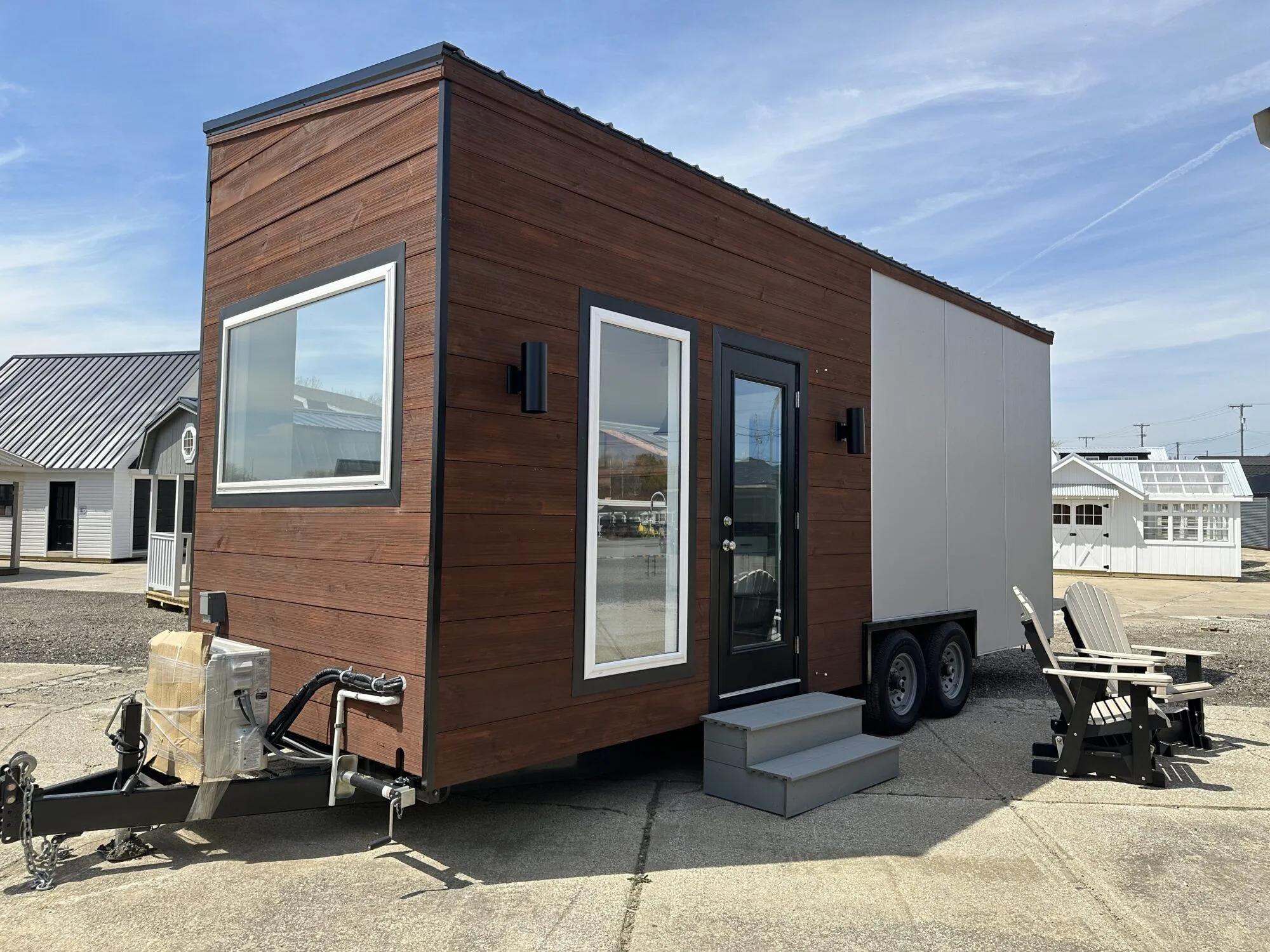
Buying a prebuilt tiny home often costs more than a DIY build but saves time and reduces risk. Prebuilt models include professional design, construction, and code compliance. Buyers also benefit from warranties and predictable pricing. Models like the Ashmore Mobile Tiny Home offer a ready-to-use solution for those who want mobility and comfort without managing a full build. Prebuilt homes eliminate many surprise expenses that occur during DIY projects. While the upfront cost may be higher, the long-term value often justifies the investment.
Size and Layout Impact on Price
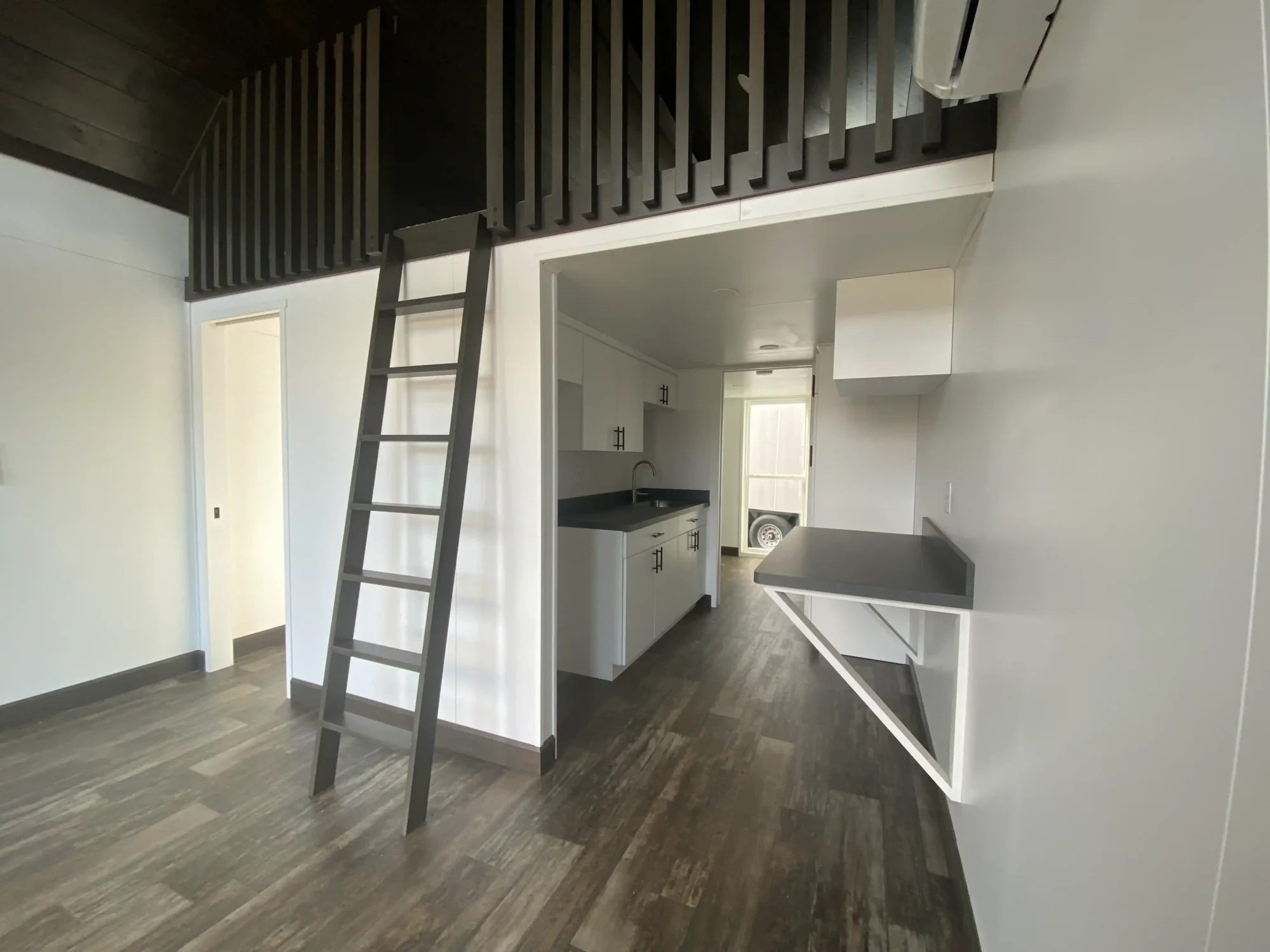
Even small increases in square footage raise costs noticeably. A 14-foot wide model offers more space but requires stronger framing and additional materials. Taller ceilings and lofts increase labor and structural requirements. Options like the 14×30 Tiny Home with Loft by Ohio Cabins & Structures provide more room for full kitchens and bathrooms while maintaining a compact footprint. Larger layouts allow better furniture placement but increase heating, cooling, and finishing costs. Choosing the right size depends on lifestyle needs and long-term plans.
Utility Costs and Energy Efficiency
Energy efficiency plays a major role in long-term affordability. Well-insulated tiny houses cost less to heat and cool. Efficient appliances reduce monthly utility bills. Solar panels reduce dependence on grid power but increase upfront expenses. Water usage also affects costs. Low-flow fixtures and efficient appliances lower monthly bills. Tiny homes generally cost less to maintain than traditional houses, but efficiency choices determine long-term savings. Investing in energy-efficient features often pays off over time.
Financing and Budget Planning
Financing a tiny house differs from financing a traditional home. Many banks do not offer standard mortgages for tiny homes. Buyers often use personal loans, RV loans, or construction loans. Interest rates vary depending on loan type and credit score. Creating a detailed budget helps avoid overspending. Include contingency funds for unexpected costs. Plan for insurance, transportation, and setup expenses. Proper financial planning ensures the project stays on track and avoids stress during construction.
Common Hidden Costs to Watch For
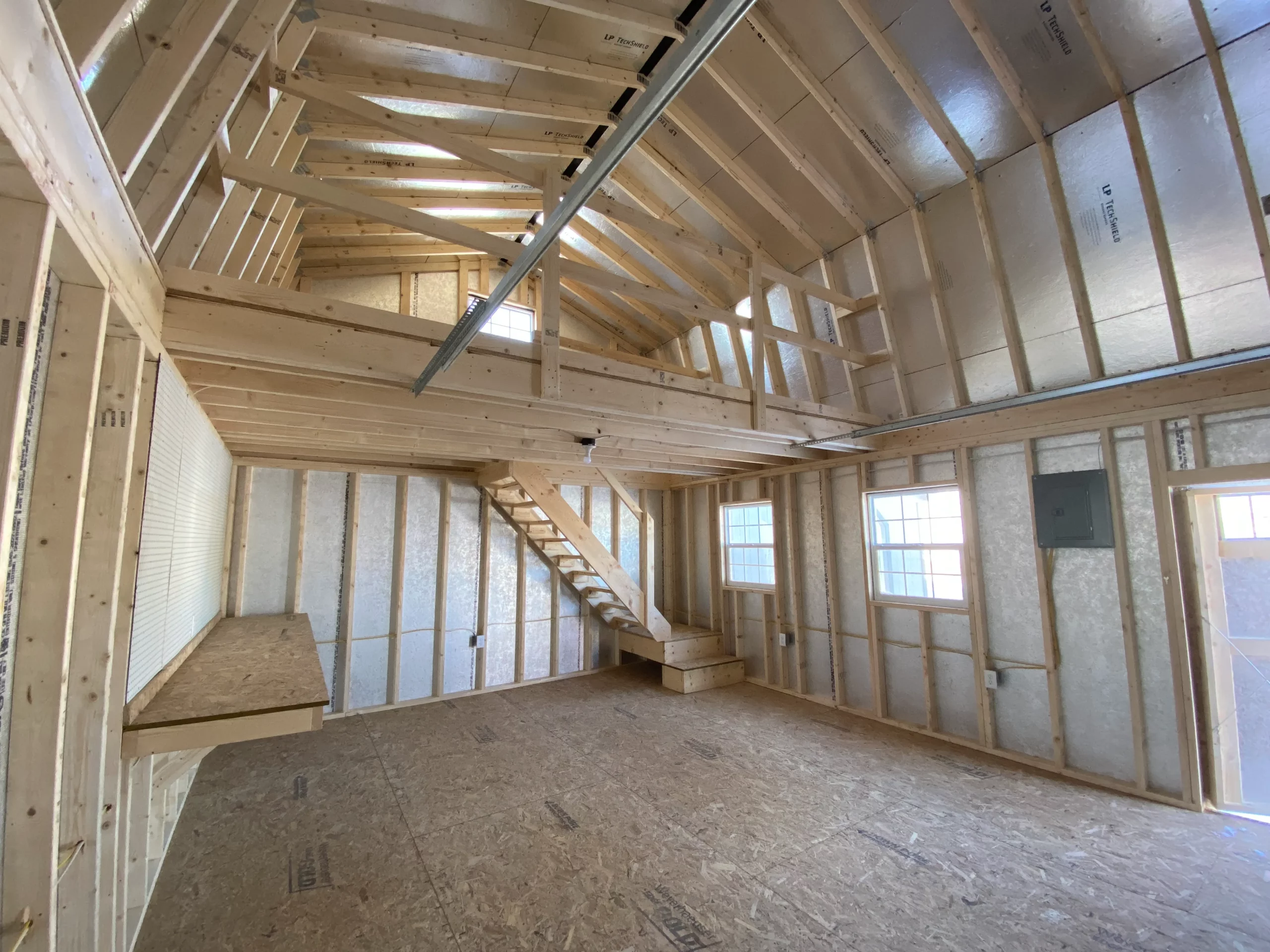
Hidden costs can derail tiny house budgets. Transportation fees add up quickly for mobile homes. Site preparation, utility hookups, and permits often exceed initial estimates. Custom features increase costs more than expected. Maintenance costs also matter. Roofs, siding, and appliances eventually need repairs or replacement. Planning for these expenses helps maintain long-term affordability. Awareness of hidden costs allows smarter decisions during the planning phase.
Is Building a Tiny House Worth the Cost?
For many people, building a tiny house offers strong financial and lifestyle benefits. Lower mortgage payments, reduced utility bills, and simpler living attract homeowners seeking flexibility. The key is realistic planning and informed decision-making. Tiny houses work best for people comfortable with smaller spaces and minimal possessions. When designed well, they offer comfort, efficiency, and durability. Understanding costs upfront ensures the investment meets expectations and provides lasting value.
Outbound Resource for Cost Research
For additional insights on construction cost breakdowns, industry standards, and regional pricing trends, this housing cost guide from the National Association of Home Builders provides helpful data for planning and comparison.
Conclusion
Building a tiny house costs less than a traditional home, but prices vary widely based on size, materials, labor, and location. Careful planning helps control expenses and avoid surprises. From DIY builds to professionally constructed models, there are options for many budgets and lifestyles. Ohio Cabins and Structures offers expertly built cabins, tiny homes, and portable structures designed for comfort and durability. This article explained the main cost factors involved in building a tiny house and how to make smart decisions throughout the process. To explore professionally built options and learn more, visit Ohio Cabins and Structures.