
How to heat garage in winter becomes a major concern when temperatures drop and cold air settles into unconditioned spaces. Many homeowners find that their garage turns into one of the coldest areas of the property, making it uncomfortable to use and difficult to maintain. In addition, a cold garage can affect vehicles, tools, and stored materials. When insulation, air sealing, moisture control, and heating work together, the garage becomes warmer, more efficient, and usable throughout winter.
Why Heating a Garage Is Different From Heating a Home
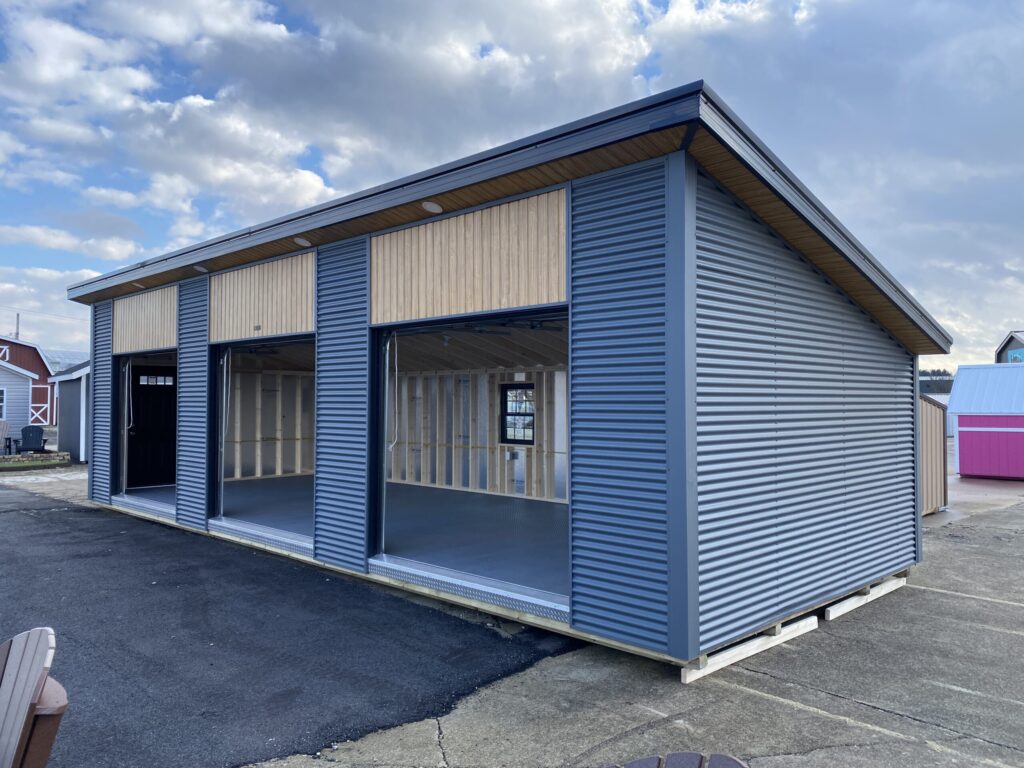
Garages behave differently from interior living spaces because builders design them as semi-conditioned areas. In many homes, garage walls contain little or no insulation, which allows outdoor temperatures to move inside freely. At the same time, standard garage doors provide minimal resistance to cold air. Concrete floors also play a major role by absorbing cold from the ground and lowering overall temperature. Unlike living spaces, garages often have high ceilings that allow warm air to rise and escape. In addition, moisture from snow and ice melting off vehicles increases humidity and makes the space feel colder. Because of these factors, heating a garage requires a different strategy than heating the rest of the house.
Start With Insulation Before Adding Heat
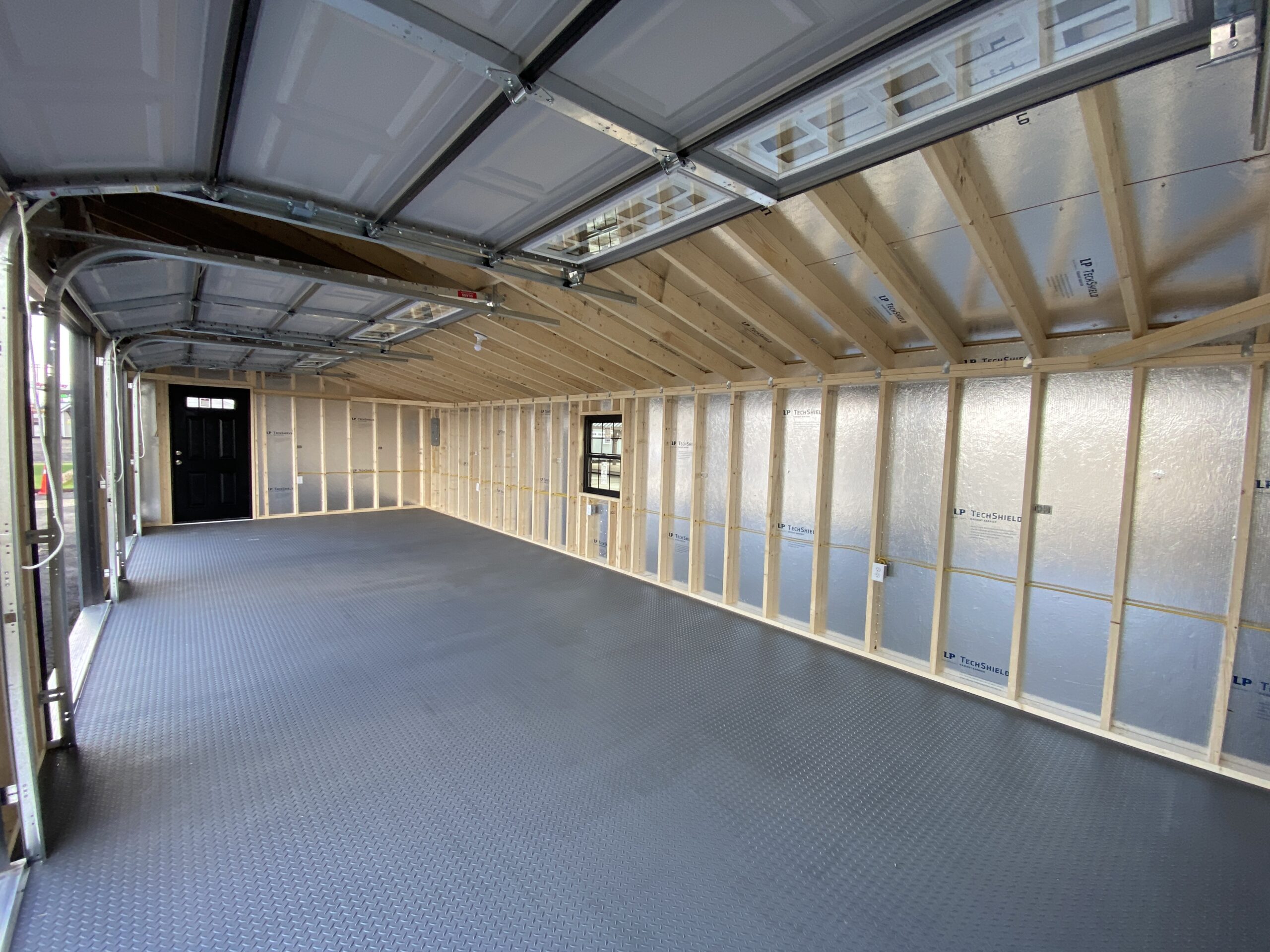
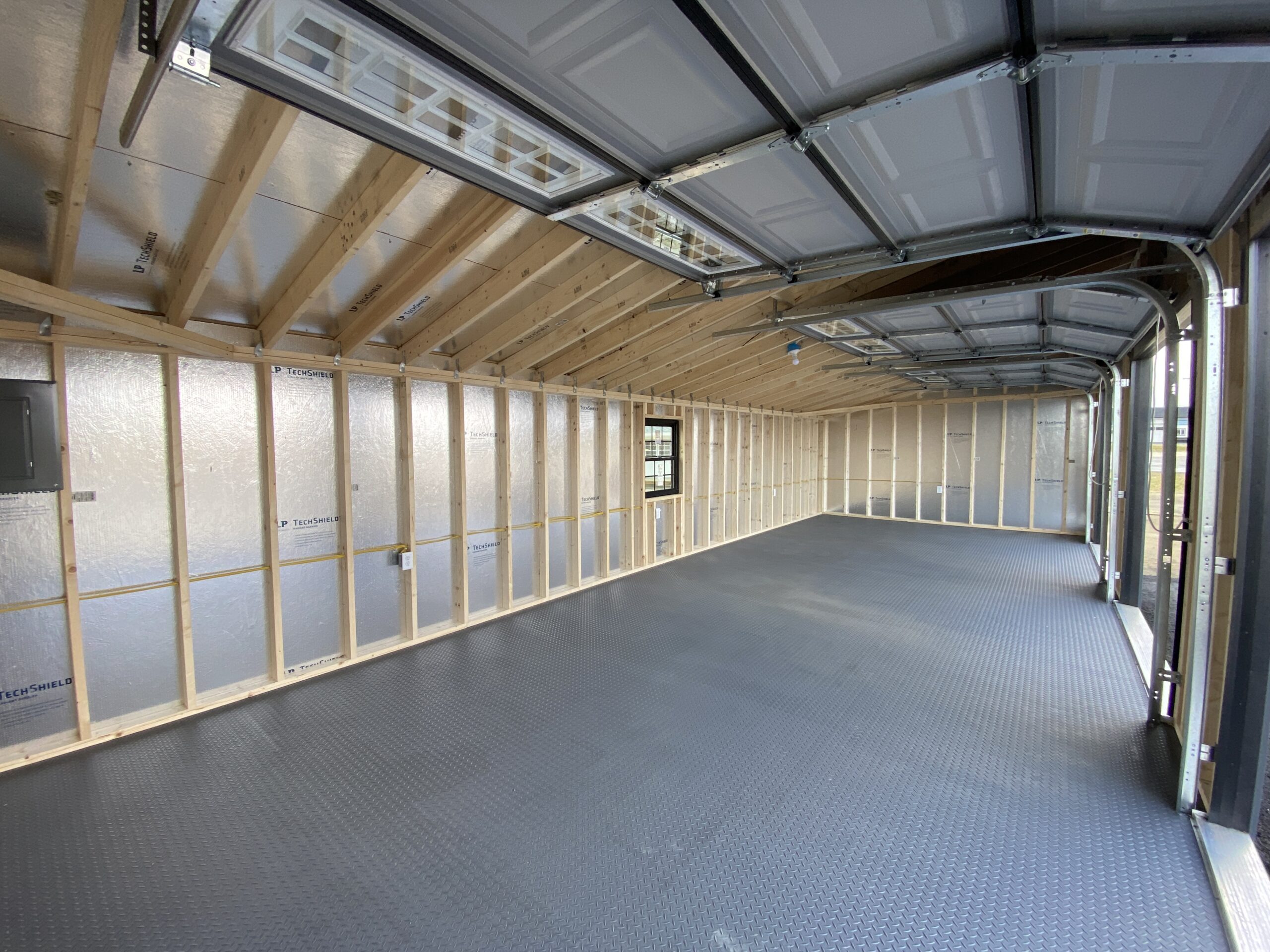
Insulation forms the foundation of any effective plan to heat a garage in winter. Without insulation, heat escapes almost immediately, which wastes energy and raises costs. Wall insulation helps slow heat transfer and keeps warm air inside longer. Fiberglass batts work in framed walls, while rigid foam board and spray foam provide stronger performance by limiting air movement. Ceiling insulation also matters, especially if living space sits above the garage. Adding insulation above the garage traps heat and prevents cold transfer into the home. When insulation is installed properly, heating systems operate more efficiently and maintain stable temperatures.
Seal Air Leaks to Stop Heat Loss
Air leaks undermine every heating effort. Cold air entering through gaps forces warm air out and prevents the space from staying comfortable. Common leak points include wall joints, utility penetrations, window frames, and the connection between walls and the foundation. Sealing these areas with caulk or spray foam improves warmth quickly. Weatherstripping around doors and windows also blocks drafts. In attached garages, sealing the shared wall prevents cold air and fumes from entering the house.
According to the U.S. Department of Energy, air sealing ranks among the most cost-effective energy improvements. Once drafts stop, heating systems perform far better.
Upgrade the Garage Door for Better Heat Retention
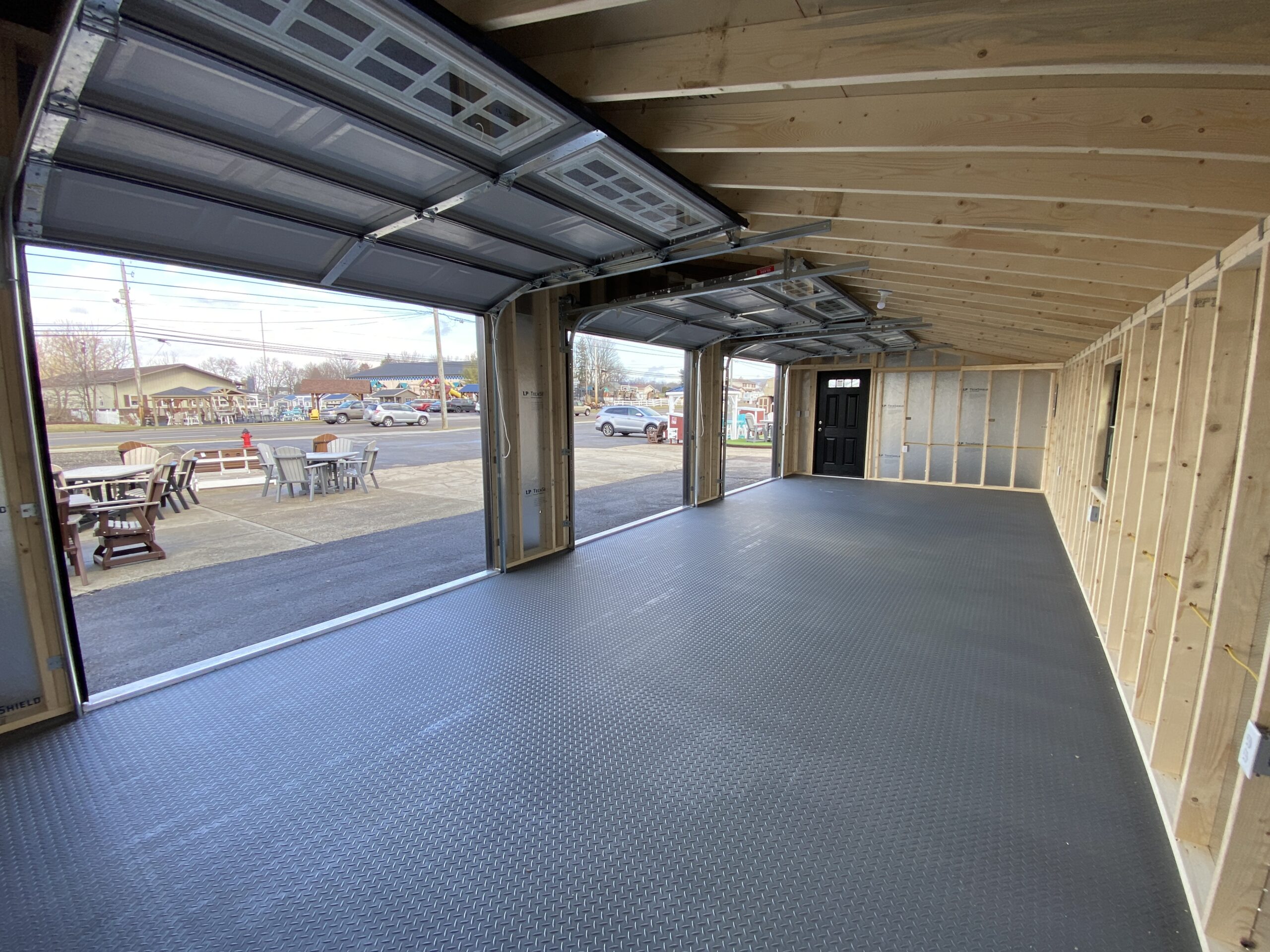
The garage door often causes the greatest heat loss. Standard metal doors offer little insulation and allow cold air to leak around the edges. Upgrading to an insulated garage door significantly improves winter comfort. If replacement is not an option, insulation kits add foam panels that reduce heat transfer. Weatherstripping around the door frame seals gaps and improves performance. A tight bottom seal matters most because cold air settles near the floor. Improving the garage door often produces noticeable temperature gains without increasing heating output.
Electric Garage Heaters and Their Benefits
Electric heaters provide one of the most common solutions for garage heating. Wall-mounted electric heaters offer steady warmth and simple temperature control. Ceiling-mounted units work well in larger garages where floor space is limited. These heaters produce clean heat without fumes, which makes them suitable for attached garages. Electric systems also allow zoning, so homeowners can heat the garage only when needed. While electricity costs vary, proper insulation and air sealing help keep operating expenses manageable.
Gas Heaters for High Output Heating
Gas heaters provide powerful heating for larger or frequently used garages. Natural gas and propane heaters deliver strong output and warm spaces quickly. However, proper ventilation is essential to ensure safety. Vented gas heaters remove combustion gases outside, while unvented units require careful consideration. Because of safety concerns, professional installation is often recommended. Gas heaters work best in detached garages or workshops where high heat output is needed.
Radiant Floor Heating for Even Warmth
Radiant floor heating addresses one of the biggest challenges in garages: cold concrete floors. Radiant systems warm the slab directly, which improves comfort and reduces heat loss. Electric radiant mats suit smaller garages, while hydronic systems serve larger spaces. Radiant heat distributes warmth evenly and eliminates drafts. Although installation costs can be higher, radiant floors provide long-term comfort and efficiency. Many homeowners choose radiant systems when finishing or renovating a garage.
Infrared and Radiant Panel Heaters
Infrared heaters warm people and objects instead of air. This approach works well in garages where doors open frequently. Wall-mounted or ceiling-mounted infrared panels deliver targeted heat and reduce energy loss. Because they heat surfaces directly, the space feels warmer even at lower air temperatures. Infrared systems also reduce dust movement and drafts, which improves comfort.
Managing Moisture to Improve Heating Performance
Moisture control plays a major role in how warm a garage feels. Damp air pulls heat from the body and lowers perceived temperature. Snow melting off vehicles increases humidity and leads to condensation. Proper ventilation removes excess moisture without excessive heat loss. Dehumidifiers also help maintain comfortable humidity levels. Sealing foundation cracks and improving exterior drainage prevents water intrusion. Moisture control protects tools, vehicles, and stored items from damage.
Floor Coverings and Layout Adjustments
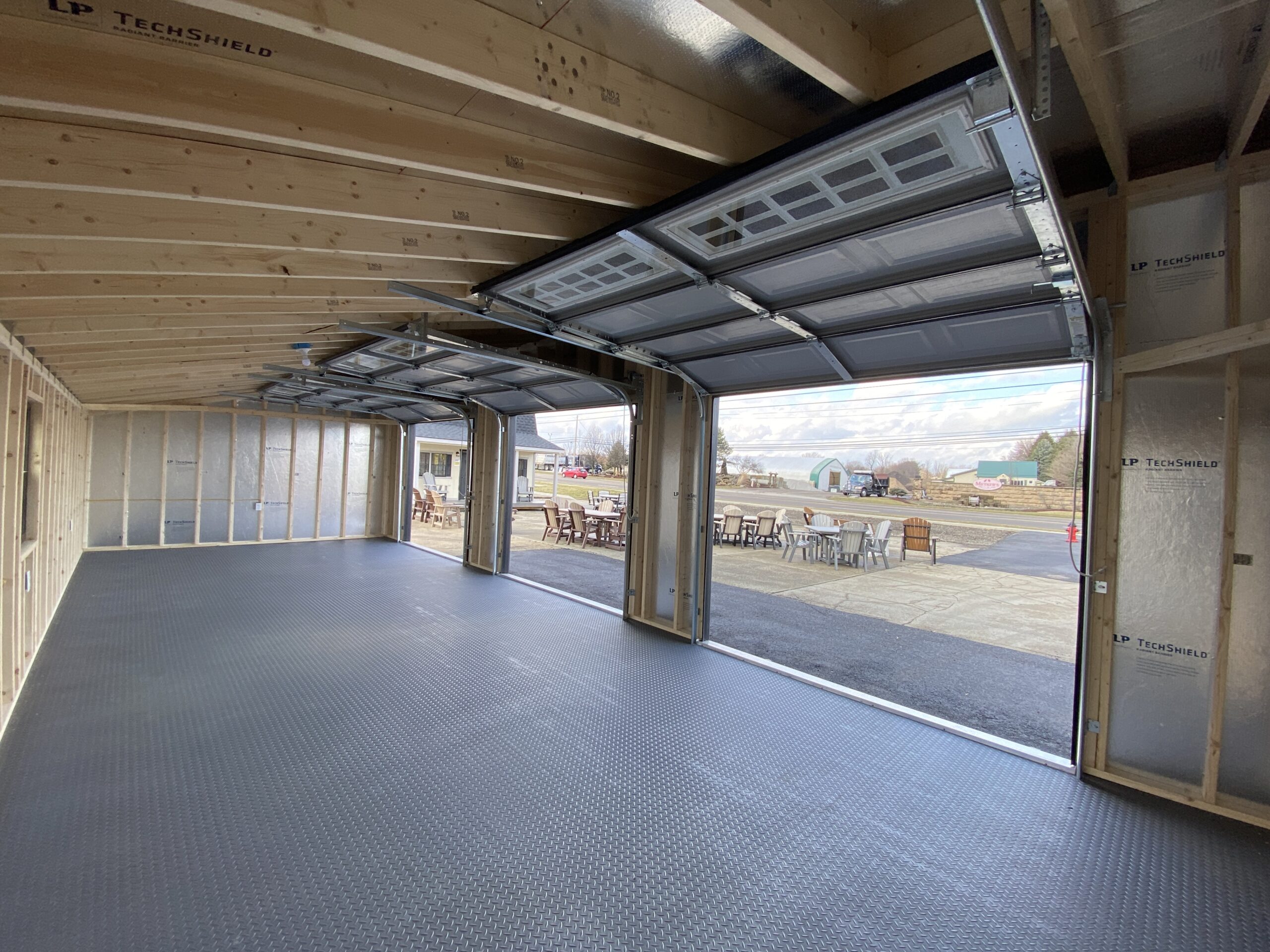
Concrete floors draw heat away from the space and make garages feel colder. Adding rubber mats, insulated tiles, or epoxy coatings reduces heat loss and improves comfort underfoot. Garage layout also affects airflow and warmth. Leaving space between stored items and exterior walls allows air to circulate. Insulated cabinets protect sensitive tools and materials from freezing conditions. Small layout changes support heating efforts and improve usability.
Long-Term Structural Heating Improvements
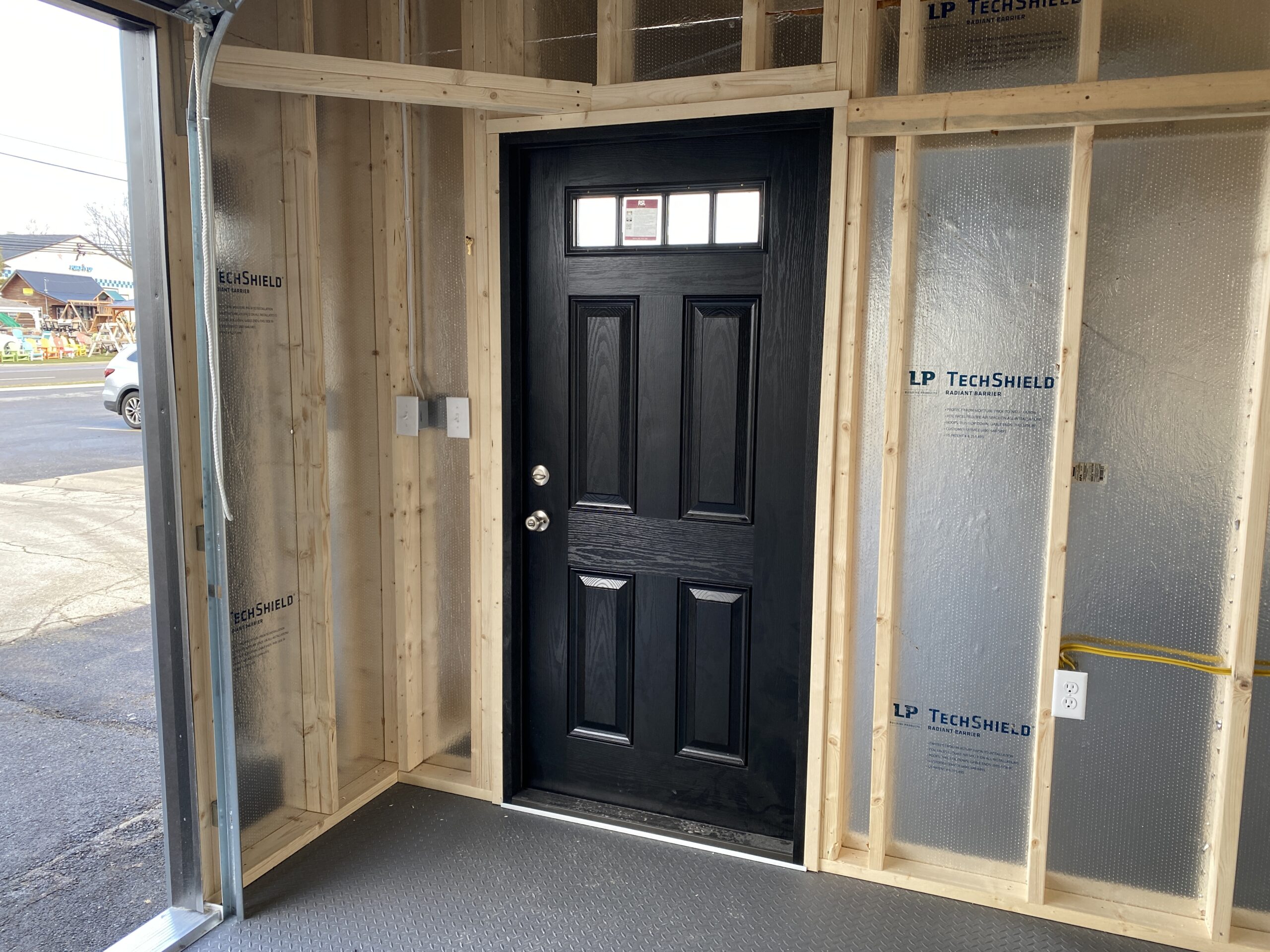
Some garages require more extensive upgrades to stay warm consistently. Exterior wall insulation reduces heat loss at the source. Replacing old windows with energy-efficient models improves thermal performance. Adding ceiling barriers beneath unheated attic space also helps retain warmth. These improvements deliver the most reliable long-term results when combined with proper heating. Homeowners exploring structural solutions can find guidance through Ohio Cabins and Structures.
Conclusion
How to heat garage in winter effectively requires reducing heat loss before adding heat. Insulation, air sealing, moisture control, and the right heating system work together to create lasting comfort. Cold garages lose warmth through uninsulated walls, drafty doors, and concrete floors. Once these issues are addressed, heating systems perform better and cost less to operate. With proper planning, garages can remain warm, protect stored items, and stay functional throughout winter. For help planning upgrades or improving structural performance, homeowners can reach out through Ohio Cabins and Structures.