
How to pick a garage door lock is a practical question for any homeowner who cares about security. The garage is not just a place for cars, it stores tools, bikes, and equipment. Many garages also connect to the home. That makes the garage a target. Many people rely only on the opener for protection. That helps, but it is not enough in every case. A door that takes time and noise to defeat often gets skipped. The right lock also helps with daily habits. It encourages you to secure the door when you leave. It also helps when you travel. Choosing the wrong lock creates new problems. This guide walks you through the key choices. It focuses on door type, use patterns, and installation quality. You will leave with a clear plan. You will also avoid common mistakes that waste money and reduce safety.
Start With Your Garage Risk Profile
Before you buy hardware, take ten minutes to assess your risk. Start with access. Is your garage attached or detached? Attached garages raise the stakes because a breach can lead indoors. Next, look at visibility. Can neighbors see your garage door from the street? Poor visibility can raise risk. Then consider how you use the space. Do you store expensive tools or equipment inside? Do you park a vehicle that is easy to steal? Also consider how often you open the door.
A lock that takes too long to use may get ignored. That defeats the purpose. Think about who needs access. A single homeowner has different needs than a family. If teens or guests use the garage, you may need flexible access. Finally, check your door condition. A weak or damaged door can fail even with a strong lock. Tighten loose hinges and brackets first. A lock is only one piece of security. Your goal is to choose a lock that matches your real situation, not an imagined one.
Know the Main Garage Door Lock Types
Garage door locks come in several common styles. Each one fits a different need. Slide locks are simple and strong. They mount to the inside track area and slide into a hole or bracket. They work well when you want a basic manual lock. T-handle locks are common on older doors. They use a keyed cylinder and rods that engage both sides. They can be convenient, but quality varies. Side-mounted deadbolts are another strong option. They throw a bolt into the track or a reinforced strike point. They can resist prying when installed well. Padlock hasps show up more on roll-up or commercial doors. They can be strong, but they look obvious and require an exterior hasp.
Interior floor anchors also exist. They secure the bottom section to the concrete. That can add strength, but placement matters. Some homeowners use electronic add-ons, like smart bolt kits. Those can be helpful, yet they depend on power and setup. The best starting point is a lock style that fits your door design and daily routine.
Match the Lock to Your Door Style
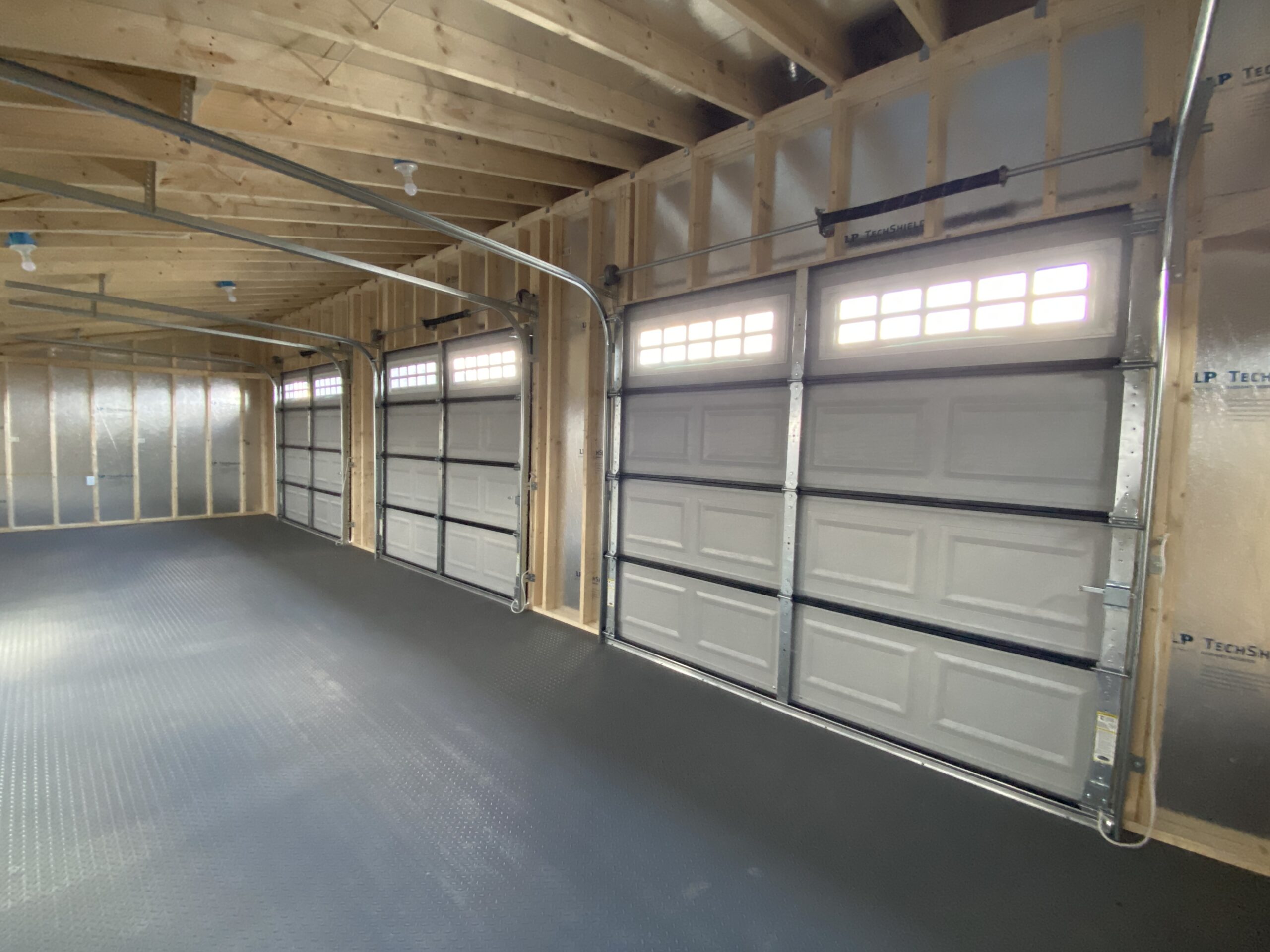
Door style matters because it controls where you can anchor a lock. Sectional overhead doors often work best with slide locks or side-mounted bolts. These doors run on vertical and horizontal tracks, so track engagement works well. Tilt-up doors are different. They swing out and up as one piece. They often need a center lock that secures to the frame. Some use a handle lock that engages both sides. Roll-up doors often need bar locks or commercial style solutions. Their slats and guides require different anchor points.
Material matters too. A steel door usually supports secure mounting, especially if it has reinforcement. A thin aluminum door may flex, so it needs a lock that spreads force. Wood doors can hold strong hardware, but they need careful drilling to avoid splits. If your door has windows, treat that as a risk. Glass can be broken to reach inside hardware. In that case, prioritize interior-only locking points. A great lock is useless if it does not suit the door’s movement and structure.
Choose Strength Based on Materials and Attack Methods
When you choose a lock, think like an intruder. Most forced entries use speed and leverage. Prying is common. So is pulling on weak handles. Drilling can also happen on low-grade cylinders. That is why materials matter. Look for hardened steel components and solid mounting plates. Avoid thin stamped parts where possible. Pay attention to the cylinder design if the lock uses a key. Better cylinders resist drilling and picking.
Also look for protected shackle designs on padlock systems. A shrouded shackle reduces cutting access. If you want to understand real break-in patterns and practical garage security guidance, this overview from This Old House is a solid reference. Strength also depends on how force transfers into the door. A lock that anchors into a reinforced track area holds better than one screwed into a thin panel. Also consider corrosion resistance. Rust weakens locks over time and can cause failure. Choose finishes that hold up in your climate and garage conditions.
Balance Security With Daily Convenience
A lock only helps if you use it. Convenience drives consistency. Start with how you enter the garage. If you mainly use the opener and rarely use the side door, an interior slide lock may work. You can lock it when you travel. If you use the garage as your main entrance, you may need a keyed lock or a keypad system. Families often prefer quick access. Still, you should avoid complicated steps that people skip. Think about where the lock sits. If you must crouch or reach awkwardly, it becomes annoying.
Also consider your vehicle routine. If you park close to the door, interior access might be tight. For multi-user homes, consider controlled sharing. A keypad can support temporary codes for guests. A keyed lock can create key management problems. If you choose keyed access, pick a cylinder you can rekey. That helps when keys get lost. Convenience is not a luxury. It is a security feature because it supports habits.
Add Layered Security Around the Lock
A garage door lock is stronger when paired with simple layers. Start with lighting. Motion lighting reduces hiding spots and increases visibility. Next, consider the emergency release. Many break-ins exploit it with simple tools. You can reduce that risk with a guarded release setup, while still keeping safety in mind. Also think about the side entry door.
Many garages have a weak side door with a basic knob lock. Upgrading that lock can matter as much as the main door. Window coverings also help if your garage has glass. If an intruder can see tools, motivation rises. Keep valuables out of sight when possible. Also maintain the garage door itself. Tight rollers, aligned tracks, and solid brackets help the door resist prying. If your opener has rolling codes, keep it updated and do not leave remotes in cars. Layered security does not need to be complex. Small steps stack together and make forced entry harder.
Choose a Locking Strategy for Travel and Daily Life
Your best lock choice depends on when you want the lock engaged. Many homeowners do not need a manual lock every day. They need it for travel, long weekends, or storage periods. In that case, an interior slide lock works well. You can also unplug the opener for extra safety. If you want daily locking, choose a system that fits daily entry. A keyed handle lock can work, but it should be high quality. A deadbolt style track lock can also work if it is easy to reach.
For families, a keypad paired with an interior backup lock can be smart. That gives convenience and a physical barrier. Also decide how you will manage keys or codes. If you choose keys, keep spares secure. If you choose codes, change them when needed. Your strategy should match your routine, not fight it. A strong lock used rarely can still be valuable. A mediocre lock used daily can also help if it supports consistent habits.
Maintain the Lock and Review Security Over Time
Locks need basic maintenance to stay reliable. Dirt, humidity, and temperature changes can cause binding and corrosion. Inspect the lock twice a year. Tighten mounting screws and confirm alignment. Lubricate moving parts with a product designed for locks. Avoid heavy grease that traps dirt. Test the lock under normal use and under light pressure on the door. That reveals misalignment early.
Also check your door condition. A lock works best on a solid, well-maintained door. If the door flexes or the track shifts, fix that first. Review access habits too. If you added a lock but nobody uses it, adjust your plan. You might need a different lock style. If you want help deciding on upgrades or planning a property approach, you can reach out through https://ohiocabinsandstructures.com/contact/. A periodic review keeps your setup effective. It also prevents small issues from turning into failures.
Conclusion
How to pick a garage door lock comes down to fit, strength, and real-world use. Start with your garage risk profile and door type. Then choose a lock style that anchors into solid structure. Confirm it does not conflict with opener operation. Prioritize quality materials and a cylinder that resists common attacks. Balance security with convenience so you actually use the lock. Add simple layers like lighting and better side-door security to strengthen the whole system. Keep up with maintenance so the lock stays dependable. A smart lock choice does not need to be complicated or expensive. It needs to match your door and routine. If you want more guidance on property improvements and security-minded planning, explore resources at https://ohiocabinsandstructures.com/. With the right lock and a clear strategy, you can turn the garage into a stronger, safer part of the home.