
Choosing the right garage size starts with understanding how much space you actually need. Many homeowners ask, how wide is a two car garage, because standard dimensions do not always provide enough room for today’s larger vehicles, storage needs, and everyday movement. While a basic two-car garage can accommodate two vehicles, adding a few extra feet of width often creates a more comfortable and practical space. Knowing the standard dimensions and planning for future needs will help you build a garage that remains functional for many years.
What Is the Standard Width of a Two-Car Garage?
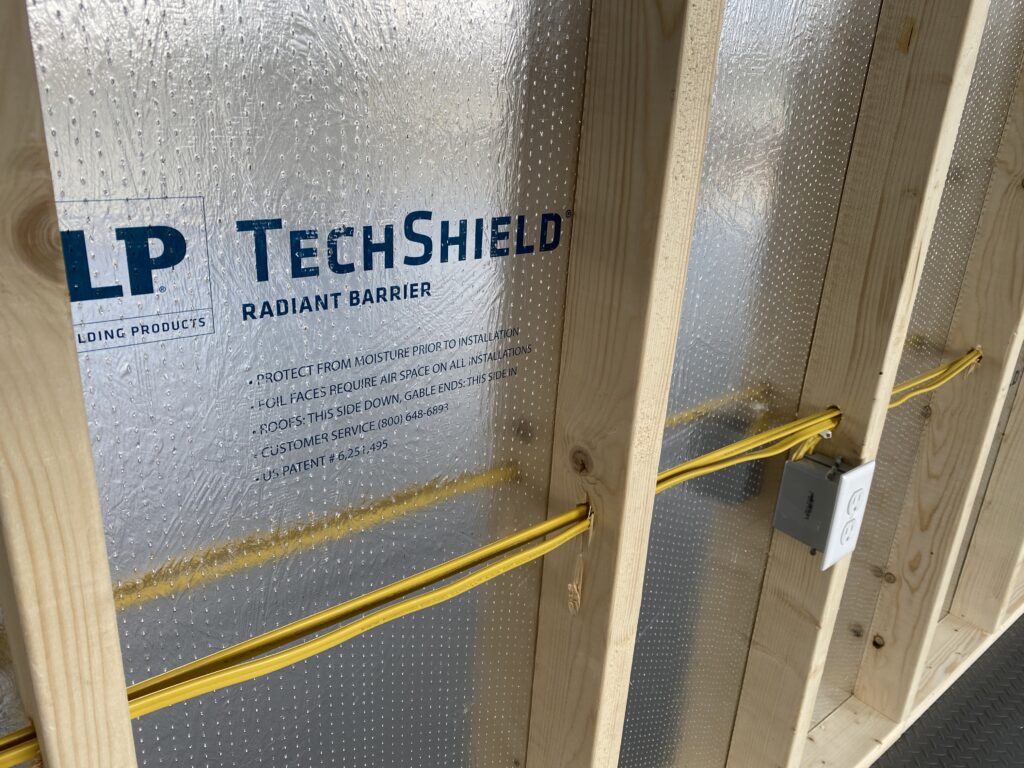
When homeowners ask how wide is a two car garage, the most common answer falls between 20 and 24 feet wide. A standard two-car garage is often built at 20×20 feet, although many modern garages are designed wider to provide more comfortable parking and storage space. A 20-foot-wide garage may technically fit two vehicles, but parking can feel restrictive, especially when dealing with larger SUVs, pickup trucks, or vehicles with wide-opening doors. Homeowners often discover that minimal garage widths leave very little room for movement once both vehicles are parked inside. This becomes especially noticeable when carrying groceries, unloading children, or storing equipment along the walls.
Garages that are 22 or 24 feet wide offer a more practical layout. The extra space gives drivers more room to open doors, walk around parked vehicles, and organize storage without blocking pathways. Even a small increase in width can make everyday use much more comfortable.
According to the U.S. Department of Energy, garages increasingly serve multiple functions beyond parking, including storage, workshops, and utility space. Because of this, many homeowners now prioritize wider garage layouts to improve long-term usability rather than simply meeting minimum vehicle requirements.
Why Garage Width Matters More Than Most Homeowners Expect
Many homeowners focus heavily on garage length while underestimating how important width becomes during everyday use. A garage that barely accommodates two vehicles can quickly become frustrating because there is little remaining room for opening doors, walking between vehicles, or storing household equipment. Families with multiple drivers often experience this problem first because daily routines involve constant movement in and out of the garage throughout the day. Narrow garages also make it difficult to organize tools, shelving systems, lawn equipment, or bicycles without blocking parking areas.
Additional width dramatically improves long-term flexibility because garages frequently become multi-purpose spaces over time. Many homeowners eventually use their garage for workshop areas, storage cabinets, fitness equipment, freezers, seasonal decorations, or outdoor gear. Garages designed too narrowly often become overcrowded quickly because there is little remaining space after parking vehicles. Building a slightly wider garage during initial construction usually costs far less than attempting to expand the structure later. Even adding two or four extra feet can significantly improve usability, convenience, and long-term property value for years to come.
How Vehicle Size Changes Garage Width Requirements
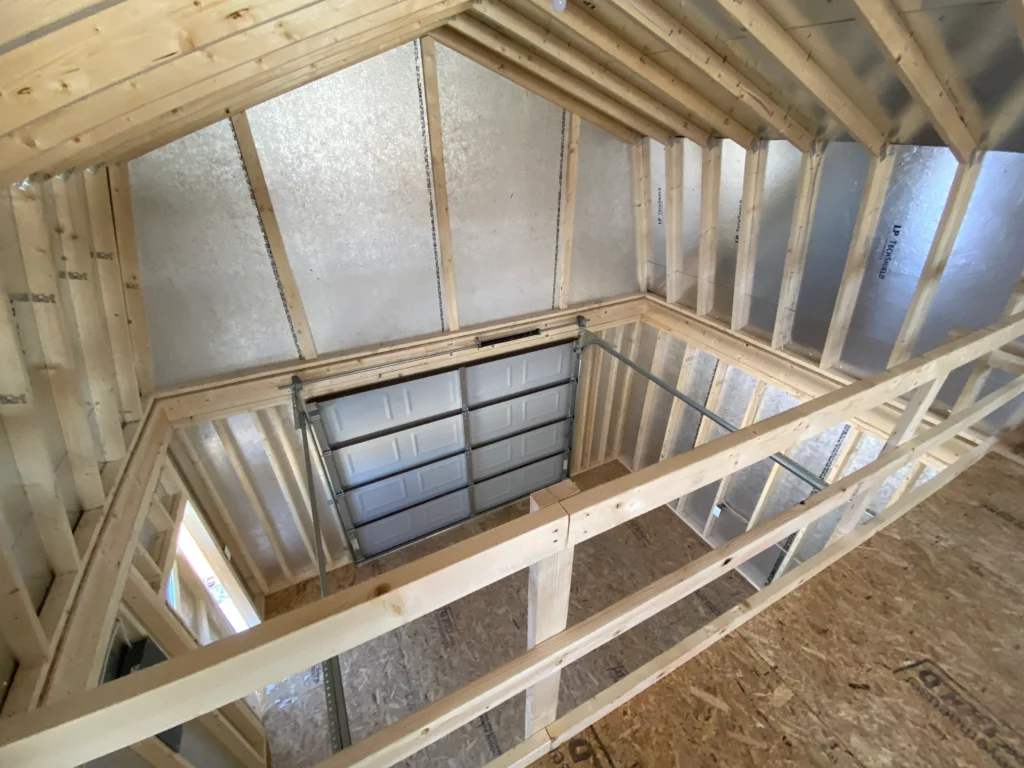
The ideal width for a two-car garage depends heavily on the types of vehicles being stored inside. Compact sedans require far less room than full-size trucks or large SUVs. Modern pickup trucks commonly exceed 80 inches in width before mirrors are even included, meaning two oversized vehicles parked side by side can quickly consume most of the interior garage space. Homeowners planning future vehicle upgrades should also remember that vehicle sizes continue increasing, especially among trucks and family SUVs designed for larger passenger capacity and cargo storage.
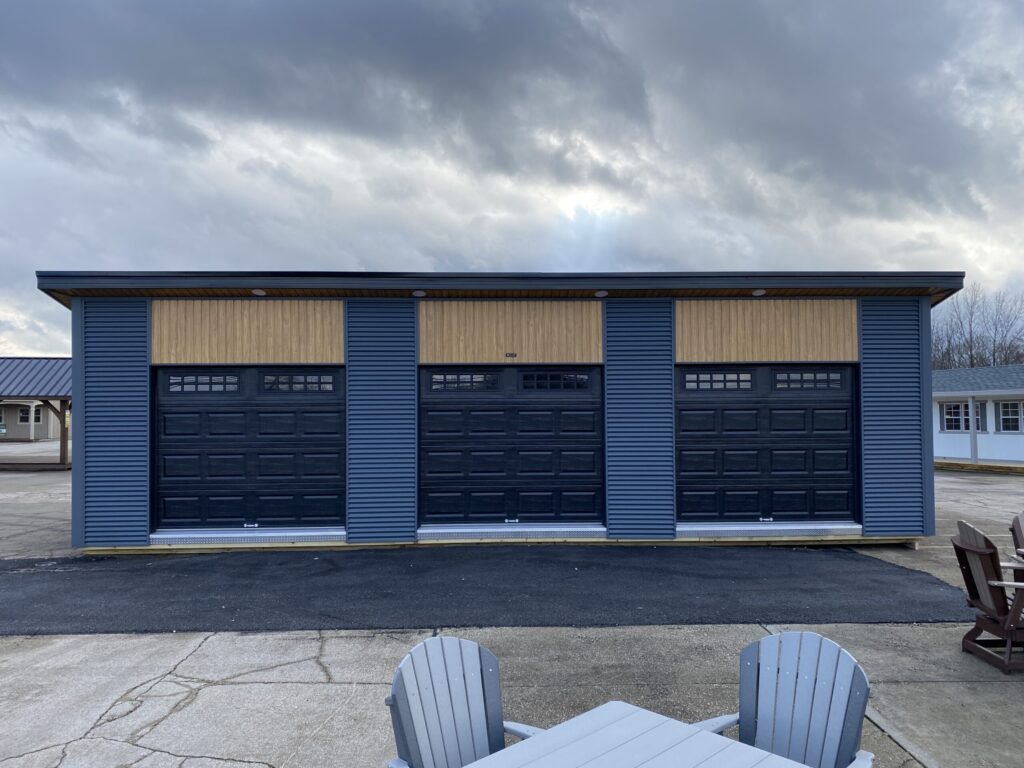
Families with children often benefit from wider garages because loading car seats, sports equipment, and groceries requires more clearance around parked vehicles. Homeowners with oversized vehicles should strongly consider garages at least 24 feet wide or larger to maintain comfortable access. Structures like the 14×36 Modern Garage demonstrate how larger garage layouts provide additional flexibility for vehicle storage while still leaving space for tools, equipment, and work areas. Planning garage dimensions around both current and future vehicle needs usually creates a far more practical long-term setup.
Two Car Garage Dimensions Beyond Width
Although many people focus primarily on width, overall garage functionality also depends on ceiling height and garage depth. Standard two-car garages are commonly between 20 and 24 feet deep, but larger vehicles may require additional depth to allow comfortable movement around the front and rear of parked vehicles. Homeowners planning to use the garage for storage or workshop purposes often prefer deeper layouts because they provide more room for shelving systems, workbenches, and organized storage areas without interfering with vehicle access.
Ceiling height also plays an important role in long-term garage usability. Standard garage ceilings are often around eight feet high, but taller ceilings create more flexibility for overhead storage systems, vehicle lifts, roof racks, and larger utility equipment. Garages designed only around minimum dimensions may become restrictive over time as storage demands and vehicle sizes change. Planning all garage dimensions carefully helps homeowners create a more functional space that supports parking, storage, and future adaptability without feeling crowded or difficult to use.
Attached Vs Detached Two-Car Garage Layouts
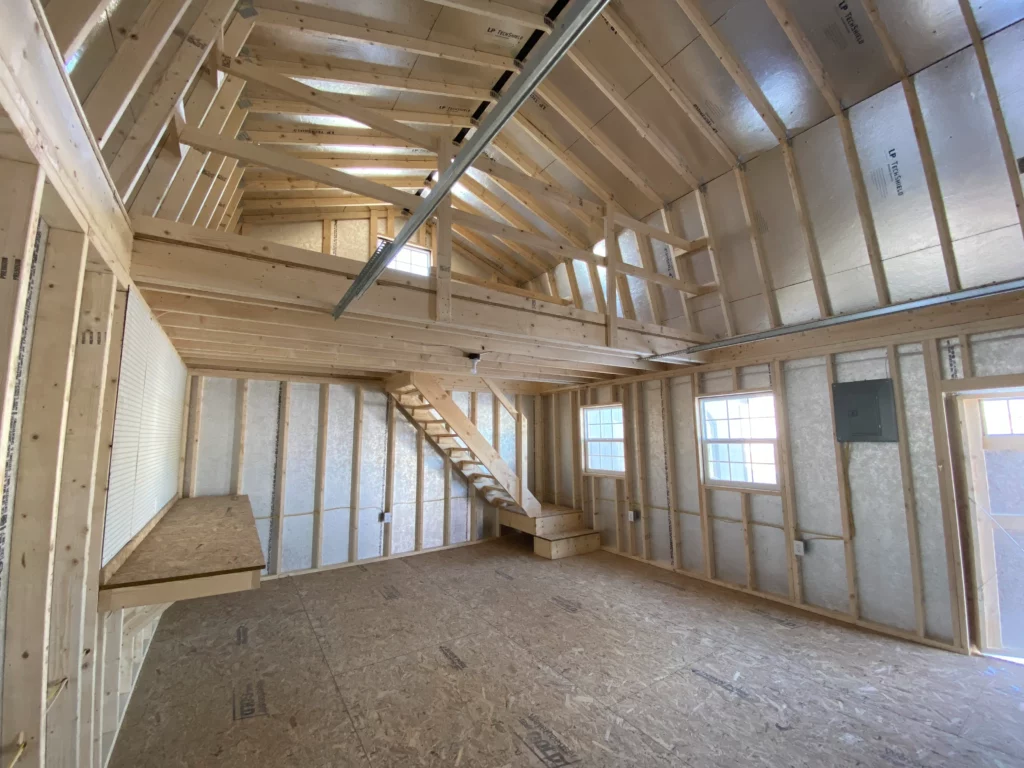
Garage width planning can vary depending on whether the garage is attached to the home or built as a detached structure. Attached garages often face tighter lot restrictions because they must integrate with the home’s footprint, architectural design, and property setbacks. Detached garages usually provide more flexibility because they can be positioned independently on the property without affecting the main home layout. This additional flexibility often allows homeowners to build wider garages with larger storage areas or dedicated workshop space.
Detached garages are especially popular among homeowners needing room for hobbies, lawn equipment, recreational vehicles, or woodworking projects. Because detached structures separate workspace from living areas, they also reduce noise and fumes entering the home itself. Homeowners interested in long-term flexibility often prefer detached garage layouts because they allow easier future expansion if additional storage or workspace becomes necessary. Wider detached garages frequently provide a more practical solution for homeowners balancing vehicle parking with workshop or storage needs.
Garage Door Width And Interior Layout Planning
Another important factor when considering how wide is a two car garage involves the garage doors themselves. Two-car garages may use one large double garage door or two separate single doors, depending on homeowner preference and overall layout design. Standard double garage doors are typically between 16 and 18 feet wide, while single garage doors commonly measure eight or nine feet wide each. Both setups have advantages depending on vehicle size, structural design, and daily usage patterns.
Separate garage doors often provide more flexibility because they allow independent access to each parking space while improving structural support between openings. One large double door, however, can create a cleaner visual appearance and may simplify parking alignment for some homeowners. Interior garage layout planning should also account for storage shelves, utility equipment, and walking space around vehicles. A garage that appears spacious on paper can quickly feel cramped if shelving systems, freezers, or workbenches consume valuable floor area without proper planning.
Storage Needs Often Require Wider Garages
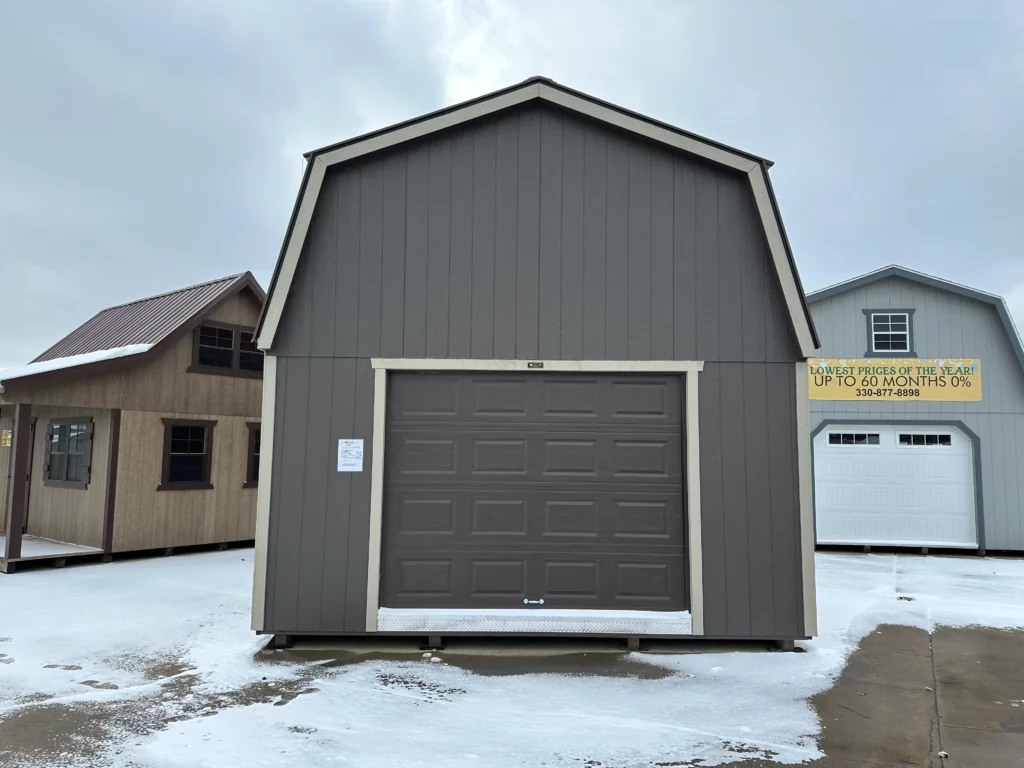
One reason many homeowners regret building smaller garages is that storage needs almost always grow over time. Holiday decorations, lawn equipment, bicycles, tools, outdoor furniture, and seasonal gear all compete for space alongside parked vehicles. Garages originally designed only for vehicle storage often become overcrowded once homeowners begin using them for everyday household organization and workshop activities.
Choosing a slightly wider garage creates more flexibility for shelving systems, cabinets, and organized storage without interfering with vehicle access. Homeowners planning hobby areas or workshops benefit even more from additional width because tools and workbenches quickly consume floor space.
Structures such as the 16×24 2 Story Workshop demonstrate how expanded garage-style buildings can combine parking, storage, and workspace functionality in a much more practical way. For many homeowners, garages eventually become multi-purpose spaces rather than simple shelters for vehicles.
Planning for Future Storage and Lifestyle Changes
When designing a garage, think beyond your current needs. Many homeowners purchase larger vehicles, add recreational equipment, or create workshop space after moving into their home. Planning for these changes during construction is usually far less expensive than expanding the garage later. Extra wall space also allows room for cabinets, shelving, bicycles, lawn equipment, and seasonal storage without reducing the available parking area. Building with future flexibility in mind helps ensure your garage remains practical as your family’s needs continue to evolve.
Should You Build A Wider Two-Car Garage
Many homeowners debating how wide is a two car garage eventually realize that slightly larger dimensions provide significantly more long-term convenience. While minimum-width garages may reduce upfront construction costs slightly, they often become frustrating as vehicle sizes and storage needs increase over time. Narrow garages leave little room for movement once both vehicles are parked, especially when shelves, freezers, or lawn equipment occupy wall space.
Building wider from the beginning often improves both functionality and resale value because buyers consistently appreciate garages with flexible storage and comfortable parking space. Extra width also reduces the likelihood of door dings, cramped walkways, and cluttered storage arrangements. Even an additional two or four feet can dramatically improve daily convenience. For homeowners planning to remain on the property long term, investing in a slightly larger garage usually provides far better usability and fewer limitations as household needs continue evolving.
Conclusion
Understanding how wide is a two car garage helps you choose dimensions that fit both your vehicles and your lifestyle. While a 20-foot-wide garage may work for smaller cars, many homeowners benefit from choosing a wider layout that provides additional parking clearance, storage space, and room to move comfortably. Planning carefully before construction can improve convenience, functionality, and long-term property value.
If you are planning a new garage, explore the quality buildings available at Ohio Cabins & Structures. To discuss your project or learn more about customization options, contact our team today.