As factory-built housing becomes more popular, many buyers find themselves comparing modular homes, manufactured homes, and trailers. Because these housing types are built off-site and transported to their final location, it’s easy to assume they are all the same. This often leads to an important question: is a modular home a trailer? The answer is no. Although modular homes and manufactured homes share some similarities during construction, they differ significantly in building standards, foundations, financing options, and long-term value. Understanding these differences can help buyers make more informed decisions when choosing the right home.
Understanding Modular Homes
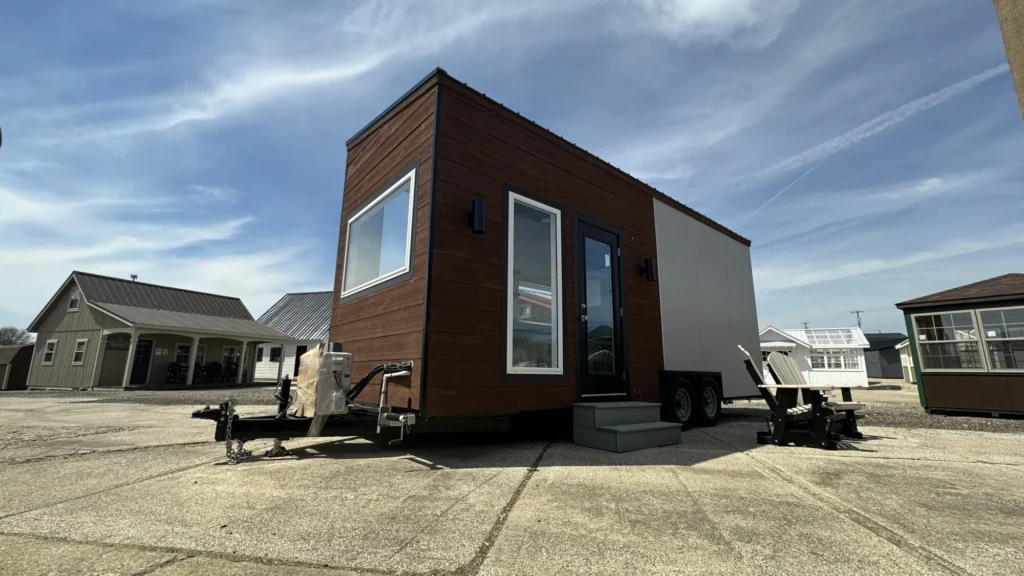
A modular home is built in sections, called modules, within a climate-controlled factory. These modules are then transported to a building site and assembled on a permanent foundation. Importantly, modular homes must adhere to the same local, state, and regional building codes as traditional site-built homes.
Once assembled, a modular home is virtually indistinguishable from a traditional home in appearance, quality, and performance. It is considered real property, appreciating in value over time and qualifying for traditional mortgage financing.
Understanding Trailers and Manufactured Homes
When people refer to trailers, they often mean manufactured homes or mobile homes. Manufactured homes are also factory-built but differ because they:
- Are built to federal HUD (Department of Housing and Urban Development) standards rather than local building codes.
- Are typically built on a steel chassis that remains attached, even after installation.
- May be placed on temporary supports rather than permanent foundations.
- Are often considered personal property unless permanently affixed to land.
While modern manufactured homes have improved in quality, they are still distinct from modular homes in construction, regulation, and valuation.
Real Property vs Personal Property
One of the biggest differences between modular homes and trailers involves how they are classified. A modular home becomes real property once it is installed on a permanent foundation, just like a traditional site-built house. This classification allows owners to access conventional mortgage financing and often helps the home appreciate over time.
Manufactured homes, on the other hand, may remain classified as personal property unless they are permanently attached to land and legally converted. This distinction can affect financing options, insurance requirements, taxes, and resale value. For many buyers, the ability to own a home that is treated like traditional real estate is a major advantage of modular construction.
Key Differences Between Modular Homes and Trailers
When asking “is a modular home a trailer,” it helps to look at specific areas of difference:
- Building Codes: Modular homes meet the same codes as site-built homes; manufactured homes follow HUD standards.
- Foundation: Modular homes are placed on permanent foundations like basements, crawl spaces, or slabs; trailers are often placed on steel frames and piers.
- Mobility: Modular homes are not designed to be moved after placement; trailers can be moved if necessary.
- Appreciation: Modular homes typically appreciate like traditional homes; trailers may depreciate over time unless properly installed on permanent land.
- Financing: Modular homes qualify for standard mortgages; financing for manufactured homes can be more limited or treated like personal property loans.
Understanding these differences clears up why modular homes are fully accepted by banks, insurance companies, and real estate markets alongside traditional construction.
Appearance and Customization
Another important distinction is appearance. Modular homes offer extensive customization options, including:
- Multiple stories
- Basements and garages
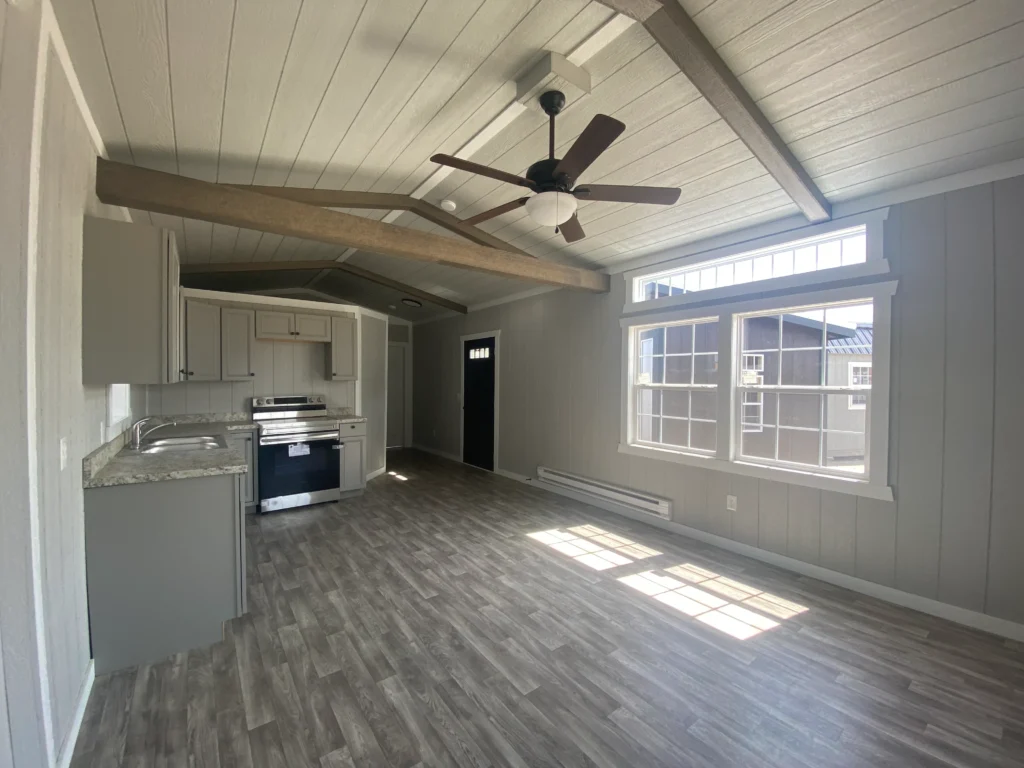
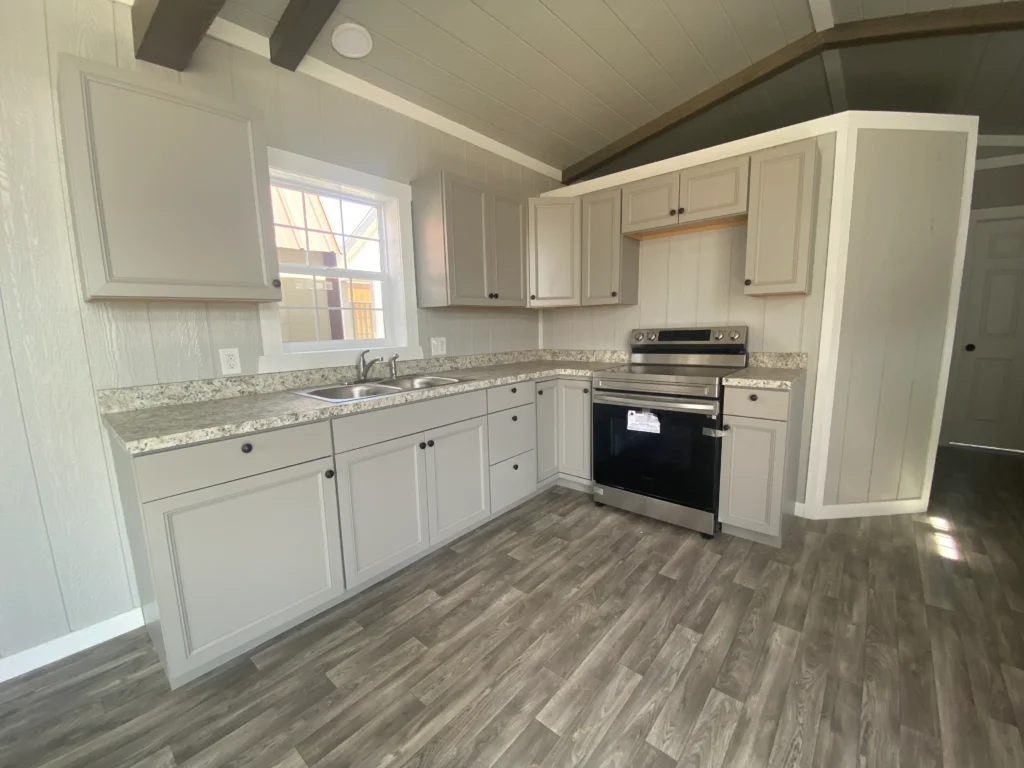
- High-end finishes like granite countertops and hardwood flooring
- Custom layouts, porches, and rooflines
Modular homes are available in a wide variety of architectural styles, including ranch homes, Cape Cod designs, two-story family homes, cottages, and modern contemporary layouts. Buyers can often customize floor plans, exterior finishes, rooflines, and interior features to match their preferences. This flexibility allows modular homes to blend seamlessly into neighborhoods where they are virtually indistinguishable from traditional site-built houses.
By contrast, manufactured homes, while offering improved aesthetics, generally have more standardized layouts and fewer high-end upgrade possibilities.
A modular home can be tailored to look exactly like a conventional stick-built house, while a trailer often retains elements of its mobile origins.
Why the Confusion Exists
The confusion around “is a modular home a trailer” often stems from outdated perceptions. Early manufactured homes (then called “mobile homes”) were smaller, simple, and designed for portability, leading to negative stereotypes.
Today, modular homes represent a completely different category of construction, offering all the benefits of factory-built precision without the limitations or stigma associated with trailers.
Resale Value and Long-Term Investment
Many buyers ask whether modular homes hold their value over time. In most cases, modular homes appreciate similarly to traditional homes when they are properly maintained and located in desirable areas. Because they are built to local building codes and placed on permanent foundations, appraisers and lenders generally evaluate them using the same methods as site-built homes.
This can make modular homes an attractive long-term investment. While market conditions always influence property values, modular homes typically offer stronger appreciation potential than housing types that remain classified as personal property.
Advantages of Modular Homes
Choosing a modular home offers many benefits:
- Faster Construction: Building indoors eliminates weather delays.
- Quality Control: Factory environments maintain consistent building standards.
- Energy Efficiency: Modular homes often include energy-saving features.
- Durability: Engineered to meet stringent building codes.
- Resale Value: Appreciates over time when properly maintained.
Modular construction offers flexibility, beauty, and long-term value that rivals and often surpasses traditional stick-built homes.
Ohio Cabins & Structures: Quality Modular Living Solutions
Choosing the right builder is an important part of any modular home project. Buyers should look for companies that understand local building codes, foundation requirements, energy efficiency standards, and customization options. Working with an experienced builder helps ensure the finished home meets both structural and aesthetic expectations.
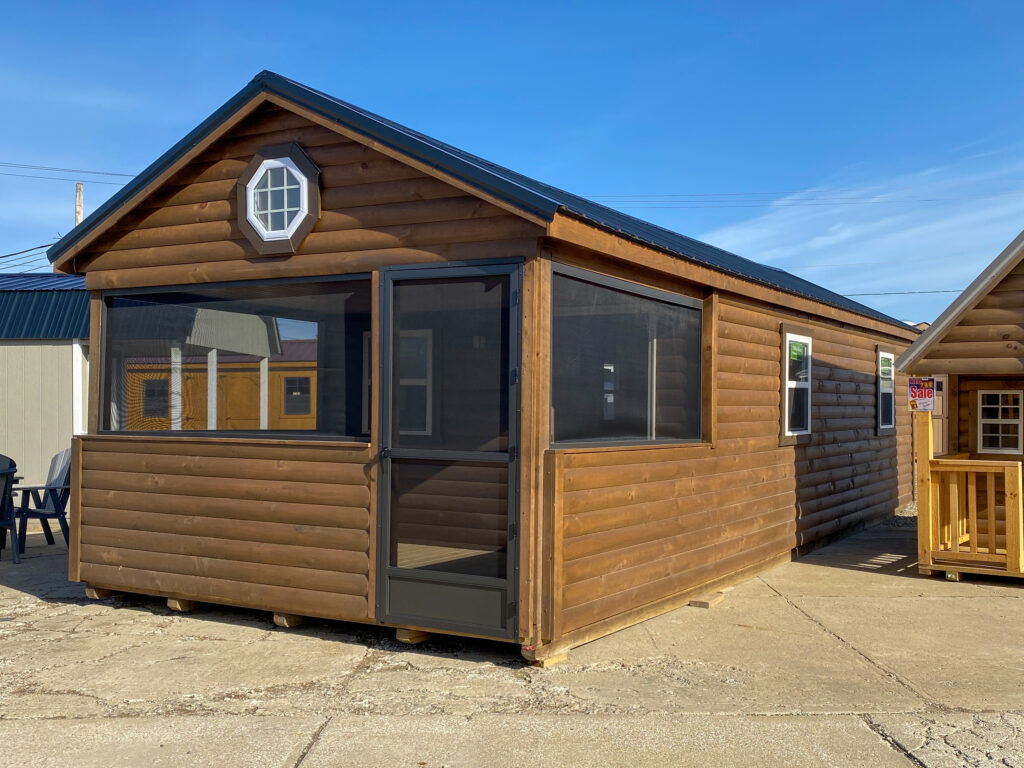
Ohio Cabins & Structures offers modular cabins, cottages, and homes designed for long-term durability and everyday living. Their structures are built to meet or exceed local building requirements while providing flexible floor plans and customization options for a variety of lifestyles. Whether you’re planning a primary residence, vacation retreat, or investment property, their team can help guide you through the modular home process.
Conclusion
So, is a modular home a trailer? No. While both modular and manufactured homes are built in factory settings, modular homes follow local building codes, sit on permanent foundations, qualify for traditional financing, and are treated as real estate. These differences allow modular homes to offer many of the same benefits as site-built houses, including customization, appreciation potential, and long-term durability.
Understanding these distinctions can help buyers make more confident housing decisions. If you’re exploring modular living options, Ohio Cabins & Structures offers high-quality solutions that combine modern construction efficiency with the lasting value of traditional homeownership.