
Many homeowners eventually ask, how should I insulate my garage, especially after dealing with freezing winters, hot summers, or rising utility bills. Garages often receive little insulation during construction, allowing outdoor temperatures to affect both the space itself and nearby rooms inside the home. Whether you use your garage for parking, storage, a workshop, or another purpose, proper insulation can improve comfort, protect your belongings, and increase energy efficiency. Understanding when garage insulation makes sense will help you decide whether it is a worthwhile investment for your home.
How an Uninsulated Garage Affects Your Home
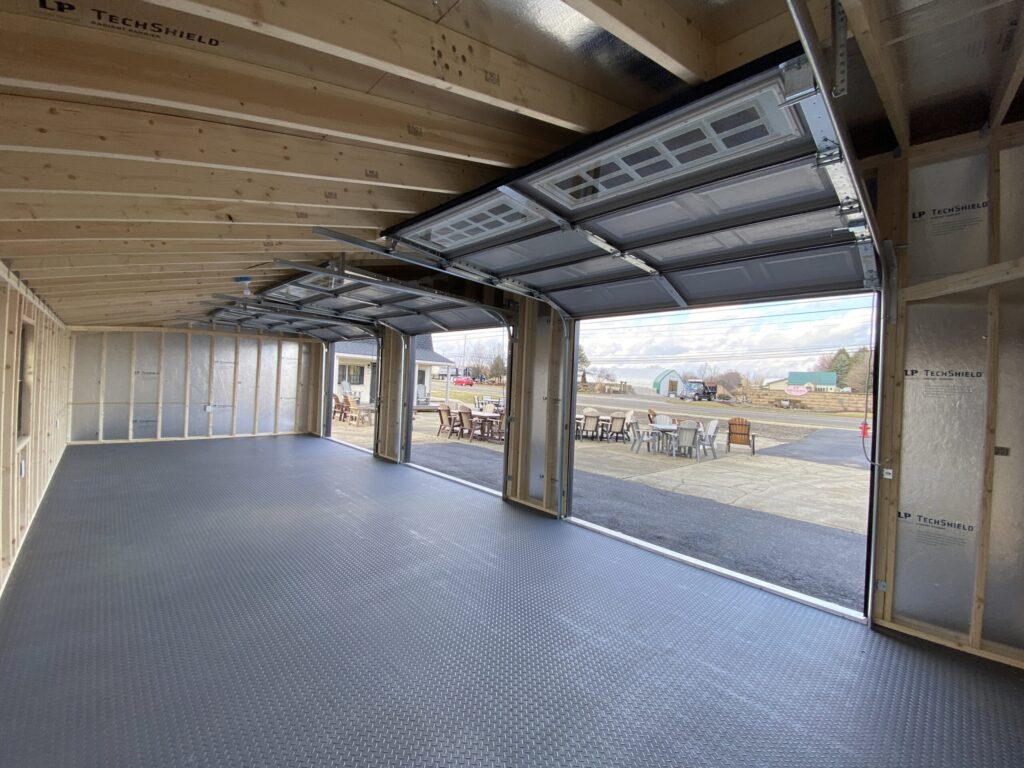
An uninsulated garage allows outside temperatures to move freely through walls, ceilings, and doors. During winter, cold air settles into the space and pulls warmth from nearby rooms. During summer, heat builds up and radiates toward the house. In attached garages, this temperature transfer increases heating and cooling demands indoors. In addition, cold garage walls often create drafts and condensation, which can damage stored items. Because garages usually have concrete floors, cold transfers upward and lowers overall comfort. Over time, temperature swings also stress building materials. Insulating the garage reduces these effects by slowing heat movement and stabilizing indoor conditions.
Should I Insulate My Garage If It Is Attached?
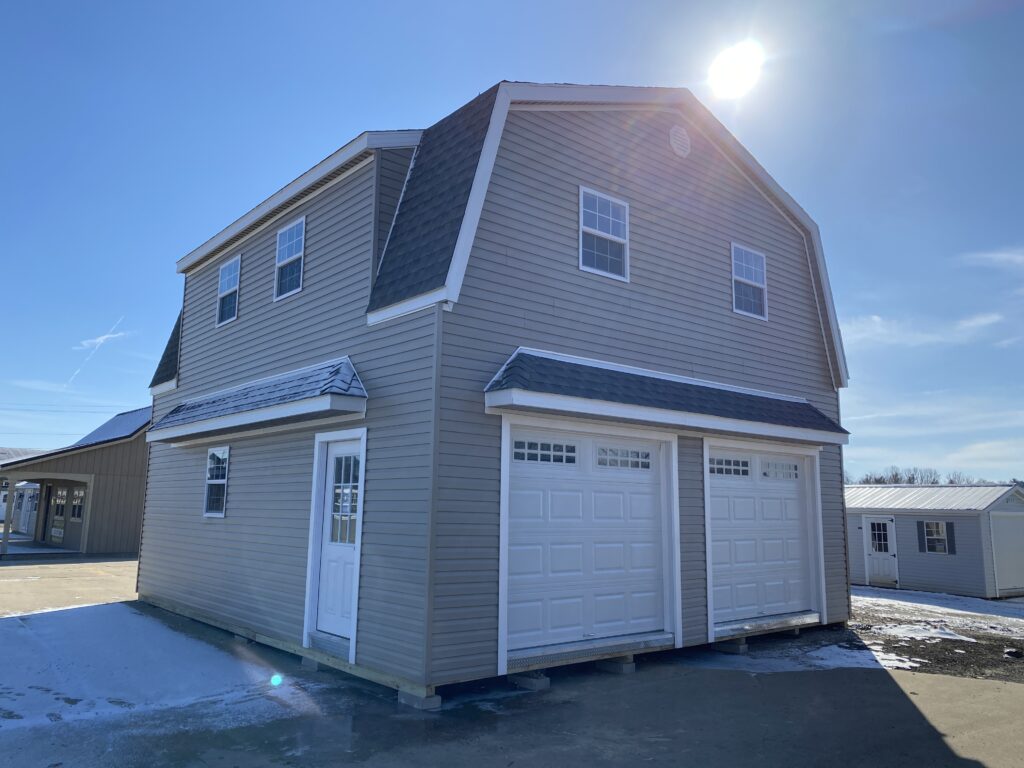
Attached garages benefit the most from insulation because they share walls or ceilings with living spaces. Without insulation, cold or hot air from the garage transfers directly into the home. This makes nearby rooms harder to heat in winter and harder to cool in summer. Insulating shared walls helps create a thermal barrier that improves indoor comfort. Ceiling insulation also matters when bedrooms or living areas sit above the garage. In addition, insulation improves sound control and reduces noise from vehicles or tools. Because of these advantages, insulating an attached garage often delivers noticeable improvements in both comfort and energy efficiency.
Should I Insulate My Garage If It Is Detached?
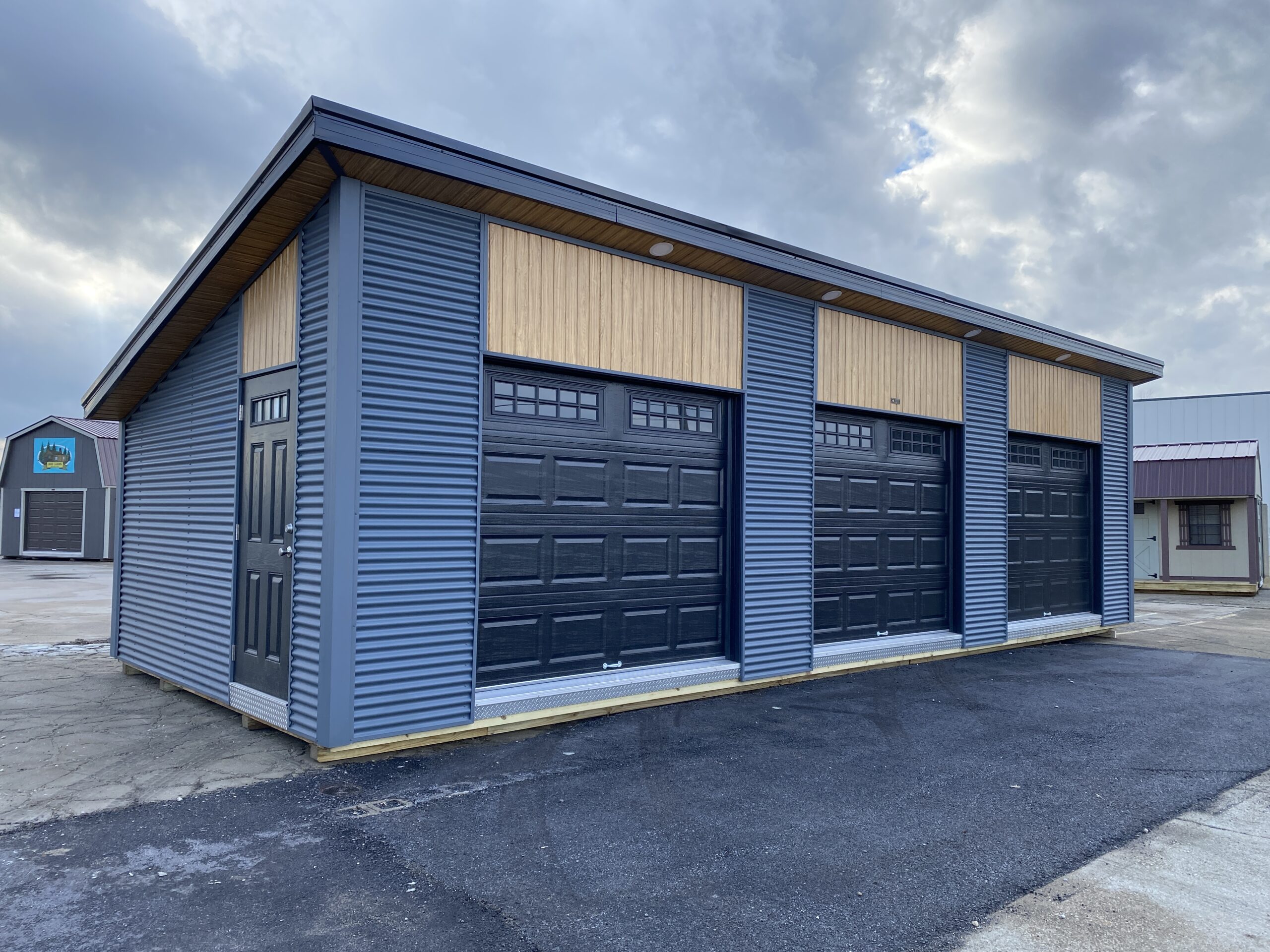
Detached garages present a different situation. Since they do not share walls with the house, insulation may not be necessary for energy savings. However, insulation still improves comfort inside the space. Homeowners who use detached garages as workshops, storage areas, or hobby spaces often benefit from insulation. It helps maintain more stable temperatures and makes heating or cooling more effective. Insulation also protects stored items from extreme cold or heat. In regions with harsh winters or summers, insulating a detached garage improves usability and protects long-term investments.
Benefits of Insulating Garage Walls
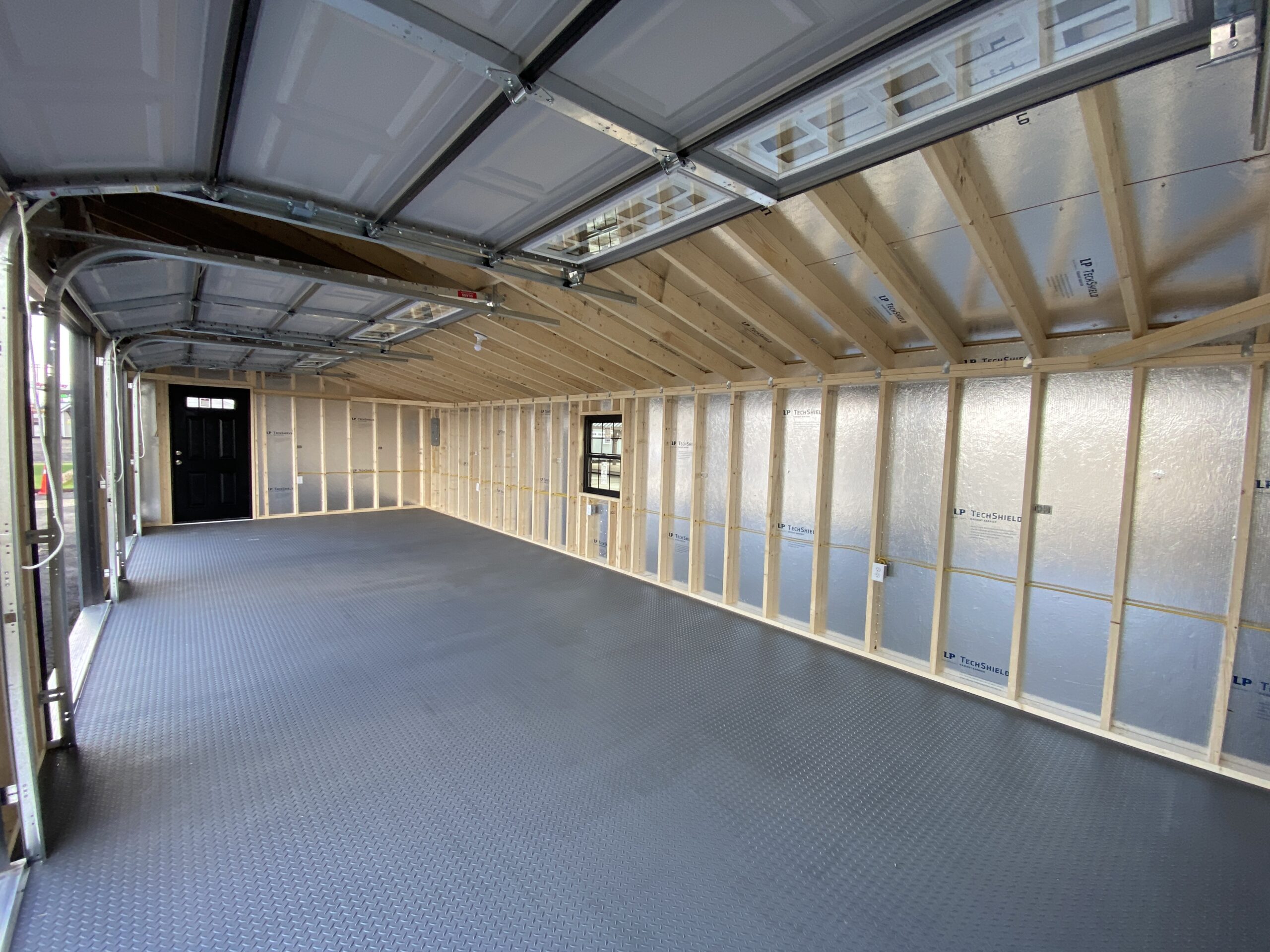
Wall insulation provides one of the biggest comfort improvements in a garage. Without insulation, exterior walls allow heat to escape quickly in winter and enter easily in summer. Fiberglass batts work well in framed walls, while rigid foam board and spray foam offer stronger performance by limiting air movement. Properly insulated walls reduce drafts and help maintain consistent temperatures. In attached garages, wall insulation also reduces heat transfer into the home. Over time, insulated walls make the garage easier to heat and more comfortable to use year-round.
Why Garage Ceiling Insulation Matters
Ceiling insulation plays a critical role, especially when living space sits above the garage. Warm air rises, so heat loss through the ceiling can be significant without insulation. Adding insulation above the garage traps warmth and prevents cold transfer into the house. In detached garages, ceiling insulation still helps slow heat loss through the roof. Fiberglass batts, blown-in insulation, and spray foam all work depending on construction. Proper ventilation should remain in place to prevent moisture buildup. When ceiling insulation is installed correctly, it improves both garage comfort and indoor temperature stability.
Insulating the Garage Door
The garage door often represents the weakest thermal point in the entire structure. Standard metal doors offer little resistance to temperature changes. Insulated garage doors reduce heat loss significantly and improve winter comfort. For existing doors, insulation kits add foam panels that limit heat transfer. Weatherstripping around the door frame seals gaps and blocks drafts. A tight bottom seal is especially important because cold air settles near the floor. Improving the garage door often produces immediate results and enhances the effectiveness of wall and ceiling insulation.
Energy Efficiency and Cost Savings
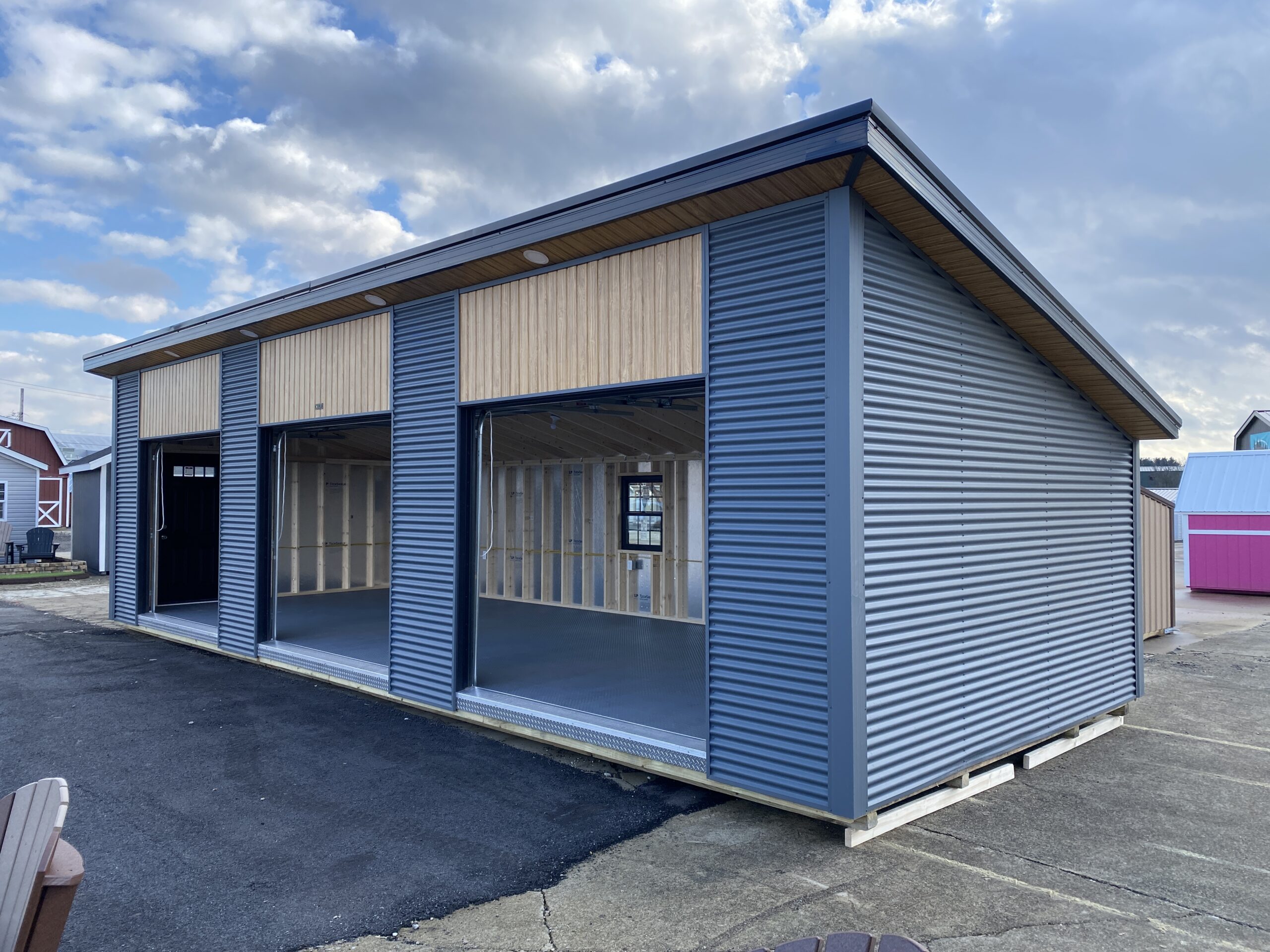
Insulating a garage improves energy efficiency by reducing heat transfer and stabilizing temperatures. In attached garages, this lowers heating and cooling demands inside the home. As a result, HVAC systems run more efficiently and experience less strain. Although insulation requires an upfront investment, it often leads to long-term savings. According to the U.S. Department of Energy, proper insulation reduces energy loss and improves overall comfort. Energy savings vary by climate and usage, but insulation generally improves efficiency.
Moisture Control and Indoor Air Quality
Insulation also helps manage moisture inside the garage. Temperature swings often lead to condensation on walls and ceilings. Insulated surfaces stay warmer and reduce moisture buildup. This protects stored items and lowers the risk of mold growth. In attached garages, insulation and air sealing also help prevent fumes from entering the home. Managing moisture improves comfort and protects building materials over time.
When Insulating a Garage May Not Be Necessary
In some cases, insulating a garage may not provide significant benefits. Garages used only for vehicle storage in mild climates may not require insulation. If the space is rarely occupied and does not affect indoor comfort, insulation may not be cost-effective. However, even in these situations, insulating the shared wall in an attached garage still improves energy efficiency and safety. Evaluating how the garage is used helps determine whether insulation makes sense.
Planning Garage Insulation Correctly
Proper planning ensures insulation performs as intended. Homeowners should address air sealing before installing insulation to prevent drafts. Choosing materials suited to the climate and garage use also matters. Fire-rated insulation may be required for attached garages to meet building codes. Professional guidance helps ensure insulation meets safety and performance standards. Resources from Ohio Cabins and Structures help homeowners understand structural considerations and plan improvements correctly.
Choosing the Right Insulation Material
The best insulation for your garage depends on the wall construction, your budget, and how you use the space. Fiberglass batts remain a popular choice because they are affordable and easy to install in framed walls. Rigid foam board provides a higher insulating value while reducing air movement, making it a good option for garages with limited wall depth. Spray foam creates an effective air seal and delivers excellent thermal performance, although it generally costs more than other materials. Comparing the advantages of each option helps homeowners select insulation that matches their long-term goals and local climate.
Conclusion
Should I insulate my garage? For many homeowners, the answer is yes. Proper insulation improves comfort, protects stored belongings, reduces energy loss, and creates a more usable space throughout the year. Attached garages often see the greatest benefits because insulation helps limit heat transfer into the home, while detached garages become more comfortable for storage, hobbies, or workshop use. If you are planning a new garage or upgrading an existing structure, explore the quality buildings available at Ohio Cabins & Structures. For expert guidance on selecting the right structure for your property, contact our team today.