
If you have ever wondered what is a playhouse, the simple answer is that it is a child-sized structure designed to encourage imaginative play. Whether it looks like a cozy cottage, a miniature cabin, or a colorful backyard house, a playhouse gives children a space where they can create stories, build confidence, and enjoy outdoor fun. Modern playhouses range from simple DIY projects to professionally built wooden structures that become a lasting part of family life.
Defining a Playhouse
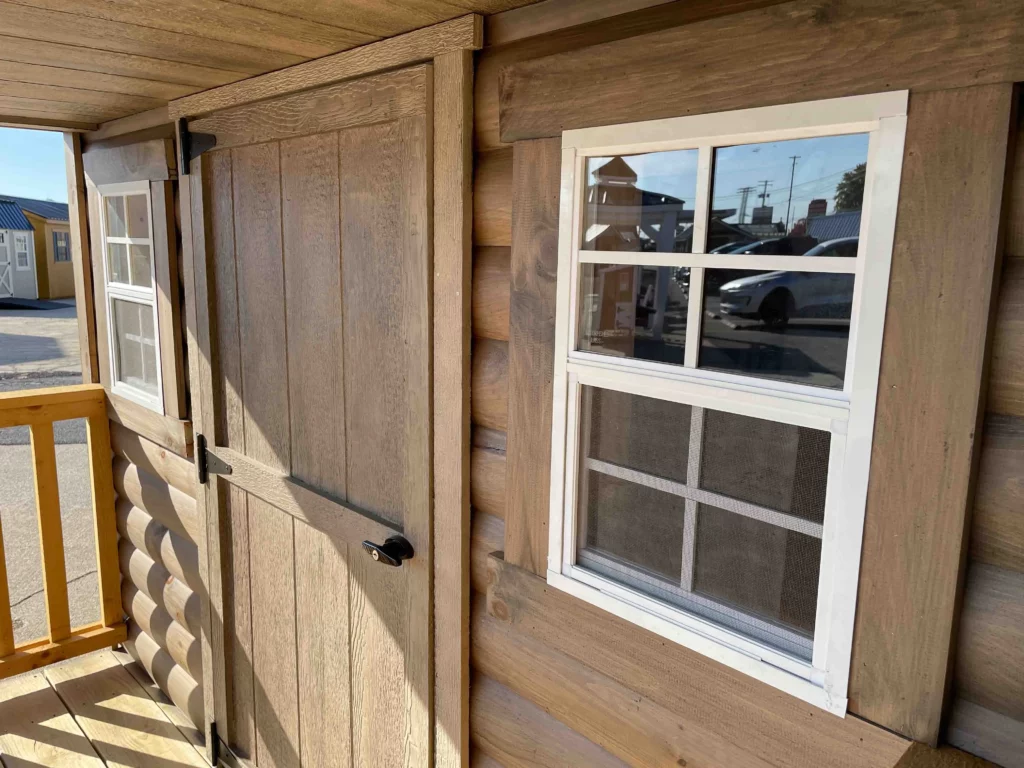
A playhouse is a small, child-sized structure designed to resemble a real house or other building where kids can engage in imaginative activities. Playhouses can be as simple as a wooden frame with a roof or as elaborate as two-story replicas of full homes, complete with porches, lofts, and play kitchens.
Typically constructed for outdoor use in backyards, playhouses can also be built indoors, offering a year-round space for creative exploration. They range from DIY builds made from pallets and scrap wood to professionally crafted prefab structures built to last for generations.
How to Choose the Best Playhouse for Your Family
Selecting the right playhouse starts with understanding how your children will use it over the next several years. Younger children often enjoy simple layouts with wide doorways, low windows, and open floor space for imaginative games. As children grow, they may appreciate larger structures with lofts, porches, climbing features, or built-in play kitchens that encourage more creative activities. Choosing a playhouse that can adapt as your family grows provides greater long-term value.
Space is another important consideration. Measure your backyard carefully before selecting a design, making sure there is enough room around the structure for safe play and easy maintenance. Parents should also consider materials that withstand local weather conditions while requiring minimal upkeep. Pressure-treated wood and quality roofing materials help outdoor playhouses remain attractive and durable for many years.
Finally, think about future customization. Adding flower boxes, small furniture, outdoor lighting, chalkboards, or decorative paint allows families to personalize the playhouse and keep it exciting as children’s interests change. Investing in a well-built playhouse creates a backyard feature that encourages imagination, outdoor activity, and family memories for years to come.
Key Features of a Playhouse
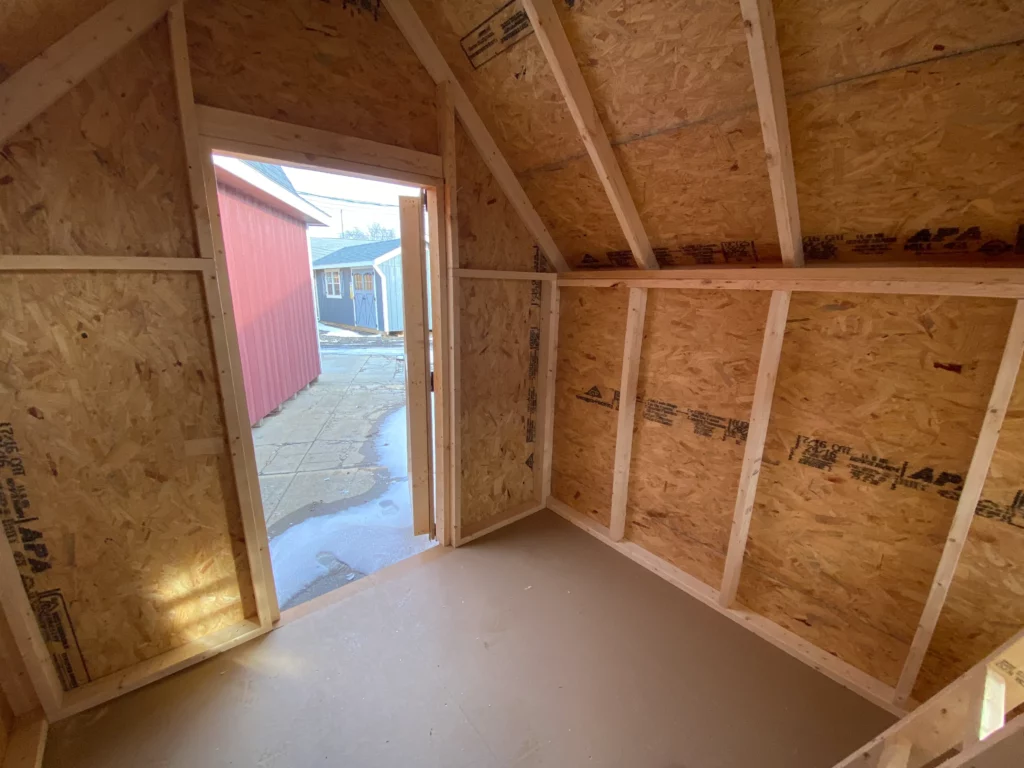
While designs vary widely, most playhouses include several common features:
- Walls and a roof to define a space and provide shelter
- Doorways and windows to mimic real homes
- Open interior areas for unstructured play
- Add-ons like porches, slides, climbing walls, or lofts to enhance fun
The best playhouses are safe, weather-resistant, and tailored to a child’s interests and imagination.
Types of Playhouses
Understanding what a playhouse is includes recognizing the many different styles available to families today:
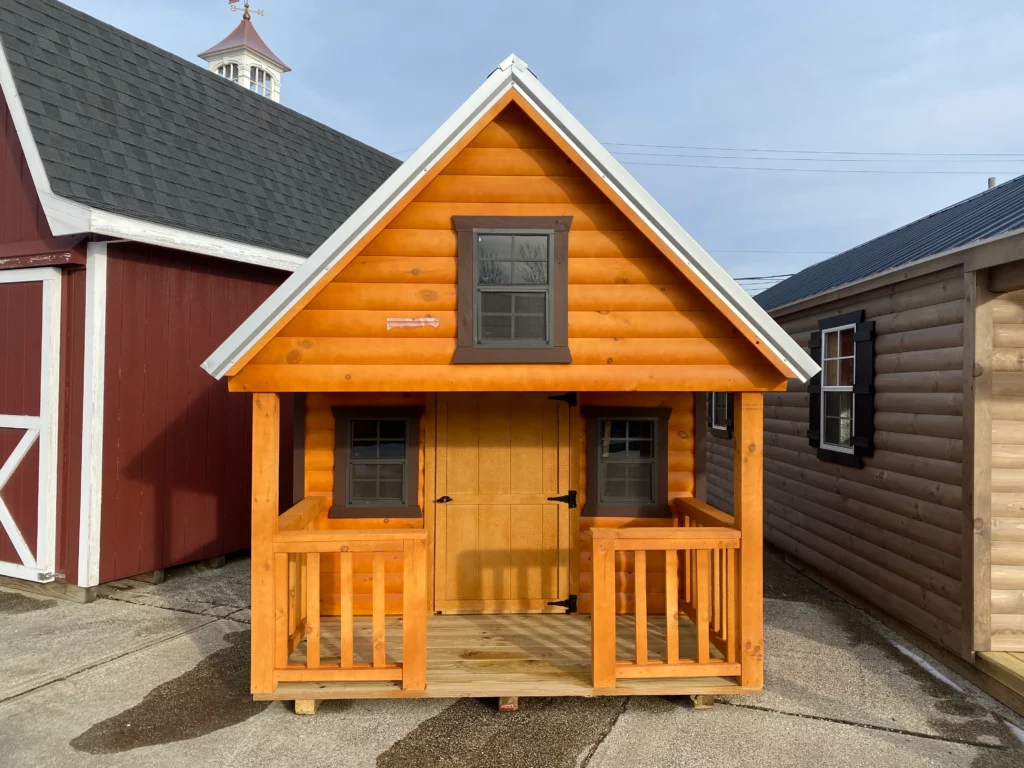
- Traditional Wooden Playhouses: Classic designs featuring basic house structures, often painted in bright, inviting colors.
- Treehouses: Elevated structures built into or around trees, offering an adventurous twist.
- Pallet Playhouses: Eco-friendly and budget-friendly options made from reclaimed wood.
- Fabric or Tent Playhouses: Portable, lightweight options perfect for indoor use.
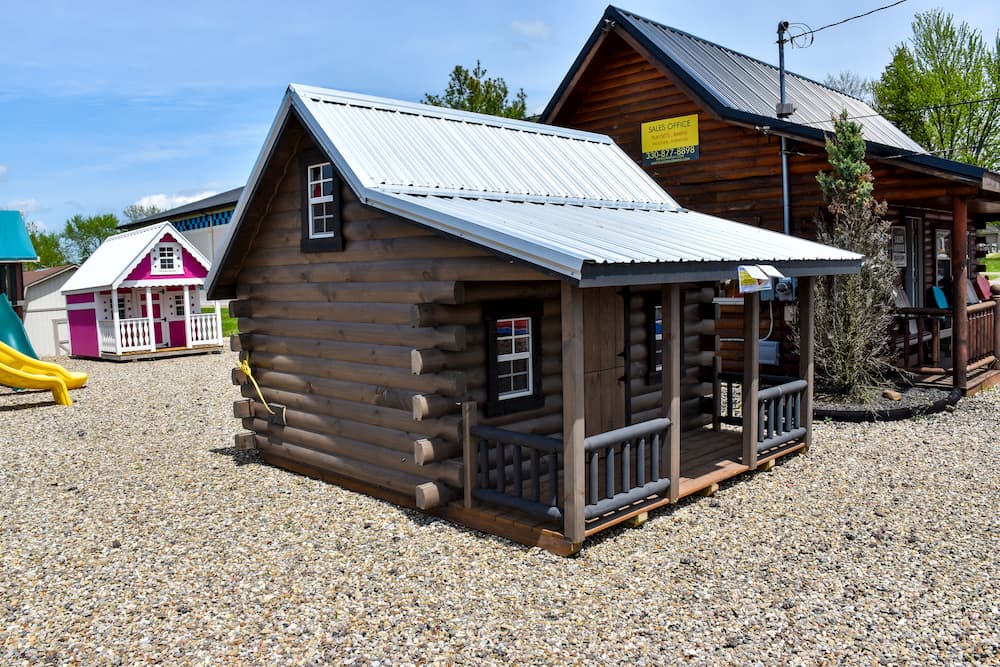
- Prefab Playhouses: Professionally built structures, like those from Ohio Cabins & Structures, crafted for long-lasting durability and charm.
Each type of playhouse offers different advantages depending on space, budget, and the age of the children who will use it.
If you are looking for a long-lasting outdoor playhouse, explore our playhouse collection to compare different styles designed for growing families.
Benefits of Playhouses for Children
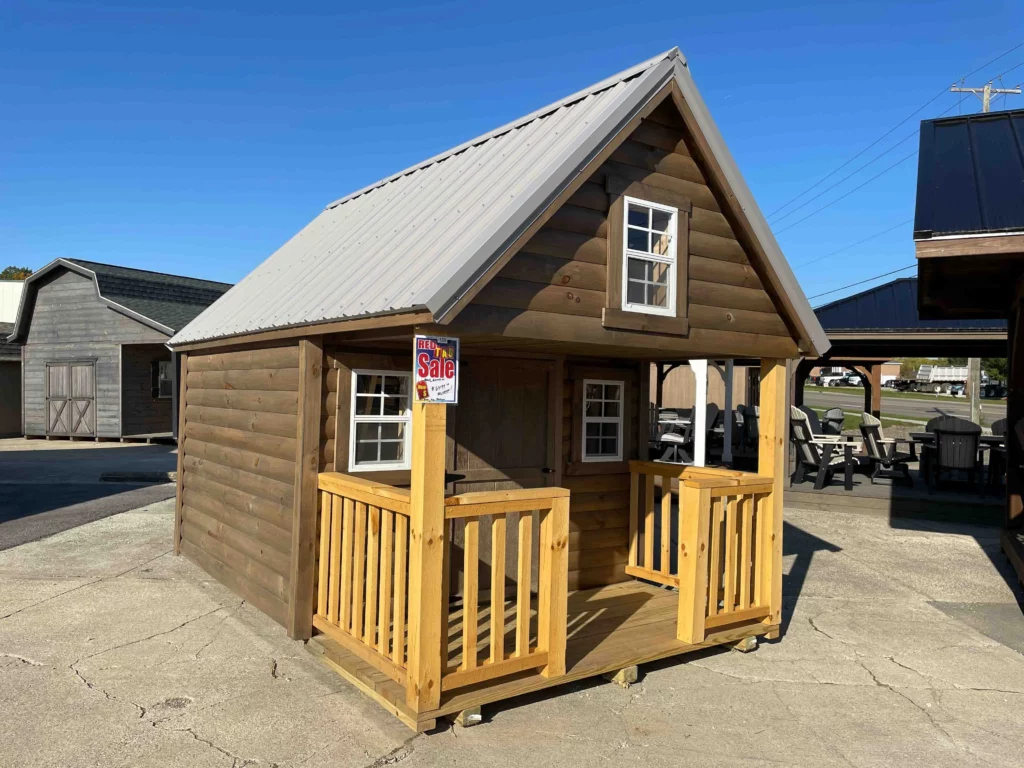
A playhouse is much more than a structure; it’s a developmental tool that supports:
- Imaginative Play: Children can role-play, invent stories, and act out real-world scenarios.
- Physical Activity: Climbing, crawling, and running around the playhouse promote healthy movement.
- Social Skills: Sharing the space with siblings and friends encourages cooperation, communication, and conflict resolution.
- Independence: Having a “home of their own” fosters responsibility, problem-solving, and a sense of ownership.
- Emotional Development: A personal play space gives children a retreat where they feel safe and empowered.
These benefits make playhouses an important addition to any child’s environment, encouraging both mental and physical growth.
Materials Used to Build Playhouses
Depending on the design and budget, playhouses can be built from:
- Wood: The most traditional and durable choice, providing a realistic feel and long lifespan.
- Plastic: Lightweight and weather-resistant, often used for smaller, prefabricated units.
- Metal: Rare but sometimes used for frames or accents.
- Fabric: Used in portable indoor playhouses and tents.
For outdoor playhouses, wood remains the top choice for its strength, natural aesthetics, and ease of customization.
Safety Considerations
Building or buying a playhouse involves important safety considerations:
- Use child-safe, non-toxic paints and finishes.
- Ensure all materials are free from splinters, sharp edges, and loose hardware.
- Design doorways and windows wide enough to prevent children from getting stuck.
- Anchor the structure securely to prevent tipping during high winds.
Routine inspections and maintenance help extend the life of the playhouse and ensure ongoing safety.
How Playhouses Evolve with Children
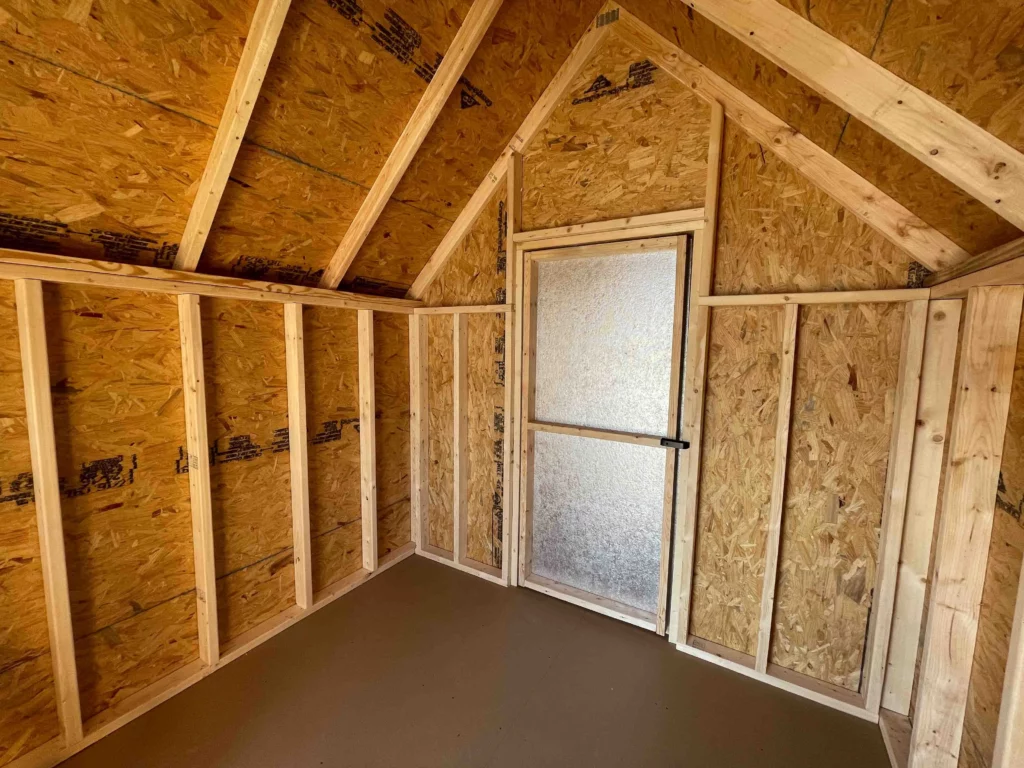
While a playhouse may start as a toddler’s fairy tale castle, it can evolve as children grow. With minor modifications, it can become a clubhouse, art studio, reading nook, or quiet retreat for older kids. This flexibility ensures that a well-built playhouse remains relevant and beloved for years.
Many families choose to add accessories over time, such as:
- Solar-powered lights
- Blackboards or whiteboards
- Storage bins for toys
- Outdoor furniture sized for children
This adaptability keeps the playhouse exciting and useful through different stages of childhood. For additional inspiration on backyard projects and outdoor play ideas, visit resources like Family Handyman.
Where Should You Place a Playhouse?
Choosing the right location is just as important as choosing the playhouse itself. A level area with good drainage helps keep the structure stable and reduces the chance of standing water after heavy rain. Parents should also place the playhouse where it is easy to supervise from the house or patio while leaving enough open space for children to run and play safely. Installing the playhouse away from low-hanging branches, swimming pools, and busy driveways creates a safer environment and allows children to enjoy their own outdoor space with greater peace of mind.
Conclusion
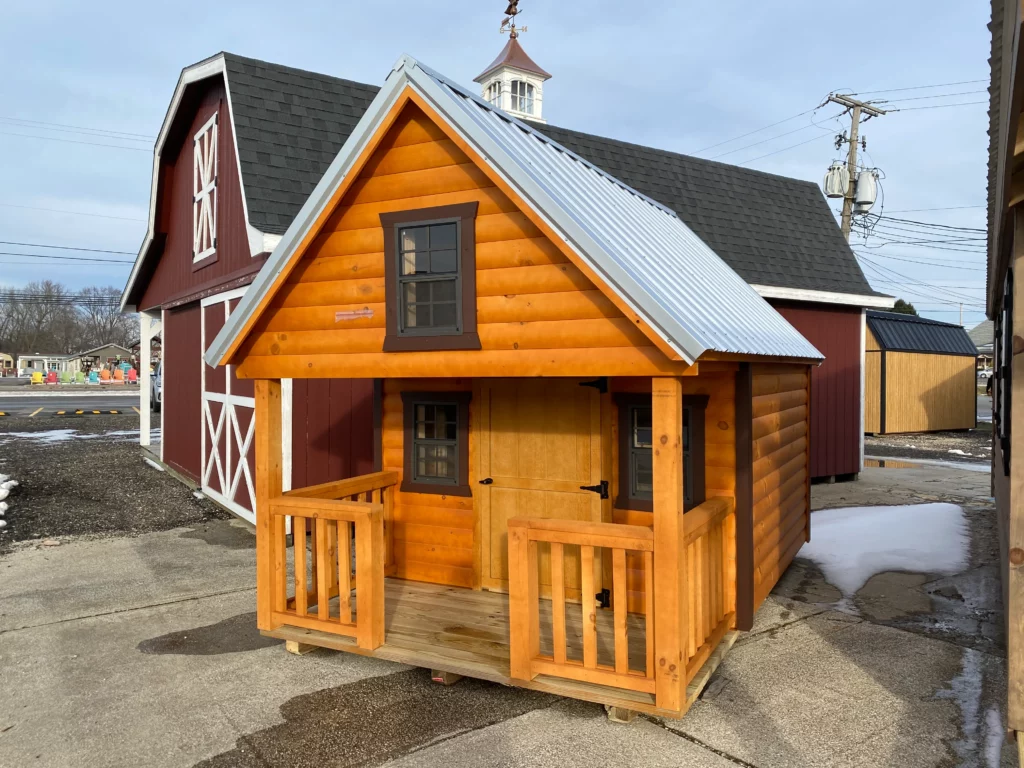
Understanding what a playhouse is helps parents choose a space that supports creativity, outdoor activity, and independent play. A well-designed playhouse provides much more than entertainment. It becomes a place where children learn, imagine, and create lasting memories with family and friends. If you are ready to add a quality playhouse to your backyard, explore the handcrafted options available at Ohio Cabins & Structures. For personalized recommendations, contact our team and let us help you find the perfect fit for your family.