Log cabins are admired for their strength, warmth, and natural beauty, but what keeps them airtight and weather-resistant is something many people overlook , the chinking. Chinking is one of the most important parts of a log cabin’s construction and maintenance. It fills the gaps between logs, sealing the home against drafts, moisture, and pests while giving the cabin its distinct rustic look. At Ohio Cabin and Structures, we know that quality craftsmanship depends on the small details that protect your investment for decades. Understanding what chinking is and how it works helps cabin owners maintain their homes’ durability and comfort through every season.
What Is Log Cabin Chinking?
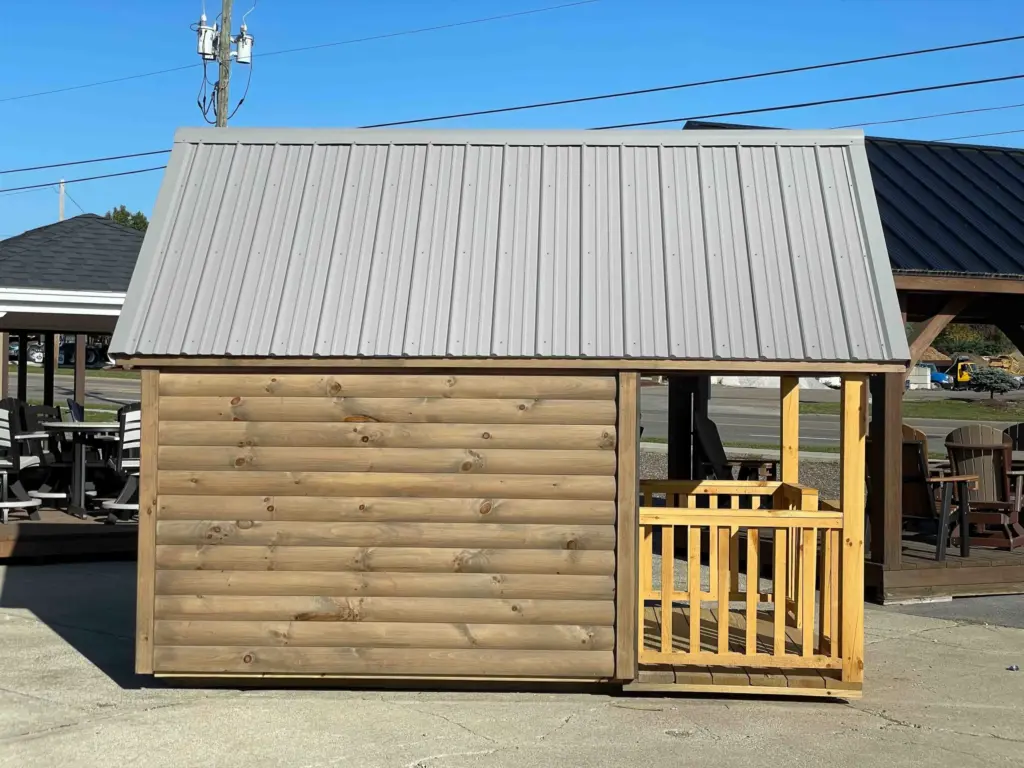
Chinking is the flexible sealant applied between the horizontal logs of a cabin. It acts as both an insulator and a barrier against the elements. Historically, early settlers used natural materials such as clay, mud, straw, lime, or even animal hair to fill the gaps between logs. These materials provided some insulation but required frequent maintenance as they cracked or washed away over time. Modern chinking has come a long way. Today, it’s made from synthetic compounds like acrylic latex or polyurethane that remain elastic, weatherproof, and durable. Modern chinking moves with the logs as they expand and contract due to temperature and humidity changes, something traditional materials couldn’t handle.
Why Chinking Is Necessary
Even when logs are perfectly shaped, they’re never identical. Natural variations mean small gaps exist between them. Without chinking, those gaps let in cold air, insects, and moisture, which can lead to rot or mold. Chinking fills and seals these spaces while allowing the logs to “breathe” naturally, balancing insulation with ventilation. In regions with cold winters or humid summers, like Ohio, chinking is especially important for keeping energy costs down and maintaining indoor comfort. It also gives the cabin a clean, finished appearance, highlighting the natural grain and color of the logs.
How Modern Chinking Works
Modern chinking materials are designed to stay flexible for decades. They stretch and compress as the logs move, maintaining a consistent seal that prevents leaks. Unlike traditional mortar-based mixtures, modern chinking doesn’t harden completely. It bonds securely to the log surfaces while remaining elastic inside. Most products today are made from acrylic latex and can be tinted to match the wood color. The combination of durability and flexibility makes it ideal for new builds and restoration projects alike.
The Chinking Installation Process
Installing chinking takes careful preparation and precision. Here’s how professionals typically apply it:
- 1. Cleaning and prepping: The gaps between logs are cleaned of debris, old chinking, or loose wood fibers.
- 2. Backer rod placement: A foam rod is inserted into the joint to provide a base for the chinking. This ensures proper thickness and prevents excessive product use.
- 3. Applying the chinking: The chinking compound is applied over the backer rod using a caulking gun or trowel. It’s then smoothed out for an even finish.
- 4. Drying and curing: Depending on the product, chinking can take several days to fully cure and bond.
Once cured, it forms a watertight, flexible barrier that lasts for years with minimal upkeep.
Choosing the Right Chinking Material
There are several chinking products available, but the right one depends on climate, log type, and personal preference. Acrylic latex chinking is the most common because it’s easy to apply, long-lasting, and compatible with most wood treatments. Silicone and polyurethane-based chinking are also used but tend to be less breathable, which can trap moisture in the logs if not applied correctly. Homeowners can choose from a range of colors to complement the logs’ natural tone. Some prefer light chinking for contrast, while others match it closely for a seamless look. Many products can also be painted or stained once cured.
Maintaining Log Cabin Chinking
Although modern chinking can last decades, it still needs regular inspection. Seasonal temperature changes cause logs to expand and contract, which can stress the chinking over time. Checking for cracks or small separations once a year ensures minor issues don’t become major repairs. If you notice any peeling or separation, clean the area and apply a fresh layer of chinking to reseal it. Regular maintenance keeps your log cabin energy-efficient and prevents water infiltration that could damage the structure.
Energy Efficiency and Comfort
Chinking plays a major role in insulation. Without a good seal, heat loss in winter and air leakage in summer can make temperature control difficult. Properly applied chinking creates an airtight seal that improves comfort and reduces heating and cooling costs. This is especially important for cabins used year-round. When combined with energy-efficient windows and insulated roofs, chinking helps maintain a consistent indoor temperature, making log homes as efficient as modern constructions.
Chinking vs. Caulking
While the terms are often used interchangeably, chinking and caulking serve slightly different purposes. Caulking is thinner and used for small gaps or cracks, while chinking is thicker and more flexible, designed for larger joints between logs. Most log cabin builders use both. Caulking seals small cracks around doors and windows, while chinking provides the main protective layer between log rows. The combination ensures the cabin stays airtight and weather-resistant from top to bottom.
DIY Chinking vs. Professional Installation
Some homeowners choose to apply chinking themselves, especially for small touch-ups. While DIY kits are available, large-scale applications are best handled by professionals. Experienced installers know how to apply chinking evenly and ensure it bonds properly to prevent future issues. Professional chinking also guarantees better longevity and visual appeal. The process requires specialized tools and an understanding of log movement, which can vary depending on wood species and moisture levels.
Chinking and Aesthetics
Chinking doesn’t just protect the cabin it enhances its appearance. The contrasting lines between logs create a classic log home look. Some homeowners prefer a wide, traditional chinking joint for a rustic aesthetic, while others choose narrow, subtle joints for a modern finish. Color choice makes a big difference too. White or light gray chinking highlights the structure, while earth tones blend in with the natural wood for a smoother look. You can even combine tones for decorative effects that emphasize craftsmanship.
Chinking in Restoration Projects
Older log cabins often need new chinking as part of restoration. Over the years, natural materials dry out or crumble, creating gaps that let in air and water. Removing old chinking and replacing it with modern materials revitalizes the cabin’s structure and improves energy efficiency. When restoring a historic cabin, it’s important to choose a chinking product compatible with the wood’s condition and existing finishes. This prevents adhesion problems and preserves the building’s original character.
Eco-Friendly Chinking Options
Many modern chinking materials are now made with environmentally friendly formulas that contain fewer VOCs (volatile organic compounds). These options reduce harmful emissions and create a safer indoor environment. Eco-conscious builders and homeowners can find sustainable choices without sacrificing performance. For more information on energy efficiency and eco-friendly materials, visit the U.S. Department of Energy for practical resources and tips on sustainable building practices.
Choosing the Right Builder or Supplier
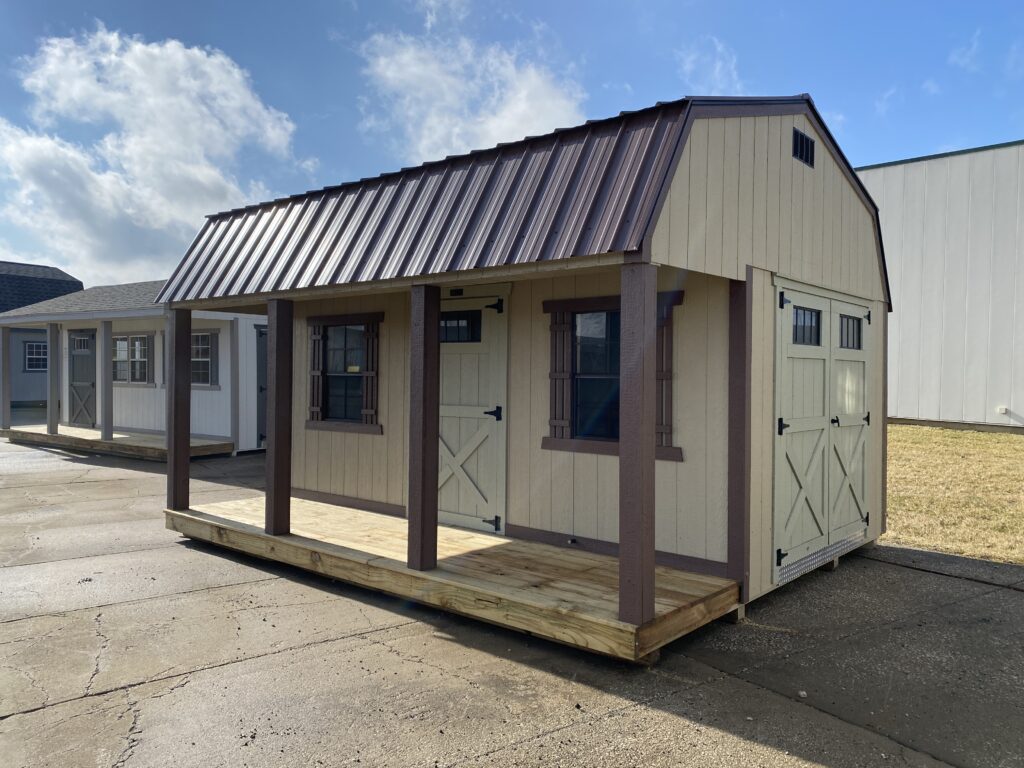
The longevity of your chinking depends not just on the product but on the skill of the installer. Working with experienced builders ensures that the materials are applied properly and that the cabin’s design supports long-term performance. For high-quality cabins and materials designed to last, explore the models available at Ohio Cabin and Structures’ 12×16 A-Frame Cabin, built for strength, comfort, and natural beauty. Combining skilled craftsmanship with reliable sealing techniques ensures your cabin performs well for generations.
Final Thoughts
Log cabin chinking is much more than a cosmetic feature, it’s the barrier that keeps your home insulated, watertight, and beautiful. Modern chinking materials combine durability, flexibility, and style, ensuring your cabin stays efficient and strong through all seasons. Whether you’re building new or restoring an old structure, quality chinking is one of the most important investments you can make.
For expert advice on building or maintaining your log cabin, reach out through the Ohio Cabin and Structures contact page. Our team can help you choose the right materials and techniques to keep your home solid, secure, and ready for decades of enjoyment.