Pre fabricated homes have become a common topic in housing discussions as buyers look for faster and more controlled ways to build. Many people search what is pre fabricated homes because the term is often used loosely without clear explanation. At its core, this building approach involves constructing major portions of a house off site in a factory environment and then assembling those components at the final location. This method differs from traditional construction and introduces distinct benefits and limitations that buyers should understand clearly.
At Ohio Cabin and Structures, we regularly speak with customers comparing factory-built housing with cabins, modular options, and conventional site-built homes. Understanding how off-site construction works helps buyers evaluate timelines, costs, and long-term performance. Clear definitions prevent confusion and lead to better planning decisions.
How Off Site Construction Works
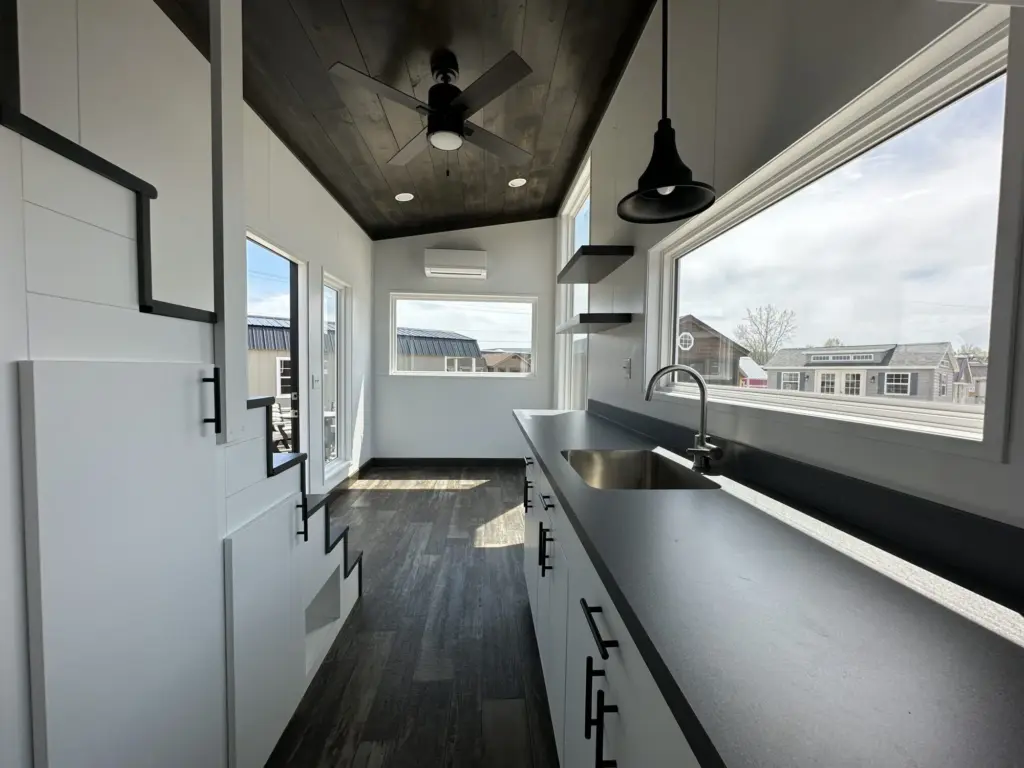
Off site construction involves producing wall systems, floor assemblies, roof sections, or entire modules inside a controlled factory setting. This environment protects materials from weather and allows repeatable processes that improve consistency. Once completed, these components are transported to the building site and assembled on a prepared foundation. This process reduces on-site labor time while maintaining structural precision.
Different Types of Factory Built Housing
The term pre fabricated homes includes several distinct building systems such as modular construction, panelized construction, and manufactured housing. Each method differs in how much of the structure is built indoors and how it is assembled on site. Modular systems arrive in large sections, panelized homes arrive as flat components, and manufactured housing is built on a permanent chassis. Understanding these distinctions is essential when learning what is pre fabricated homes.
How This Method Differs From Traditional Building
Traditional construction occurs entirely on site, which exposes projects to weather delays, labor shortages, and variable workmanship. Factory-based construction shifts much of the work indoors, where conditions remain consistent. This shift often results in faster schedules and more predictable outcomes. However, site preparation and final assembly still require careful coordination.
Cost Structure and Budget Predictability
One of the strongest advantages of this construction method is budget clarity. Factory production reduces material waste and labor variability, which stabilizes pricing. While pre fabricated homes are not always cheaper than traditional houses, they often provide clearer upfront costs. Buyers researching what is pre fabricated homes should consider the full project cost, including transportation, site work, and interior finishing.
Construction Timelines and Efficiency
Factory production and site preparation can occur simultaneously, which shortens overall build timelines. Once components arrive on site, assembly may take days or weeks instead of months. Faster timelines reduce financing costs and allow earlier occupancy. Speed remains a major reason buyers explore this building approach.
Quality Control and Consistency
Indoor production environments allow tighter quality control than open job sites. Materials stay dry, measurements remain precise, and inspections occur throughout the process. This consistency often leads to fewer defects and more uniform structural performance. Quality outcomes depend more on design and factory standards than construction location.
Design Flexibility and Customization Options
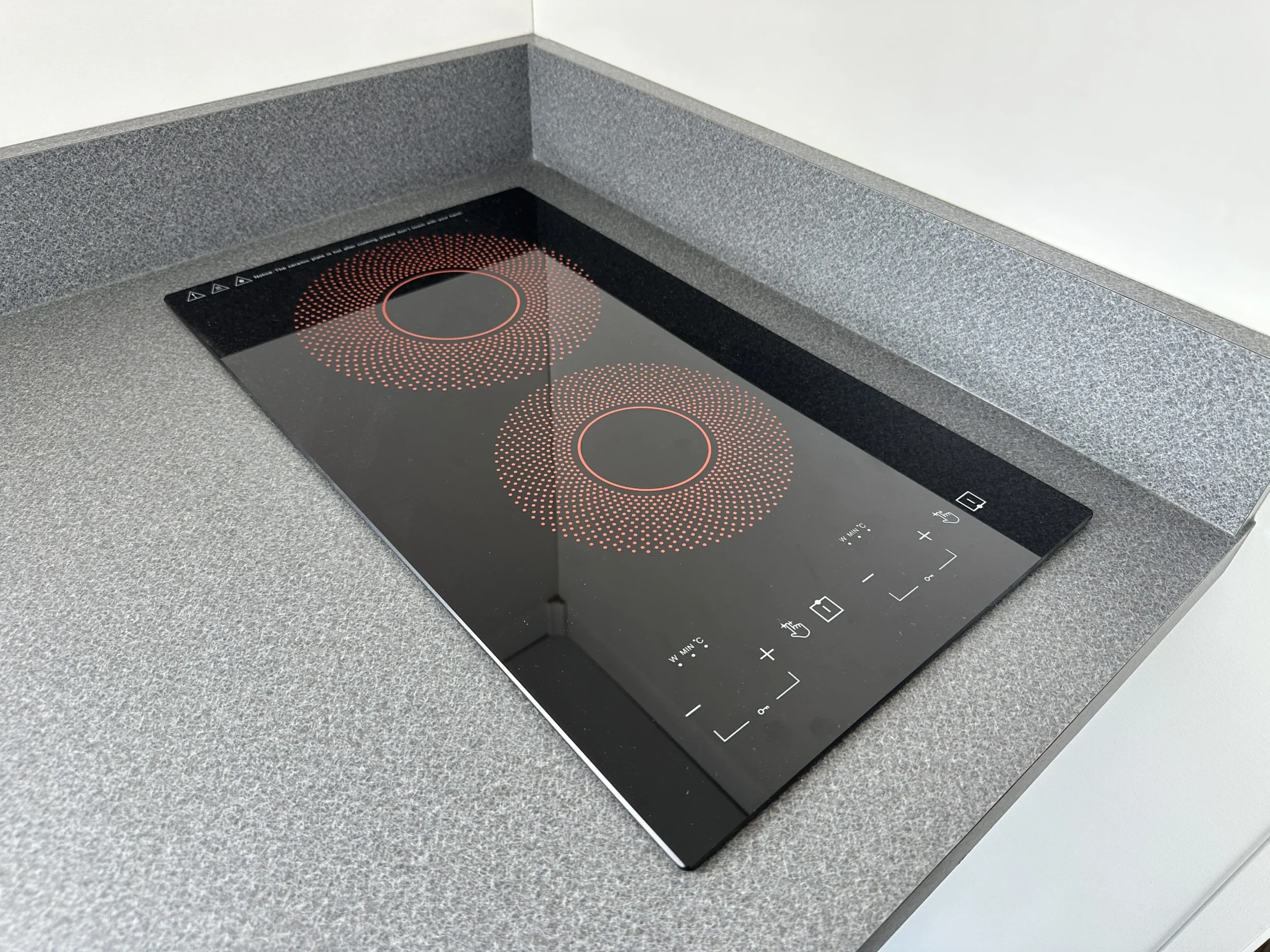
Modern factory-built housing offers more flexibility than many buyers expect. Floor plans, layouts, finishes, and exterior styles can often be customized within defined parameters. While extreme customization may increase cost, many buyers find the available options meet their needs. Understanding customization limits helps set realistic expectations.
Transportation and On Site Assembly
Transportation plays a critical role in this building method. Delivery costs depend on distance, component size, and site access. Cranes or specialized equipment may be required for placement. Proper coordination between factory schedules and site readiness helps prevent delays or damage during assembly.
Foundation and Site Preparation Requirements
Even though much of the home is built off site, traditional site preparation remains necessary. Foundations may include slabs, crawl spaces, or basements depending on design and local codes. Grading, drainage, and utility connections must be completed before delivery. Buyers should not assume off-site construction eliminates on-site responsibilities.
Zoning and Regulatory Considerations
Zoning laws influence where factory-built housing can be placed and how it is classified. Some jurisdictions treat it the same as site-built construction, while others apply specific requirements. Local regulations often rely on definitions tied to housing unit classification when determining setbacks, occupancy rules, and compliance. Verifying zoning early prevents costly placement issues.
Durability and Long Term Performance
Homes built using factory methods are designed to meet the same building codes as traditional houses. Precise framing and consistent fastening improve structural reliability. When installed correctly and maintained properly, these homes perform well over time. Longevity depends more on materials and installation quality than construction location.
Energy Efficiency and Modern Standards
Tight building envelopes, modern insulation systems, and efficient windows contribute to strong energy performance. Factory environments allow accurate installation of insulation and sealing materials. Improved energy efficiency lowers utility costs and enhances comfort. These benefits add long-term value.
Maintenance and Ownership Costs
Ongoing maintenance requirements remain similar to traditional housing. Roof inspections, exterior sealing, and HVAC servicing still apply. Consistent construction quality often reduces early repair issues. Long-term costs depend on upkeep rather than construction method.
Who This Building Method Works Best For
This approach works well for buyers seeking faster timelines, predictable pricing, and consistent quality. It appeals to families, retirees, and landowners building in areas with limited labor availability. Understanding what is pre fabricated homes helps buyers determine whether this method aligns with their goals and location.
Final Thoughts on What Is Pre Fabricated Homes
Understanding what is pre fabricated homes means recognizing it as a construction method rather than a single housing style. By shifting much of the building process off site, this approach offers efficiency, consistency, and speed. When zoning, site requirements, and long-term performance are evaluated carefully, factory-built housing can provide reliable and flexible solutions. If you want help comparing construction options or planning a project, you can reach out through the Ohio Cabin and Structures contact page for informed guidance.