Factory-built housing gives buyers more choices than ever before, but many people still ask what is the difference between modular and manufactured homes before deciding which one to buy. At first glance, both homes appear similar because builders construct them inside factories instead of entirely on-site. However, the similarities largely end there. Each type follows different construction standards, installation methods, financing options, and ownership requirements. These differences affect purchase price, maintenance costs, resale value, and long-term investment potential. Understanding how each home is built and how it performs over time helps buyers choose a housing solution that fits both their budget and plans.
How Builders Construct Modular And Manufactured Homes
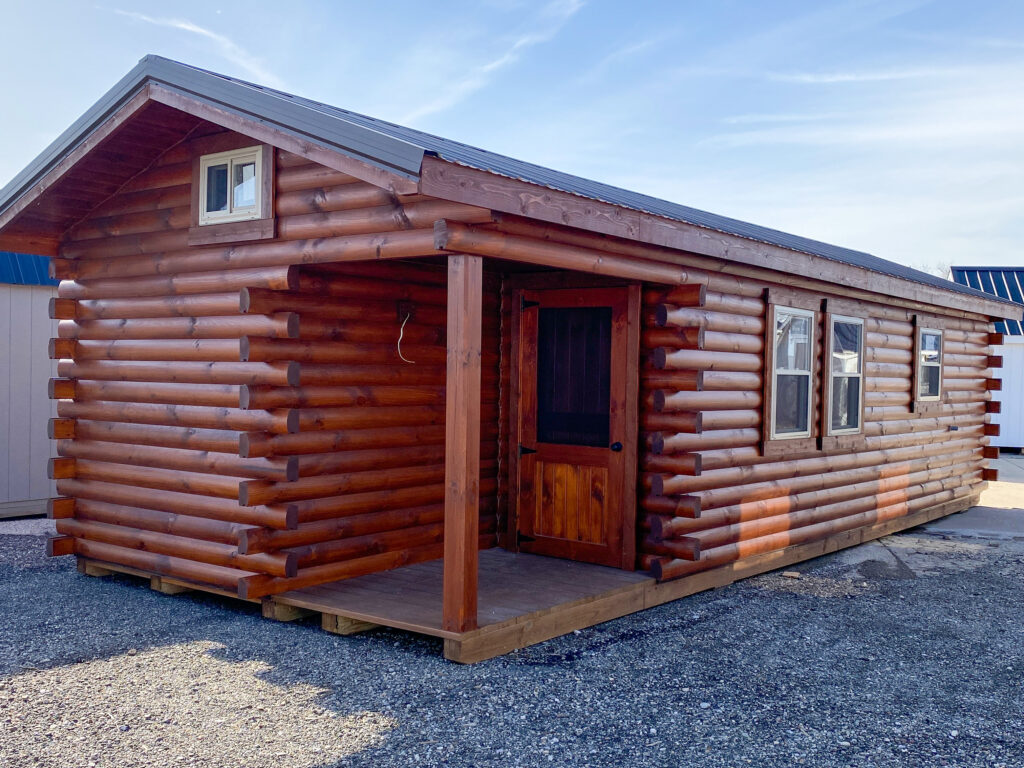
The construction process creates one of the biggest differences between these housing options. Builders construct modular homes in several sections inside a controlled factory. After completing each section, they transport the modules to the building site. Local contractors then place the sections on a permanent foundation and connect them to create a finished home. Once construction is complete, the home closely resembles a traditional site-built house.
Manufacturers build manufactured homes differently. They construct the entire home on a permanent steel chassis that stays with the structure after delivery. Workers transport the completed home, or large sections of it, directly to the property. Installation crews anchor the home securely, but the steel frame remains part of the finished structure. This single difference influences financing, insurance, resale value, and legal classification throughout the life of the home.
Different Building Codes Lead To Different Standards
Building codes also separate modular homes from manufactured homes. Builders must follow the same local and state residential building codes that apply to traditional houses when they construct modular homes. Local inspectors review the installation and ensure the finished structure meets every applicable requirement. Because modular homes follow local residential standards, many neighborhoods accept them without additional restrictions.
Manufactured homes follow a different set of rules. Manufacturers build them under the federal Manufactured Home Construction and Safety Standards established by the U.S. Department of Housing and Urban Development. These national standards focus on factory-built housing instead of local residential codes. Both systems promote safety and quality, but they serve different purposes. Understanding this distinction helps explain why lenders, insurers, and future buyers often evaluate these homes differently.
Foundation And Installation Affect Long-Term Ownership
The installation method plays an important role in long-term ownership. Contractors permanently install modular homes on concrete slabs, crawl spaces, or full basements. Once installed, the home becomes part of the property much like any conventional house. This permanent foundation improves stability and often strengthens future resale opportunities. Buyers also find it easier to finance homes that qualify as permanent real estate.
Manufactured homes follow a different approach. Installation crews place the home on its designated site while keeping the original steel chassis underneath the structure. Many owners secure the home with anchors and foundation systems, but the chassis remains attached. This construction method gives manufactured homes greater mobility if relocation becomes necessary. However, it may also influence financing options and future property value depending on local regulations and land ownership.
Appearance And Design Options Continue To Improve
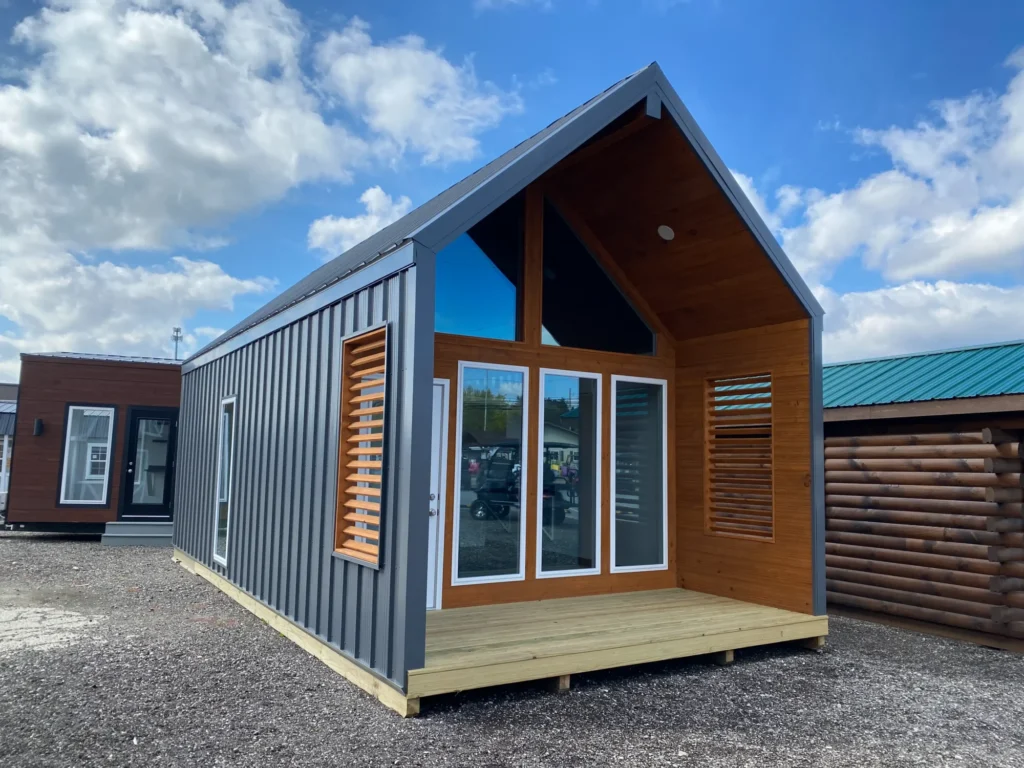
Modern factory-built homes offer far more design flexibility than many buyers expect. Modular homes often feature open floor plans, higher ceilings, attached garages, covered porches, and attractive exterior finishes. Many people cannot distinguish a completed modular home from a traditional house without knowing how builders constructed it. Buyers can also customize layouts, finishes, roofing styles, and interior features to match their preferences.
Financing And Ownership Can Change The Overall Cost
Financing deserves careful attention before buying any factory-built home. Modular homes usually qualify for traditional mortgage loans because they become permanent real estate after installation. Buyers often benefit from competitive interest rates and longer repayment periods. This financing structure can lower monthly payments and improve affordability over time.
Manufactured homes may qualify for traditional financing in some situations, particularly when owners permanently install them on land they own. In other cases, buyers may need specialized financing that follows different lending requirements. Before choosing either option, compare available loan programs, insurance costs, and long-term ownership expenses. According to the Consumer Financial Protection Bureau, reviewing financing options carefully helps buyers understand the true cost of homeownership before signing a purchase agreement.
Resale Value Often Gives Modular Homes An Advantage
Resale value is another important difference that buyers should consider. Modular homes often perform better in the housing market because they sit on permanent foundations and meet local residential building codes. Buyers and lenders usually view them as traditional real estate, which can improve financing opportunities and attract more potential purchasers. As nearby property values increase, many modular homes also gain value under the right market conditions. Homeowners who maintain the property and keep it updated often improve their chances of earning a better return when they decide to sell.
Manufactured homes can also retain value, especially when owners place them on privately owned land and keep them in excellent condition. However, appreciation depends on several additional factors, including location, financing availability, and local demand. Buyers should evaluate these factors carefully before making a long-term investment. Looking beyond the initial purchase price often provides a clearer picture of the home’s future value.
Modern Factory Built Homes Offer Comfort And Quality
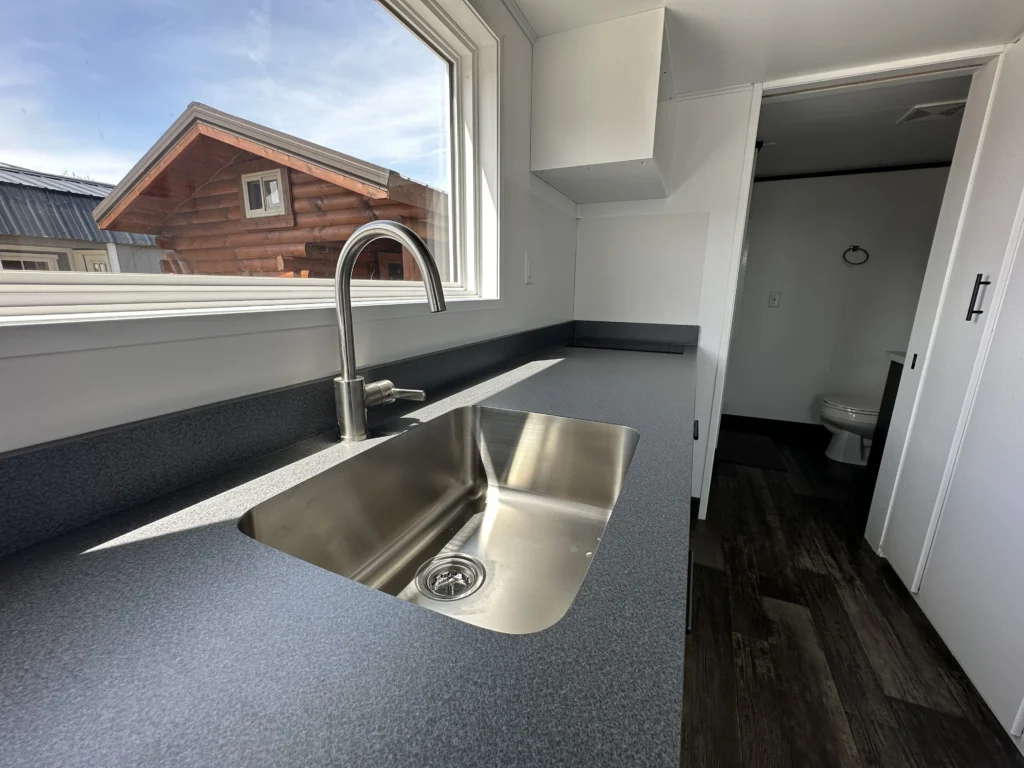
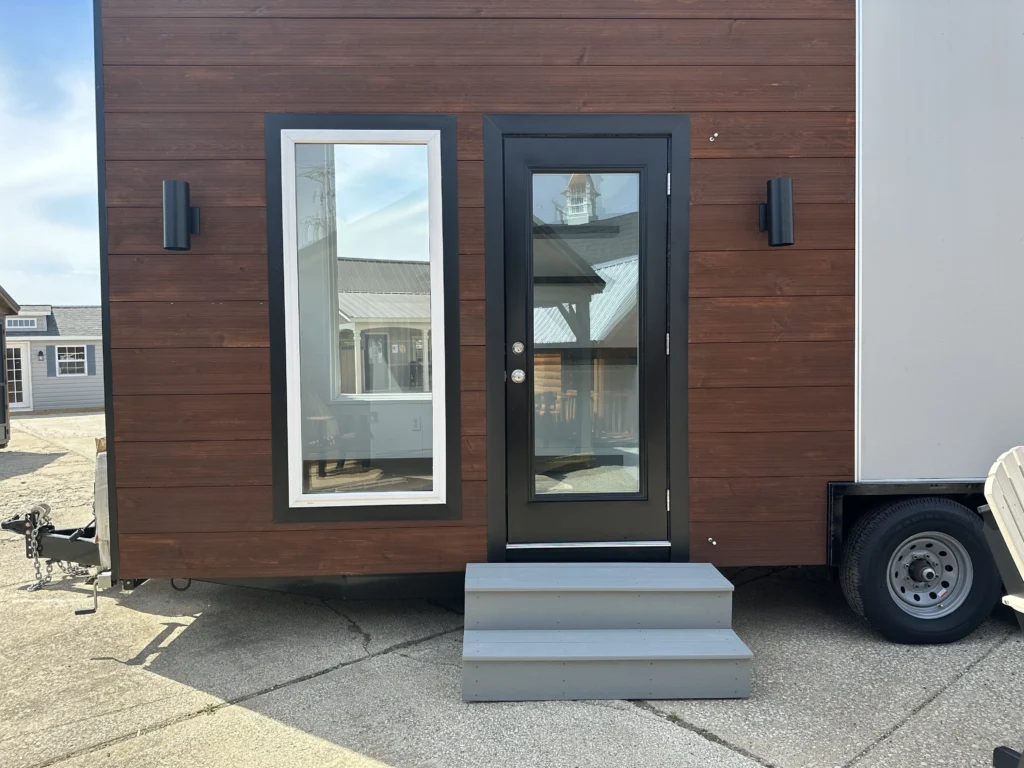
Factory-built homes have changed significantly over the past several decades. Today’s buyers expect attractive designs, efficient layouts, and durable construction. Builders continue to meet those expectations by using quality materials and modern building techniques. As a result, many factory-built homes now offer the same comfort and appearance as traditional houses while reducing construction time. Ohio Cabins And Structures reflects this modern construction approach. Its practical, durable craftsmanship demonstrates how well-designed factory-built structures can provide comfortable living for many years.
How To Decide Which Home Fits Your Needs
Choosing between a modular home and a manufactured home depends on more than the purchase price. Buyers should think about where they plan to live, how long they expect to own the home, and what type of financing they qualify for. They should also compare maintenance requirements, insurance costs, customization options, and future resale opportunities. Taking time to evaluate these factors helps prevent expensive mistakes later.
Visiting completed homes can also make the decision easier. Walking through different floor plans gives buyers a better understanding of available space, construction quality, and overall comfort. Speaking with experienced builders provides valuable insight into installation requirements, ownership costs, and long-term maintenance. Gathering information before purchasing leads to greater confidence throughout the buying process.
Conclusion
Understanding what is the difference between modular and manufactured homes helps buyers make a more informed investment. Although both homes begin inside a factory, they differ in construction standards, foundations, financing, resale value, and long-term ownership. Modular homes generally appeal to buyers seeking permanent housing with strong appreciation potential, while manufactured homes often provide a lower entry price for homeownership. The best choice depends on your budget, property, and future goals. At Ohio Cabin and Structures, we build quality cabins and factory-built structures that combine craftsmanship, durability, and everyday comfort. If you’re ready to explore reliable housing solutions designed for long-term living, visit Ohio Cabin and Structures and discover the structure that best fits your lifestyle.