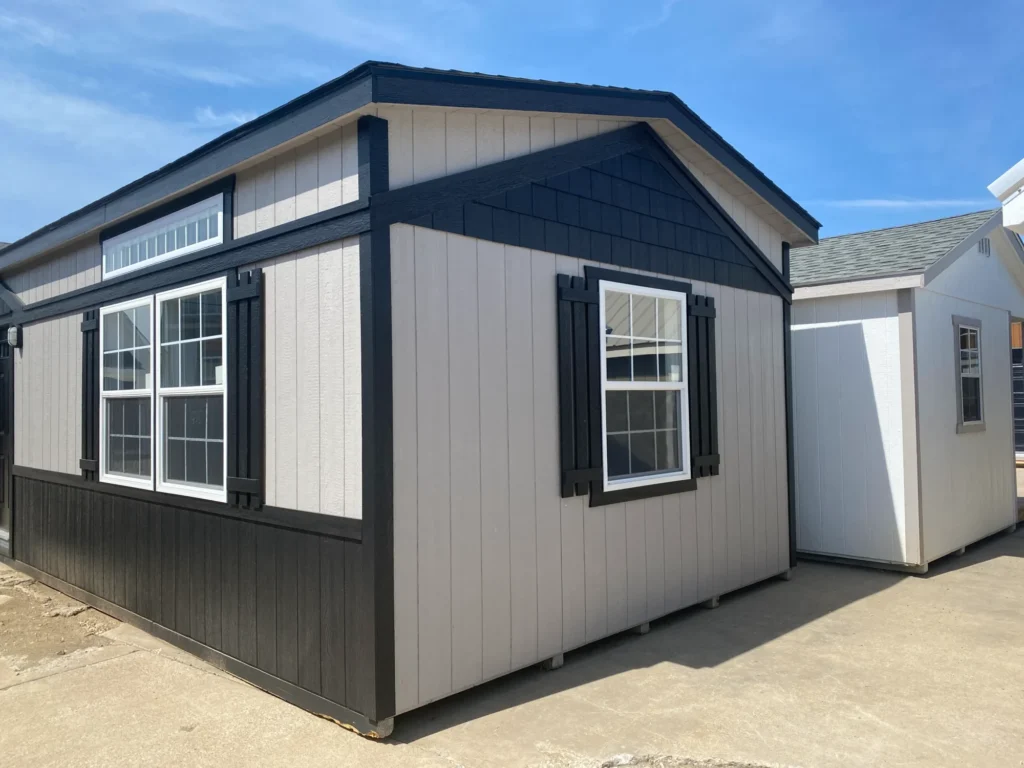
The word “gable” is often tossed around by architects and contractors, but many homeowners don’t fully understand what it means or why it matters. So, what is the gable of a house? A gable refers to the triangular section of wall between the edges of a sloping roof. It’s one of the most recognizable features in residential architecture, and it plays both a structural and aesthetic role in how homes are designed, especially cabins and country homes across Ohio and the American Midwest. Gables aren’t just about looks; they help manage snow and rain runoff, support ventilation, and influence how a roof performs in high winds.
Because the gable affects both appearance and performance, it plays a major role in residential construction. The shape of a gable can influence attic space, ventilation, drainage, energy efficiency, and even future expansion opportunities. Learning how gables work helps homeowners evaluate roof designs with greater confidence.
Why Gables Are Important In Home Design
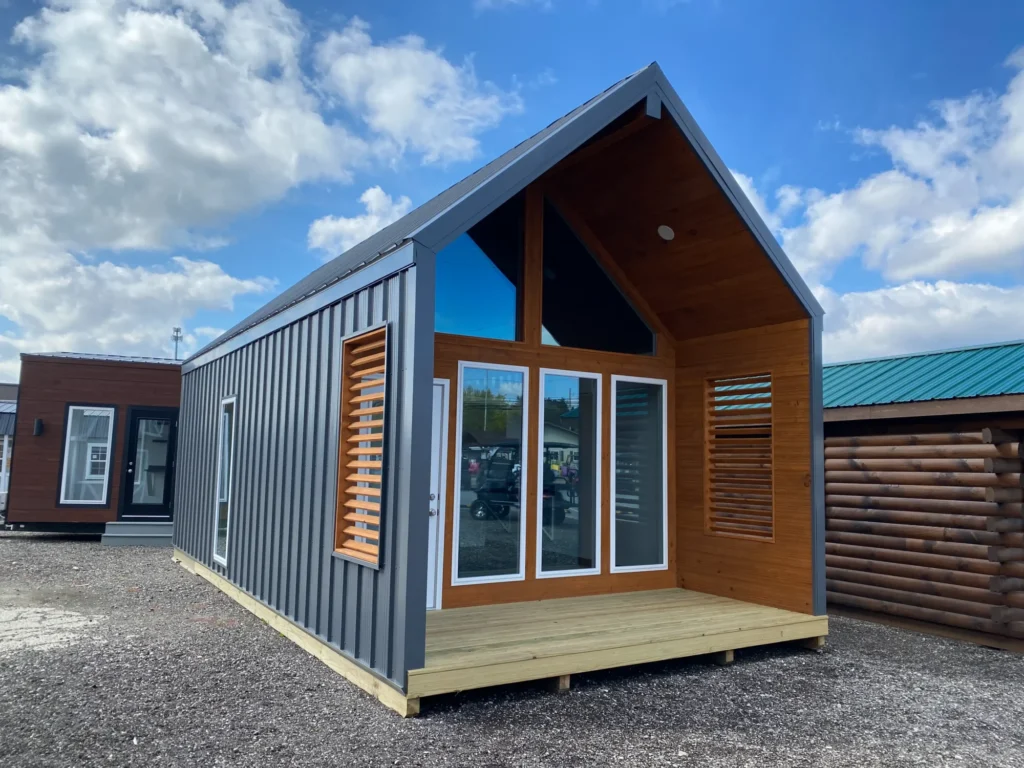
Functionally, the gable helps direct water and snow away from the structure. In a place like Ohio, where winters can be snowy and wet, this is especially important. A properly designed gable ensures that moisture doesn’t pool or leak into the attic or upper walls. In addition, gables allow space for attic ventilation, which protects the integrity of a roof and helps regulate indoor temperatures year-round.
To understand what a gable is, picture a house with a classic pitched roof. The triangle you see at either end of the house, formed between the two sloping roof sections, is the gable. The structure extends from the eaves (where the wall meets the roof) to the roof’s peak, or ridge. These gables can be open or closed, decorative or functional, and they come in several variations.
Gable roof designs remain popular because they combine simple construction with excellent weather protection. Structures such as the 16×24 2 Story Gable showcase how traditional gable architecture creates attractive rooflines while providing practical interior space and long-term durability.
Different Types Of Gables Found On Houses
When exploring what is the gable of a house, it’s useful to examine the most common types. The basic side gable is the most familiar form. This style places the triangular gable on each end of the building, creating a symmetrical look that’s popular in Colonial and Cape Cod architecture. In contrast, a front gable presents the gable to the street-facing side, creating a dramatic entryway commonly seen in Craftsman and Gothic Revival homes.
Then there’s the cross gable, where two gable rooflines intersect. This creates more complexity and visual interest, often accommodating additions like porches, garages, or extra wings. A Dutch gable incorporates a small gable on top of a hip roof, merging two styles for added ventilation and aesthetic appeal. All of these variations have their own structural implications, particularly in areas with wind exposure or snowfall concerns.
For log cabins and rustic homes, like those built by Ohio Cabin and Structures, side and cross gables are the most common due to their straightforward framing and traditional appeal.
How Gables Affect Roof Performance
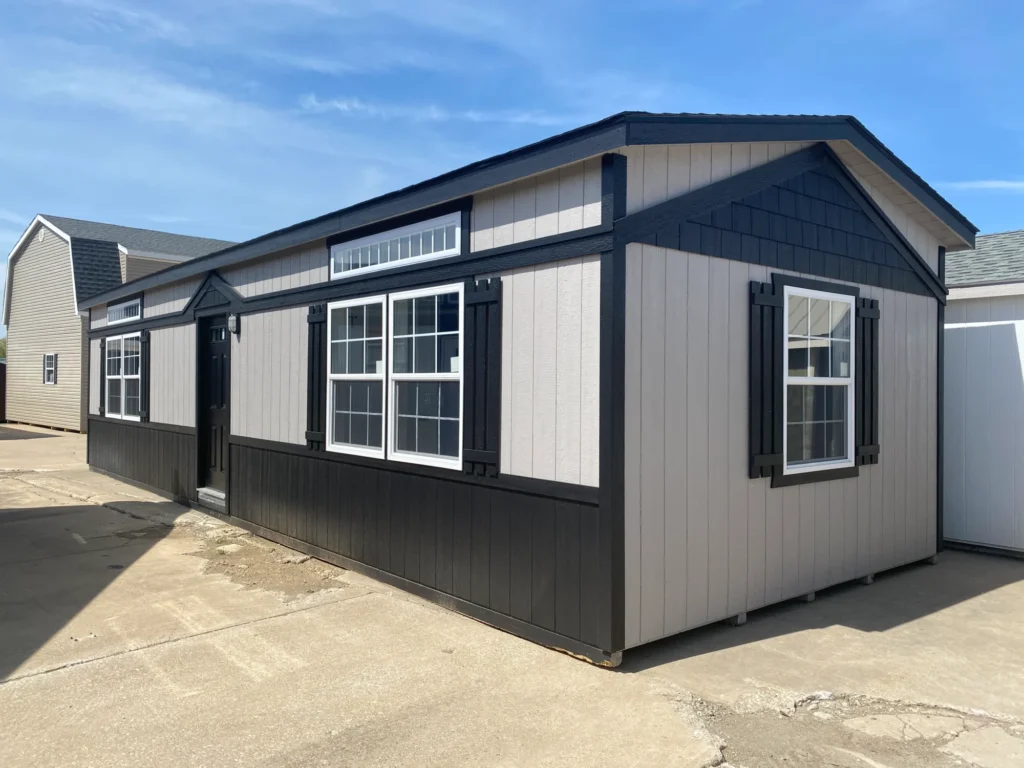
In northern states like Ohio, gables do more than define a home’s silhouette. They affect how a structure withstands the elements. Gable roofs, especially with steeper pitches, are ideal for snow-heavy regions because they help snow slide off rather than accumulate. That reduces the risk of roof collapse and ice dam formation. In warmer months, the gable end often includes vents that improve attic airflow, preventing heat buildup and extending the life of your shingles and insulation.
However, gables also pose challenges in high-wind environments. The wide triangular face can act like a sail during strong wind events. Reinforcing the gable ends with proper bracing and construction methods becomes essential, particularly in open landscapes or storm-prone regions. The National Association of Home Builders highlights the importance of proper roof framing and structural reinforcement to improve long-term building performance.
Gables as a Design Statement
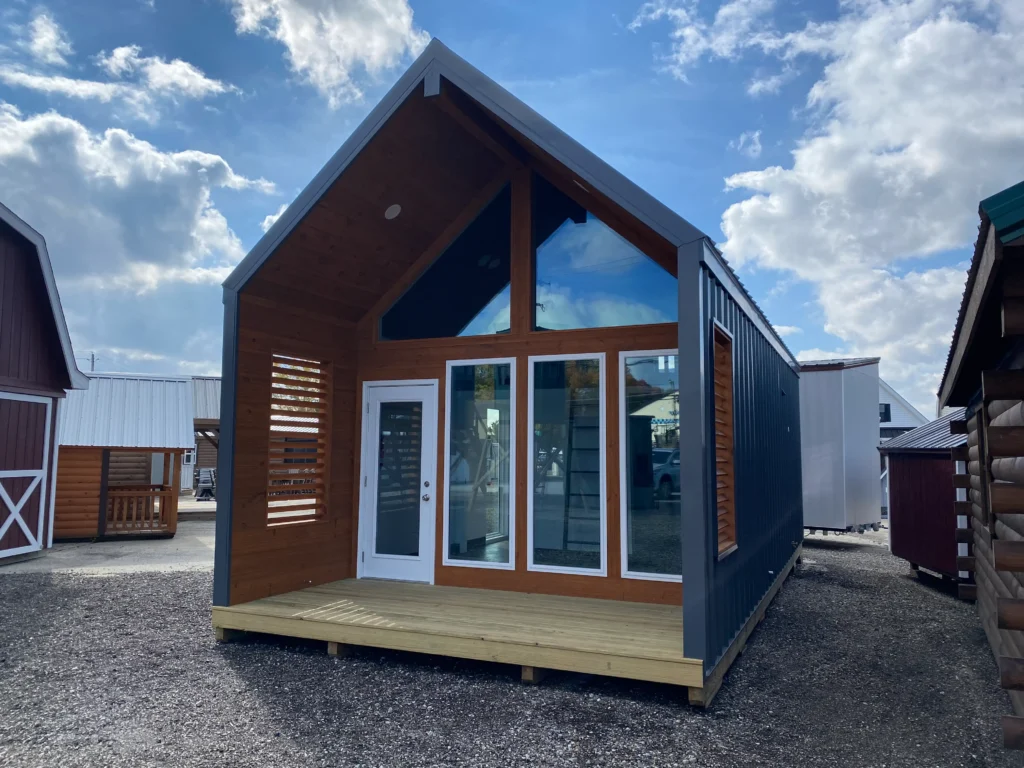
A gable is often a blank canvas for architectural creativity. It can be enhanced with decorative siding, window accents, or even timber framing. In chalet-style cabins or A-frame homes, the gable may house large, panoramic windows that frame a stunning view. This is common in cabins built near Ohio’s Mohican State Park or the Hocking Hills region, where nature becomes part of the interior aesthetic.
Some homeowners choose to feature trusses, dormers, or scalloped shingles in the gable end, turning it into a visual focal point. Whether you go rustic with exposed cedar or modern with steel and glass, the gable offers endless options for customization. Even in minimalist or contemporary designs, an understated gable can evoke timeless appeal.
Common Gable Design Challenges
When asking what is the gable of a house, it’s essential to consider how it fits into the overall structural plan. Framing the gable requires precise angles and load-bearing calculations, especially when the pitch is steep. Engineers often use trusses or rafters to support the gable triangle, depending on whether the attic will be finished or used for storage.
In log home construction, gables are usually framed last, after the log walls are in place. Builders must account for shrinkage in the wood and ensure that all fasteners and reinforcements can adapt over time. If windows are installed in the gable wall, additional framing is needed to prevent sagging or warping, particularly in Ohio’s fluctuating seasons.
Proper engineering becomes increasingly important as buildings grow larger or include additional roof features. Builders must account for roof loads, snow accumulation, wind resistance, and attic ventilation to ensure the gable performs effectively for decades. Quality framing techniques help prevent sagging, moisture intrusion, and structural movement over time.
Professional builders like those at Ohio Cabin and Structures understand the unique requirements of Midwestern climates and tailor their gable designs accordingly. Their experience ensures that aesthetics never come at the expense of structural soundness.
Gables and Home Value
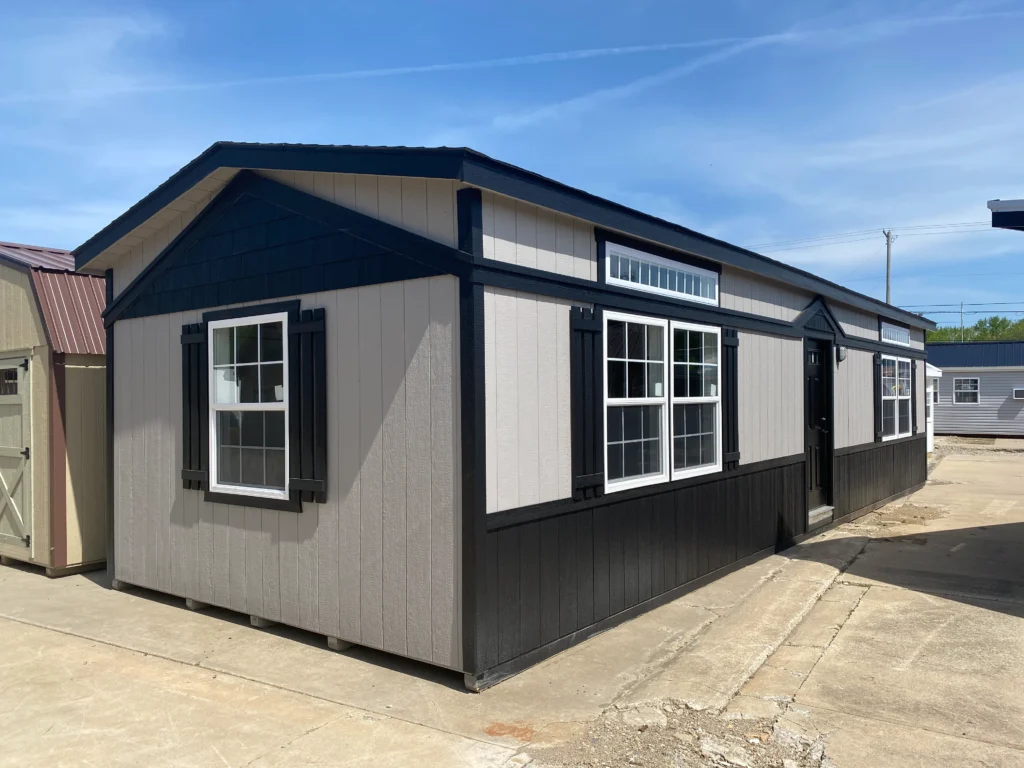
Gables are more than just cosmetic, they can influence the resale value and curb appeal of a property. A well-designed gable gives a home personality and can make it more inviting to potential buyers. Features like gable vents, custom trim, and arched windows enhance visual interest and showcase craftsmanship. This is especially important in areas where traditional or historic architecture plays a role in real estate value, such as Medina or Geauga County.
Additionally, functional gables that contribute to attic space or allow for dormer additions can increase usable square footage, making them a worthwhile investment. As highlighted by Better Homes & Gardens, architectural details like gables can help define the character of a home and even align it with a particular style or era.
Homes with strong roof designs and appealing architectural details often attract more buyer interest. Larger structures such as the 24×28 2 Story Big Boy demonstrate how gable rooflines can enhance both curb appeal and usable living space.
Benefits Of Gables In Cabin Construction
In rural Ohio, where cabin homes are common, the gable takes on added importance. Cabins are typically simple structures, and the gable becomes a signature feature that elevates the design. It also accommodates lofts, which are common in compact, vertical-style cabins. Whether you’re building near Amish Country or along Lake Erie, the gable helps create a home that is both beautiful and durable.
Using locally sourced wood and regionally appropriate materials helps keep these gables environmentally friendly and cost-effective. Builders who specialize in handcrafted structures understand the balance between rustic charm and modern efficiency. They can integrate design elements such as vented soffits, reinforced gable peaks, and timber trusses to create a space that feels timeless and secure.
Conclusion
So, what is the gable of a house? It is far more than the triangular section beneath a roof. A properly designed gable contributes to weather protection, ventilation, structural stability, and overall architectural appeal. From traditional farmhouses to modern cabins, gables remain one of the most practical and recognizable features in residential construction.
Whether you’re planning a custom cabin, workshop, or country home, the right gable design can improve both appearance and long-term performance. Ohio Cabin and Structures continues to build structures that combine proven craftsmanship with practical design, helping property owners create buildings that look great and perform well for years to come.