
The tiny house movement has grown from a niche lifestyle choice into a broader conversation about housing affordability, sustainability, and intentional living. Many people search what is tiny house movement because they see it mentioned in media, housing discussions, and social platforms without a clear definition. At its core, the movement encourages living in smaller spaces to reduce costs, environmental impact, and reliance on excess possessions. Understanding where the movement started and what it represents helps clarify why it continues to gain attention.
At Ohio Cabin and Structures, we often hear from people exploring tiny homes as part of a larger lifestyle shift rather than just a housing trend. Some are drawn by affordability, while others want flexibility or a simpler way of living. The movement means different things to different people, which is why understanding its principles matters.
Origins of the Tiny House Movement
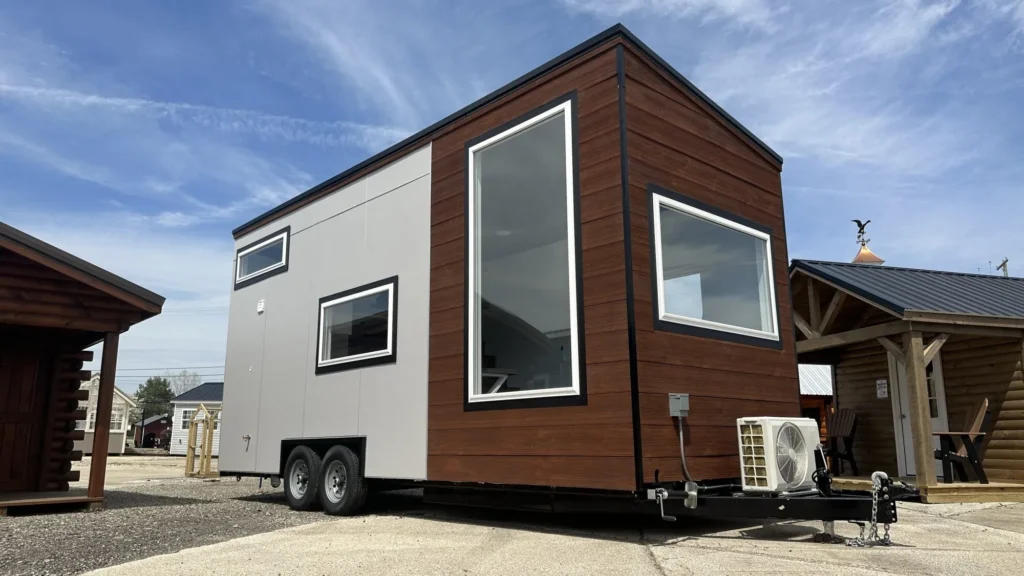
The tiny house movement began as a response to rising housing costs, financial instability, and dissatisfaction with oversized homes. Early adopters questioned the idea that bigger homes automatically meant better living. Economic pressures following housing market downturns pushed many people to rethink long-term debt and space usage. As interest grew, small dwellings became symbols of financial independence and intentional design rather than sacrifice.
Core Philosophy Behind the Movement
The philosophy behind the tiny house movement focuses on intentional living rather than minimalism alone. People who ask what is tiny house movement often assume it is only about reducing possessions, but it also emphasizes smarter design and purposeful choices. Living smaller encourages residents to prioritize experiences, flexibility, and financial freedom. The movement challenges traditional ideas of success tied to square footage.
Typical Size and Design of Tiny Homes
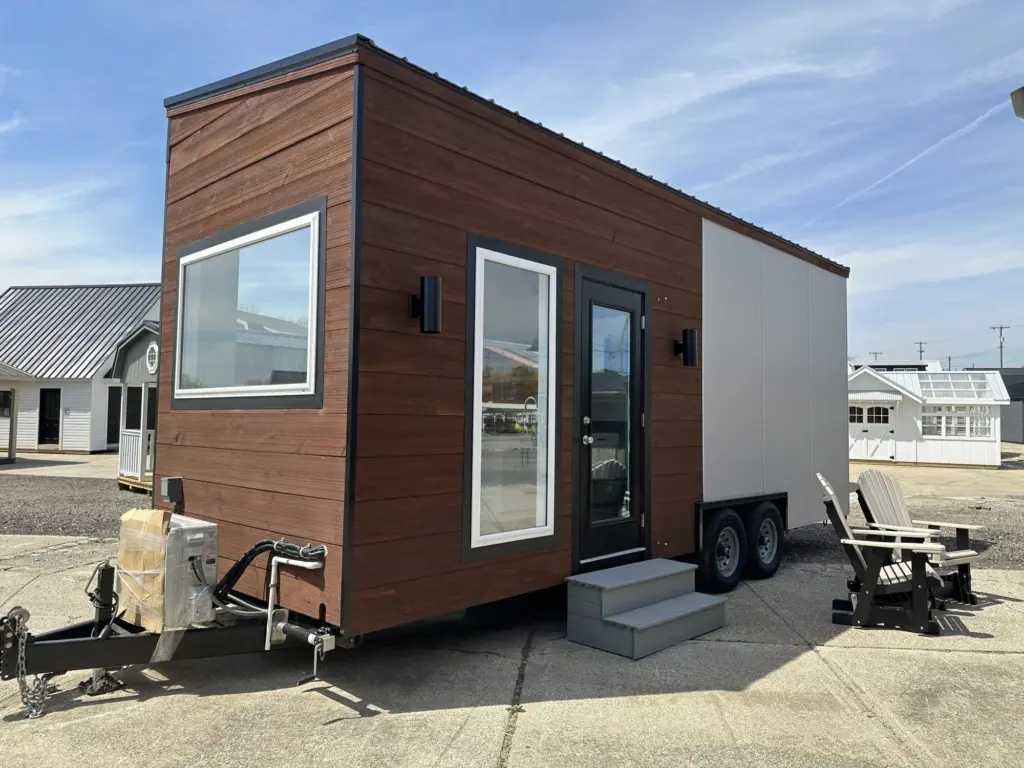
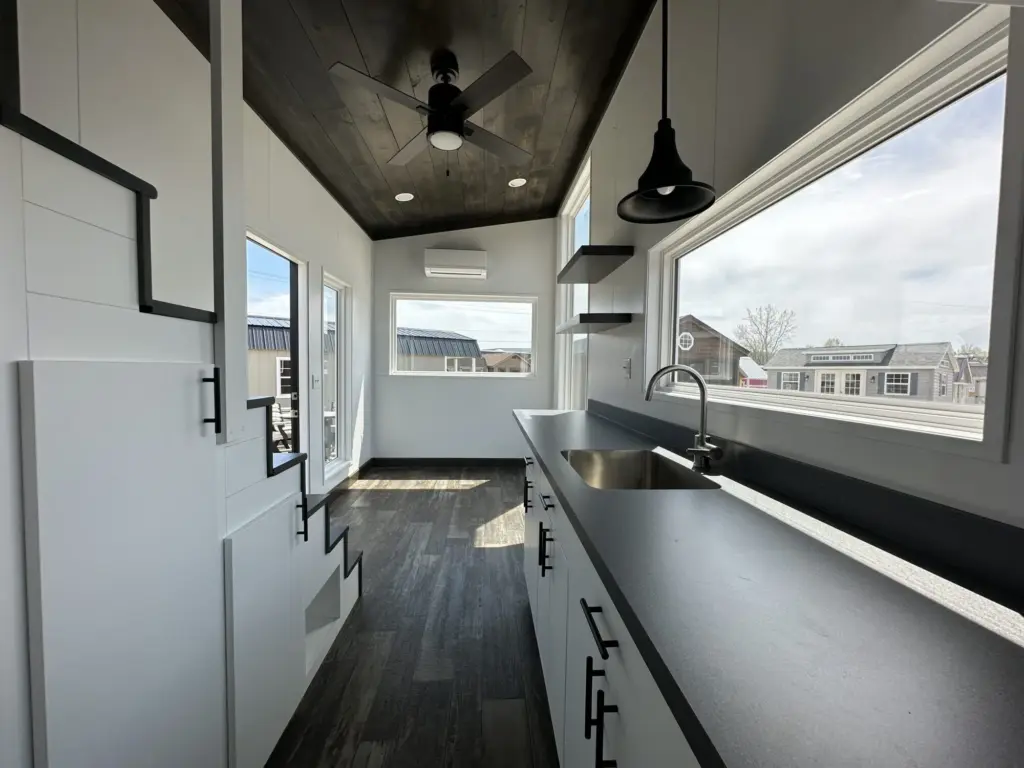
Tiny homes typically range from 100 to 400 square feet, though definitions vary. Design plays a critical role in making small spaces functional, with features like lofts, built-in storage, and multi-purpose furniture. Builders use creative layouts to maximize usable space without sacrificing comfort. The focus on efficient design sets tiny homes apart from conventional housing.
Why Affordability Drives Interest
Affordability remains one of the strongest motivators behind the movement. Traditional home prices and long-term mortgages place ownership out of reach for many buyers. Tiny homes offer a lower-cost alternative that reduces or eliminates long-term debt. People exploring what is tiny house movement often see it as a way to regain financial control while still owning a place to live.
Environmental and Sustainability Factors
Environmental considerations play a significant role in the movement’s appeal. Smaller homes require fewer materials to build and less energy to heat and cool. Many tiny homeowners incorporate solar power, water conservation systems, and sustainable materials. These choices align with broader efforts to reduce environmental impact without sacrificing quality of life.
Mobility and Lifestyle Flexibility
Some tiny homes are built on wheels, offering mobility that traditional homes cannot match. This flexibility appeals to people who value travel, remote work, or changing locations over time. Mobility also allows homeowners to respond more easily to job changes or personal circumstances. The ability to move a home adds a unique dimension to the movement.
Legal and Zoning Challenges
Zoning and building codes often struggle to keep pace with nontraditional housing. Many areas lack clear regulations for tiny homes, especially mobile units. Understanding zoning rules remains a major consideration for those interested in the movement. Placement restrictions influence whether tiny living is practical in certain regions.
Community and Cultural Influence
The tiny house movement has influenced communities, media, and housing discussions worldwide. Tiny home villages, online communities, and educational resources continue to grow. These shared spaces allow people to exchange ideas, designs, and solutions. Community support helps sustain interest and innovation within the movement.
Government Perspective on Housing Size Trends
Housing size trends have shifted over time as affordability and land availability change. Smaller dwellings increasingly appear in discussions about alternative housing solutions, especially in areas facing housing shortages. Government agencies often track these trends when evaluating housing supply, density, and infrastructure planning. Transportation and placement rules for smaller dwellings frequently reference vehicle size and weight limits, which influence how mobile housing options are regulated across state and local jurisdictions.
Long Term Viability of Tiny Living
The long-term viability of tiny living depends on lifestyle alignment rather than novelty. Some people thrive in smaller spaces for decades, while others view tiny homes as transitional housing. The movement supports flexibility by allowing homeowners to scale living space based on changing needs. Long-term success often depends on realistic expectations, proper design, and legal placement options.
Common Criticisms of the Tiny House Movement
Critics often point to limited space, zoning barriers, and resale uncertainty as drawbacks. Tiny homes require thoughtful organization and intentional habits, which not everyone finds comfortable. Some areas lack clear regulations, making placement difficult. These criticisms highlight that the movement is not a universal solution but rather a specific lifestyle choice.
Who the Tiny House Movement Works Best For
The movement tends to work best for individuals or couples who value simplicity, flexibility, and financial control. Remote workers, retirees, and people seeking alternative housing paths often find tiny living appealing. Understanding what is tiny house movement helps people decide whether the lifestyle aligns with their daily routines and long-term goals.
Modern Tiny Homes and Practical Design
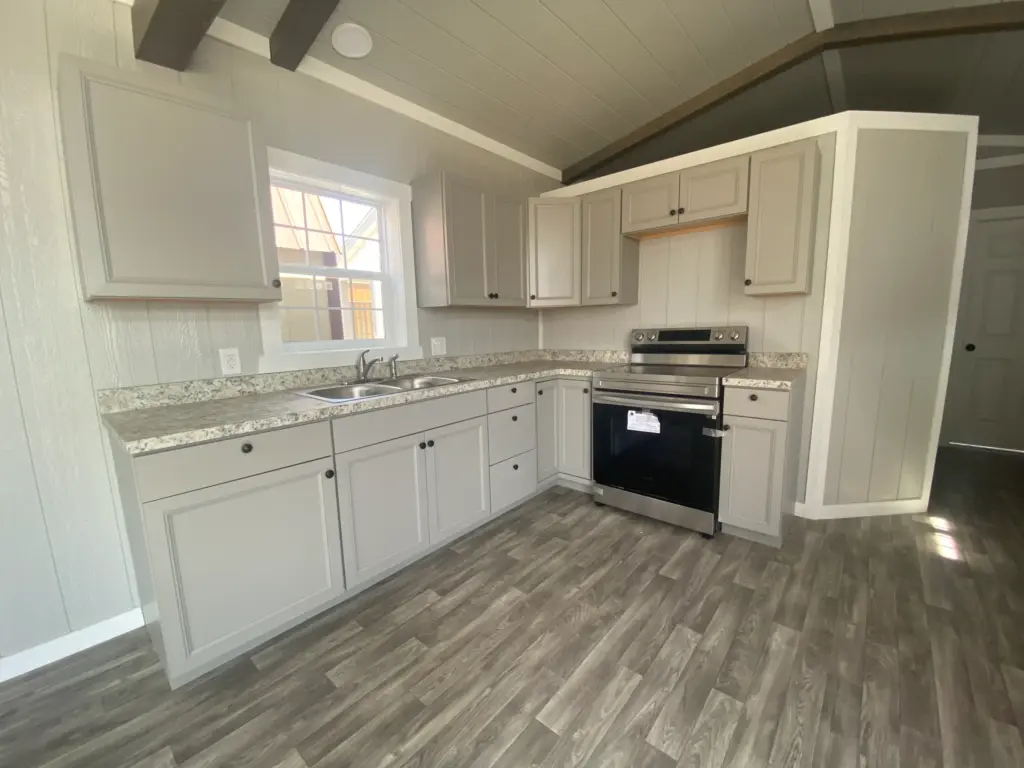
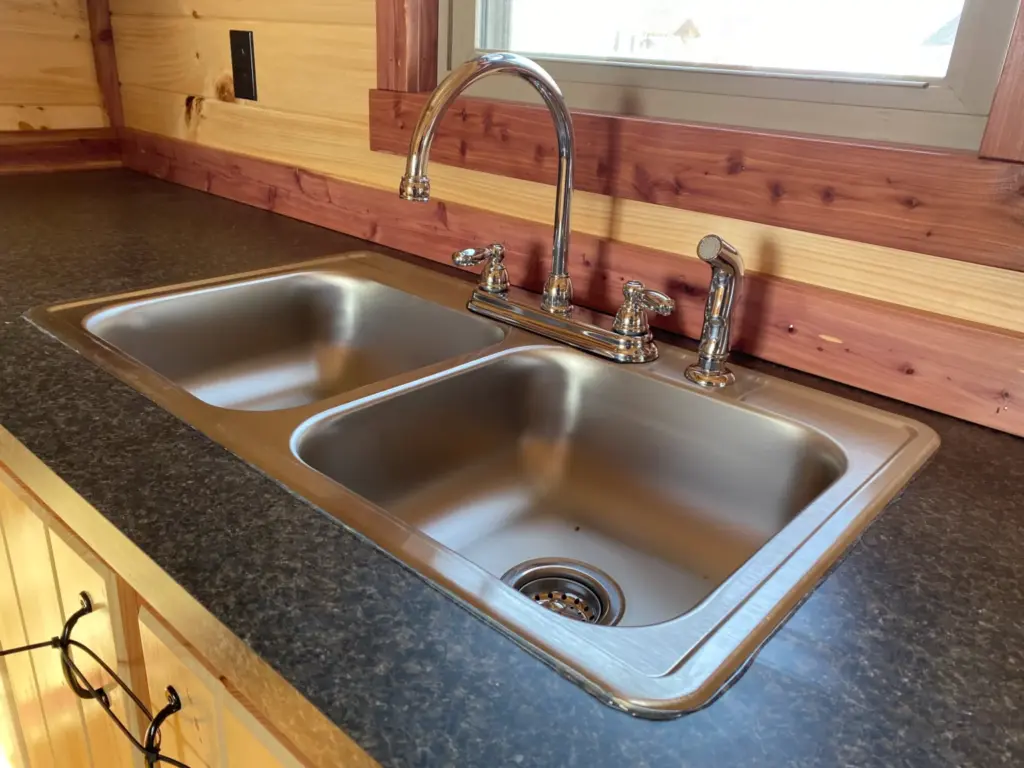
Modern tiny homes focus heavily on efficient layouts and livability. Features such as full kitchens, bathrooms, and sleeping lofts allow small homes to function like larger residences. Designs like the 14×40 tiny home show how thoughtful planning can provide comfort while maintaining a smaller footprint. Practical design remains central to the movement’s continued growth.
Financial Freedom and Lifestyle Choice
Financial freedom remains one of the strongest motivators behind tiny living. Lower construction costs, reduced utility expenses, and minimal maintenance allow homeowners to redirect resources toward experiences or savings. The movement encourages intentional spending rather than constant expansion. For many, this shift represents a fundamental change in priorities.
Social Impact and Changing Housing Attitudes
The tiny house movement has influenced broader conversations about housing norms and personal fulfillment. It challenges the idea that success requires large homes and long-term debt. Media exposure and online communities continue to reshape how people think about space and ownership. These cultural shifts contribute to the movement’s ongoing relevance.
Final Thoughts on What Is Tiny House Movement
Understanding what is tiny house movement means recognizing it as a lifestyle shift rather than a one-size-fits-all housing solution. The movement emphasizes intentional living, efficient design, and financial awareness. While it may not suit everyone, it offers meaningful alternatives for those seeking flexibility and simplicity. If you want guidance exploring tiny home options or understanding how smaller living spaces fit into your plans, you can reach out through the Ohio Cabin and Structures contact page for personalized support.