
The right storage unit size depends on how much you plan to store and how often you need access. A few boxes and seasonal decorations may fit inside a small 5×5 unit. Furniture from an apartment may require a 5×10 or 10×10 space. Larger homes, business inventory, appliances, and vehicles can require 10×15, 10×20, or even larger units. Choosing the correct size helps you avoid paying for space that you never use.
Start by making a complete list of everything going into storage. Include furniture, appliances, boxes, tools, outdoor equipment, and any bulky items. Measure the largest pieces before comparing unit dimensions. Also consider whether you need a walkway through the unit. A tightly packed space can hold more belongings, but retrieving something from the back becomes difficult. If you expect frequent access, allow extra room for movement. Storage needs often grow over time, so choosing slightly more space can sometimes prevent another move later.
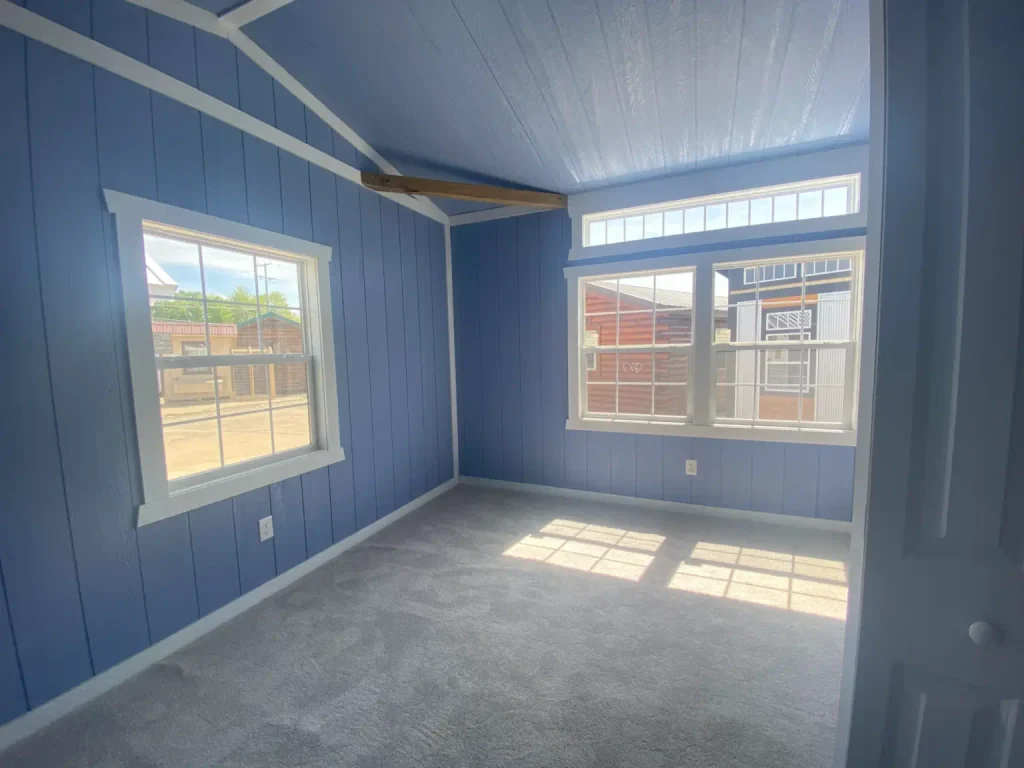
What Fits In A 5×5 Storage Unit?
A 5×5 storage unit provides about 25 square feet of floor space. It resembles a large closet and works best for a limited number of belongings. You can use it for moving boxes, holiday decorations, small furniture, sporting equipment, tools, luggage, or seasonal clothing. College students often choose this size when storing items between semesters. It can also work well for homeowners who simply need to clear extra belongings from closets or spare rooms.
Vertical space can make a small unit much more useful. Stack sturdy boxes carefully and place heavier items on the bottom. Shelving can help keep smaller belongings organized while using the full height of the unit. Avoid stacking fragile boxes under heavy furniture. If you have several large items, a 5×5 unit can become crowded quickly. A mattress, dresser, or large chair may take up much of the available floor area.
When A 5×10 Storage Unit Makes Sense
A 5×10 storage unit provides around 50 square feet of floor space. It offers twice the area of a 5×5 unit while keeping a relatively compact footprint. This size can hold several pieces of furniture, boxes, a mattress set, small appliances, and household belongings. It may work well for someone moving out of a studio apartment or storing the contents of one room during a renovation. The extra length also makes it easier to organize items in separate sections.
A 5×10 unit can become crowded when you add large sofas, dining sets, multiple beds, or major appliances. Measure bulky furniture before renting. Sofas can be especially difficult because their length may limit how efficiently you arrange other items. If you plan to access stored belongings often, leave a narrow path down the middle or along one side. You may lose some storage capacity, but you will not need to unload the entire unit to reach a single box. Label boxes on more than one side so you can identify their contents regardless of how they are stacked.
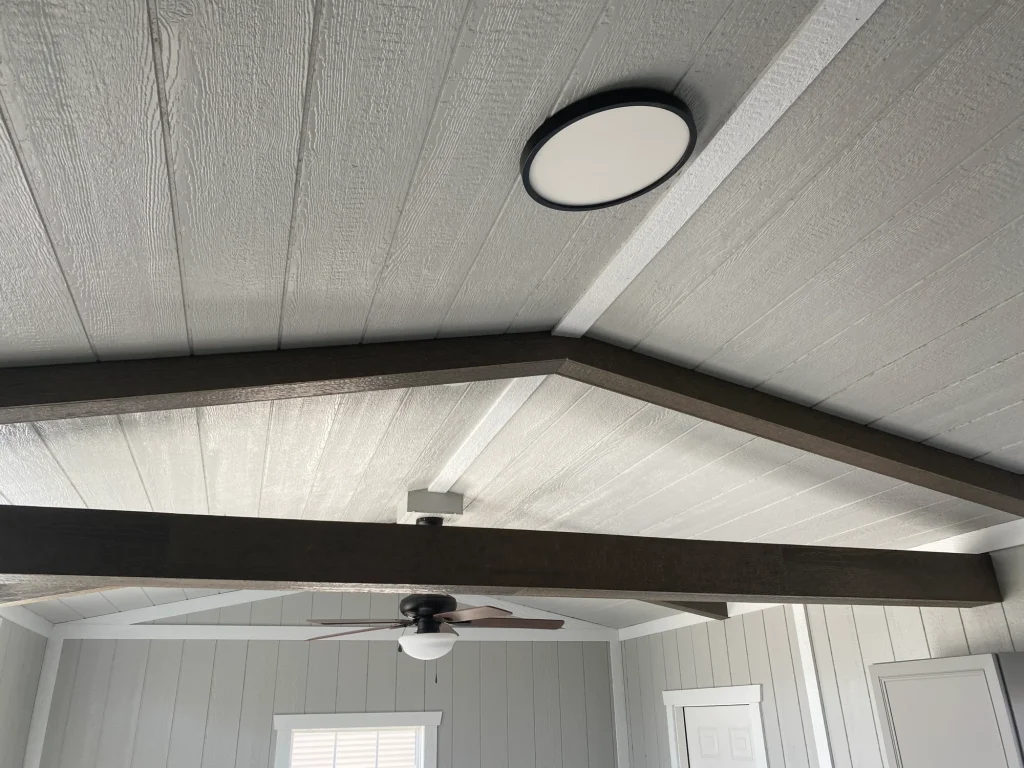
How Much Fits In A 10×10 Storage Unit?
A 10×10 storage unit offers about 100 square feet of floor space. It is one of the most versatile sizes for household storage. Many people use this size for the contents of a one-bedroom apartment or several rooms of furniture. Depending on how efficiently you pack, it can hold beds, sofas, tables, chairs, dressers, appliances, boxes, and other household items. The square layout also gives you more arrangement options than a long, narrow unit.
Do not assume that every 10×10 unit provides exactly the same usable space. Door placement, structural columns, wall framing, and ceiling height can affect storage capacity. Ask the facility for the actual dimensions before renting. If you have tall shelving or oversized furniture, check the door height as well. A 10×10 unit can also work for business files, supplies, seasonal inventory, or equipment. Homeowners who need about this amount of space for years may want to compare rental expenses with portable storage buildings. Owning storage on your property can provide easier access and eliminate ongoing monthly rent.
When You Need A 10×15 Storage Unit
A 10×15 storage unit provides approximately 150 square feet of floor area. This size works well when a 10×10 feels too limited but a 10×20 provides more room than you need. It can accommodate furniture and belongings from several rooms. Large sofas, bedroom sets, dining furniture, appliances, boxes, and outdoor equipment can often fit inside when organized carefully. People moving from a two-bedroom home or completing a major renovation often consider this size.
The additional depth gives you more flexibility when creating sections inside the unit. You can keep furniture toward the back while placing frequently used boxes closer to the entrance. Shelving along one wall can improve organization without consuming too much floor area. Leave enough room to move safely around large items. Never create unstable stacks simply to save space. A falling box or piece of furniture can damage other belongings and create an injury risk. Before choosing this size, compare your inventory with a simple floor plan. Draw the unit dimensions on paper and estimate where your largest furniture will sit. This step can reveal whether a 10×15 provides enough usable space.
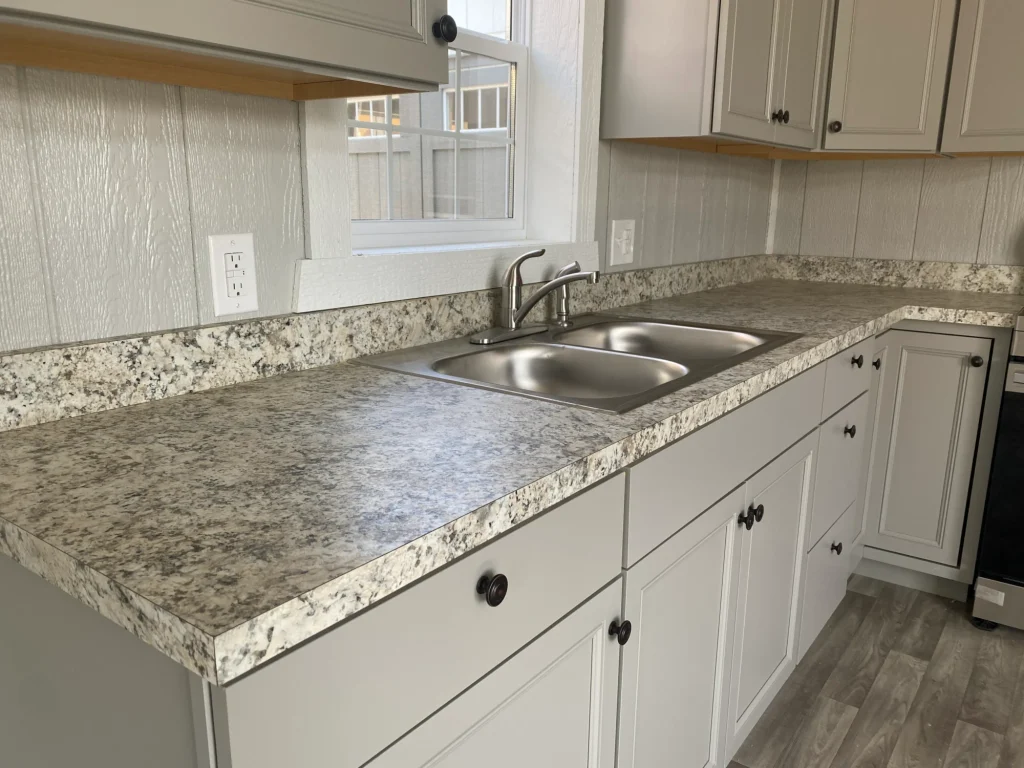
Is A 10×20 Storage Unit Right For You?
A 10×20 storage unit offers about 200 square feet, which makes it similar in floor area to many single-car garages. This size can hold a substantial amount of household furniture and equipment. It may suit families moving between homes or storing the contents of several rooms. Large appliances, bedroom sets, couches, dining furniture, boxes, bicycles, and outdoor equipment can often fit together. You also gain more flexibility for walkways and organized sections.
Some facilities permit vehicle storage in 10×20 units. A standard passenger car may fit, but you should measure the vehicle and confirm facility rules first. SUVs and pickup trucks can require more length or height. Door dimensions matter just as much as the interior size. You can find vehicle safety and ownership information through the National Highway Traffic Safety Administration when preparing a vehicle for longer periods of storage. For household belongings, avoid filling every available inch simply because you have more space. Organize items by category and keep frequently needed belongings near the front. Good organization can make a large storage unit much easier to use.
How To Calculate The Space You Actually Need
Begin by measuring large furniture and appliances. Record the length, width, and height of sofas, mattresses, tables, wardrobes, refrigerators, and other bulky items. Next, estimate the number of boxes you expect to store. Standardized boxes stack more efficiently than irregular containers and loose bags. Once you have these measurements, compare them with the dimensions of common storage units. Remember that usable floor space matters more than the total volume when you have furniture that cannot be stacked.
Think about your packing strategy as well. Disassembling bed frames, tables, shelving, and other furniture can save significant space. Keep screws and hardware in labeled bags and attach them securely to the corresponding furniture. Store table legs and flat pieces vertically when safe to do so. Use furniture drawers for lightweight items rather than leaving them empty. The Self Storage Association is a national organization representing the self-storage industry and provides general information about storage businesses and industry practices. Individual facilities still set their own sizes, access rules, and rental policies, so confirm the details before signing an agreement.
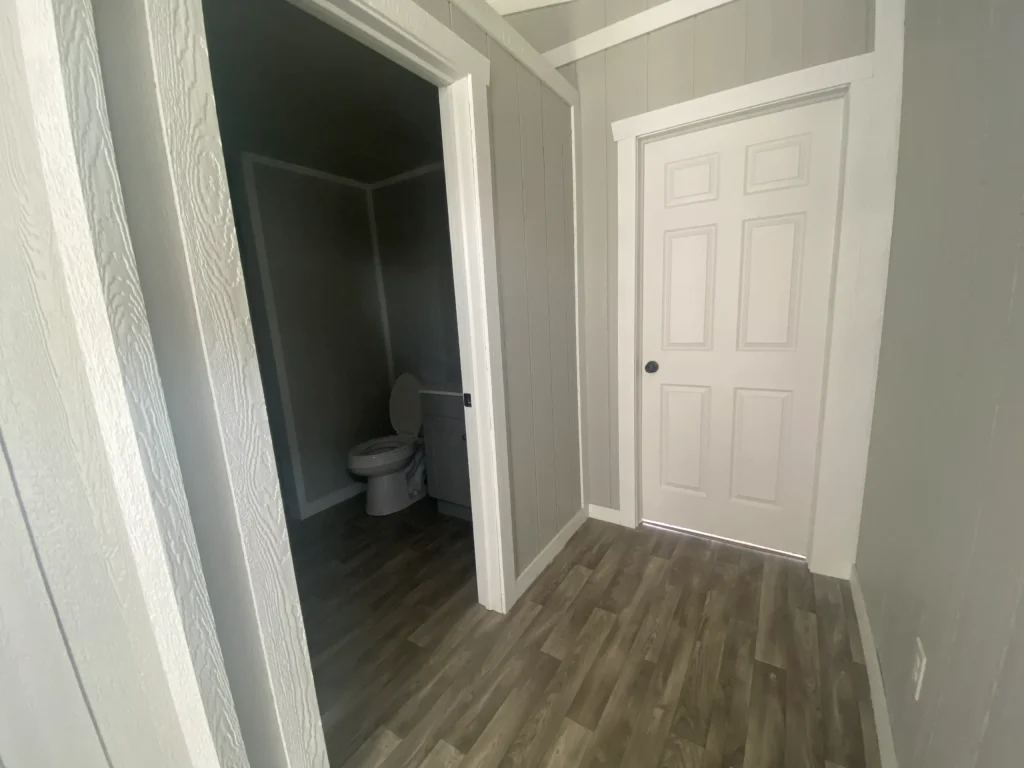
Choosing Between Renting And Owning Storage Space
Renting a storage unit works well when you need extra space temporarily. Moving, renovating, downsizing, or handling an estate can create short-term storage needs. You can rent the size you need without preparing land or purchasing a building. Some facilities also provide climate-controlled units, gated access, cameras, and extended access hours. These features can make rental storage convenient when you need a flexible solution for several months.
Long-term needs deserve a different calculation. A monthly payment that appears manageable can become expensive after several years. For example, paying $150 each month adds up to $1,800 per year before insurance, fees, or rate increases. Property owners who regularly store furniture, lawn equipment, tools, recreational gear, or business supplies may prefer dedicated space at home. A shed, utility building, or garage also keeps belongings close by. When deciding what size storage unit you need, consider both your current inventory and how long you expect to store it. Visit Ohio Cabins & Structures to compare storage buildings, garages, cabins, and other structures that can provide convenient long-term storage on your own property.