
What states allow tiny houses is one of the most common questions people ask when exploring downsized living. Tiny houses appeal to homeowners who want lower housing costs, reduced maintenance, and greater flexibility, but legality varies significantly across the country. While some states actively support tiny house communities and accessory dwelling units, others leave most decisions to local governments. Understanding which states are more welcoming can help buyers avoid costly mistakes and choose locations that fit their long-term goals. Before purchasing a tiny home or land, it is important to understand how state laws, zoning regulations, and building codes work together to determine where tiny houses can legally be placed and occupied.
How Tiny House Laws Work in the United States
Tiny house legality in the United States depends on a combination of state building codes and local zoning ordinances. States set the broad framework by adopting versions of the International Residential Code, but cities and counties decide how dwellings can be used and where they can be placed. This means a tiny house may be legal in one city but prohibited just a few miles away. Some states allow tiny houses as primary residences if they meet minimum size and safety standards.
Others classify them as accessory dwelling units, which limits where they can be placed and who can live in them. Tiny houses on wheels often face additional rules because many jurisdictions treat them as recreational vehicles. Understanding how authority is divided helps explain why the answer to what states allow tiny houses is rarely simple. State support matters, but local zoning determines real-world outcomes.
States That Clearly Support Tiny Houses
Several states have taken clear steps to support tiny house living. California allows tiny houses as accessory dwelling units in many areas, thanks to statewide ADU laws that limit local restrictions. Oregon permits tiny houses as permanent residences when they meet building code standards, and some cities allow tiny houses on wheels under specific conditions.
Texas supports tiny houses through flexible zoning in many rural and suburban areas, with some cities explicitly permitting them as primary homes. Florida allows tiny houses that meet residential codes and has counties that welcome them as ADUs. Colorado also supports tiny house communities in certain regions, particularly when units meet safety and utility requirements. These states provide a more predictable environment for tiny house owners, even though local rules still apply.
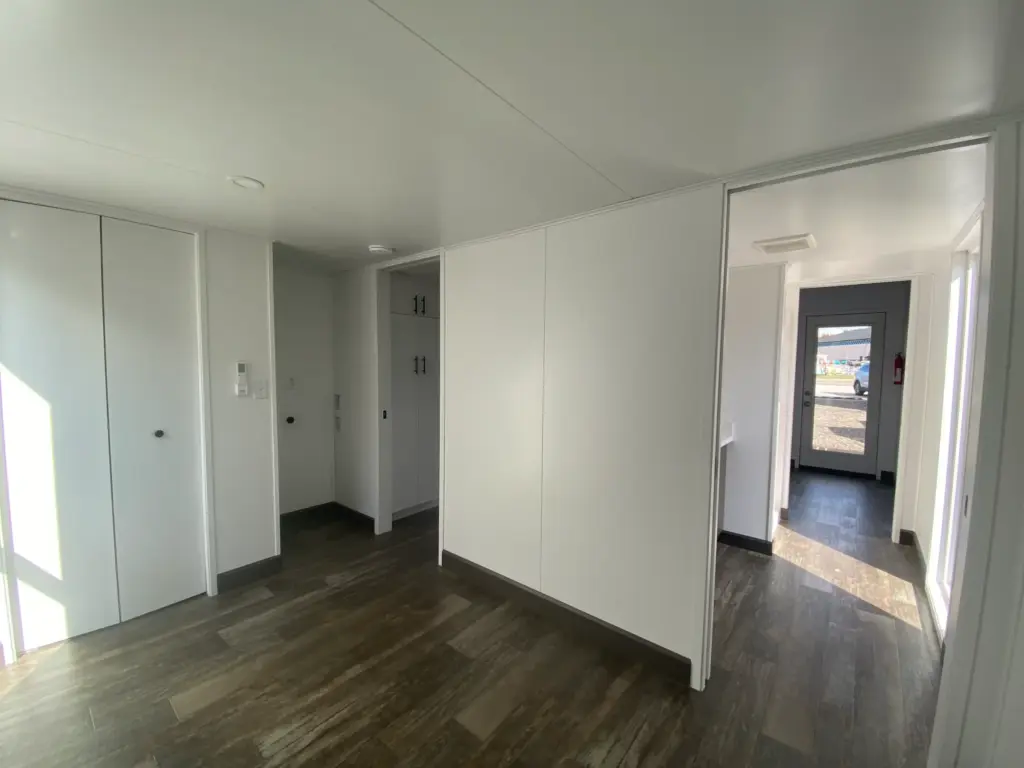
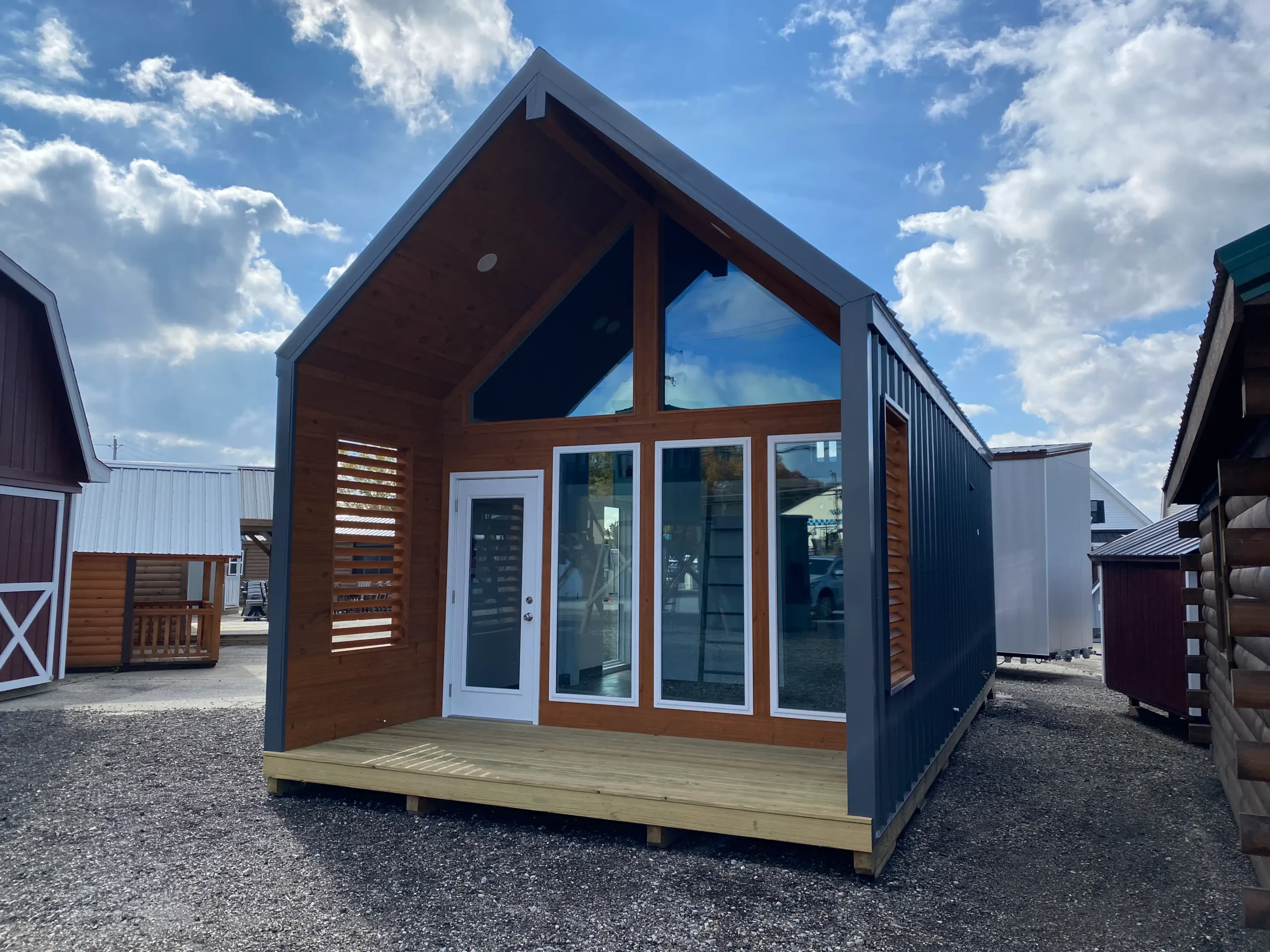
Many buyers interested in tiny living begin their search in states with established tiny house communities and flexible zoning regulations. Homes such as the Ashmore Mobile Tiny Home demonstrate how compact living can provide comfort and functionality while meeting the needs of homeowners seeking simpler lifestyles. States that embrace alternative housing options often create more opportunities for structures like these to be used as primary residences or accessory dwellings.
States Where Tiny Houses Are Allowed With Restrictions
Many states allow tiny houses, but only under limited circumstances. Washington permits tiny houses on wheels when they comply with state standards and local zoning. North Carolina allows tiny houses that meet minimum square footage rules, which vary by jurisdiction. Arizona allows tiny houses in several cities, especially when they are classified as manufactured homes or ADUs.
New York permits tiny houses in some rural areas but enforces stricter zoning in urban regions. Minnesota allows tiny houses if they meet building code requirements, but minimum size rules can be a challenge. In these states, success depends on researching county and city codes before building or buying. The state allows tiny houses in principle, but local compliance determines feasibility.
Tiny Houses on Wheels vs Permanent Foundations
Whether a tiny house sits on wheels or a permanent foundation greatly affects legality. Tiny houses on foundations are typically treated as small homes and must comply with residential building codes. Tiny houses on wheels are often classified as recreational vehicles, which limits where they can be parked and how long they can be occupied. Some states allow full-time living in tiny houses on wheels if they meet RV safety standards and local zoning allows it.
Others prohibit long-term occupancy regardless of construction quality. Buyers often assume wheels provide flexibility, but they can actually increase legal complexity. Understanding this distinction is essential when evaluating what states allow tiny houses and under what conditions they can be lived in year-round.
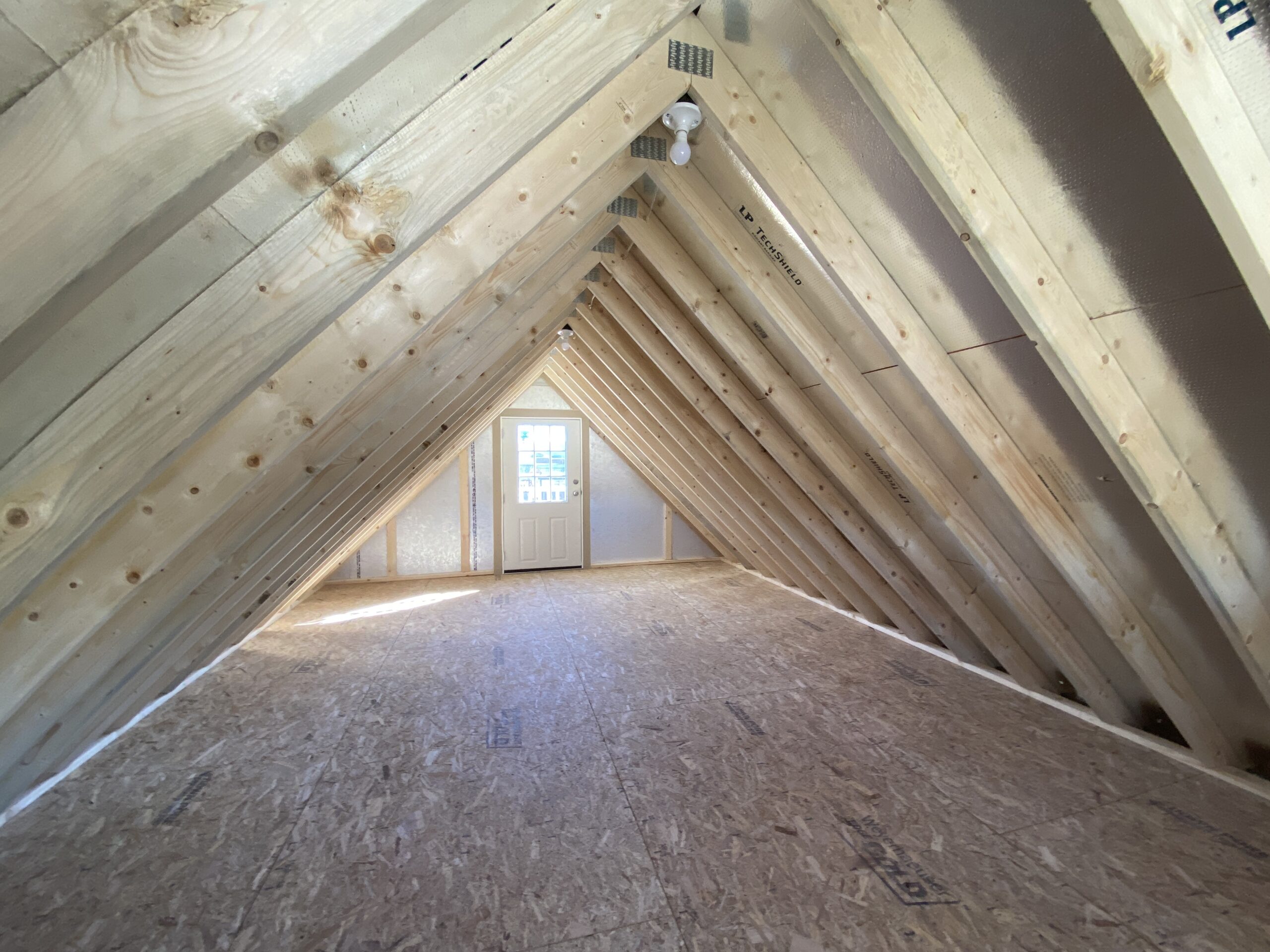
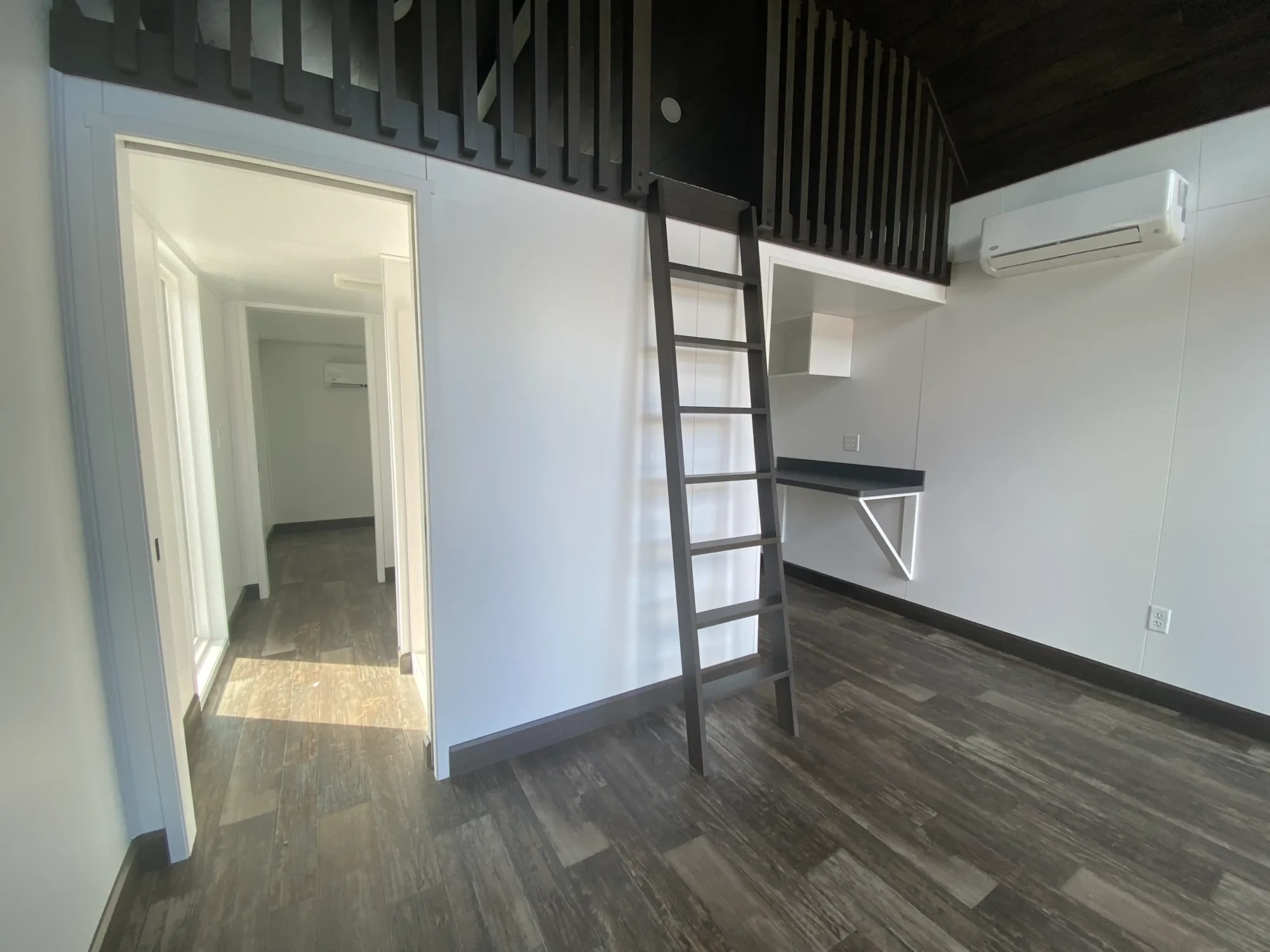
For buyers planning year-round occupancy, choosing the right structure is just as important as selecting the right location. The 14×30 Adventure Getaway Tiny Home is an example of a tiny home designed to maximize living space while maintaining the efficiency that attracts many people to tiny house living. Understanding how local governments classify similar homes can help buyers avoid legal complications later.
Why Local Zoning Matters More Than State Law
Even in states that support tiny houses, local zoning laws control land use. Cities regulate minimum dwelling size, lot coverage, setbacks, and utility connections. Some areas prohibit separate dwellings on single-family lots, limiting the placement of tiny houses. Others restrict mobile dwellings or require homes to connect to municipal utilities.
Rural counties often offer more flexibility, while urban areas enforce stricter standards. This is why two tiny houses built to the same specifications can face completely different legal outcomes depending on location. Anyone researching what states allow tiny houses must go beyond state summaries and review county and city codes before committing to a build or purchase.
Building Codes and Safety Requirements
Most states that allow tiny houses require compliance with residential building codes. These codes address ceiling height, stair safety, egress windows, plumbing, electrical systems, and fire safety. Some states have adopted specific tiny house appendices that adjust standards for small spaces, such as loft access and reduced room sizes. Meeting these codes often determines whether a tiny house qualifies as a legal dwelling. Buyers who skip permits or inspections risk fines, forced removal, or difficulty obtaining insurance. Understanding code compliance is just as important as zoning when determining where tiny houses are allowed.
Building code compliance also affects financing, insurance, and resale opportunities. Lenders and insurance providers are often more willing to work with homes that meet recognized residential standards. Features such as smoke detectors, emergency exits, proper insulation, and code-compliant electrical systems not only improve safety but also increase the likelihood that a tiny home will be approved for long-term occupancy. Buyers who invest in compliance from the beginning often avoid expensive corrections later.
Government Guidance on Tiny House Legality
Government agencies guide housing classifications, zoning authority, and building codes. The U.S. Department of Housing and Urban Development explains how dwellings are classified and how local governments regulate housing types. According to the USA gov, housing legality depends on local enforcement of building and zoning codes, even when state laws are supportive. This reinforces the importance of checking local ordinances rather than relying on state-level assumptions.
Planning Before Buying or Building
Anyone interested in tiny house living should research land use rules before buying property or starting construction. This includes checking zoning classifications, minimum dwelling sizes, and utility requirements. Contacting the local planning department provides clarity and prevents costly mistakes. Some buyers also choose areas with established tiny house communities, which often already comply with local rules. Planning helps avoid relocation issues and ensures the home can be legally occupied long-term.
Researching utility availability is equally important. Some properties may lack access to municipal water, sewer, or electrical services, which can significantly affect installation costs. Buyers should also review homeowner association rules, deed restrictions, and environmental regulations before purchasing land. Taking a proactive approach helps ensure that a tiny home project remains both legal and financially practical.
How Professional Guidance Helps Avoid Problems
Tiny house laws can feel overwhelming because they vary so widely. Professional builders and housing specialists help buyers understand placement options, foundation requirements, and permitting steps. Working with experienced professionals reduces uncertainty and improves outcomes. Resources from Ohio Cabins and Structures help buyers understand structural considerations and housing options that align with local regulations. Proper guidance turns a complex process into a manageable one.
Conclusion
What states allow tiny houses depends on a combination of state support, local zoning regulations, and building code requirements. States such as California, Texas, Oregon, and Florida generally offer more opportunities for tiny house living, but local rules ultimately determine where homes can be placed and occupied. Careful research before buying land or a structure can prevent expensive setbacks and provide greater peace of mind throughout the process.
Whether you are exploring a backyard tiny home, a full-time residence, or a vacation retreat, understanding the legal landscape is essential. For homeowners seeking quality tiny home options and guidance on choosing the right structure, Ohio Cabin and Structures offers practical solutions designed to support modern, efficient living.