One of the first questions buyers ask after purchasing a tiny house is where do you park a tiny home legally and safely. Finding the right location can be more challenging than choosing the home itself because zoning laws, utility access, and local regulations vary widely. A parking location that works in one county may not be legal in another.
Understanding your options before buying land or moving a tiny home can save time, money, and frustration. Whether you plan to place your home on private property, in a tiny house community, or at an RV park, researching local requirements helps create a stable and comfortable long-term setup.
Can You Park a Tiny Home on Private Land?
One of the most common solutions for tiny homeowners is placing the structure on private property. Many people searching where do you park a tiny home near me are often hoping to find land they already own or property owned by family members. Private land offers more flexibility, but zoning regulations still play a major role in determining whether a tiny home is allowed. Some counties permit tiny homes as primary residences, while others only allow them as accessory dwelling units or temporary structures.
Utility access becomes another major consideration when using private land. Water hookups, septic systems, and electrical connections may require permits and inspections depending on local laws. Rural land generally offers more flexibility than dense urban areas, which is one reason tiny homes have become especially popular outside major cities. Homeowners should always contact local zoning departments before purchasing land or moving a tiny home onto a property. Even if the home itself meets building standards, the property may still have restrictions regarding permanent occupancy or minimum dwelling sizes.
Some rural counties offer more flexibility than urban areas, but homeowners should never assume private land automatically allows tiny homes. Restrictions involving setbacks, minimum home sizes, and occupancy requirements may still apply. Checking local zoning regulations before purchasing land helps avoid expensive relocation problems later.
Tiny House Communities Offer a Simple Parking Solution
Tiny house communities have become increasingly popular as more people search for legal and convenient parking options. These communities are specifically designed for tiny living and often provide utility hookups, shared amenities, parking pads, and long-term leasing opportunities. People searching for places to park a tiny house near me frequently discover that organized communities simplify many of the legal and infrastructure challenges associated with tiny home ownership.
Some tiny house communities operate similarly to RV parks, while others function more like traditional residential neighborhoods. Community rules vary widely, with some allowing permanent residency and others focusing on seasonal or vacation use. Shared amenities may include laundry facilities, community gardens, internet access, or recreational areas. Tiny house communities also provide social benefits because residents often share similar lifestyles and interests. For first-time tiny homeowners, these communities can offer a much smoother transition into small-space living compared to navigating private land regulations alone.
Can You Park A Tiny Home In RV Parks
RV parks are another common solution for tiny home owners, especially for homes built on trailers. Many RV parks allow tiny homes that meet specific size, utility, and certification requirements. However, policies vary significantly between locations. Some parks welcome tiny homes because they attract long-term tenants, while others restrict them entirely because of appearance guidelines or zoning classifications.
People searching long term tiny house parking often consider RV parks because they already provide electrical hookups, water access, sewer systems, and maintained parking spaces. Monthly rental rates vary depending on location and amenities. In some rural areas, long-term RV parking may cost far less than traditional housing expenses. However, homeowners should verify residency rules carefully because some RV parks limit how long residents can remain on-site continuously.
Weather conditions and utility access also matter when using RV parks for permanent tiny home living. Some parks are designed mainly for seasonal travelers rather than full-time occupancy. Understanding these differences helps avoid future relocation issues.
Where Do You Park A Tiny Home In California
One of the most searched questions online is where do you park a tiny home in California because housing demand and zoning restrictions there create unique challenges. California has gradually become more flexible toward accessory dwelling units and alternative housing options, but regulations still vary heavily between counties and cities. Some areas actively support tiny homes through ADU programs, while others maintain strict minimum size requirements or zoning limitations.
Parking a tiny home in California often depends on whether the home is classified as an RV, ADU, or permanent residence. Coastal cities and densely populated urban regions usually have stricter rules than rural counties. Tiny house communities and RV parks are especially common options for California owners because they simplify utility access and zoning compliance. Homeowners interested in California placement should research local ordinances carefully because rules can change dramatically even between neighboring jurisdictions.
How Tiny House Maps Help Find Legal Parking
Many tiny homeowners now rely on online tools and tiny house map resources to locate legal parking opportunities across the country. These maps often display RV parks, tiny house communities, private land rentals, and short-term parking options in different regions. They can help owners compare utility access, pricing, climate, and local regulations before relocating.
Digital mapping tools have become especially valuable for travelers and mobile tiny homeowners who frequently change locations. Some platforms also include user reviews, photos, and zoning information that help homeowners avoid unsuitable locations. While online maps simplify research, homeowners should still verify zoning and occupancy laws directly with local authorities before committing to any long-term arrangement.
As tiny living becomes more mainstream, online parking databases continue expanding. This makes it easier for homeowners to identify legal and practical placement options without relying entirely on local word-of-mouth information.
Renting Land To Park A Tiny Home
Another increasingly common option involves finding individuals willing to rent private land for tiny home placement. People searching rent land to park tiny house near me are often looking for affordable long-term setups without purchasing property outright. Land rental agreements may include utility access, shared driveways, or dedicated parking pads depending on the arrangement.
This setup works especially well in rural areas where larger properties have unused space available. Some landowners welcome tiny homes because they generate additional monthly income without requiring large-scale development. However, lease agreements should clearly outline utility responsibilities, maintenance expectations, parking duration, and local zoning compliance.
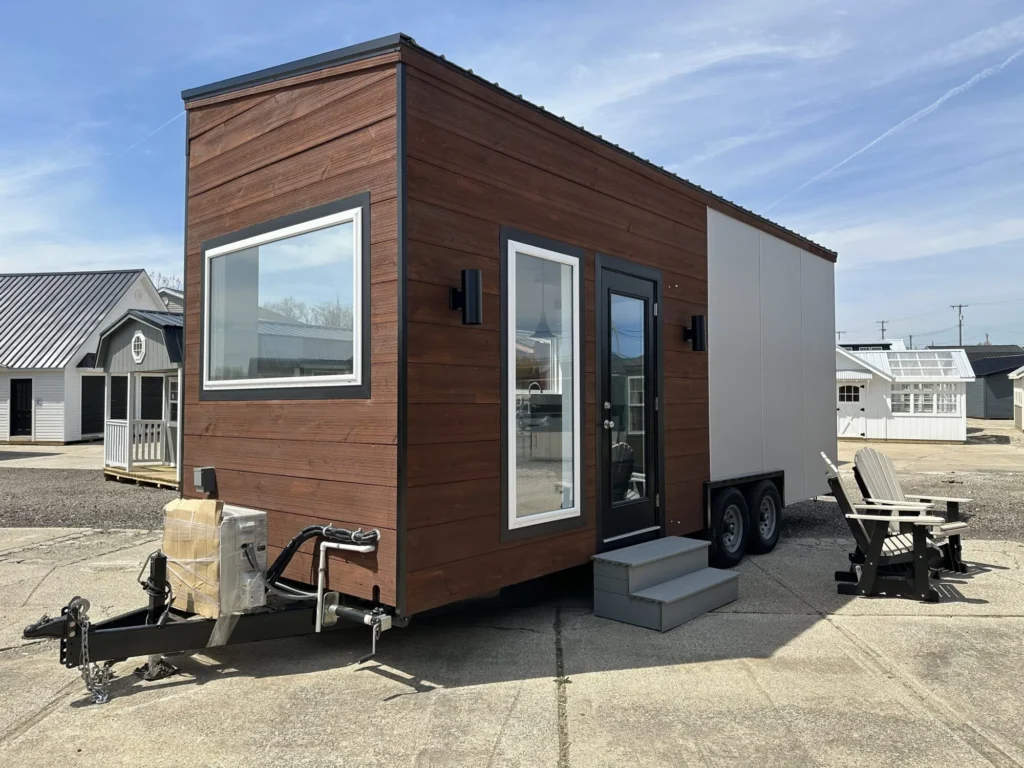
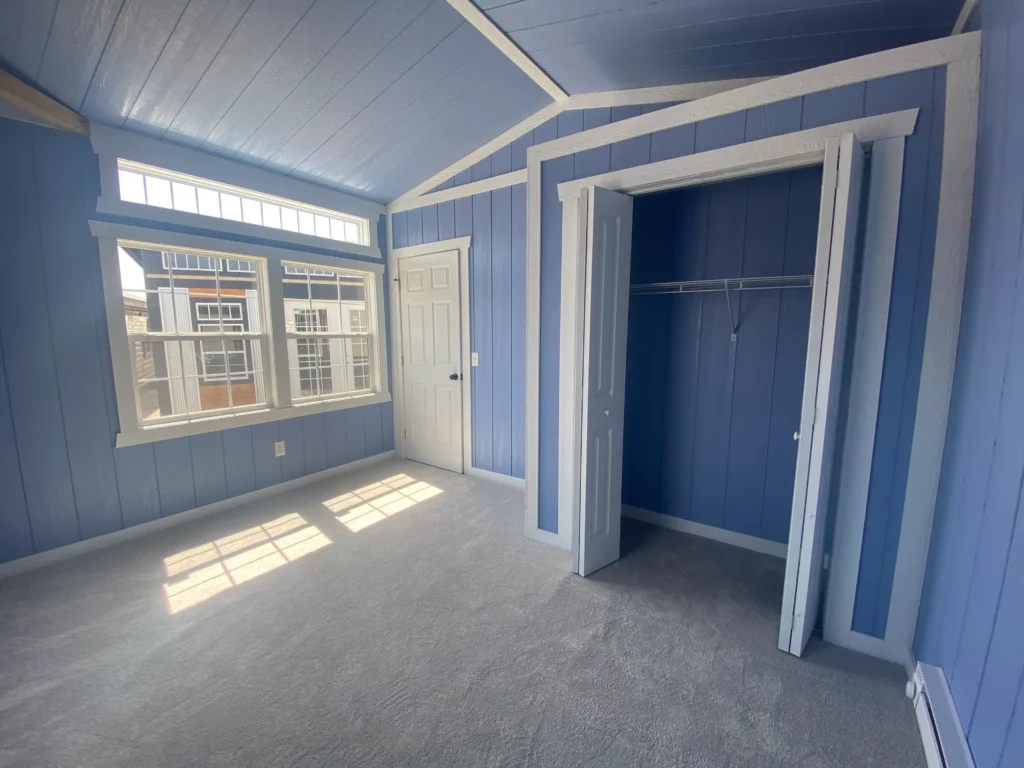
Structures such as the Ashmore Mobile Tiny Home are particularly suitable for flexible land rental setups because mobile tiny homes allow owners to relocate more easily if circumstances change. This flexibility is one reason mobile tiny homes continue gaining popularity among buyers looking for adaptable housing solutions.
Long-Term Tiny House Parking And Permanent Living
For many homeowners, temporary parking eventually turns into a search for stable long-term placement. Long-term tiny house parking requires more than simply finding an open space because utility access, weather protection, mail delivery, internet service, and legal occupancy all become important over time. Some owners purchase land specifically to create permanent tiny home setups, while others remain in organized communities or RV parks for years.
Permanent parking arrangements often require upgraded infrastructure such as septic systems, foundations, covered parking areas, or utility trenching. Climate also matters because year-round living conditions vary significantly between regions. Tiny homeowners planning permanent occupancy should prioritize locations with stable zoning policies to reduce future relocation risks.
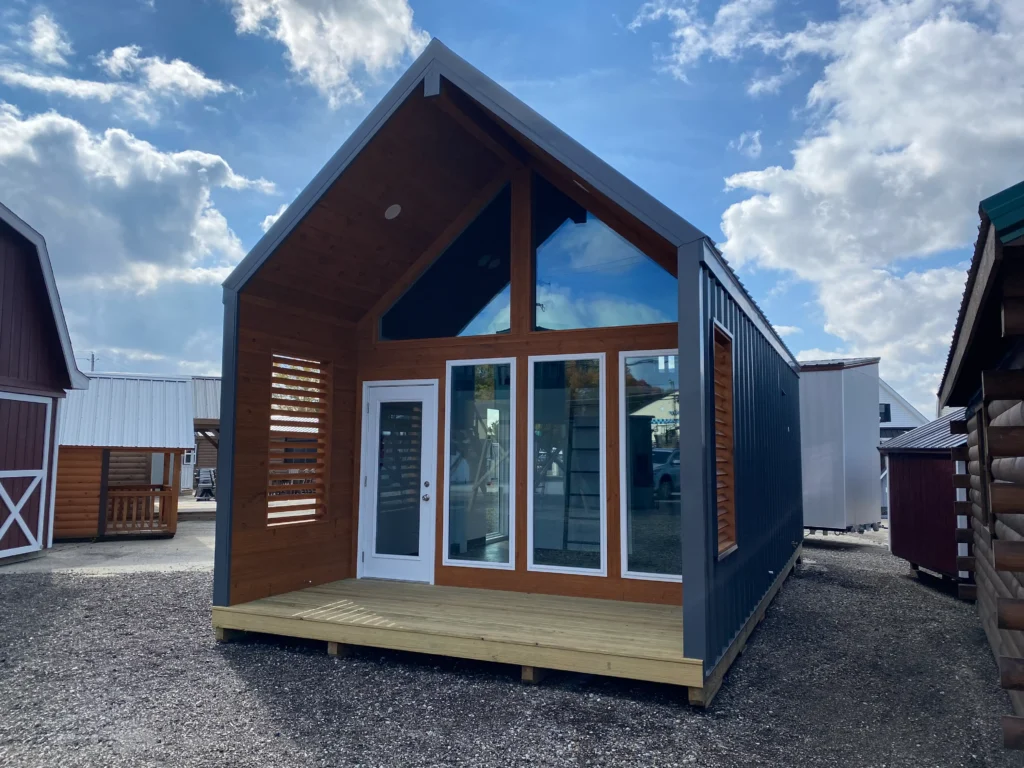
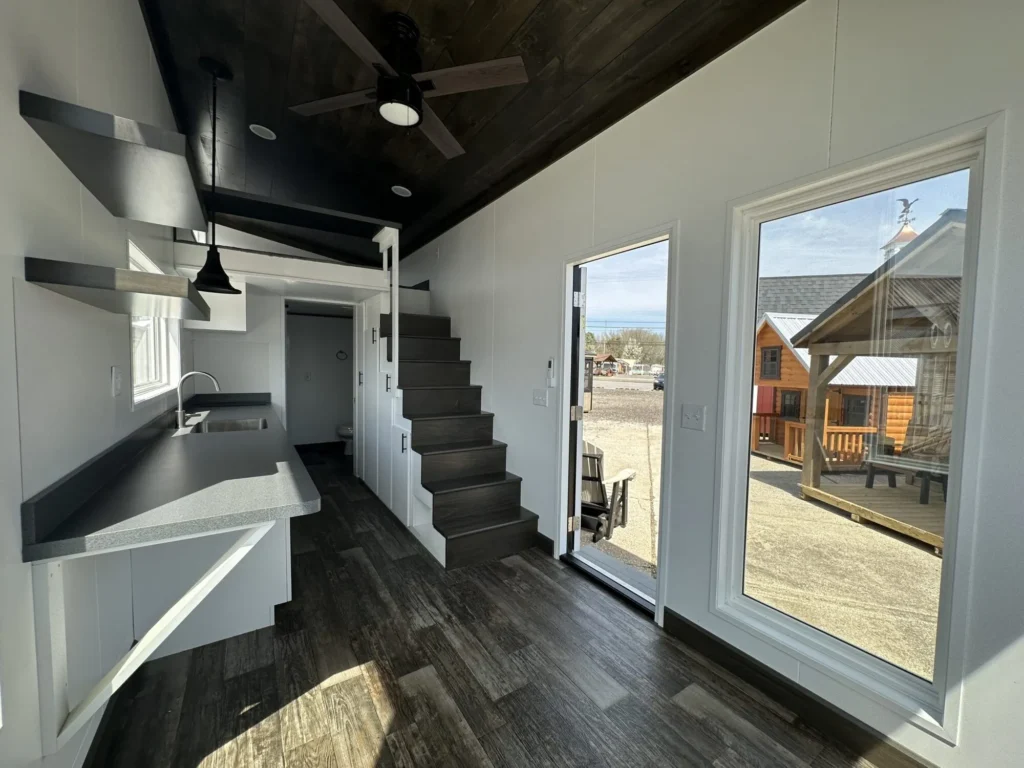
Larger structures like the 14×30 Adventure Getaway Tiny Home are often better suited for long-term living because they provide more interior comfort and storage while still maintaining the efficiency benefits associated with tiny housing.
Common Mistakes Tiny Home Owners Make When Parking
One of the biggest mistakes tiny homeowners make is assuming parking rules are consistent everywhere. In reality, zoning laws vary dramatically between counties, cities, and states. Some homeowners purchase tiny homes before verifying whether legal parking options even exist in their preferred area. Others underestimate utility installation costs or fail to secure written agreements when renting land privately.
Ignoring local occupancy regulations can create expensive relocation problems later. Some areas limit how long RV-style tiny homes may remain occupied continuously, while others prohibit permanent residency entirely. Utility access also becomes more expensive than many first-time buyers expect, especially in undeveloped rural areas. Careful planning before purchasing a tiny home helps avoid many of these issues.
Researching zoning laws, utility requirements, and long-term parking options first allows buyers to make more informed housing decisions and avoid costly surprises after delivery.
Conclusion
Where do you park a tiny home depends on local regulations, utility availability, and your long-term goals. Some homeowners choose private land, while others prefer tiny house communities, RV parks, or leased property. Every option offers different advantages, so researching local requirements before moving your home is essential.
If you are planning a tiny home lifestyle, selecting the right structure is just as important as choosing the right location. Explore available models from Ohio Cabins & Structures Tiny Homes to compare designs that support flexible living. You can also contact Ohio Cabins & Structures to discuss the best option for your property and future plans.